
Have you ever wondered why your boat needs a ventilation system? It might seem like a small detail, but it plays a huge role in keeping you safe and comfortable on the water.
Without proper ventilation, dangerous gases can build up, and your boat’s engine might not perform well. You’ll discover exactly what a boat’s ventilation system does, why it’s essential, and how it protects both you and your vessel. Keep reading to learn how this simple feature can make a big difference on every trip you take.
Credit: powerandmotoryacht.com
Role Of Ventilation In Boats
Ventilation plays a crucial role in maintaining a safe and comfortable environment on your boat. It ensures fresh air circulates, keeps moisture in check, and removes harmful fumes. Understanding this role helps you appreciate why a well-designed ventilation system is essential for every vessel.
Airflow And Comfort
Proper airflow prevents your boat’s interior from feeling stuffy and hot. It keeps the air moving, which helps regulate temperature and makes your time on board more enjoyable. Have you ever noticed how quickly a cabin can become uncomfortable without fresh air? That’s why ventilation matters.
Good ventilation also reduces odors by constantly replacing stale air with fresh outside air. This simple flow can make a big difference in how pleasant your boat feels during long trips.
Preventing Moisture Build-up
Moisture can sneak in from the water, weather, or even your breath, causing damp conditions inside the boat. Without ventilation, this moisture collects, leading to mold, mildew, and damage to wood and fabrics.
Effective ventilation pulls moist air out and brings dry air in, protecting your boat’s interior. Have you checked your boat’s surfaces for signs of dampness or mold? It could be a sign your ventilation isn’t doing its job.
Fume And Gas Removal
Boats often have fuel tanks and engines releasing fumes that are dangerous to breathe. A ventilation system safely removes these harmful gases before they build up to unsafe levels.
Regularly ventilating engine compartments and fuel storage areas reduces the risk of fire and health hazards. Do you know where your boat’s ventilation outlets are positioned to remove fumes effectively? Ensuring their proper function could save lives.

Credit: baymfg.com
Types Of Ventilation Systems
Boat ventilation systems come in several types. Each serves to keep air fresh and reduce moisture. They prevent harmful gases from building up inside the boat. Choosing the right system depends on the boat’s size and use.
Natural Ventilation
Natural ventilation uses wind and air movement. Vents, hatches, and windows help air flow freely. It is simple and requires no power. This system works best in calm weather and open spaces. It also helps reduce humidity and odors inside the boat.
Mechanical Ventilation
Mechanical ventilation uses fans or blowers to move air. It works well in enclosed or crowded spaces. This system forces fresh air inside and removes stale air. It can run on the boat’s electrical power. Mechanical ventilation is effective even without wind.
Hybrid Solutions
Hybrid systems combine natural and mechanical ventilation. They use vents and fans together for better airflow. This setup adjusts to weather and boat activity. Hybrid solutions provide consistent air quality. They balance energy use and ventilation needs.
Key Components Of Ventilation Systems
Understanding the key components of a boat’s ventilation system helps you see how fresh air flows through your vessel. Each part plays a vital role in maintaining air quality, reducing moisture, and preventing dangerous gas build-up. Knowing these components can help you troubleshoot issues or improve your boat’s ventilation setup effectively.
Vents And Air Intakes
Vents and air intakes are the entry points for fresh air into your boat. They are usually placed strategically to catch airflow while keeping water out. You might notice them on the hull or cabin roof, designed to allow air in but prevent rain or spray from entering.
Choosing the right type of vent can impact how well your boat breathes. For example, cowl vents can be rotated to face the wind, pulling in more air when you’re moving. Have you checked if your vents are clear and not blocked by debris or paint? It’s a simple check that can improve air circulation immediately.
Fans And Blowers
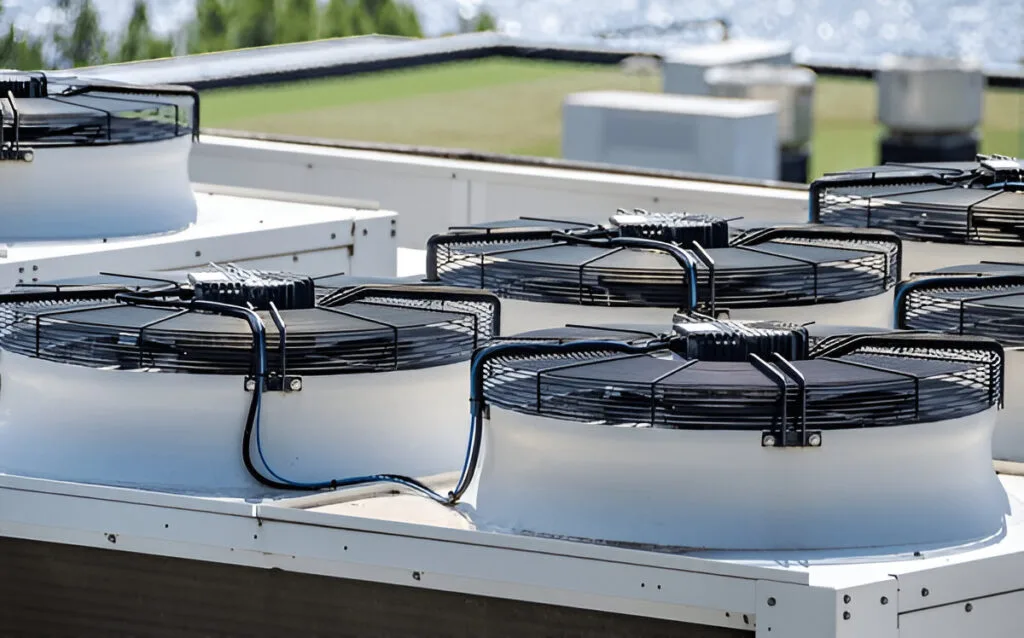
Fans and blowers actively move air through your boat’s interior spaces. Unlike vents, they don’t rely solely on natural airflow but push or pull air to areas that need it. This is especially important in engine compartments where heat and fumes build up quickly.
Installing a powerful blower can prevent dangerous gas accumulation before you even start the engine. I once experienced a strong smell of fuel vapor in my cabin, and a quick check showed a faulty blower was the cause. Replacing it restored fresh air flow and peace of mind instantly.
Ducting And Exhausts
Ducting channels air from vents and fans to different parts of the boat. It works like veins in a body, ensuring air reaches every corner. Exhausts then push stale or moist air out, maintaining a healthy environment inside.
Properly installed ducting prevents moisture buildup that leads to mold and corrosion. Have you noticed condensation on your cabin walls? It might be due to poor ducting or blocked exhausts. Regular inspections and cleaning can keep your ventilation system efficient and your boat in better shape.
Credit: sntoom.net
Safety Benefits Of Proper Ventilation
Proper ventilation on a boat isn’t just about comfort—it plays a crucial role in keeping you and your vessel safe. Without effective ventilation, dangerous gases and fumes can accumulate, posing serious risks. Understanding these safety benefits helps you appreciate why maintaining your boat’s ventilation system should be a top priority.
Reducing Fire Hazards
Fuel vapors are highly flammable and can build up quickly in enclosed spaces like engine rooms or fuel tanks. Proper ventilation helps disperse these vapors before they reach dangerous levels. Ensuring good airflow reduces the risk of explosions or fires, especially when starting the engine or refueling.
Have you ever smelled fuel inside your boat? That’s a warning sign that your ventilation may be insufficient. Taking action immediately can prevent a small problem from turning into a disaster.
Preventing Carbon Monoxide Poisoning
Carbon monoxide (CO) is a deadly, odorless gas produced by engines and generators. Without adequate ventilation, CO can accumulate in living areas and cabins, putting everyone onboard at risk. Fresh air circulation is essential to keep CO levels low and protect your health.
Think about how easily you breathe fresh air on land—your boat needs that same constant supply. Installing CO detectors is smart, but proper ventilation is your first line of defense against this silent threat.
Maintaining Engine Efficiency
Engines need a steady supply of fresh air to run efficiently. Poor ventilation can cause engines to overheat or burn fuel less effectively, leading to decreased performance and higher maintenance costs. By keeping air moving, your engine stays cooler and runs smoother.
This isn’t just about saving money—it’s about avoiding breakdowns in the middle of your trip. How often do you check your boat’s ventilation to ensure the engine is getting enough air?
Maintenance Tips For Boat Ventilation
Boat ventilation helps keep air fresh inside, preventing mold and bad smells. It also removes harmful gases, keeping the boat safe and comfortable. Regular checks ensure the system works well and lasts longer.
Maintaining a boat’s ventilation system is crucial for safety and comfort. Proper upkeep ensures fresh air circulates, preventing mold and unpleasant odors. Here are some essential maintenance tips for your boat’s ventilation system.Regular Inspections
Inspect the ventilation system monthly. Look for any signs of wear, rust, or damage. Check that all vents are open and unobstructed. Ensure fans are functioning correctly. Pay attention to unusual noises or vibrations. Address any issues promptly to avoid larger problems.Cleaning And Repairs
Clean vents and fans regularly. Use a soft brush or cloth to remove dust. Check for blockages that could impede airflow. Repair any cracks or broken components immediately. Use marine-grade materials for repairs to withstand harsh conditions.Upgrading Old Systems
Consider upgrading old ventilation systems. Newer systems offer improved efficiency and reliability. Look for energy-efficient models that reduce power consumption. Choose systems with advanced filters to enhance air quality. Consult a professional for installation if necessary.Impact On Boat Performance
The ventilation system on a boat plays a vital role in its overall performance. Proper airflow helps maintain engine health and improves fuel use. It also keeps the crew comfortable and safe during trips. Good ventilation prevents heat and harmful gases from building up inside the boat. This balance supports smoother operation and better efficiency on the water.
Fuel Efficiency
Proper ventilation ensures the engine gets enough fresh air. Engines burn fuel better with clean, cool air. This reduces fuel consumption and lowers operating costs. A well-ventilated engine runs cooler, which improves combustion. Less fuel waste means longer trips without extra refueling stops.
Engine Longevity
Ventilation helps remove heat and fumes from the engine space. Excess heat can damage engine parts quickly. Good airflow keeps engine components cooler and cleaner. This reduces wear and tear over time. A cooler engine lasts longer and needs fewer repairs. Proper ventilation also prevents moisture buildup, avoiding rust and corrosion.
Crew Comfort And Health
Ventilation removes harmful gases like carbon monoxide. It also reduces humidity and stale air inside the cabin. Fresh air keeps the crew alert and comfortable. Good airflow prevents headaches and fatigue during long trips. Proper ventilation creates a safer environment for everyone onboard.
Frequently Asked Questions
What Is The Main Function Of A Boat’s Ventilation System?
A boat’s ventilation system removes stale air and moisture. It prevents mold, mildew, and harmful gas buildup. Proper ventilation ensures fresh air circulation for safety and comfort onboard.
Why Is Ventilation Important In Boat Cabins?
Ventilation in cabins controls humidity and reduces condensation. It helps prevent mold growth and maintains air quality. Proper airflow keeps passengers healthy and protects the boat’s interior.
How Does A Boat Ventilation System Improve Safety?
Ventilation removes dangerous fumes like gasoline vapors. It reduces the risk of fire or explosions. Fresh air circulation prevents suffocation and maintains breathable air onboard.
What Types Of Ventilation Systems Are Used On Boats?
Boats use natural vents, powered fans, and air ducts. Each system promotes airflow in different boat areas. Choosing the right system depends on boat size and design.
Conclusion
A boat’s ventilation system keeps the air fresh and clean inside. It stops harmful gases from building up. This helps protect your health and the boat’s engine. Good airflow also reduces moisture and mold growth. Without proper ventilation, problems can grow quickly.
Every boat owner should understand this simple but vital system. It makes boating safer and more comfortable. Remember, fresh air means a better boating experience.



