
Have you ever wondered how long a person can survive on a ventilator? If you or someone you care about faces this situation, understanding the facts can bring clarity and peace of mind.
This topic can feel overwhelming, but knowing what to expect helps you prepare emotionally and make informed decisions. Keep reading to discover how ventilators work, what influences survival time, and what factors matter most for you or your loved one’s journey.
Credit: clinicalview.gehealthcare.com
Ventilator Basics
Understanding the basics of ventilators is key if you want to grasp how long a person can survive on one. Ventilators are complex machines, but their role is straightforward: they help people breathe when their lungs cannot do the job effectively. Whether you’re curious for personal reasons or just want to understand medical care better, knowing what ventilators are and how they work will give you clearer insights.
What Is A Ventilator?
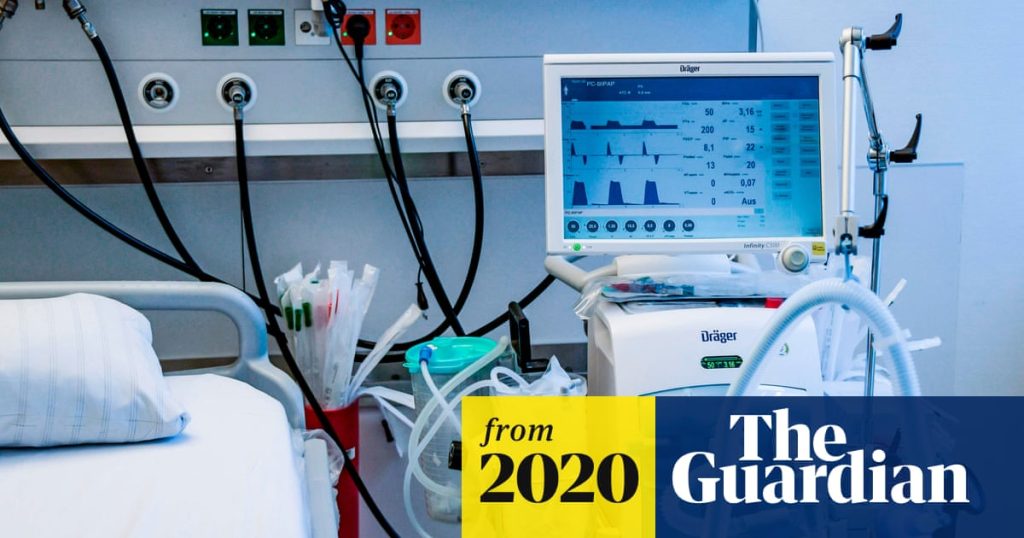
A ventilator is a medical device that supports or replaces breathing. It pushes air, sometimes enriched with oxygen, into the lungs and helps remove carbon dioxide. If your lungs are weak or damaged, a ventilator takes over the hard work of breathing so your body can get the oxygen it needs.
People often imagine ventilators only in emergency rooms, but they are also used in surgeries and long-term care. Have you ever wondered what happens inside the machine when it “breathes” for someone?
Types Of Ventilators
There isn’t just one kind of ventilator. Different types serve different needs based on how much breathing support a person requires. Here are the main types:
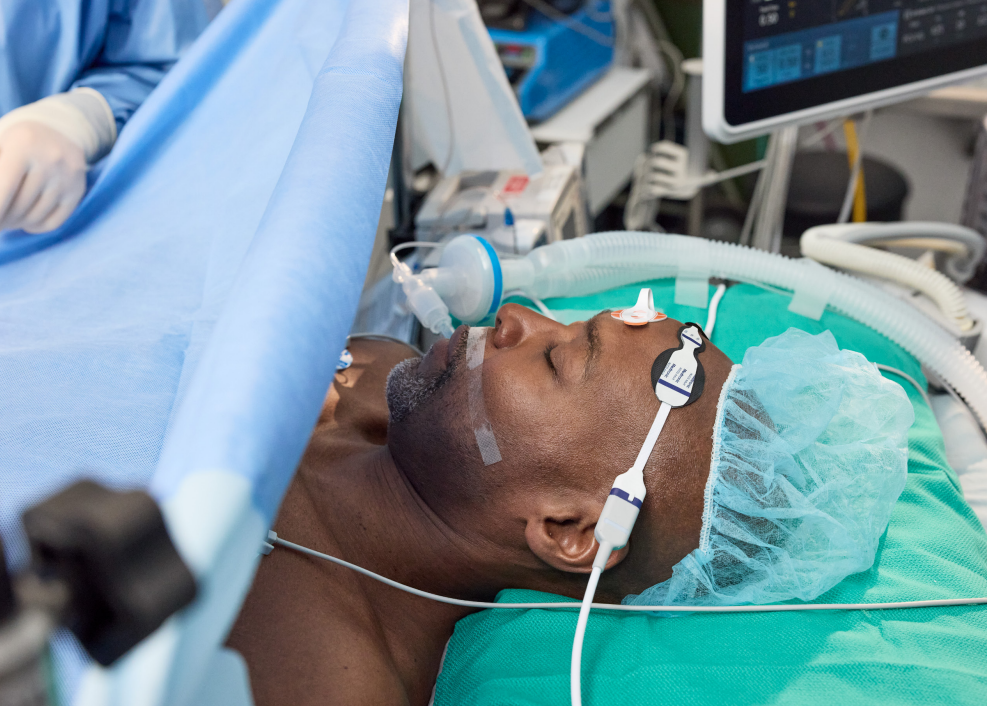
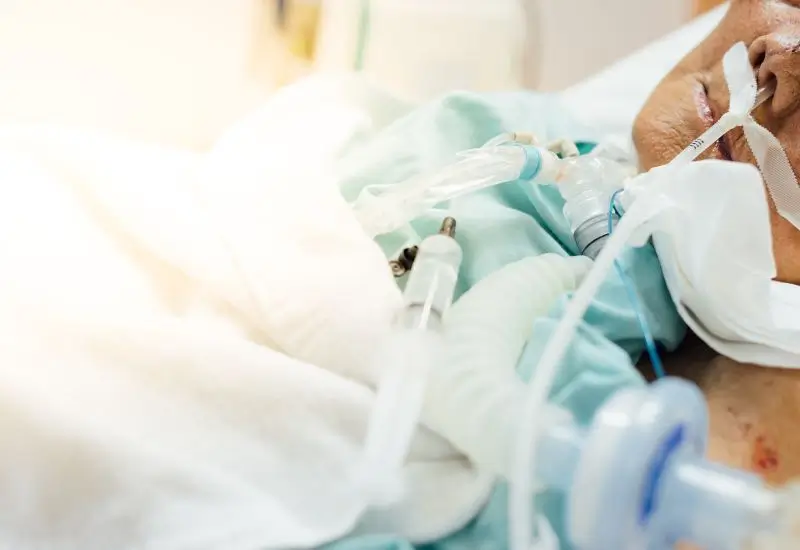
- Invasive ventilators:These require a tube inserted into the windpipe. They provide full breathing support and are common in intensive care units.
- Non-invasive ventilators:These use masks that cover the nose or mouth. They assist breathing without needing a tube.
- Portable ventilators:Smaller and designed for mobility, these help patients who need breathing support outside the hospital.
Knowing these types helps you understand how the choice of ventilator depends on the patient’s condition and care setting.
How Ventilators Work
Ventilators work by delivering air under pressure into the lungs. This air inflates the lungs, allowing oxygen to enter the bloodstream. Then, the machine helps remove carbon dioxide by letting the lungs deflate.
The machine can be set to different modes based on what the patient needs. Sometimes, it fully controls breathing. Other times, it assists while the patient still breathes on their own.
Imagine the ventilator as a partner that adjusts its support based on how much effort you can make. Could you picture how critical this balance is for survival?

Credit: www.cbc.ca
Factors Affecting Survival
Survival on a ventilator varies widely and depends on several key factors. Understanding these elements can give you clearer expectations and help in making informed decisions. Let’s look at the main aspects that affect how long a person can survive while on mechanical ventilation.
Underlying Health Conditions
Your pre-existing health plays a huge role in ventilator survival. Chronic illnesses like heart disease, diabetes, or lung conditions can complicate recovery. If your lungs or other organs are already weak, the ventilator supports vital functions but doesn’t fix underlying damage.
For example, someone with severe COPD may face more challenges than a patient with a temporary lung infection. Doctors often weigh these conditions when predicting outcomes and planning care.
Age And Physical Resilience
Age impacts your body’s ability to bounce back. Younger patients generally have stronger immune systems and recover faster from critical illness. Older adults may experience slower healing, making prolonged ventilation riskier.
Physical resilience also matters—muscle strength, nutrition, and overall fitness influence survival. Think about how your own energy levels and health habits might affect recovery if you or a loved one needed a ventilator.
Reason For Ventilator Use
Why the ventilator is needed changes the survival chances significantly. Temporary causes like surgery or reversible infections often lead to shorter ventilator times and better outcomes. On the other hand, chronic respiratory failure or severe brain injury may require long-term support with uncertain prognosis.
Understanding the root cause helps you gauge the expected duration and challenges. Have you discussed with medical professionals what the ventilator is aiming to achieve in your specific situation?
Typical Survival Durations
Understanding how long a person can survive on a ventilator depends on many factors. These include the patient’s overall health, the cause of respiratory failure, and the quality of medical care. Survival times vary widely, from a few days to several years. Knowing typical survival durations helps families and caregivers set realistic expectations.
Short-term Ventilation
Short-term ventilation usually lasts from a few hours to a few weeks. It supports patients during acute illnesses like pneumonia or surgery recovery. Most patients breathe on their own after this period. The goal is to stabilize breathing and then remove the ventilator safely.
Long-term Ventilation
Long-term ventilation can last months or years. It often supports people with chronic lung diseases or neurological conditions. Some patients live at home with ventilators and proper care. Quality of life depends on the underlying illness and support systems.
Cases Of Extended Survival
Some patients survive on ventilators for many years. These rare cases often involve strong medical care and family support. Technology advances have made extended survival more possible today. Each case is unique, with different challenges and outcomes.
Complications And Risks
Being on a ventilator can be life-saving, but it’s important to understand that it also comes with significant complications and risks. These issues can affect your recovery and overall health, sometimes in ways that surprise even medical professionals. Knowing what to watch for can help you or your loved one prepare and respond better.
Infections And Pneumonia
One of the biggest risks while on a ventilator is the chance of infections, especially ventilator-associated pneumonia (VAP). Since the ventilator tube bypasses your body’s natural defenses, bacteria can easily enter your lungs.
Hospitals take strict measures to prevent these infections, but they still happen. You might notice a fever, increased mucus, or worsening breathing. If you or a loved one is on a ventilator, ask the medical team how they are preventing infections — your questions can make a difference.
Lung And Muscle Damage
Prolonged ventilation can cause damage to your lungs and breathing muscles. The ventilator pushes air into your lungs, but this pressure can sometimes harm delicate lung tissues.
Your respiratory muscles may weaken because they don’t work as hard while the machine breathes for you. This can make it harder to wean off the ventilator later. Physical therapy and careful monitoring help reduce these problems, but they remain a challenge.
Psychological Impact
Being on a ventilator isn’t just tough physically—it affects your mind, too. Patients often experience anxiety, confusion, or even hallucinations during and after ventilation.
Imagine being unable to speak or move freely while hooked to a machine. This loss of control can lead to stress and sometimes long-term mental health issues like PTSD.
Supporting mental health during this time is crucial. If you or someone you care for faces ventilation, consider asking about counseling or support groups. How might this change your approach to care?
Weaning Off A Ventilator
Survival on a ventilator varies widely based on health and illness severity. Weaning off depends on lung strength and overall recovery progress. Doctors closely monitor patients to find the right time to reduce ventilator support safely.
Weaning off a ventilator is a crucial step in recovery. It involves reducing dependence on the machine gradually. This process needs careful monitoring and expert care. Patients and families often have many questions about this phase. Understanding the signs and steps can ease anxiety.Signs Of Readiness
Doctors look for certain signs before starting weaning. Improved breathing strength is key. Patients should show stable heart and lung function. They need to be awake and responsive. Reduced need for oxygen support is also essential. All these signs indicate readiness for the next step.Weaning Process
The weaning process is gradual and patient-specific. Doctors start by reducing ventilator settings. Patients try to breathe on their own for short periods. These intervals increase over time. Healthcare teams provide close monitoring throughout. They adjust the process based on patient response.Challenges During Weaning
Weaning can be challenging for some patients. Weak muscles may make breathing difficult. Anxiety can also affect the process. Sometimes, patients may need more support again. This can be frustrating but is a normal part of recovery. Communication with the healthcare team is crucial.Quality Of Life On Ventilator
Living on a ventilator can feel overwhelming, but understanding what quality of life means in this context helps you focus on what truly matters. It’s not just about survival time; it’s about comfort, independence, and connection. Your experience and well-being depend on many factors that go beyond the machine itself.
Daily Life Considerations
Your day-to-day life on a ventilator involves adjustments that impact comfort and activity. Simple tasks like eating, speaking, or moving require new approaches or assistance. Many people find that maintaining a routine helps create a sense of normalcy despite the challenges.
Think about how you can stay engaged with hobbies or social interactions. Can you adapt favorite activities to your current abilities? Small changes, like using communication aids or scheduling rest periods, can improve your experience significantly.
Support Systems
Having a strong support network makes a huge difference in quality of life. Family, friends, and caregivers provide emotional comfort and practical help. Their involvement can reduce feelings of isolation and increase your motivation.
Healthcare professionals also play a key role, from managing ventilator settings to offering counseling. How can you build a team that understands your needs and respects your preferences? Open communication with your support system keeps everyone aligned on your goals.
Technological Advances
Technology has improved the lives of people on ventilators by making devices more comfortable and user-friendly. Modern ventilators are quieter, smaller, and easier to manage, giving you more freedom.
Some devices now allow for greater mobility and even remote monitoring by healthcare providers. Could exploring the latest options enhance your independence or ease daily challenges? Staying informed about technology can empower you to make choices that suit your lifestyle.
Credit: www.agapehospicepc.org
Frequently Asked Questions
How Long Can A Person Stay On A Ventilator?
A person can stay on a ventilator from days to weeks, depending on their condition. Some survive for months, but prolonged use may cause complications.
What Factors Affect Ventilator Survival Time?
Survival time depends on age, illness severity, lung function, and overall health. Early treatment and care quality also impact outcomes.
Can Someone Live Long-term On A Ventilator?
Yes, some patients live long-term with ventilator support, especially with chronic respiratory diseases. However, it requires specialized care and monitoring.
What Complications Arise From Prolonged Ventilator Use?
Long-term ventilation can cause infections, lung damage, muscle weakness, and airway injury. These risks increase with extended use.
Conclusion
Survival on a ventilator depends on many health factors. Some people stay on it for days, others for weeks or months. Doctors watch patients closely to adjust care as needed. Ventilators help breathe but do not cure illness. Family support and medical care remain very important.
Each case is unique, so outcomes vary widely. Understanding this helps prepare for what lies ahead. Careful decisions guide the best path for each person. The goal is always to support healing and comfort.



