
Have you ever wondered how your home can stay fresh and comfortable without wasting energy? A Heat Recovery Ventilator (HRV) might be the secret tool you need.
It helps bring in fresh air while keeping your energy bills low. If you want to understand how this clever system works and why it could make a big difference in your living space, keep reading. You’ll discover simple explanations that show exactly how an HRV keeps your home healthy and efficient all year round.
Heat Recovery Ventilator Basics
A Heat Recovery Ventilator (HRV) helps keep your home’s air fresh and comfortable by exchanging stale indoor air with fresh outdoor air. It does this while saving energy by transferring heat between the two air streams. Understanding how an HRV works can help you decide if it’s right for your living space and how to maintain it for optimal performance.
Core Components
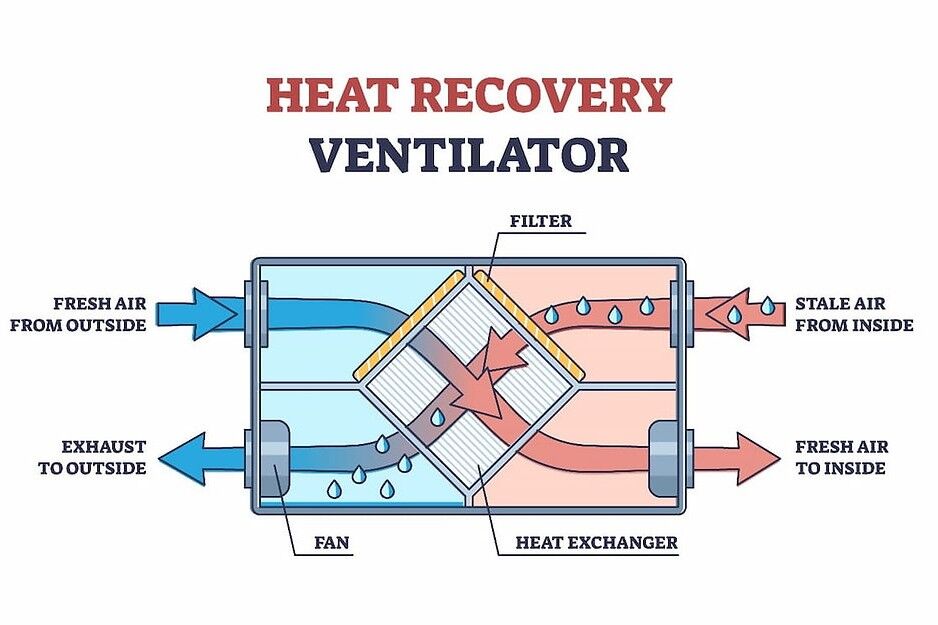
At the heart of an HRV is the heat exchange core. This is where the magic happens—heat from outgoing air transfers to incoming air without mixing the two air streams. Along with the core, you’ll find:
- Two fans: one pushing stale indoor air out and another pulling fresh air in
- Filters to keep dust and pollutants out of your home
- Ductwork connecting the HRV to different rooms
Each component must work smoothly to keep your air clean and energy-efficient.
Airflow Process
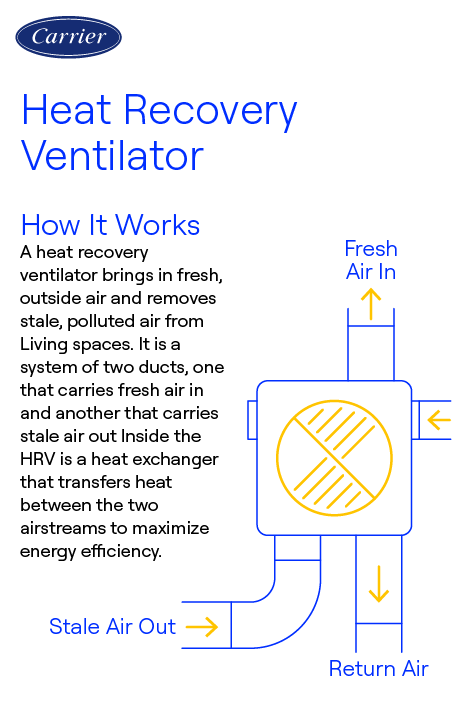
The airflow inside an HRV follows a simple but effective path. First, the fan draws stale air from your home and pushes it through the heat exchange core. At the same time, fresh outdoor air is pulled through the other side of the core.
This keeps air moving continuously, replacing used air with fresh air. The fans operate simultaneously but independently to maintain balanced airflow, preventing pressure issues inside your home.
Heat Exchange Principle
The core’s main job is to transfer heat from the outgoing air to the incoming air. If you’re heating your home, warm indoor air warms up the cooler fresh air without mixing the two. This means you save on heating bills because the fresh air doesn’t enter at cold outdoor temperatures.
In summer, the process can reverse—cool indoor air helps reduce the heat of incoming warm air, easing the load on air conditioning. This principle of heat exchange makes the HRV both eco-friendly and cost-effective.

Credit: en.wikipedia.org
Energy Efficiency Benefits
Energy efficiency is at the core of how a Heat Recovery Ventilator (HRV) benefits your home. This system cleverly balances fresh air intake with heat retention, helping you save money and reduce waste. Understanding these benefits can change the way you think about home ventilation.
Reducing Heating And Cooling Costs
HRVs capture heat from the stale air leaving your home and transfer it to the incoming fresh air. This process means your heating system doesn’t have to work as hard to warm up the fresh air during winter.
In summer, the system can help retain cooler indoor temperatures by exchanging heat in reverse. Many homeowners notice a drop in their energy bills because less power is needed to maintain comfortable indoor temperatures.
Maintaining Indoor Air Quality
Good air quality often comes at a cost, but HRVs provide fresh air without wasting energy. They continuously replace stale, humid air with filtered fresh air while keeping the temperature stable.
This balance prevents issues like mold growth and indoor pollutants, making your home healthier without increasing your heating or cooling demand. How much value do you place on breathing cleaner air every day?
Lowering Environmental Impact
Using an HRV reduces the energy your home consumes for heating and cooling, leading to fewer greenhouse gas emissions. It’s a simple way to shrink your carbon footprint without drastic lifestyle changes.
Many people find that small adjustments like installing an HRV align with their goals for environmental responsibility. What if saving energy could also mean making your home more comfortable?
Installation And Operation
Installing and operating a heat recovery ventilator (HRV) requires careful planning. Proper setup ensures it works efficiently and improves indoor air quality. Understanding placement, system integration, and maintenance helps keep the HRV running smoothly.
Placement Considerations
Choose a central location for the HRV unit. Basements, utility rooms, or mechanical closets are common spots. Avoid placing it near heat sources or areas with high humidity. The unit should have easy access for filter changes and inspections. Ensure there is enough space around it for airflow and maintenance.
Integration With Hvac Systems
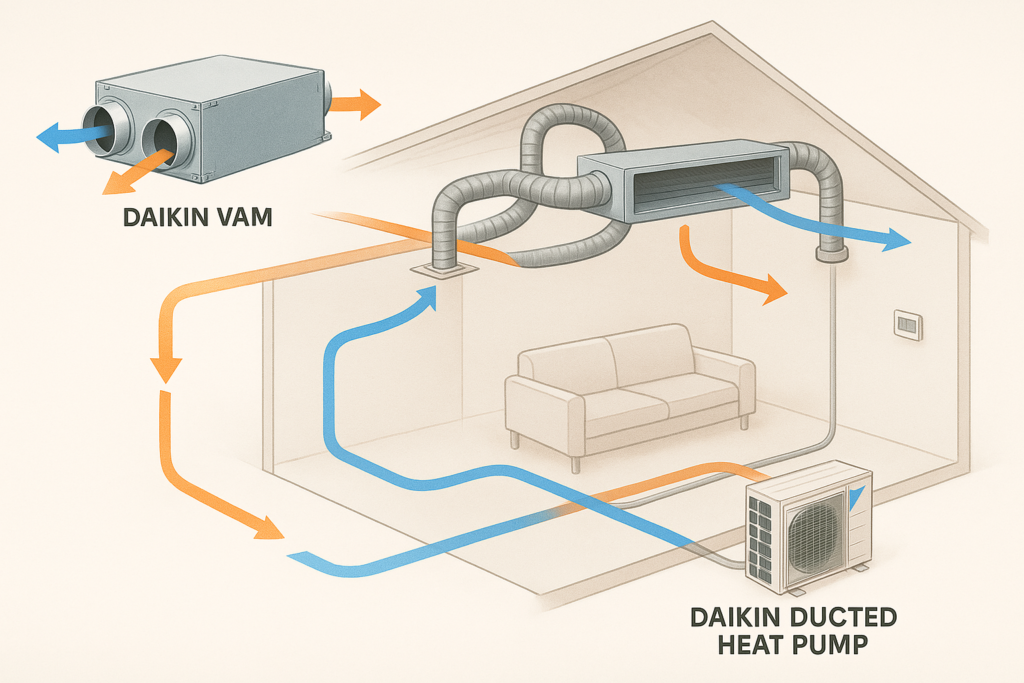
HRVs work best when connected to your home’s HVAC system. They exchange stale indoor air with fresh outdoor air while saving energy. The HRV connects to ductwork to distribute air evenly. Make sure the system uses properly sealed ducts to prevent leaks. The HRV fan speed can adjust to match your HVAC settings, improving comfort and efficiency.
Maintenance Tips
Regular maintenance keeps the HRV effective and extends its life. Clean or replace filters every 3 to 6 months. Check the heat exchanger core for dust buildup and clean it once a year. Inspect the intake and exhaust vents to remove debris or blockages. Test the system’s operation seasonally to ensure it runs smoothly.
Credit: www.carrier.com
Comparing Ventilation Options
Choosing the right ventilation system affects indoor air quality and energy use. Different systems offer unique benefits and challenges. Understanding these options helps make a better choice for your home or office.
Heat Recovery Vs. Energy Recovery
Heat Recovery Ventilators (HRVs) transfer heat between incoming and outgoing air. They keep indoor air fresh without losing warmth.
Energy Recovery Ventilators (ERVs) do the same but also transfer moisture. This helps balance indoor humidity, especially in humid climates.
- HRVs are best for cold, dry climates.
- ERVs work well in warm, humid areas.
- Both improve air quality and save energy.
Hrv Vs. Traditional Ventilation
Traditional ventilation uses fans to exchange indoor and outdoor air. It often wastes energy because warm or cool air escapes.
HRVs recover heat from outgoing air, reducing energy loss. This lowers heating and cooling costs.
- Traditional systems are simpler but less efficient.
- HRVs offer better energy savings and comfort.
- HRVs reduce drafts and maintain steady temperatures.
Cost Vs. Savings Analysis
HRVs cost more upfront than traditional fans. Installation requires more work and investment.
Energy savings from HRVs lower heating and cooling bills over time. This helps recover the initial cost.
| Aspect | Traditional Ventilation | HRV |
|---|---|---|
| Initial Cost | Low | High |
| Energy Savings | None | High |
| Maintenance | Low | Moderate |
| Comfort | Moderate | High |
Consider climate, budget, and comfort needs before choosing a system.
Common Issues And Solutions
Heat Recovery Ventilators (HRVs) bring fresh air into your home. They help maintain indoor air quality. Yet, they face common issues like noise, airflow problems, and filter wear. Understanding these issues and knowing their solutions ensures optimal performance.
Noise And Airflow Problems
HRVs might make unusual noises. This could be due to loose components or dirt buildup. Regular maintenance checks can prevent this. Tighten loose parts and clean dust from the unit. Airflow issues often arise from blockages. Ensure that vents and ducts are clear of obstructions.
Filter Replacement
Filters trap dust and pollutants. Over time, they get clogged. Replace them regularly to keep air clean. Check the manufacturer’s guide for replacement frequency. A clean filter improves system efficiency and indoor air quality.
System Troubleshooting
Sometimes, the HRV might not work correctly. Check the power supply first. Ensure the unit is plugged in and the circuit breaker is on. Inspect the control settings if the unit isn’t responding. Resetting the system can resolve minor glitches.
Credit: blizzard.co.nz
Future Trends In Ventilation
The future of ventilation systems is evolving rapidly, especially in heat recovery ventilators (HRVs). These advances aim to make your indoor air quality better while saving energy and simplifying control. Understanding what’s coming can help you make smarter choices for your home or workplace.
Smart Controls And Automation
Imagine your HRV adjusting itself based on the air quality and humidity levels inside your home. Smart controls use sensors and apps to monitor conditions and automatically optimize airflow. This means you don’t have to guess when to turn the system on or off—your HRV does it for you.
These systems can also learn your habits and adjust settings to save energy while keeping your space comfortable. Have you ever thought about how much time you spend managing your home’s ventilation? Smart automation could free up that time for other things.
Improved Energy Recovery Materials
The materials used inside HRVs are getting better at capturing heat and moisture from outgoing air. New designs use advanced polymers and membranes that transfer heat more efficiently without adding bulk. This means your system can recover more energy even in extreme weather conditions.
These improved materials also resist mold and corrosion, extending the lifespan of your ventilator. When was the last time you checked or replaced parts in your ventilation system? Upgrading to models with these materials could save you maintenance headaches.
Integration With Renewable Energy
More HRVs are being designed to work seamlessly with renewable energy sources like solar panels. This integration allows your ventilation system to run on clean energy, reducing your carbon footprint. Imagine your home’s fresh air being powered by the sun—how much more sustainable would that be?
Some systems even store excess energy to keep ventilation running during cloudy days or at night. If you’re looking to lower energy bills while improving air quality, combining HRVs with renewables is a smart move to consider.
Frequently Asked Questions
What Is The Main Function Of A Heat Recovery Ventilator?
A heat recovery ventilator exchanges stale indoor air with fresh outdoor air. It recovers heat from outgoing air. This process saves energy while improving indoor air quality and ventilation efficiency.
How Does A Heat Recovery Ventilator Save Energy?
It transfers heat between incoming and outgoing air streams. This minimizes heat loss in winter and reduces cooling needs in summer. As a result, HVAC energy consumption decreases significantly.
Can A Heat Recovery Ventilator Improve Indoor Air Quality?
Yes, it continuously replaces stale indoor air with fresh outdoor air. It also filters pollutants and controls humidity. This creates a healthier and more comfortable indoor environment.
Is A Heat Recovery Ventilator Suitable For All Climates?
Heat recovery ventilators work best in cold and moderate climates. They efficiently recover heat during cold weather. In hot, humid climates, energy recovery ventilators may be more effective.
Conclusion
A heat recovery ventilator helps keep your home fresh and warm. It brings in clean air while saving energy. This system moves heat from stale air to fresh air. It reduces heating and cooling costs. It also improves indoor air quality.
Installing one can make your home healthier and more comfortable. Understanding how it works helps you make smart choices. Good air circulation matters for your family’s health. A heat recovery ventilator offers simple, efficient ventilation. It’s a smart step for better living spaces.



