

If you or a loved one ever face the need for a ventilator, you probably have many questions. One of the most important is: how long can someone be on a ventilator?
Understanding this can ease your worries and help you prepare for what lies ahead. You’ll discover the factors that affect ventilator use, what to expect during the process, and how recovery works. Keep reading to get clear, straightforward answers that matter to you and your family.
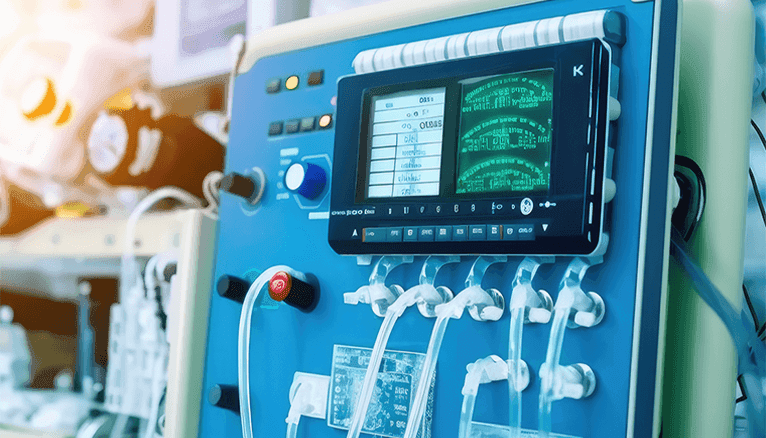
Credit: www.apexhospitals.com
Ventilator Basics
Understanding the basics of ventilators is key if you or a loved one faces the possibility of needing one. Ventilators are complex machines, but the core idea behind them is straightforward—they help people breathe when their own lungs can’t do the job effectively. Let’s break down what a ventilator is and when it becomes necessary to use one, so you can feel more informed and confident about this critical medical support.
What Is A Ventilator?
A ventilator is a machine designed to assist or take over the breathing process for someone who cannot breathe well on their own. It pushes air, often enriched with oxygen, into the lungs through a tube inserted into the windpipe. This support can be life-saving when lung function is severely compromised.
Think of it as a mechanical breath that ensures oxygen keeps flowing to your body’s organs. The machine can be adjusted to deliver breaths at specific rates and volumes, matching the patient’s needs precisely. This flexibility is vital because every person’s breathing problem is unique.
When Is Ventilator Support Needed?
Ventilator support becomes necessary when your lungs cannot provide enough oxygen or remove carbon dioxide efficiently. This might happen during severe respiratory illnesses, such as pneumonia or COVID-19, or after major surgery when anesthesia affects breathing.
People with chronic lung diseases like COPD or acute injuries like trauma may also require a ventilator temporarily. You might wonder how long someone can stay on a ventilator—this varies widely based on the underlying condition and how well the lungs recover.
For example, a patient with acute respiratory distress syndrome (ARDS) might need ventilation for days or weeks, while others might only require it for a few hours after surgery. Understanding these scenarios can help you prepare emotionally and practically for what lies ahead.
Duration Factors
The time a person spends on a ventilator varies widely. Many factors influence how long the support is needed. Understanding these factors helps explain why some patients recover faster than others.
Several key elements affect the duration on a ventilator. These include the patient’s health, the type of illness or injury, and their age and overall strength.
Patient’s Health Condition
The overall health of a patient plays a big role. People with chronic illnesses or weak immune systems may need longer ventilation. Healthy individuals often recover faster and require less time on breathing support.
Type Of Illness Or Injury
Different illnesses cause different breathing problems. Severe infections like pneumonia or COVID-19 may require extended ventilation. Trauma or surgery on the chest or lungs can also extend the time on a ventilator.
Age And Overall Strength
Older patients usually take longer to recover. Their bodies heal slower and may not respond well to treatment. Young and strong patients often breathe independently sooner, reducing ventilator time.
Typical Ventilation Periods
Typical ventilation periods vary depending on the patient’s condition and recovery progress. Some patients need breathing support for only a short time. Others require ventilation for days or weeks. A few depend on ventilators for months or longer. Understanding these periods helps families and caregivers prepare for what lies ahead.
Short-term Use
Short-term ventilation usually lasts from a few hours to several days. It supports patients during surgery or sudden illness. Most patients recover quickly and breathe on their own soon. This type helps in emergencies and minor lung problems.
Extended Ventilation
Extended ventilation lasts from weeks to a few months. Patients with serious lung infections or injuries may need this support. Doctors monitor progress and adjust the ventilator as needed. The goal is to wean patients off the machine gradually.
Chronic Ventilator Dependence
Some patients rely on ventilators for months or years. This is common in severe lung diseases or nerve damage. Chronic dependence requires special care at home or in nursing facilities. Families often receive training to help manage daily needs.
Risks Of Prolonged Ventilation
Being on a ventilator can be a lifesaving measure, but staying on one for a long time carries several risks. It’s important to understand these dangers so you can make informed decisions if you or a loved one ever face prolonged ventilation. Knowing what to watch for can also help you advocate for better care.
Lung Complications
Extended use of a ventilator can cause lung damage. The machine pushes air into your lungs, which can sometimes overinflate them or cause irritation. This may lead to conditions like ventilator-associated lung injury or even chronic lung problems.
Have you ever wondered how the pressure from a machine could affect such a delicate organ? It’s a fine balance between helping your breathing and protecting your lungs from harm.
Muscle Weakness
Your breathing muscles, especially the diaphragm, can weaken if the ventilator does most of the work for too long. This weakness can make it harder to breathe independently once the ventilator is removed.
Think about it like this: if you stop using a muscle, it loses strength. So, the longer you rely on the machine, the more difficult recovery can become.
Infections And Other Issues
Being on a ventilator increases the risk of infections, especially pneumonia. The tube that helps you breathe can allow germs to enter your lungs more easily.
Besides infections, patients may face other problems like blood clots, pressure sores, or delirium due to prolonged immobility and sedation. These complications can slow down recovery and make the overall experience more challenging.
What steps would you take to reduce these risks if you or a loved one needed ventilation for a long time? Understanding these dangers can guide better care decisions.
Weaning Off The Ventilator
The time someone stays on a ventilator varies widely based on health and recovery speed. Weaning off involves gradually reducing support until breathing independently is possible. Medical teams carefully monitor progress to ensure safe removal of the ventilator.
Weaning off a ventilator is a crucial step in recovery. It involves gradually reducing reliance on the machine. This process allows the patient’s body to adjust to breathing independently again. The goal is to ensure the patient can maintain adequate breathing without assistance.Signs Of Readiness
Several signs indicate a patient might be ready to wean off. Improvement in the underlying condition is a key factor. Stable vital signs also suggest readiness. Adequate oxygen levels without the ventilator’s help are essential. A patient’s ability to cough effectively is important too. Mental alertness and responsiveness play a role in readiness.Weaning Techniques
Different techniques help in the weaning process. One common method is the spontaneous breathing trial. This trial assesses the patient’s ability to breathe on their own. Pressure support ventilation is another technique used. It reduces the breathing effort required by the patient. T-piece trials can also be effective. They allow short periods of breathing without ventilator support.Challenges In Weaning
Weaning off the ventilator can present challenges. Patients may experience anxiety during the process. Physical deconditioning can slow down weaning progress. Respiratory muscle weakness is another hurdle. Infections can complicate and prolong weaning efforts. Monitoring and support are critical to overcoming these challenges.
Credit: www.goodrx.com
Support And Care
Support and care play a crucial role in the journey of someone on a ventilator. It’s not just about the machines and medicine but the people around the patient who make a significant difference. Understanding the dynamics of this support system can give you a clearer picture of what to expect and how to cope.
Role Of Healthcare Team
The healthcare team is at the heart of ventilator care. Nurses, respiratory therapists, doctors, and specialists work together to monitor the patient’s condition closely. They adjust the ventilator settings, manage medications, and watch for complications.
Each member has a specific role but shares the same goal: to help the patient breathe independently again. You might find it helpful to ask the team questions regularly—they can explain what’s happening and how the care plan might change day by day.
Family Involvement
Your presence as a family member can be a powerful form of support. Families often provide comfort through simple actions like talking, holding hands, or playing familiar music. These moments can ease anxiety for both the patient and loved ones.
Family members also help communicate the patient’s needs and preferences to the medical team. Have you thought about how you can stay involved even during difficult times? Sometimes, just being there and showing care can change the course of recovery.
Psychological Impact
Being on a ventilator can be frightening and isolating. Patients may experience anxiety, confusion, or depression due to limited communication and physical discomfort. Recognizing these feelings is important for both the patient and their support network.
Healthcare providers often include mental health support as part of the care plan. You can encourage open conversations about emotions and seek counseling if needed. How can you help someone regain hope and strength when the physical battle feels overwhelming?

Credit: www.agapehospicepc.org
Frequently Asked Questions
How Long Can A Patient Stay On A Ventilator?
Patients can stay on a ventilator from days to weeks. Duration depends on the illness severity and lung recovery. Doctors monitor progress daily to decide when to wean off ventilation safely.
What Factors Affect Ventilator Duration?
Factors include the underlying illness, lung function, age, and overall health. Complications like infections or organ failure can extend ventilator use. Timely treatment and rehabilitation improve chances of earlier removal.
Can Long-term Ventilator Use Cause Complications?
Yes, prolonged use may lead to lung damage, infections, or muscle weakness. Careful monitoring and preventive measures help reduce these risks. Early physical therapy also supports recovery.
How Is Ventilator Weaning Determined?
Weaning depends on improved lung function and patient stability. Doctors gradually reduce ventilator support while assessing breathing ability. Successful weaning means the patient can breathe independently without distress.
Conclusion
Ventilator support time varies for each person’s health condition. Doctors monitor patients closely to decide when to reduce help. Staying on a ventilator can be short or long, depending on recovery speed. It can save lives but also carries risks.
Families should stay informed and ask questions often. Understanding ventilator use helps manage expectations and reduce worry. Always trust medical advice tailored to individual needs.



