
When it comes to keeping a building safe during a fire, vertical ventilation can make all the difference. But what exactly do you need to make it work effectively?
If you’re involved in firefighting or building safety, understanding the key elements of vertical ventilation is crucial for saving lives and property. You’ll discover the must-have tools, techniques, and conditions that ensure vertical ventilation does its job right. Keep reading, because knowing these details could be the difference between control and chaos in an emergency.
Credit: itsairborne.com
Basics Of Vertical Ventilation
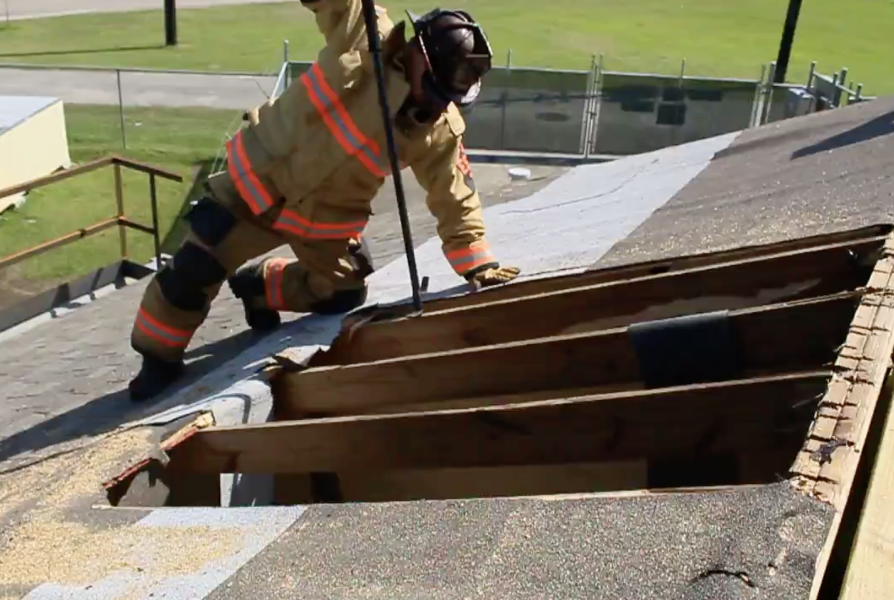
Vertical ventilation is a critical fire service tactic that involves creating openings in a building’s roof. This allows hot smoke, gases, and heat to escape upward. Understanding the basics of vertical ventilation helps firefighters improve safety and control during fire incidents. Proper use of this technique reduces heat buildup and improves visibility inside the structure.
Purpose And Benefits
- Removes smoke and heat quickly from the building
- Improves air quality for firefighters inside
- Reduces the risk of flashover and backdraft
- Enhances visibility to locate victims and fire sources
- Helps control fire spread by releasing pressure
Common Applications
- Fires in residential and commercial buildings
- Warehouse and large open space fires
- Situations where interior ventilation is limited
- Fire incidents needing quick heat and smoke removal
- Operations requiring improved firefighter entry and exit
Structural Requirements
Effective vertical ventilation depends heavily on the structural setup of the building. Without the right framework, your efforts to release heat and smoke through the roof can fall flat or even become dangerous. Understanding the key structural requirements ensures you can plan and execute vertical ventilation safely and efficiently.
Roof Composition
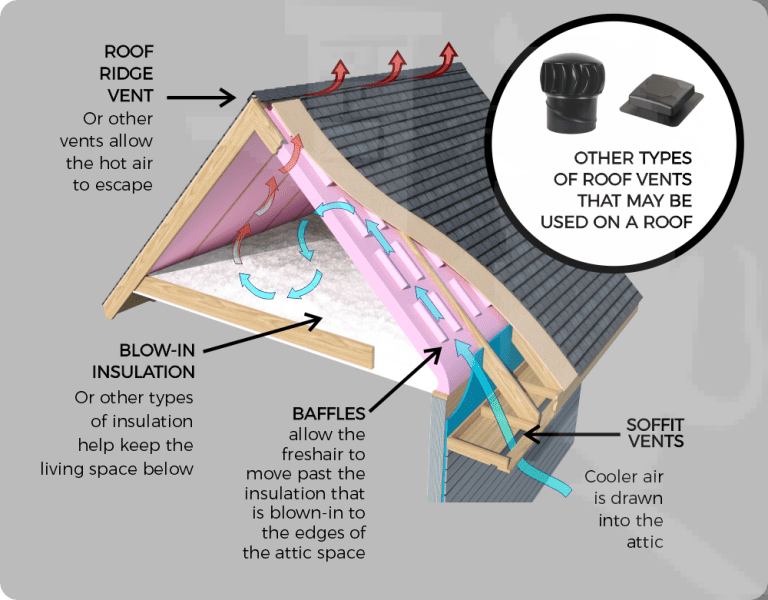
The type of roof material greatly influences how you approach vertical ventilation. Roofs made of wood or lightweight materials may require extra caution to avoid causing unintended damage. On the other hand, metal or concrete roofs might need specialized tools to create an opening quickly.
Think about the layers beneath the surface too. Multiple layers of roofing or insulation can slow down ventilation and increase the effort needed to cut through. Do you know what materials make up your roof before making the first cut?
Access Points
Getting to the roof safely is crucial for effective ventilation. You need clear and secure access points like ladders, stairwells, or roof hatches. Without these, your team risks injury or delays that can worsen fire conditions.
Access points should be checked regularly to ensure they are free from obstacles and in good condition. Consider how quickly you can reach these points in an emergency—speed can save lives.
Support Systems
The roof must be able to support the weight of firefighters and their equipment during ventilation. Weak support systems can lead to dangerous collapses, putting everyone at risk. Always evaluate the roof’s structural integrity before stepping onto it.
Look for signs of wear, water damage, or previous repairs that might affect strength. Installing temporary support or reinforcement might be necessary in some situations. How confident are you that the roof can hold up under pressure?
Tools And Equipment
Effective vertical ventilation relies heavily on having the right tools and equipment at your disposal. Without proper gear, the job can become dangerous, slow, and less efficient. Your safety and the success of the operation depend on choosing the right tools and knowing how to use them well.
Cutting Tools
Choosing the right cutting tool is crucial for quick, clean openings in roofs or ceilings. Tools like chainsaws, rotary saws, and axes are common, but each has its specific advantages and limitations.
Chainsaws offer speed but require skill to control safely on sloped surfaces. Rotary saws provide precision, especially with metal or thick materials. Axes might seem old-fashioned, but they are reliable when electricity or fuel is unavailable.
Have you ever struggled with a dull blade during an emergency? Keeping blades sharp and tools well-maintained can make all the difference in how fast you create ventilation openings.
Safety Gear
Protecting yourself is not optional; it’s essential. You need helmets, gloves, eye protection, and hearing protection to shield against falling debris, flying sparks, and loud noises.
Don’t forget about respiratory masks, especially when working with smoke or dust. Fire-resistant clothing adds another layer of safety, helping prevent burns and heat injuries.
Are you confident your gear fits properly and is in good condition? Ill-fitting or damaged safety equipment can slow you down or cause injuries, turning a controlled task into a hazard.
Ventilation Fans
Ventilation fans help move smoke and heat out of a structure quickly, improving visibility and reducing the risk of flashover. Portable positive pressure fans are popular because they are easy to position and powerful enough to clear large areas.
Battery-operated fans offer mobility when power sources are limited. It’s important to match fan size and power to the size of the space and intensity of the fire.
Have you tested your fans under real conditions? Knowing how your equipment performs in tough environments can guide your choices and help you work faster and safer.

Credit: cedarroofing.com
Team Coordination
Team coordination is crucial for effective vertical ventilation. It ensures safety and efficiency during operations. Each team member must understand their role clearly. Timing and precision depend on smooth teamwork. Proper coordination reduces risks and speeds up the ventilation process.
Roles And Responsibilities
Every firefighter has a specific task during vertical ventilation. One team cuts the roof opening safely. Another controls tools and equipment. A lookout monitors the roof’s stability. A safety officer oversees the entire operation. Clear roles prevent confusion and overlap. This structure keeps the team focused and safe.
Communication Methods
Good communication keeps the team connected. Radios are the most common tool. Hand signals help when noise is too loud. Short, clear messages avoid misunderstandings. Teams often use code words for urgent alerts. Regular check-ins confirm everyone’s status. Effective communication leads to faster, safer ventilation.
Environmental Factors
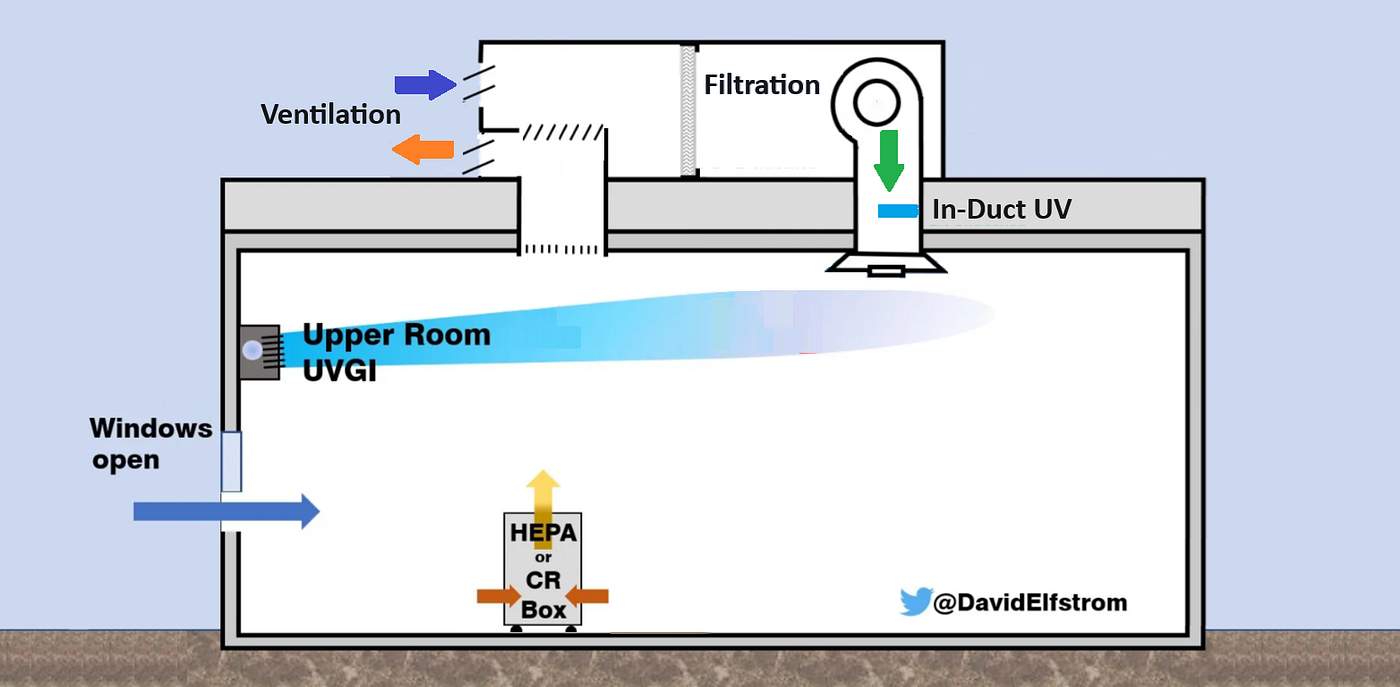
Effective vertical ventilation requires understanding environmental factors like wind direction, building structure, and smoke behavior. These elements influence airflow, aiding in clearing smoke efficiently. Proper assessment ensures safety and efficiency in emergency situations.
Understanding the environmental factors that influence vertical ventilation can be the difference between a successful operation and a hazardous situation. By paying attention to the weather conditions, wind direction, and smoke behavior, you can enhance the effectiveness of vertical ventilation. Let’s dive into these essential elements to ensure you make informed decisions when it matters most.Weather Conditions
Weather plays a crucial role in how you approach vertical ventilation. Rain or snow can make roof surfaces slippery, posing additional risks. On a clear day, however, sunlight can improve visibility, helping you spot hazards more easily. Temperature affects how quickly heat and smoke dissipate from a structure. Colder weather might keep smoke lower, complicating visibility and breathing conditions. Always factor in the weather to adjust your approach accordingly.Wind Direction
Wind direction is a critical element that can either aid or hinder ventilation efforts. A favorable wind can help clear smoke and heat more effectively. But an unpredictable change in wind direction can push smoke back into the structure, endangering those inside. Make it a habit to check wind direction before starting ventilation. This ensures you position yourself and your team in the safest possible locations. Have you ever considered how a sudden gust could impact your safety plan?Smoke Behavior
Observing smoke behavior provides real-time insights into fire conditions. Fast-moving, dark smoke often indicates a hotter fire, while slower, lighter smoke might suggest a less intense situation. Understanding this can guide your decisions on where and how to ventilate. Remember, smoke can be deceptive. It might appear to be moving in one direction but quickly change course due to structural factors. Stay alert and adapt your strategy based on these changes. By considering these environmental factors, you empower yourself to make more effective and safer decisions during vertical ventilation operations. How do you adapt to these dynamic conditions in your practice?Safety Measures
Safety is the top priority in vertical ventilation. It protects firefighters and helps the operation succeed. Without proper safety measures, risks increase, and lives may be in danger. Following clear safety steps reduces hazards and keeps everyone safe during ventilation.
Risk Assessment
Assess the scene before starting vertical ventilation. Identify possible dangers like roof collapse or fire spread. Check wind direction and building stability. Make a quick plan based on these risks. Communicate hazards clearly to the team. Continuous risk monitoring is essential as conditions change.
Personal Protective Equipment
Wear full protective gear to prevent injuries. This includes helmets, gloves, boots, and fire-resistant clothing. Use eye and face protection to shield against smoke and debris. Respirators or masks protect lungs from harmful gases. Ensure all equipment fits well and is in good condition.
Emergency Procedures
Have clear emergency plans ready before starting work. Know escape routes and safe zones around the building. Keep communication tools handy to call for help quickly. Train all team members on what to do in case of sudden danger. Regular drills improve readiness and response times.
Techniques For Effective Ventilation
Effective vertical ventilation demands more than just cutting a hole in the roof. It requires precise techniques that control airflow and enhance safety for everyone involved. Understanding these techniques helps you optimize smoke removal and improve visibility during firefighting operations.
Cutting Patterns
Choosing the right cutting pattern is crucial. The most common pattern is the rectangular cut because it creates a large opening for smoke to escape quickly. However, sometimes a triangular or circular cut works better depending on roof materials and structure.
Think about the roof’s pitch and construction before making your cut. A poorly planned cut can weaken the roof or trap smoke inside. Have you ever seen a firefighter struggle because the ventilation hole wasn’t positioned correctly? That’s why practice and knowledge of cutting patterns matter.
Timing And Sequence
Timing is everything during ventilation. If you cut the roof too early, you risk feeding oxygen to the fire, making it worse. Too late, and the smoke buildup can endanger everyone inside.
Coordinate the ventilation with interior attack teams. Open the vertical ventilation point right before or as the fire attack begins to pull smoke out effectively. This teamwork maximizes safety and efficiency. How often do you communicate with your team to synchronize ventilation timing?
Adjusting For Building Types
Every building presents unique challenges for vertical ventilation. A wood-frame house behaves differently than a commercial steel structure. You need to adjust your approach based on the building’s design and materials.
For example, in lightweight truss roofs, cutting too large an opening risks collapse. On brick buildings, roof access might be limited, requiring alternate ventilation methods. Assess the building carefully and adapt your technique to maintain control and safety.
Credit: www.northeast-home.com
Frequently Asked Questions
What Is Vertical Ventilation In Firefighting?
Vertical ventilation is the process of creating openings in a roof to release heat, smoke, and gases. It improves visibility and conditions inside a burning structure, aiding firefighting efforts and increasing safety for occupants and firefighters.
Why Is Roof Integrity Important For Vertical Ventilation?
A strong roof supports firefighter safety during ventilation operations. If the roof is weak or damaged, it risks collapse, endangering lives and reducing ventilation effectiveness. Assessing roof integrity is vital before performing vertical ventilation.
What Tools Are Essential For Effective Vertical Ventilation?
Firefighters need tools like axes, chainsaws, and pike poles to cut roof openings. Proper equipment ensures quick, efficient ventilation, allowing smoke and heat to escape and improving interior conditions during firefighting.
How Does Weather Affect Vertical Ventilation Effectiveness?
Wind direction and speed influence smoke movement during vertical ventilation. Favorable wind helps clear smoke quickly, while adverse weather may spread fire or hinder ventilation. Firefighters must consider weather when planning ventilation tactics.
Conclusion
Effective vertical ventilation needs proper tools and clear planning. Firefighters must cut openings in the right spot. Timing is key to let heat and smoke escape fast. Safety gear and teamwork make the process smooth. Understanding building structure helps avoid dangers.
Good communication keeps everyone informed and safe. These steps help control fire and save lives. Vertical ventilation works best with skill and care. Keep practicing and learning for better results.



