
When it comes to tactical ventilation, every second and every breath matters. You might not realize it, but your HVAC system plays a crucial role in how effectively air moves through a space during critical situations.
Understanding how HVAC systems affect tactical ventilation can give you a clear edge—whether you’re managing a building’s safety, planning emergency responses, or ensuring the well-being of those inside. You’ll discover key insights that can help you optimize airflow, control smoke, and improve overall safety when it counts the most.
Keep reading to unlock the connection between HVAC systems and tactical ventilation that could make all the difference.
Credit: www.lennox.com
Role Of Hvac In Tactical Ventilation
The role of HVAC systems in tactical ventilation is crucial for controlling airflow during emergencies or specific operations. HVAC systems can either support or hinder tactical ventilation efforts depending on how their components interact with ventilation strategies. Understanding this role helps you design or adjust systems to improve safety and efficiency.
Hvac System Components Impacting Airflow
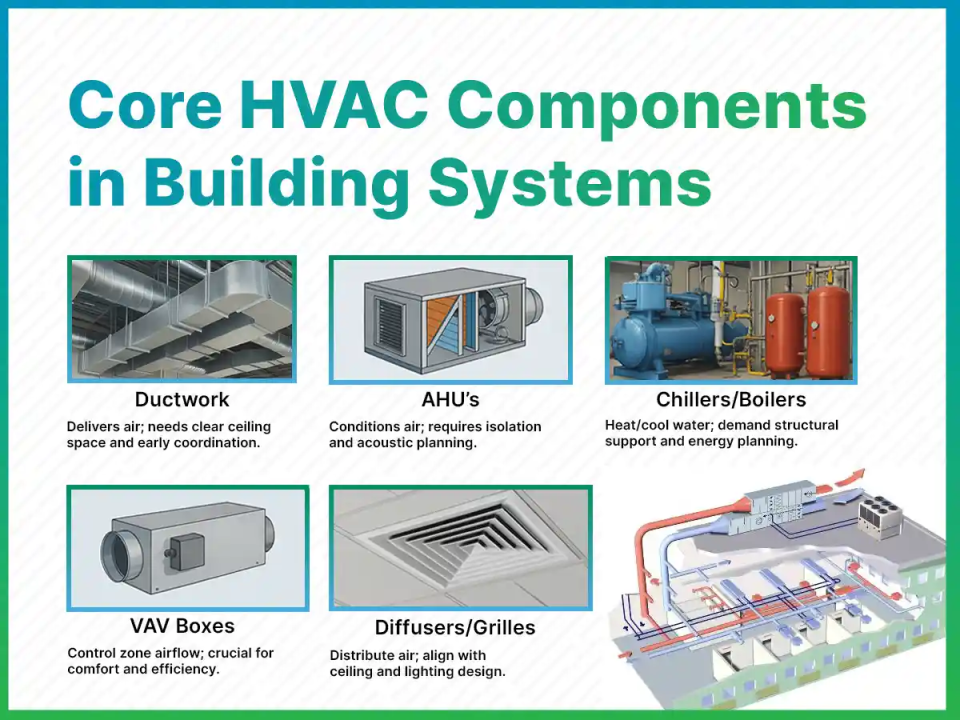
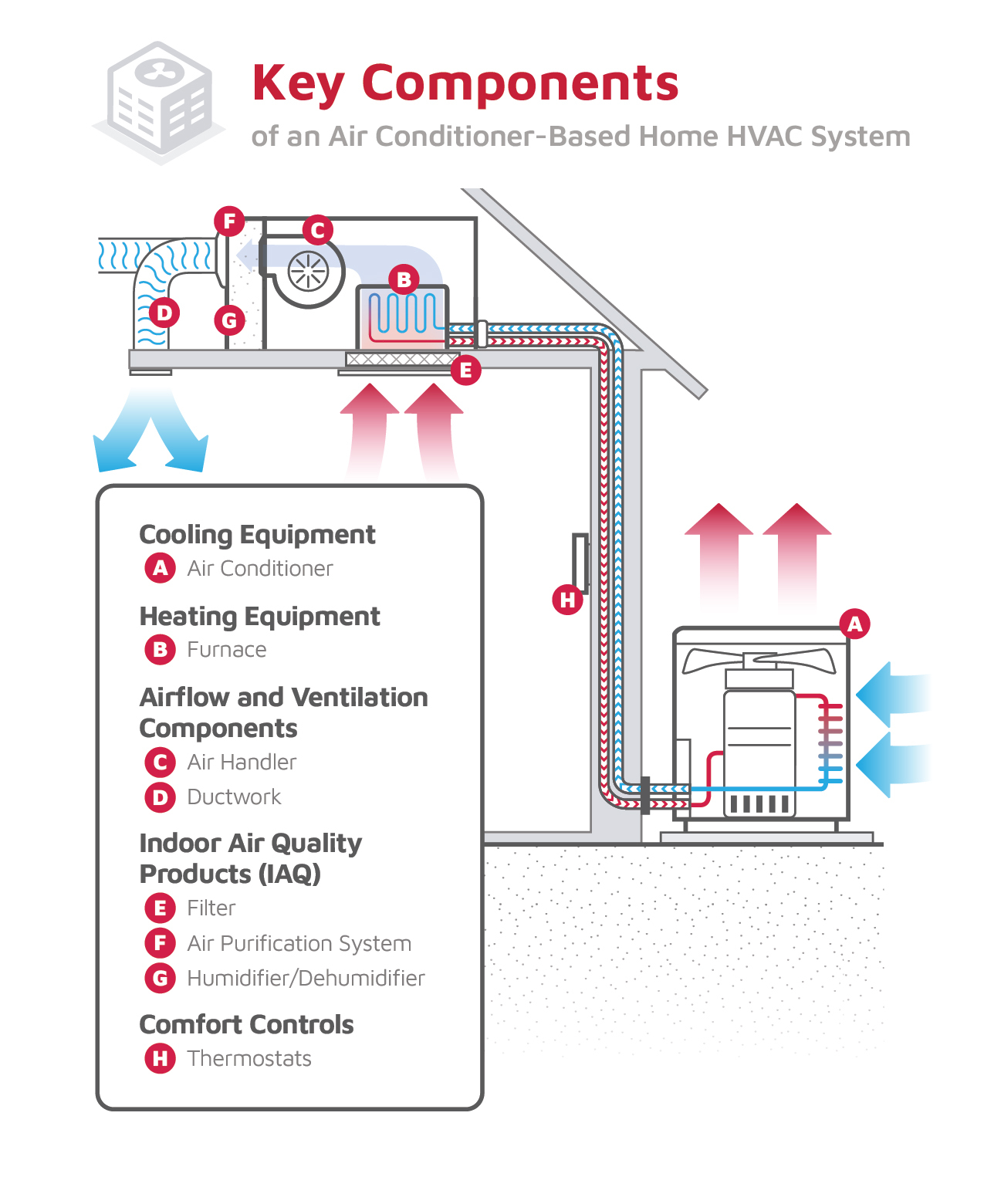
Several HVAC components directly affect how air moves through a building during tactical ventilation:
- Fans and Blowers:These control the volume and direction of airflow. Their speed and placement can either push smoke and contaminants away or trap them inside.
- Dampers:Adjustable dampers regulate airflow between zones. If they fail or are incorrectly set, they can block critical ventilation paths or allow unwanted air mixing.
- Filters:While filters clean the air, clogged or inappropriate filters can reduce airflow, impacting ventilation effectiveness during emergencies.
- Ductwork:The design and condition of ducts influence how quickly and efficiently air moves. Leaks or poor layouts can undermine tactical ventilation goals.
Have you ever noticed how a simple change in a fan’s speed can drastically change smoke movement in a room? That’s the power these components hold.
Integration With Building Ventilation Strategies
HVAC systems don’t work alone; they must align with the building’s overall ventilation plan for tactical success. This means coordinating mechanical ventilation with natural airflow paths and emergency protocols.
Effective integration includes:
- Zone Control:Separating areas into zones allows targeted ventilation, preventing smoke or hazardous air from spreading unnecessarily.
- Pressure Management:Maintaining positive or negative pressure in critical zones can control airflow direction, aiding evacuation or containment.
- Emergency Overrides:Systems should allow quick manual or automatic changes to ventilation during incidents, like increasing exhaust or shutting down air intakes.
Think about how your building reacts during a fire drill. Does the HVAC system help clear smoke quickly, or does it circulate it further? Your answers highlight the importance of integration.
Credit: www.lennox.com
Airflow Dynamics And Control
Airflow dynamics play a key role in tactical ventilation. Controlling airflow ensures safety and efficiency during emergencies. HVAC systems influence how air moves in buildings. Understanding this impact helps manage ventilation better.
Managing Air Pressure Differences
HVAC systems create pressure zones inside a building. These zones affect how air flows between rooms. Proper control of pressure differences can keep dangerous gases out. It also prevents smoke from spreading rapidly. Balancing air pressure supports safe evacuation and firefighter entry.
Influence On Smoke And Contaminant Movement
Airflow patterns guide smoke and contaminants through spaces. HVAC fans can push smoke toward escape routes or away from them. Effective ventilation uses airflow to clear smoke quickly. Poor control may trap smoke or spread it further. Adjusting HVAC settings helps direct contaminants where they cause less harm.
System Design Considerations
System design plays a crucial role in how HVAC systems influence tactical ventilation. The goal is to create a setup that supports quick, effective airflow control while maintaining air quality and energy efficiency. Every choice you make in the design process impacts how well the system performs under real-world conditions.
Balancing Hvac Efficiency And Ventilation Needs
Striking the right balance between HVAC efficiency and ventilation is challenging. You want to save energy, but cutting corners on ventilation can compromise safety and response times. For tactical situations, ventilation must be fast and adaptable, sometimes requiring higher airflow rates than usual.
Have you ever noticed how a building’s HVAC feels sluggish during an emergency? This often happens because the system prioritizes efficiency over rapid air exchange. Designing with flexible controls and variable speed fans can help you adjust airflow quickly without wasting energy during normal operations.
- Use demand-controlled ventilation to adjust airflow based on real-time needs.
- Incorporate zoning controls to isolate areas and direct ventilation where it’s most needed.
- Choose equipment that can handle quick changes in air pressure and volume.
Material And Equipment Choices Affecting Performance
The materials and equipment you select directly affect how well your HVAC system supports tactical ventilation. Duct materials, filters, and dampers all influence airflow resistance and durability under stress.
For example, rigid metal ducts offer less resistance and are easier to clean than flexible ducts, which can sag and trap contaminants. Similarly, high-efficiency filters improve air quality but may require stronger fans to maintain airflow.
| Component | Impact on Tactical Ventilation | Consideration |
|---|---|---|
| Duct Material | Airflow resistance and durability | Choose rigid metal ducts for better performance |
| Filters | Air quality vs. airflow pressure drop | Balance filter efficiency with fan capacity |
| Dampers | Control and direct airflow | Use motorized dampers for quick response |
Ask yourself: Are your current materials and equipment capable of handling sudden ventilation demands? Testing your system under stress can reveal hidden weaknesses before they become critical in an emergency.

Credit: itsairborne.com
Challenges In Tactical Scenarios
Tactical ventilation requires quick and efficient airflow control in dangerous environments. HVAC systems play a key role but face many challenges during operations. These challenges can affect the safety and effectiveness of ventilation tactics.
Understanding these challenges helps improve planning and response. It also highlights the limits of current HVAC technology in tactical settings.
Rapid Response And System Adaptability
Tactical scenarios change fast. HVAC systems must adjust quickly to new conditions. Slow response times can cause dangerous air quality issues or slow smoke removal.
Systems need to handle:
- Sudden changes in airflow direction
- Variable pressure levels
- Rapid temperature shifts
Flexibility is crucial. Fixed HVAC setups often fail to support dynamic tactical needs. Adaptable controls and sensors improve system response speed.
Dealing With System Failures And Limitations
HVAC failures pose serious risks during tactical missions. Power outages, mechanical breakdowns, or clogged filters can reduce ventilation effectiveness.
Limitations include:
- Restricted airflow capacity
- Inability to filter harmful gases quickly
- Dependence on external power sources
Contingency plans must account for these issues. Backup systems and manual overrides help maintain ventilation under failure conditions.
Technological Innovations
HVAC systems play a key role in tactical ventilation by controlling airflow and air quality in critical spaces. They help remove smoke, heat, and harmful gases, improving safety and visibility during operations. Proper HVAC design ensures efficient and reliable ventilation in emergency situations.
The field of HVAC (Heating, Ventilation, and Air Conditioning) systems has undergone significant advancements in recent years. These innovations have improved the efficiency, effectiveness, and sustainability of HVAC systems, particularly in relation to tactical ventilation. By leveraging cutting-edge technologies, HVAC systems can now provide optimal indoor air quality, energy efficiency, and thermal comfort. Smart Controls for Dynamic Ventilation Smart controls are a crucial aspect of modern HVAC systems. They enable dynamic ventilation, which means adjusting airflow rates based on real-time occupancy, temperature, humidity, and air quality. This approach ensures that the right amount of fresh air is provided to the space, while minimizing energy consumption. Sensors and Monitoring Systems Sensors and monitoring systems play a vital role in optimizing HVAC system performance. They detect changes in indoor air quality, temperature, and humidity, allowing the system to respond accordingly. This real-time monitoring enables predictive maintenance, reducing downtime and extending the lifespan of the system.Case Studies And Real-world Applications
Examining real-world case studies reveals how HVAC systems directly impact tactical ventilation efforts during critical moments. These stories highlight both the successes and setbacks experienced by professionals who rely on HVAC systems to control airflow, maintain safety, and improve operational outcomes. Understanding these examples helps you grasp practical challenges and solutions that can shape your approach to tactical ventilation.
Successful Hvac Integration In Emergency Situations
During a high-rise fire in downtown Chicago, the building’s HVAC system was used to effectively manage smoke movement. The system isolated the fire floor and increased fresh air supply to evacuation routes, allowing firefighters to perform rescues faster and safer. This proactive use of HVAC controls reduced smoke exposure and prevented the fire from spreading to adjacent floors.
Another example comes from a hospital responding to a contagious airborne outbreak. The HVAC system was quickly adjusted to create negative pressure rooms, containing harmful pathogens and protecting patients and staff. This adaptability proved crucial in limiting the spread without shutting down the entire facility.
- Automated dampers redirected airflow away from dangerous zones.
- Real-time monitoring allowed for immediate adjustments during emergencies.
- Coordination between HVAC technicians and emergency teams improved response times.
Have you considered how your HVAC system’s flexibility might influence your next emergency response plan?
Lessons Learned From Ventilation Failures
In contrast, a ventilation failure during a warehouse fire in Texas led to severe consequences. The HVAC system continued recirculating smoke instead of expelling it, causing poor visibility and increased toxic exposure for firefighters. This failure highlighted the importance of integrating fail-safes and manual overrides in HVAC design.
Similarly, a school faced challenges when their HVAC system’s filters were not maintained properly. During a chemical spill, harmful fumes spread rapidly through ventilation ducts, exposing students and staff. This incident underscored the need for regular HVAC maintenance and emergency readiness drills.
- Failure to isolate contaminated air worsened indoor conditions.
- Lack of communication between facility managers and emergency responders delayed critical HVAC adjustments.
- Inadequate training on HVAC emergency functions left personnel unprepared.
What steps are you taking to ensure your HVAC system won’t become a liability during an emergency?
Frequently Asked Questions
How Do Hvac Systems Influence Tactical Ventilation Efficiency?
HVAC systems impact tactical ventilation by controlling airflow and pressure in buildings. Proper HVAC setup ensures smoke and contaminants are directed away, improving safety during emergencies. Poor HVAC design can hinder smoke extraction, affecting visibility and air quality during tactical operations.
Can Hvac Systems Enhance Smoke Control In Tactical Scenarios?
Yes, HVAC systems can enhance smoke control by regulating air exchange rates. They help contain or clear smoke quickly, aiding tactical teams in maintaining clear visibility. Efficient HVAC ventilation reduces toxic exposure, supporting safer and faster emergency responses.
What Hvac Features Improve Tactical Ventilation Outcomes?
Features like variable air volume controls, high-capacity exhaust fans, and filtration improve tactical ventilation. These elements optimize airflow, remove contaminants, and maintain positive pressure zones. Such features ensure better air quality and safer environments during tactical interventions.
Do Hvac Systems Affect Indoor Air Quality During Tactical Events?
HVAC systems directly affect indoor air quality by filtering and circulating air. Good systems reduce harmful particles and maintain breathable air, vital for occupant safety. During tactical events, this supports both responders and occupants by minimizing exposure to dangerous substances.
Conclusion
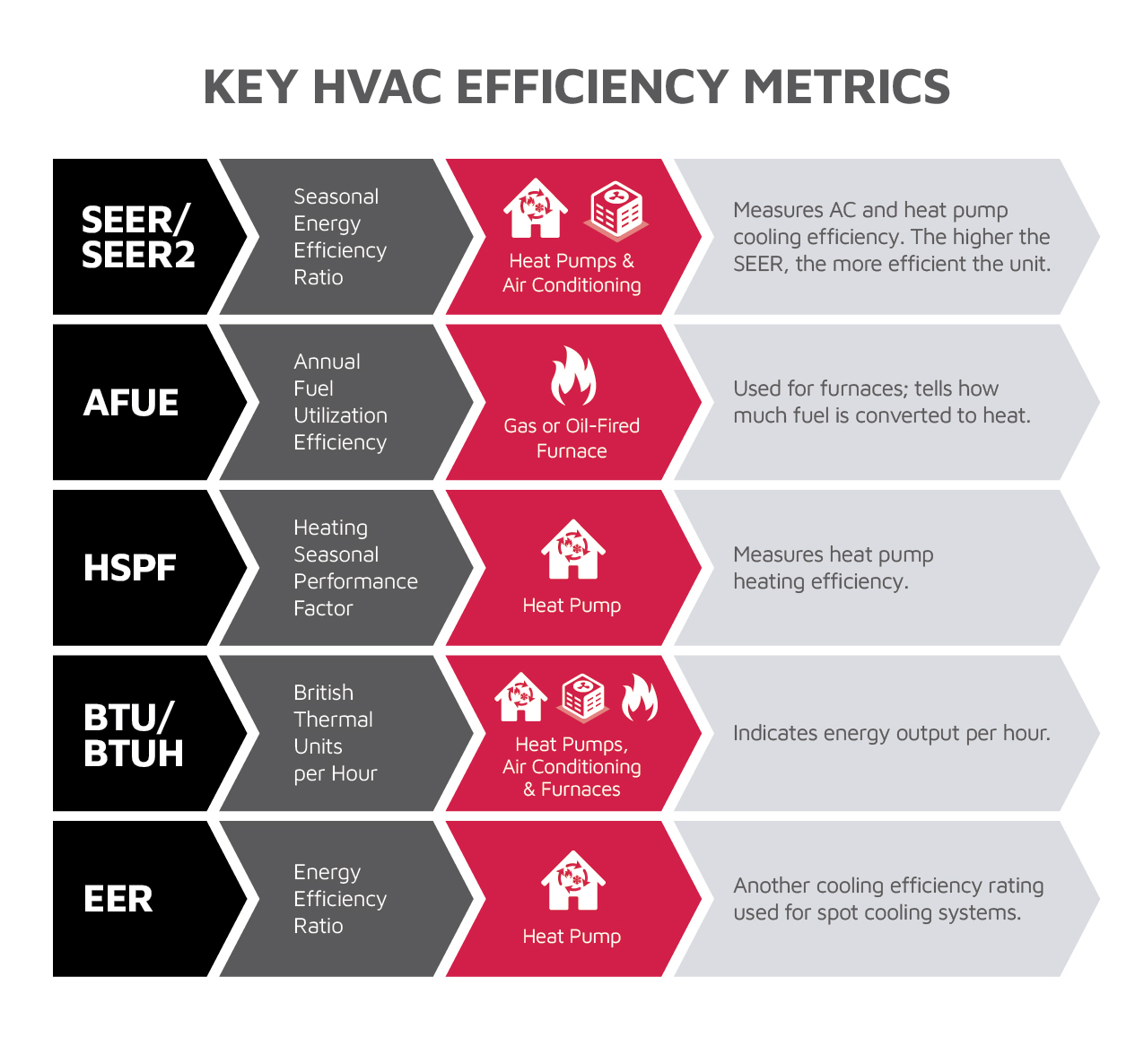
HVAC systems play a key role in tactical ventilation. They help control airflow and remove harmful smoke or gases. Proper HVAC design can improve safety during emergencies. Poor HVAC setups may cause smoke to spread faster. Teams must understand how HVAC affects air movement.
This knowledge helps plan better ventilation strategies. Keeping HVAC systems well-maintained supports effective tactical responses. Clear air means safer conditions for everyone inside. Small changes in HVAC can make a big difference. Always consider HVAC in any ventilation plan.



