
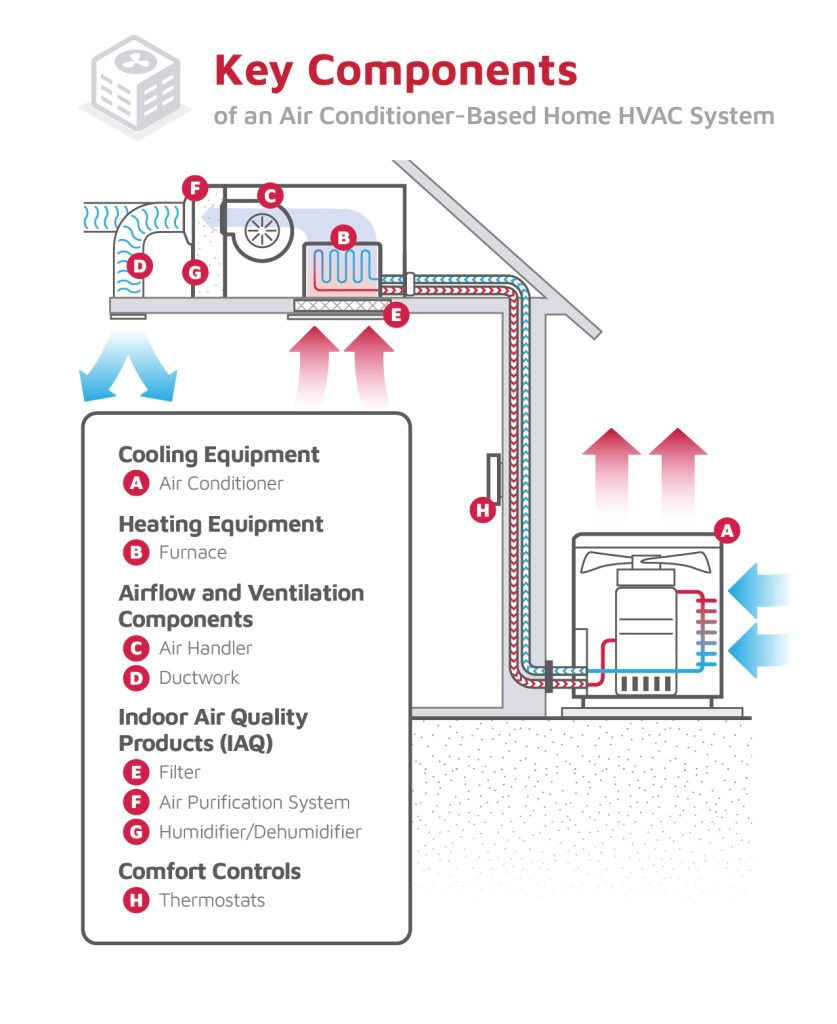
Have you ever wondered how your home stays warm in winter, cool in summer, and always fresh all year round? The secret lies in Heating, Ventilation, and Air Conditioning—often called HVAC.
Understanding what HVAC is can help you make better choices for your comfort and energy bills. You’ll discover exactly how these systems work together to keep your indoor environment just right. Keep reading, and you’ll learn simple tips to improve your comfort and save money.
Basics Of Hvac
Heating, Ventilation, and Air Conditioning (HVAC) systems control indoor climate. They keep buildings warm, cool, and well-ventilated. Understanding the basics helps you appreciate how HVAC improves comfort and air quality. This section breaks down the core parts, the operation, and the common system types.
Core Components
- Heater:Produces warmth for cold days.
- Air Conditioner:Cools the air during hot weather.
- Ventilation:Moves fresh air in and removes stale air.
- Thermostat:Controls temperature by regulating the system.
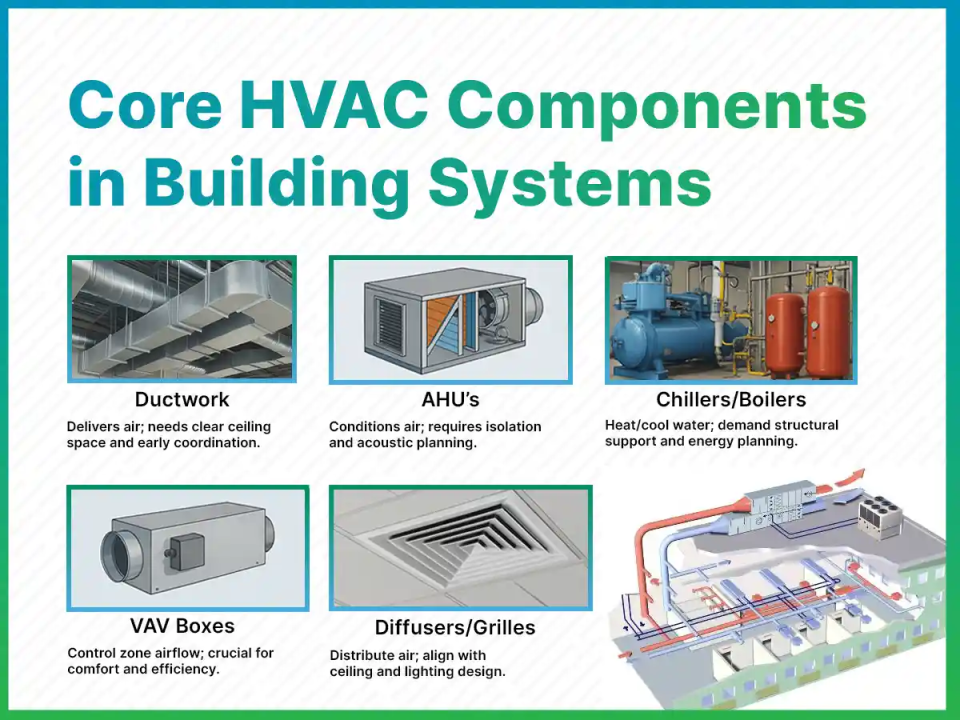
- Ductwork:Channels air throughout the building.
How Hvac Works
HVAC systems take in air from outside or inside. They heat or cool it based on settings. Fans push the treated air through ducts. The air spreads into rooms to adjust temperature and air quality. The thermostat senses room temperature and signals the system to start or stop.
Types Of Hvac Systems
| System Type | Description | Best For |
|---|---|---|
| Split System | Separate indoor and outdoor units for heating and cooling. | Most homes and small buildings. |
| Packaged System | All components in one outdoor unit. | Small commercial spaces. |
| Ductless Mini-Split | No ductwork; air handlers in each room. | Add-ons or rooms without ducts. |
| Central HVAC | Large system serving entire buildings. | Big homes and offices. |
Heating Systems
Heating systems are essential parts of any HVAC setup. They provide warmth and comfort during cold seasons. Different types of heating systems use various methods to generate and distribute heat. Understanding these systems helps in choosing the right one for your home or building.
Furnaces And Boilers
Furnaces heat air and spread it through vents. They usually run on gas, electricity, or oil. Boilers heat water and send steam or hot water through pipes. This heat moves through radiators or underfloor systems. Both are common and effective for home heating.
Heat Pumps
Heat pumps move heat from outside to inside the house. They work like air conditioners but in reverse. Heat pumps use electricity and can also cool spaces. They are energy-efficient and good for mild to moderate climates.
Radiant Heating
Radiant heating warms floors or walls directly. Heat travels through pipes or electric mats under the surface. It creates a cozy, even warmth without blowing air. This system is quiet and reduces dust circulation.
Ventilation Methods
Ventilation plays a crucial role in maintaining a comfortable and healthy indoor environment. It involves the exchange of indoor air with fresh outdoor air to remove pollutants, control humidity, and regulate temperature. Understanding different ventilation methods can help you choose the best approach to improve your indoor air quality effectively.
Natural Ventilation
Natural ventilation uses windows, vents, and other openings to let fresh air in and push stale air out without mechanical help. It relies on wind and temperature differences to move air through your space. You might have noticed how opening windows on opposite sides of a room creates a breeze that cools the area naturally.
While this method saves energy, it depends heavily on weather conditions and building design. Are your windows positioned to maximize airflow? Simple changes like adding vents or adjusting window placement can enhance natural ventilation significantly.
Mechanical Ventilation
Mechanical ventilation uses fans and ducts to control air movement inside buildings. This method gives you more control over air exchange, regardless of outdoor weather. Systems like exhaust fans in bathrooms or whole-house ventilation units help manage airflow efficiently.
Have you ever felt a stuffy room cleared instantly when a fan turned on? That’s mechanical ventilation at work. It can also include heat recovery ventilators that save energy by transferring heat between incoming and outgoing air.
Air Quality Control
Ventilation alone isn’t enough if the air entering your home is polluted. Air quality control involves filtering and treating air to remove dust, allergens, and harmful gases. Devices like air purifiers and HVAC filters play a key role here.
Think about your last allergy attack or how a smoky room felt suffocating. Proper air quality control can prevent these problems. Regularly checking and upgrading filters ensures the air you breathe is clean and healthy.
Air Conditioning
Air conditioning plays a crucial role in controlling the indoor climate of homes and workplaces. It cools the air, removes humidity, and improves air quality, making spaces more comfortable and healthier. Understanding how air conditioning works and the options available can help you make better decisions for your cooling needs.
Cooling Technologies
Air conditioners use different technologies to cool your space. The most common method is the vapor compression cycle, where refrigerant absorbs heat from inside and releases it outside.
Another technology is evaporative cooling, which uses water evaporation to lower air temperature. This works best in dry climates and consumes less energy.
Some newer systems also include heat pumps, which can both cool and heat your home, adding versatility.
Central Vs. Ductless Systems
Central air conditioning systems use ducts to distribute cool air throughout your home. They are ideal for larger spaces and offer consistent cooling but require ductwork installation.
Ductless systems, also called mini-splits, deliver air directly into rooms without ducts. They are easier to install and perfect for homes without existing ductwork or for cooling specific areas.
Choosing between these depends on your home’s layout, budget, and cooling needs. Have you considered which system matches your lifestyle best?
Energy Efficiency Tips
Lower your cooling costs by setting your thermostat a few degrees higher when you’re away. Every degree counts in reducing energy use.
Keep your air filters clean to maintain airflow and system efficiency. Dirty filters make your AC work harder and increase bills.
- Use ceiling fans to circulate air and reduce reliance on air conditioning.
- Seal windows and doors to prevent cool air from escaping.
- Consider upgrading to an ENERGY STAR® certified air conditioner for better efficiency.
How much could you save by making these simple changes in your home?
Hvac Maintenance
Proper HVAC maintenance ensures your system runs efficiently and reliably. Regular care helps extend the lifespan of your heating, ventilation, and air conditioning units. This can also save money on energy bills. Let’s explore the key aspects of HVAC maintenance.
Routine Checks
Regular inspections help catch small issues before they become costly repairs. Conduct routine checks at least twice a year. Look for signs of wear and tear. Check filters, fans, and ducts for dust and debris. Clean or replace filters every few months. This keeps the air quality high and system efficiency optimal.
Common Repairs
Sometimes, HVAC systems need repairs. Common issues include leaking refrigerant, faulty thermostats, and clogged filters. Address these problems quickly to avoid further damage. Hire a professional for complex repairs. They ensure the system is fixed correctly and safely.
When To Upgrade
Older HVAC systems may not perform well. Consider upgrading if your system is over 15 years old. Newer models are more energy-efficient. They offer better performance and lower energy costs. Upgrading can improve comfort and air quality in your home.
Credit: www.tejjy.com
Choosing The Right Hvac System
Choosing the right HVAC system is more than just picking a model that fits your space. It’s about understanding your specific needs, budget, and how the system will impact your environment. Making an informed choice can save you money and keep your home comfortable all year round.
Sizing And Capacity
Getting the right size HVAC system is crucial. A unit that’s too small won’t cool or heat your space effectively, while one that’s too large wastes energy and money.
Think about the square footage of your home, ceiling height, and insulation quality. A professional assessment can help you find a system with the right capacity measured in BTUs (British Thermal Units).
Have you ever felt that your air conditioner or heater just can’t keep up? That’s often a sign of poor sizing.
Cost Considerations
Price isn’t just about the initial cost of the unit. Installation, maintenance, and energy bills all add up over time.
Look for systems with good energy efficiency ratings to lower your monthly expenses. Sometimes spending more upfront means saving thousands later.
Think about your long-term budget. Would you rather pay less now and more later, or invest a bit more for consistent savings?
Environmental Impact
Modern HVAC systems offer eco-friendly options that reduce your carbon footprint. Many use refrigerants with lower global warming potential.
Energy-efficient models use less power, which helps both your wallet and the planet. You can even find units powered by renewable energy sources.
How important is reducing your home’s environmental impact to you? Choosing a greener system could be a step toward a more sustainable lifestyle.
Future Trends In Hvac
The HVAC industry is evolving rapidly. New technologies and ideas shape the future of heating, ventilation, and air conditioning. These trends focus on energy efficiency, comfort, and environmental impact. Understanding these changes helps users and businesses prepare for tomorrow’s HVAC systems.
Smart Hvac Systems
Smart HVAC systems use sensors and internet connectivity. They adjust settings based on occupancy and weather. This saves energy and improves comfort. Users can control systems remotely via smartphones. Data from smart systems helps predict maintenance needs. This reduces breakdowns and repair costs.
Sustainable Technologies
HVAC now includes eco-friendly materials and designs. Systems use renewable energy sources like solar power. Heat pumps replace traditional heating methods to cut emissions. New refrigerants have less impact on the environment. Efficient insulation and ventilation improve overall system performance. These technologies reduce energy use and carbon footprint.
Regulatory Changes
Governments enforce stricter rules for HVAC efficiency. New standards require lower energy consumption. Regulations promote the use of safer refrigerants. Incentives support upgrades to modern HVAC systems. Compliance ensures systems meet environmental and safety goals. Businesses and homeowners must adapt to these rules to avoid penalties.
Credit: www.acwarehouse.com
Credit: www.carrier.com
Frequently Asked Questions
What Does Hvac Stand For In Building Systems?
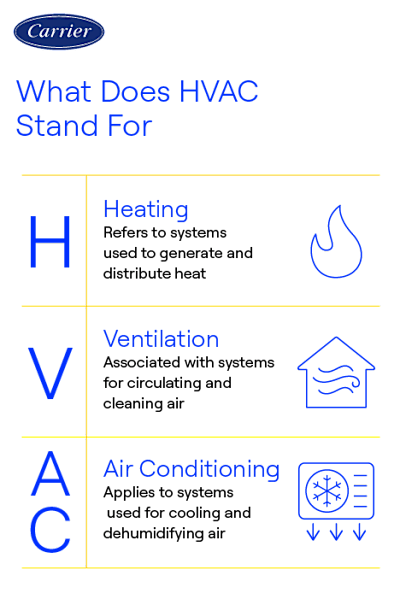
HVAC stands for Heating, Ventilation, and Air Conditioning. It refers to the technology used for indoor climate control. HVAC systems regulate temperature, humidity, and air quality to ensure comfort and safety inside buildings.
How Does A Heating System Work In Hvac?
Heating systems generate warmth by burning fuel or using electricity. The heat is distributed through ducts or radiators. This process maintains a comfortable indoor temperature during cold weather.
Why Is Ventilation Important In Hvac Systems?
Ventilation removes indoor air pollutants and controls humidity. It brings fresh outdoor air inside to improve air quality. Proper ventilation prevents mold growth and enhances occupant health.
What Role Does Air Conditioning Play In Hvac?
Air conditioning cools indoor air by removing heat and moisture. It uses refrigerants and compressors to lower temperatures. This provides comfort during hot weather and maintains air quality.
Conclusion
Heating, Ventilation, and Air Conditioning systems keep indoor spaces comfortable. They control temperature, air quality, and humidity. Proper HVAC use saves energy and lowers bills. Regular maintenance helps systems run smoothly and last longer. Understanding HVAC basics helps you make smart choices.
A good system improves health and comfort at home or work. Simple steps can boost your HVAC efficiency today.



