
Are you worried about the air quality inside your home? Do you want to breathe fresher air while saving energy?
An Energy Recovery Ventilator (ERV) might be the solution you’re looking for. This device helps bring fresh air into your living space without wasting energy or letting outdoor pollutants in. By understanding what an ERV is and how it works, you can make smarter choices to improve your comfort and reduce your energy bills.
Keep reading to discover how this technology can change the way you experience indoor air.

Credit: shop.vents-us.com
How Energy Recovery Ventilators Work
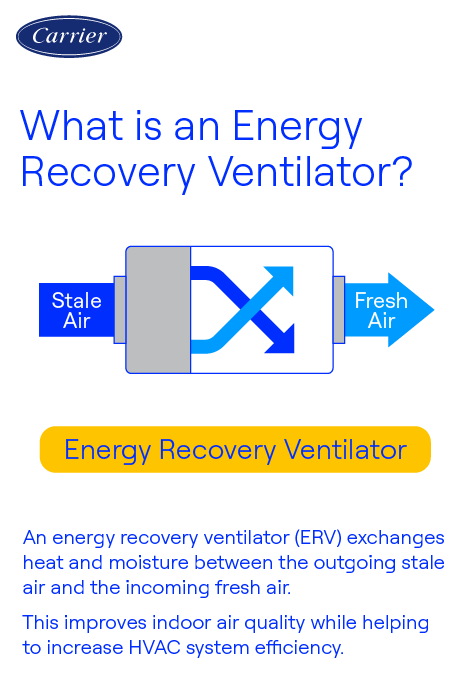
Energy Recovery Ventilators (ERVs) help bring fresh air inside while saving energy. They work by exchanging heat and moisture between incoming and outgoing air. This process keeps indoor air quality high and reduces heating or cooling costs.
Core Components
- Heat Exchange Core:The main part where heat and moisture transfer happens.
- Fans:Move fresh air in and stale air out simultaneously.
- Filters:Clean the air entering and leaving the system.
- Dampers:Control airflow direction and volume.
- Housing:Holds all parts together and protects them.
Heat Exchange Process
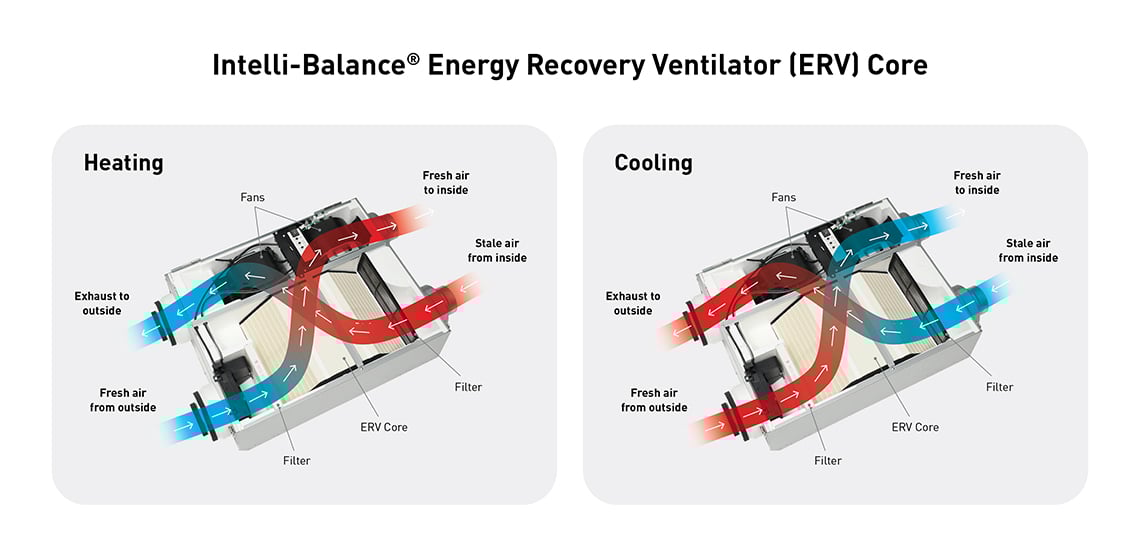
Inside the core, warm outgoing air passes close to cold incoming air. Heat moves from the warmer air to the cooler air without mixing the two. This saves energy by warming or cooling the fresh air before it enters the house.
Moisture also transfers through the core. In winter, it keeps indoor air from becoming too dry. In summer, it helps reduce indoor humidity. This makes the air more comfortable.
Airflow Patterns
Two separate air streams flow through the ERV:
- Stale indoor air moves out of the building.
- Fresh outdoor air flows inside.
The airflow paths do not mix but run side by side in the heat exchange core. Fans keep both air streams moving at the same time. This steady flow keeps indoor air fresh while saving energy.
Credit: iaq.na.panasonic.com
Types Of Energy Recovery Ventilators
Energy Recovery Ventilators (ERVs) come in different types, each designed to handle air exchange and energy recovery in unique ways. Understanding these types helps you choose the right system for your home or building, ensuring better indoor air quality and energy efficiency. Let’s break down the main types you’ll encounter.
Sensible Energy Recovery
Sensible energy recovery focuses on transferring only heat between incoming and outgoing air. It doesn’t handle moisture, which makes it ideal for climates where humidity control is less critical. Have you noticed how some systems keep your home warm or cool without changing the moisture level? That’s sensible recovery at work.
This type is simple and effective, especially in dry or moderate climates. It helps you save on heating or cooling costs by reusing the temperature from exhaust air.
Enthalpy Energy Recovery
Enthalpy energy recovery moves both heat and moisture between the air streams. This means it not only transfers temperature but also humidity, maintaining a balanced indoor environment. Think about how comfortable your home feels when the air isn’t too dry or too damp—an enthalpy ERV helps achieve that.
In humid or very dry areas, this type prevents your indoor air from becoming uncomfortable or unhealthy. If you want to manage moisture without running a separate dehumidifier or humidifier, this is a smart choice.
Rotary Vs. Plate Heat Exchangers
ERVs use two common types of heat exchangers: rotary and plate. Rotary exchangers spin a wheel that transfers heat and moisture, offering high efficiency and compact design. Plate exchangers use fixed plates to transfer energy between air streams and are easier to clean and maintain.
- Rotary Heat Exchangers:Better for continuous operation and higher efficiency, but may need more maintenance.
- Plate Heat Exchangers:Simpler design, easier to clean, and often more affordable upfront.
Which type fits your needs? If you want lower maintenance, plate exchangers might be better. If space is tight and you want maximum efficiency, consider rotary exchangers.
Benefits For Indoor Air Quality
Improving indoor air quality is essential for your health and comfort. An Energy Recovery Ventilator (ERV) offers significant benefits by managing air exchange efficiently. It helps you breathe cleaner air without wasting energy, making your living space healthier and more pleasant.
Reducing Pollutants
Your home traps many pollutants like dust, pet dander, and volatile organic compounds (VOCs). An ERV constantly exchanges stale indoor air with fresh outdoor air while filtering out harmful particles.
This reduces the buildup of indoor pollutants that can cause allergies or respiratory problems. Have you noticed how stuffy air makes you feel sluggish? An ERV helps prevent that by keeping the air fresh and clean.
Controlling Humidity
Too much moisture in the air can cause mold and mildew, which damage your home and health. ERVs balance humidity by transferring moisture between incoming and outgoing air streams.
This means your home won’t feel clammy in summer or too dry in winter. You can avoid expensive mold remediation and enjoy comfortable air year-round.
Fresh Air Supply
Simply opening windows may not provide consistent fresh air, especially in extreme weather. An ERV delivers a steady supply of fresh air without causing drafts or energy loss.
This helps maintain a healthy indoor environment by diluting indoor contaminants and carbon dioxide. Imagine how much better you sleep and concentrate with a constant flow of fresh air.
Energy Efficiency Advantages
Energy Recovery Ventilators (ERVs) offer significant energy efficiency advantages that directly impact your home’s comfort and utility bills. By managing airflow and reclaiming energy from exhaust air, these systems optimize your heating and cooling processes. Let’s break down how ERVs can help you save money, reduce waste, and positively affect the environment.
Lower Heating And Cooling Costs
Have you noticed your energy bills spike during extreme weather? An ERV helps by transferring heat between incoming and outgoing air streams. This means in winter, warm air leaving your home heats the incoming cold air, reducing the work your heating system must do.
Similarly, during summer, the cooler indoor air cools the incoming warm air. This reduces the load on your air conditioner. The result? Lower energy consumption and noticeable savings on your monthly bills.
Reducing Energy Waste
Energy waste often happens when fresh air enters your home, and conditioned air escapes. ERVs capture much of the energy from the outgoing air before it leaves. This process cuts down on the need to reheat or recool the incoming air.
Imagine your home as a sealed container where energy is trapped and reused instead of lost. By reducing wasted energy, ERVs help you get the most out of every kilowatt-hour you pay for.
Environmental Impact
Using less energy naturally means producing fewer greenhouse gas emissions. ERVs contribute to a smaller carbon footprint by lowering the demand on power plants. This is especially important if your energy comes from fossil fuels.
Plus, better indoor air quality reduces health risks associated with poor ventilation. You protect both your family’s wellbeing and the planet. What steps can you take today to make your home more energy-friendly?
Installation And Maintenance Tips
Installing an Energy Recovery Ventilator (ERV) can improve indoor air quality. Proper installation ensures efficiency and longevity. Regular maintenance keeps it running smoothly. Here are some essential tips for both tasks.
Choosing The Right Unit
Select an ERV that suits your home size. Consider the climate and local needs. Check the unit’s energy efficiency rating. Look for models with good customer reviews. Consult a professional if unsure.
Proper Placement
Place the ERV in a central location. Ensure easy access for maintenance. Avoid installing near heat sources. Keep it away from noise-sensitive areas. Ensure adequate space around the unit for airflow.
Routine Cleaning
Clean filters regularly to maintain efficiency. Check the manufacturer’s guide for cleaning frequency. Use a soft brush or vacuum for dust removal. Inspect and clean the ventilation ducts periodically. Replace filters if they show wear or damage.
Common Applications And Use Cases
Energy Recovery Ventilators (ERVs) offer smart solutions for improving indoor air quality while saving energy. Their ability to exchange stale indoor air with fresh outdoor air, all while recovering heat or coolness, makes them valuable in many settings. Let’s look at where ERVs work best and how you might benefit from using one in your space.
Residential Buildings
ERVs are a great addition to homes, especially those that are tightly sealed for energy efficiency. They help maintain fresh air without wasting heating or cooling energy, which can lower your utility bills. If you’ve noticed stale air or humidity problems in your home, an ERV can help balance moisture and keep air fresh year-round.
Families with allergies or respiratory issues often see improvements after installing an ERV. It reduces indoor pollutants and allergens by constantly bringing in filtered fresh air. Have you ever struggled with stuffy rooms or condensation? An ERV might be the simple fix you need.
Commercial Spaces
In offices, shops, and restaurants, ERVs help maintain a comfortable atmosphere for employees and customers. These systems reduce the load on heating and cooling units, which can lead to significant energy savings. You’ll often find ERVs in buildings aiming for green certifications or energy-efficient upgrades.
Businesses that rely on good indoor air quality—like healthcare clinics or fitness centers—benefit from ERVs by improving air turnover without extra energy costs. Could your workspace be using air more efficiently? An ERV might improve both air quality and your bottom line.
Industrial Settings
Factories and warehouses often face challenges with ventilation due to large spaces and machinery heat. ERVs help by exchanging air while recovering energy, which keeps working environments safer and more comfortable. This can be crucial where air contaminants or fumes are common.
Some industrial processes generate heat or moisture, and ERVs manage these by balancing airflow and maintaining consistent indoor conditions. If your facility struggles with energy waste or poor air quality, an ERV could be an effective part of your solution.
Comparing Ervs With Hrvs
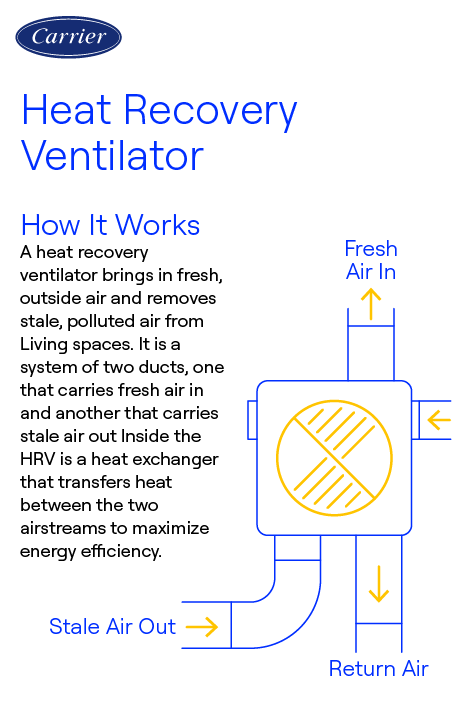
Energy Recovery Ventilators (ERVs) and Heat Recovery Ventilators (HRVs) both improve indoor air quality by exchanging stale air with fresh air. ERVs transfer moisture and heat, while HRVs mainly focus on heat exchange, making ERVs better for humid climates.
Comparing ERVs with HRVs When you think about improving indoor air quality, Energy Recovery Ventilators (ERVs) and Heat Recovery Ventilators (HRVs) often pop up as solutions. Both systems are designed to enhance ventilation in your home, but they have distinct features that cater to different needs. Let’s dive into what sets them apart and which might be the best fit for your home.Key Differences
ERVs and HRVs both work to bring fresh air into your home while exhausting stale air. However, ERVs transfer both heat and moisture between the incoming and outgoing air streams. This means they can help maintain indoor humidity levels, which is especially beneficial in areas with extreme weather conditions. In contrast, HRVs focus solely on heat exchange. They don’t manage humidity, making them more suitable for climates where moisture control is not a primary concern. Understanding these core differences can guide you in choosing the right system for your needs.Suitability By Climate
Your climate plays a significant role in determining whether an ERV or HRV is more suitable. If you live in a region with hot, humid summers and cold winters, an ERV can help balance the humidity levels indoors. This prevents your home from becoming too dry or too humid, offering year-round comfort. On the other hand, if your climate is predominantly cold and dry, an HRV might be more suitable. It ensures efficient heat retention without altering indoor humidity, keeping your home warm and comfortable. Consider your local weather patterns to make the most informed decision.Cost Considerations
When evaluating cost, it’s essential to factor in both the upfront and long-term expenses. ERVs tend to be slightly more expensive initially due to their added functionality of moisture transfer. However, they can lead to savings on energy bills in humid climates by reducing the need for additional humidifiers or dehumidifiers. HRVs, being more straightforward systems, typically come with a lower price tag. They are cost-effective in regions where humidity control is not a priority. Weighing these cost aspects against your specific needs and climate can help you decide the most economical option for your situation. Choosing between an ERV and an HRV involves more than just cost—it’s about enhancing your home’s comfort and efficiency. Which system do you think aligns best with your climate and lifestyle?Potential Drawbacks And Solutions
An Energy Recovery Ventilator (ERV) offers many benefits but also comes with some drawbacks. Understanding these challenges helps in finding practical solutions. This section highlights common issues and ways to address them.
Initial Investment
ERV systems can be costly to buy and install. The upfront price may seem high for many homeowners. This cost includes the unit, installation, and sometimes ductwork changes.
Consider these solutions to manage expenses:
- Check for local rebates or incentives for energy-efficient systems.
- Compare different brands and models for cost-effectiveness.
- Plan installation during new construction or major renovations to save money.
Maintenance Challenges
ERV units require regular cleaning and filter changes. Neglecting maintenance can reduce airflow and energy recovery efficiency. Some parts may be hard to access.
Simple steps improve maintenance ease:
- Set a maintenance schedule for cleaning and filter replacement.
- Choose models with easy-to-remove filters and accessible components.
- Hire professionals for annual inspections to ensure optimal performance.
Performance Limitations
ERVs work best in moderate climates but may struggle in extreme temperatures. In very cold or hot areas, their efficiency can drop. Moisture control may also be less effective in some conditions.
To enhance performance, try these approaches:
- Use ERVs alongside other HVAC systems for better temperature control.
- Install units designed specifically for your climate zone.
- Monitor indoor air quality and adjust settings as needed.
Credit: www.carrier.com
Frequently Asked Questions
What Is An Energy Recovery Ventilator (erv)?
An ERV is a ventilation system that exchanges indoor air with fresh outdoor air. It recovers energy from exhaust air to condition incoming air, improving indoor air quality and saving energy.
How Does An Erv Improve Indoor Air Quality?
An ERV removes stale air and brings in fresh air while balancing humidity. This process reduces pollutants and allergens, creating a healthier indoor environment.
What Are The Energy Benefits Of Using An Erv?
ERVs recover heat or coolness from exhaust air, reducing heating and cooling costs. This energy-efficient exchange lowers utility bills and supports sustainable living.
Can An Erv Control Indoor Humidity Levels?
Yes, ERVs transfer moisture between incoming and outgoing air streams. This helps maintain balanced indoor humidity, preventing excess dryness or dampness.
Conclusion
An Energy Recovery Ventilator helps keep indoor air fresh and healthy. It saves energy by reusing heat from outgoing air. This system balances air flow and reduces moisture problems. Installing one can improve comfort in any home or building. Clean air matters for your health and energy bills.
Choosing an ERV means cleaner air and lower costs. Simple, effective, and smart for better indoor living.



