
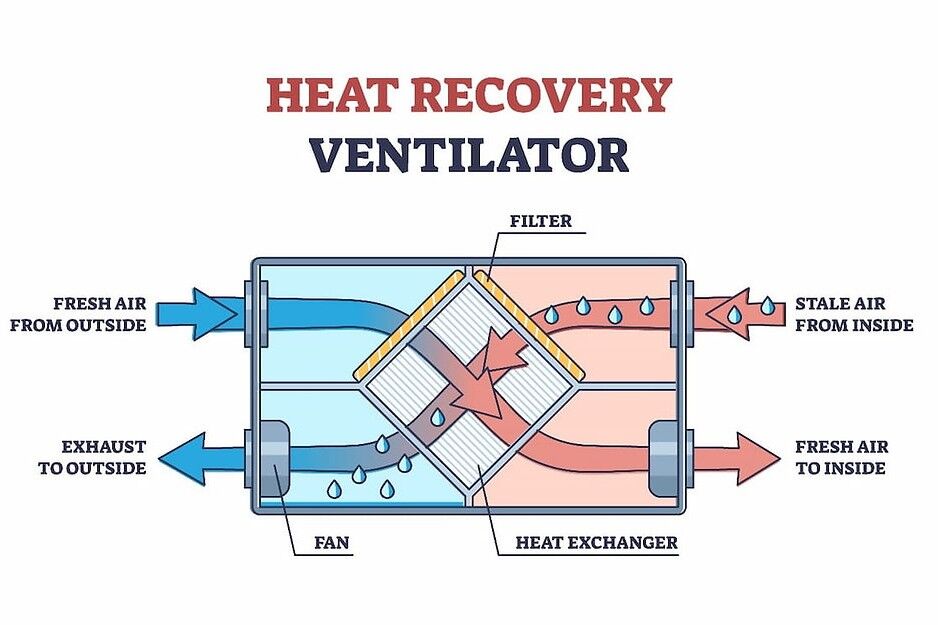
Have you ever wondered how the air in your room stays fresh and comfortable? A ventilation fan plays a key role in making sure your space feels clean and breathable.
But how does this simple device actually work to remove stale air and bring in fresh air? Understanding how a ventilation fan works can help you improve your home’s air quality and even save on energy costs. Keep reading, and you’ll discover the secrets behind this everyday appliance that quietly makes a big difference in your comfort and health.
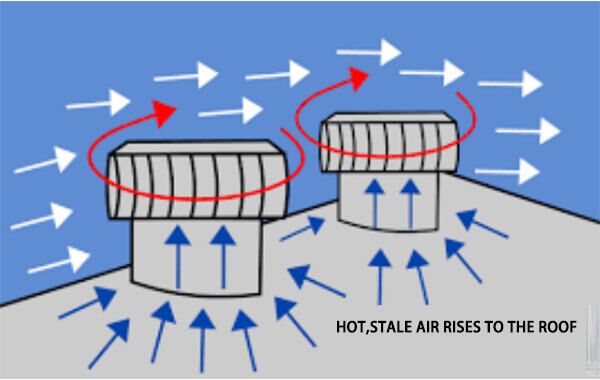
Credit: chinaexhaustfan.com
Basics Of Ventilation Fans
Ventilation fans play a vital role in keeping indoor air fresh and healthy. They help move stale air out and bring fresh air in. Understanding the basics of ventilation fans helps to choose the right one for your needs. These fans improve air quality and comfort in homes and workplaces.
Purpose And Benefits
Ventilation fans remove moisture, odors, and pollutants from indoor spaces. They prevent mold growth and reduce humidity. Proper ventilation protects health by lowering airborne contaminants. Fans also help control temperature and reduce energy costs. They create a more comfortable and safer environment.
Types Of Ventilation Fans
Several types of ventilation fans exist to suit different spaces and needs:
- Exhaust Fans:Pull air out to remove moisture and odors.
- Supply Fans:Push fresh air into a room or building.
- Inline Fans:Installed inside ducts to move air through long distances.
- Ceiling Fans:Circulate air within a room to improve comfort.
Each type serves a specific purpose and offers unique benefits depending on the location and air flow requirements.
Core Components
A ventilation fan has key parts like a motor, blades, and a housing. The motor spins the blades to move air. This airflow helps remove stale air and bring in fresh air.
Ventilation fans are essential for maintaining fresh air in homes. They remove stale air and improve indoor air quality. Understanding their core components helps in grasping their functionality.Fan Motor
The fan motor is the heart of the ventilation fan. It powers the blades, enabling them to spin. Efficient motors consume less electricity, reducing energy costs. They also ensure the fan operates quietly.Blades And Housing
The blades move air through the fan system. They are designed for optimal airflow. Proper blade design minimizes noise and maximizes efficiency. The housing protects internal components from dust and debris. It also directs airflow in the desired direction.Ductwork And Vents
Ductwork channels air from the fan to the outside environment. It prevents moisture buildup and mold growth. Vents allow air to exit the system efficiently. They ensure the fan operates effectively, maintaining a fresh indoor environment.How Airflow Is Created
Airflow is the key to how a ventilation fan works. It moves stale air out and brings fresh air in. This process depends on creating a steady flow of air through the fan system. Understanding this flow helps explain the fan’s function.
Mechanism Of Air Movement
A ventilation fan uses blades to push air. As the blades spin, they create a force that moves air. The spinning blades pull air from one side and push it to the other. This action creates a continuous flow of air through the fan.
The fan motor powers the blade rotation. Faster rotation means stronger airflow. The design of the blades also affects how much air moves. Curved blades often move air more efficiently than flat ones.
Role Of Pressure Differences
Air moves because of pressure differences. The fan lowers air pressure on one side. This drop in pressure pulls air toward the fan. On the other side, higher pressure pushes air away.
The pressure difference creates a push-pull effect. It drives air through ducts or open spaces. This movement helps remove heat, moisture, or odors from a room.
Without pressure differences, air would stay still. The fan’s ability to change pressure keeps air moving. This is why fans are essential for ventilation and fresh air circulation.
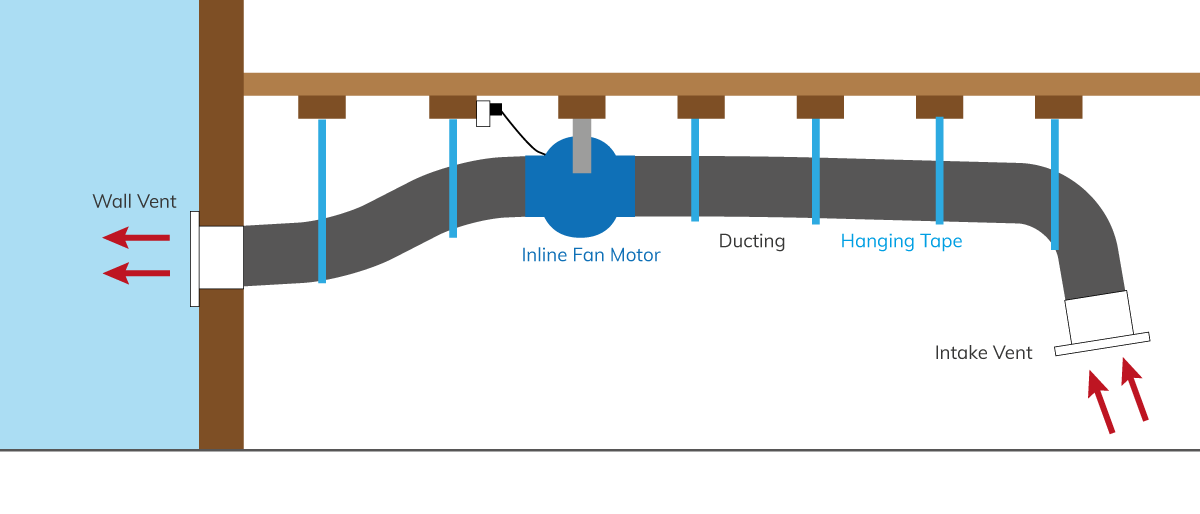
Credit: www.pureventilation.com.au
Power Sources And Controls
Understanding the power sources and controls of a ventilation fan can help you optimize its use and maintenance. These components determine how efficiently your fan operates and how much control you have over its performance. Let’s look at the key elements that keep your ventilation fan running smoothly.
Electric Motors
Most ventilation fans rely on electric motors to convert electrical energy into mechanical movement. These motors spin the fan blades, pushing air out of your space. The quality of the motor affects the fan’s durability and noise level—so a robust motor means quieter, longer-lasting performance.
Electric motors come in various types, such as AC (alternating current) and DC (direct current) motors. DC motors tend to be more energy-efficient and offer better speed control, which is a bonus if you want to save on electricity bills. Have you ever noticed how some fans whisper quietly while others roar? That’s often the motor at work.
Speed And Timer Controls
Controls let you adjust how your ventilation fan works to fit your needs. Speed controls allow you to change the airflow by increasing or decreasing the motor’s speed. This flexibility is handy if you want a gentle breeze or powerful ventilation without switching fans.
Timer controls add convenience by letting you set the fan to run for a specific period. This feature can be a lifesaver in bathrooms or kitchens, ensuring the fan runs long enough to clear moisture or odors without wasting energy. Have you ever left a fan running all day? Timer controls can prevent that and save you money.
Some advanced fans even combine speed and timer controls with smart technology. This lets you operate your fan remotely or set schedules based on your daily routine. Think about how much easier it would be to manage ventilation without getting up or remembering to turn the fan off.
Installation And Placement
Proper installation and placement of a ventilation fan are crucial for its efficiency. It helps remove stale air and brings fresh air inside. The right location and installation method improve airflow and reduce moisture buildup.
Ideal Locations
Choose areas with poor air circulation for fan installation. Bathrooms, kitchens, and laundry rooms are common spots. These rooms produce moisture and odors that need quick removal.
Install fans near moisture sources like showers or stoves. Position them high on walls or ceilings to capture rising warm air. Avoid placing fans where they blow directly on people.
Common Installation Methods
- Ceiling-mounted fans are popular in bathrooms and kitchens.
- Wall-mounted fans work well in rooms with limited ceiling space.
- Inline fans install inside ducts for quiet operation and better airflow.
- Window fans exhaust air directly outside and are easy to install.
Secure the fan tightly to avoid vibrations and noise. Connect wiring carefully to meet safety standards. Use ducting to guide air outside efficiently and prevent backdrafts.
Maintenance Tips
Ventilation fans pull stale air out and bring fresh air in, keeping spaces clean and dry. Regular cleaning and checking prevent dust buildup and keep fans working well. Simple care helps extend the fan’s life and ensures better air flow.
Proper maintenance of your ventilation fan is crucial to ensure its efficiency and longevity. Regular upkeep can prevent issues and maintain optimal airflow, which is vital for a healthy indoor environment. Here are some practical tips to help you keep your ventilation fan in top condition.Cleaning Procedures
Cleaning your ventilation fan may seem daunting, but it’s simpler than you might think. Start by turning off the power to the fan to ensure safety. Remove the fan cover, which usually involves unscrewing or unclipping it, and clean it with a damp cloth or mild detergent. Use a vacuum cleaner with a brush attachment to remove dust and debris from the fan blades and motor. This not only boosts performance but also extends the fan’s life. If the fan is greasy, especially in kitchen settings, a degreaser spray can be handy.Troubleshooting Common Issues
Is your fan making unusual noises or not working efficiently? Often, a thorough cleaning can resolve these issues. Check if the fan blades are properly aligned and free from obstructions. If the fan is still not working, inspect the wiring and connections. Loose or damaged wires can lead to malfunction. If you’re unsure, consulting a professional can save time and prevent potential hazards. Have you noticed any reduction in airflow? This could be due to clogged ducts. Ensuring the ducts are clean and unobstructed can restore proper function. Regular maintenance is key to avoiding these common pitfalls. Can you recall the last time you checked your ventilation fan? Regular attention can make all the difference.Energy Efficiency And Noise
Energy efficiency and noise are two key factors that can make or break your experience with a ventilation fan. You want a fan that keeps your space fresh without driving up your energy bills or disturbing your peace. Understanding how these fans save energy and reduce noise can help you choose the perfect model for your home or office.
Energy-saving Features
Modern ventilation fans come packed with features designed to cut down energy use while maintaining performance. Many fans use brushless DC motors, which consume less electricity and last longer than traditional motors.
Some models include automatic sensorsthat turn the fan on or off based on humidity or motion. This means the fan only runs when necessary, saving energy without you lifting a finger.
Variable speed settings also help you control power consumption. Running the fan at a lower speed during mild conditions can reduce electricity use significantly.
Noise Reduction Techniques
Noise can be a major annoyance, especially if the fan runs continuously. Manufacturers use several techniques to keep fans quiet. One common method is adding rubber mountsor vibration dampenersto reduce rattling and buzzing sounds.
Fan blades are often designed with special shapesthat cut down air turbulence, which is a main source of noise. A well-balanced blade system also prevents wobbling and ensures smooth operation.
Have you ever noticed how some fans are almost silent even at high speeds? That’s usually because they use sound-insulated housingsthat contain noise within the fan casing.
Choosing a fan with these noise reduction features can make a huge difference, especially in bedrooms or workspaces where quiet is essential. What level of noise do you find acceptable in your environment?
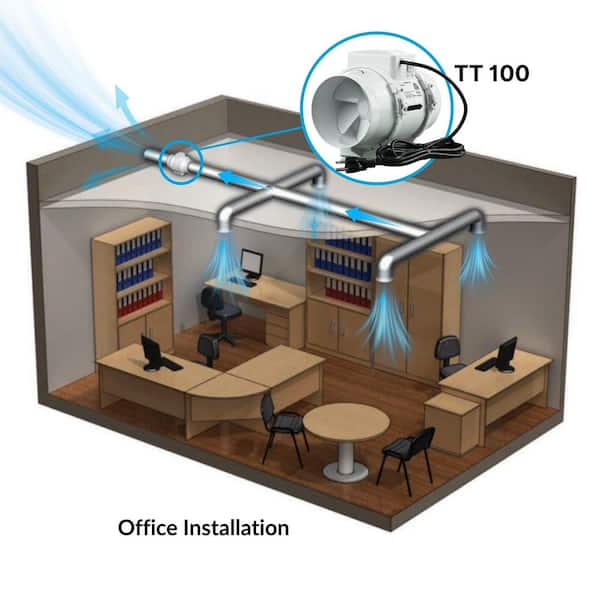
Credit: www.homedepot.com
Applications In Different Settings
Ventilation fans play a vital role in many environments. They help control air quality by removing stale air and bringing in fresh air. Their use varies widely depending on the setting, each with unique needs and challenges. Understanding these applications shows why ventilation fans are essential in everyday life and work.
Residential Use
Homes use ventilation fans to keep air fresh and healthy. Bathrooms and kitchens are common places for these fans.
- Remove moisture to prevent mold and mildew.
- Eliminate cooking odors and smoke.
- Improve overall indoor air quality.
Attics and basements often have fans to reduce heat and dampness. This helps protect the building and improves comfort for residents. Quiet operation and energy efficiency are important features in residential fans.
Commercial And Industrial Use
Commercial and industrial spaces need powerful ventilation fans. These environments produce more heat, fumes, and pollutants.
- Factories use fans to remove dust and chemical fumes.
- Restaurants rely on fans for smoke and odor control.
- Warehouses use ventilation to maintain safe air quality.
Fans in these settings often have higher capacity and durability. They may run continuously to ensure worker safety and equipment performance. Proper ventilation helps meet health and safety regulations.
Frequently Asked Questions
How Does A Ventilation Fan Improve Indoor Air Quality?
A ventilation fan removes stale air and moisture from indoor spaces. It circulates fresh air, reducing pollutants and humidity. This process prevents mold growth and improves overall air freshness, creating a healthier indoor environment.
What Are The Main Components Of A Ventilation Fan?
A ventilation fan mainly includes a motor, blades, housing, and a grille. The motor powers the blades to move air. The housing directs airflow, while the grille protects the fan and controls air direction.
How Does A Ventilation Fan Prevent Mold And Mildew?
By expelling moist air, ventilation fans reduce indoor humidity levels. Lower humidity prevents mold spores from growing on surfaces. This helps maintain a dry, clean environment and protects structural materials from damage.
Where Are Ventilation Fans Commonly Installed?
Ventilation fans are commonly installed in bathrooms, kitchens, and laundry rooms. These areas produce excess moisture and odors. Fans help to quickly remove damp air, improving comfort and preventing mold buildup.
Conclusion
A ventilation fan helps move air out and bring fresh air in. It keeps rooms dry and reduces bad smells. Fans use blades that spin fast to push air through vents. This simple tool improves comfort and air quality. Knowing how it works makes choosing the right fan easier.
Good ventilation supports a healthier home or workspace. Small steps like this make a big difference in daily life.



