
Are you curious about what it takes to become an HVAC tech? If you enjoy working with your hands, solving problems, and staying cool under pressure, this career might be perfect for you.
Becoming an HVAC technician opens the door to a steady job, good pay, and skills that are always in demand. You’ll discover the clear steps to start your journey, the key skills you need, and tips to stand out in this field.
Ready to take control of your future and build a career you can be proud of? Keep reading to learn how to be an HVAC tech.
Skills Needed For Hvac Techs
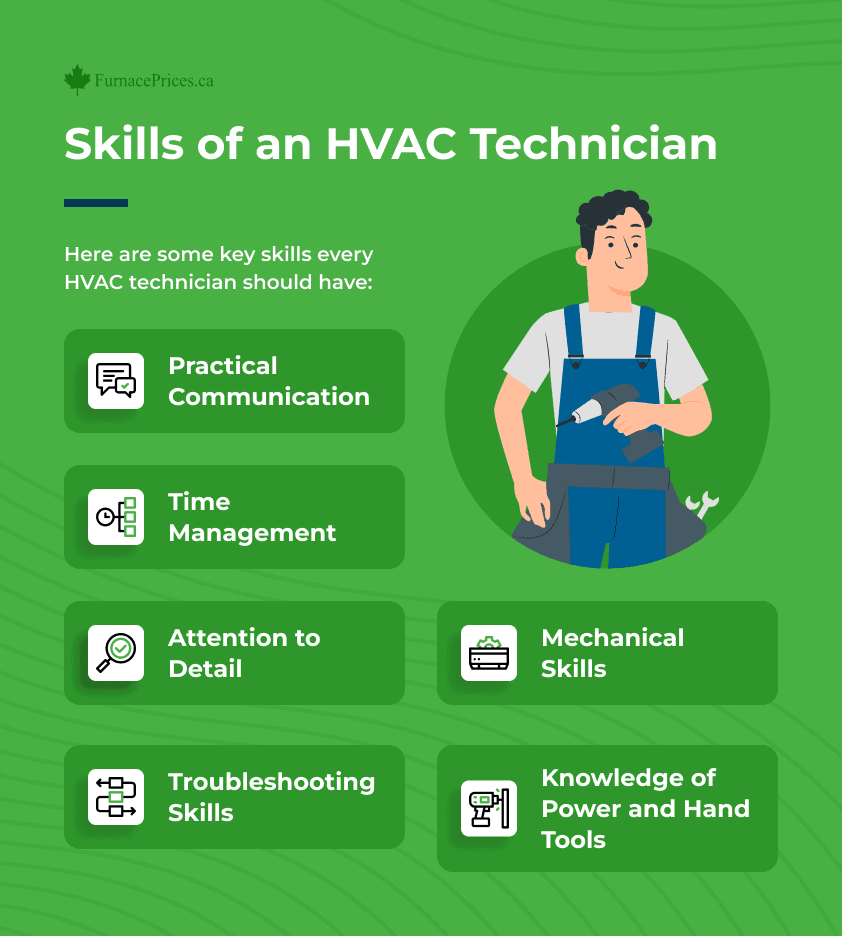
To succeed as an HVAC technician, certain skills are essential. These skills help handle daily tasks and challenges effectively. Understanding these skills guides your learning path and job performance.
Technical Abilities
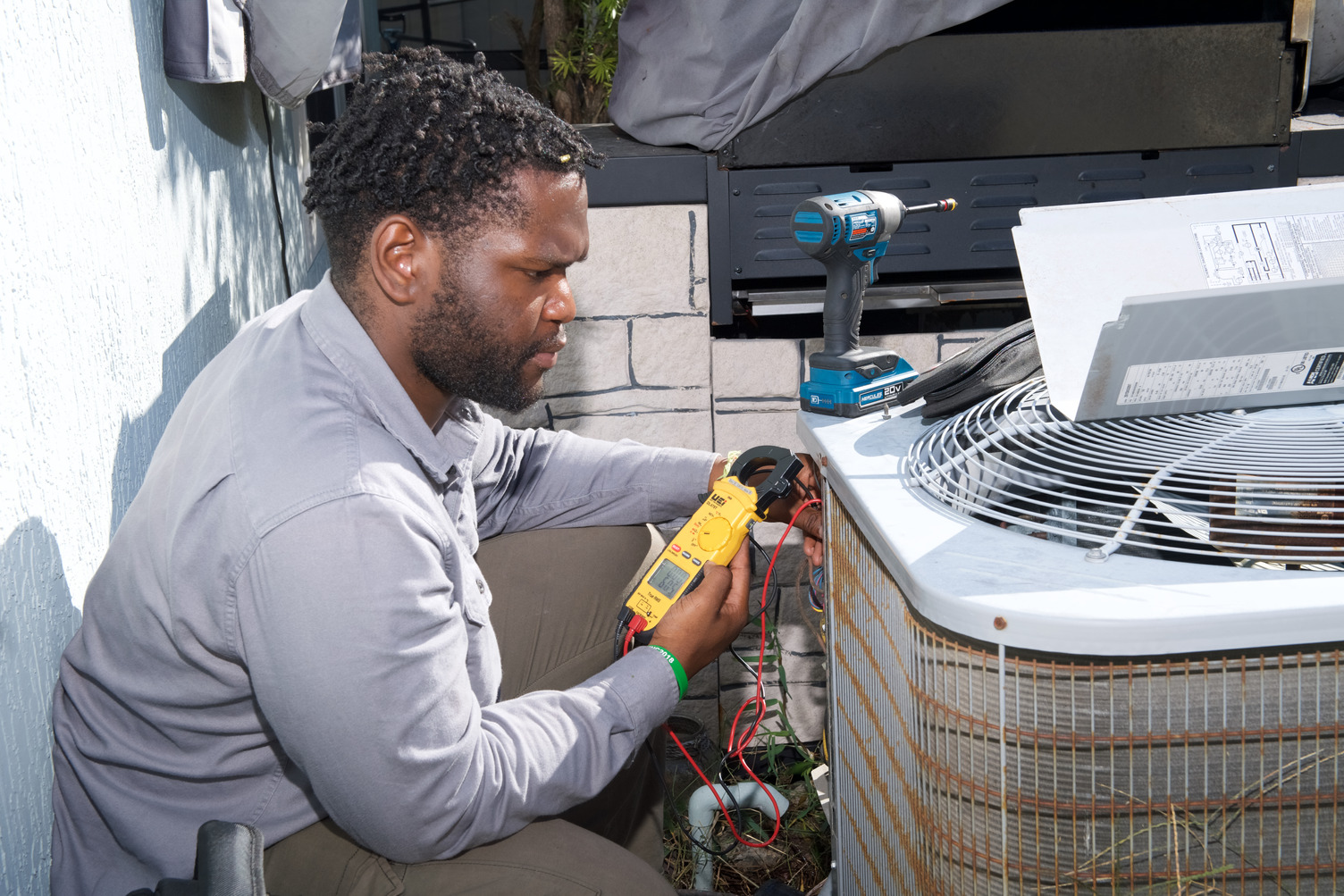
HVAC techs need strong technical skills to install and repair systems. They must read blueprints and use diagnostic tools. Knowledge of electrical circuits and refrigeration is vital. Keeping up with new technology improves work quality.
Problem-solving Skills
Finding the root cause of system failures is key. HVAC techs must think quickly and logically. Troubleshooting involves testing components and identifying faults. Creative solutions save time and reduce costs.
Customer Service
Good communication builds trust with clients. Explaining issues and solutions clearly helps customers feel confident. Patience and professionalism improve client satisfaction. Listening carefully to concerns leads to better service.
Physical Requirements
HVAC work demands physical strength and stamina. Techs often lift heavy equipment and work in tight spaces. Being comfortable with heights and ladders is common. Good hand-eye coordination and steady hands are necessary.
Credit: www.rsi.edu
Education And Training Paths
Choosing the right education and training path is crucial to becoming a skilled HVAC technician. Each step equips you with the knowledge and hands-on experience needed to handle complex heating, ventilation, and air conditioning systems. Understanding these options helps you plan your career effectively and avoid unnecessary detours.
High School Preparation
Start by focusing on math, science, and technical courses during high school. Subjects like algebra and physics build a foundation for understanding HVAC principles.
Joining a trade or technology club can also expose you to basic mechanical skills early on. Have you considered how your current classes might connect to HVAC work?
Vocational Schools And Programs
Vocational schools offer specialized HVAC programs that combine classroom learning with practical labs. These programs typically last from six months to two years, depending on the certificate or diploma you pursue.
You’ll learn about electrical systems, refrigeration, and safety protocols. Many programs also prepare you for EPA certification, which is required to handle refrigerants legally.
Apprenticeships
Apprenticeships provide real-world experience under the guidance of seasoned professionals. You earn while you learn, gaining valuable skills on actual HVAC systems in residential or commercial settings.
Typically lasting 3 to 5 years, apprenticeships help you build confidence and industry connections. Have you thought about which type of employer might offer the best learning environment for you?
Certifications And Licensing
Certifications and licenses are essential for HVAC technicians. They prove skills and knowledge. Employers trust certified techs more. Customers feel safer with licensed professionals. These credentials open doors to better jobs and pay.
Every state has rules for HVAC work. Some require specific licenses. Others ask for national certifications. Earning these shows a commitment to the trade. It also ensures safety and quality in your work.
Epa Certification
The Environmental Protection Agency (EPA) requires HVAC techs to have certification. This is for handling refrigerants safely. Without it, you cannot work with cooling systems. The EPA test covers laws and proper techniques. Passing this test is a must for all HVAC techs.
Nate Certification
The North American Technician Excellence (NATE) is a popular certification. It proves your technical skills and knowledge. NATE tests focus on specific HVAC areas like installation and repair. Many employers prefer NATE-certified techs. It can boost your career prospects and trustworthiness.
State And Local Licenses
States and cities often require HVAC licenses. These licenses ensure you meet local codes and rules. Requirements vary by location. Some need a set number of training hours. Others require passing an exam. Always check your area’s licensing rules before starting work.
Gaining Hands-on Experience
Hands-on experience is essential for anyone aiming to become a skilled HVAC technician. It bridges the gap between theory and real-world application, allowing you to understand systems deeply and troubleshoot effectively. Gaining practical exposure early can boost your confidence and make you stand out in this competitive field.
Entry-level Jobs
Starting with entry-level jobs gives you direct access to HVAC tools and equipment. These roles often involve assisting experienced technicians, which means you learn by doing and observing. Have you considered how much faster you would grasp complex repairs by working alongside a pro?
Positions like HVAC helper or assistant are great starting points. They help you develop basic skills such as handling tools, cleaning units, and performing simple maintenance tasks. These jobs build a foundation that prepares you for more challenging responsibilities.
Internships
Internships offer structured opportunities to work with HVAC companies while still learning. They often provide exposure to various types of systems, from residential to commercial, broadening your knowledge base. Have you looked into companies that offer paid internships where you can earn while you learn?
During internships, you’ll also gain insight into workplace expectations and safety standards. This experience is valuable when applying for full-time roles because employers appreciate candidates with real-world practice. Plus, networking with professionals can open doors to future job offers.
On-the-job Training
On-the-job training is where theory meets reality. It allows you to apply what you’ve learned in school or through courses directly to actual HVAC systems. Working hands-on under supervision lets you make mistakes and learn from them without high risks.
Many companies prefer to train new hires this way because it ensures technicians meet their specific standards. Ask yourself: how much faster will you improve by fixing real problems versus just reading manuals? This immersive approach sharpens your troubleshooting skills and builds your confidence.
Building A Professional Network
Building strong connections with other HVAC professionals helps you learn new skills and find job opportunities. Attending industry events and joining local trade groups can expand your network quickly. Networking boosts your career growth and keeps you updated on industry trends.
Building a professional network is crucial for HVAC techs. It opens doors to job opportunities and industry insights. Networking helps you stay updated with the latest trends and technologies. Let’s explore some effective ways to build this network.Industry Associations
Joining industry associations connects you with fellow HVAC professionals. These organizations offer valuable resources and training. They often provide access to exclusive industry reports and certifications. Membership can enhance your credibility in the field.Networking Events
Attend local and national HVAC events. These gatherings are perfect for meeting industry leaders. They offer workshops, seminars, and panel discussions. You can learn from experts and share your experiences. Such events also facilitate new business connections.Mentorship Opportunities
Seek mentorship from experienced HVAC techs. A mentor can guide your career path. They provide insights that textbooks may not offer. Mentors help you navigate challenges and find solutions. Building a relationship with a mentor enriches your learning experience.
Credit: capstonecollege.edu
Advancing Your Hvac Career
Moving forward in your HVAC career means more than just clocking in hours. It’s about sharpening your skills, finding your niche, and possibly stepping into leadership or entrepreneurship. How you choose to advance can shape not only your paycheck but your job satisfaction and long-term stability.
Specializing In Areas
Think about what excites you most in HVAC work. Do you enjoy working on refrigeration systems, or are you drawn to smart home HVAC controls? Specializing in a particular area makes you stand out to employers and clients.
For example, gaining expertise in geothermal systems can open doors to green energy projects. Specialization often leads to higher pay and less competition for jobs. What niche could you master that aligns with future industry trends?
Continuing Education
HVAC technology keeps evolving, and staying current is key to staying relevant. Taking courses on the latest HVAC software, energy-efficient systems, or EPA regulations can boost your credibility.
Many states require continuing education for license renewal, so why not use that as an opportunity to learn skills that set you apart? Online classes, workshops, and certifications are practical ways to grow without quitting your day job.
Starting Your Own Business
Running your own HVAC business is a big step but offers freedom and financial rewards. You’ll need skills beyond technical know-how—like marketing, customer service, and managing finances.
Start small by taking on side jobs and building a solid reputation. Have you thought about how you’d handle the challenges of being both the technician and the boss?
Staying Updated With Technology
Technology changes fast in the HVAC field. Staying updated helps you work smarter and serve customers better. New tools and systems appear regularly. Knowing these keeps your skills sharp and relevant. It also improves job safety and energy savings. Follow trends and learn about new devices often. This keeps you ready for any challenge at work.
Latest Hvac Innovations
New HVAC tools make repairs and installations easier. Advances include better diagnostic devices and improved refrigerants. Some tools detect problems early, saving time and money. Learning about these helps you fix issues fast. It also means fewer callbacks and happier clients.
Smart Systems And Automation
Smart HVAC systems use sensors and apps for control. Automation adjusts temperature based on room use or weather. These systems improve comfort and reduce energy waste. Knowing how to install and maintain smart tech is key. It offers clients modern, efficient solutions for their homes and businesses.
Energy Efficiency Trends
Energy-saving trends focus on reducing power use and costs. New standards and products aim for greener HVAC systems. Familiarity with energy-efficient models helps you guide clients wisely. It also supports environmental goals and lowers utility bills. Staying aware of these trends boosts your professional value.
Credit: raiven.com
Safety And Best Practices
Wearing protective gear helps prevent injuries during HVAC work. Always follow safety rules and handle tools carefully to avoid accidents. Staying alert and maintaining clean work areas boosts safety and efficiency.
Embarking on a career as an HVAC technician brings a world of opportunity, but it also demands a strong commitment to safety and best practices. Ensuring your well-being and the safety of those around you is crucial as you navigate the complexities of heating, ventilation, and air conditioning systems. Let’s explore key areas to focus on, ensuring you maintain a safe and efficient work environment.Workplace Safety
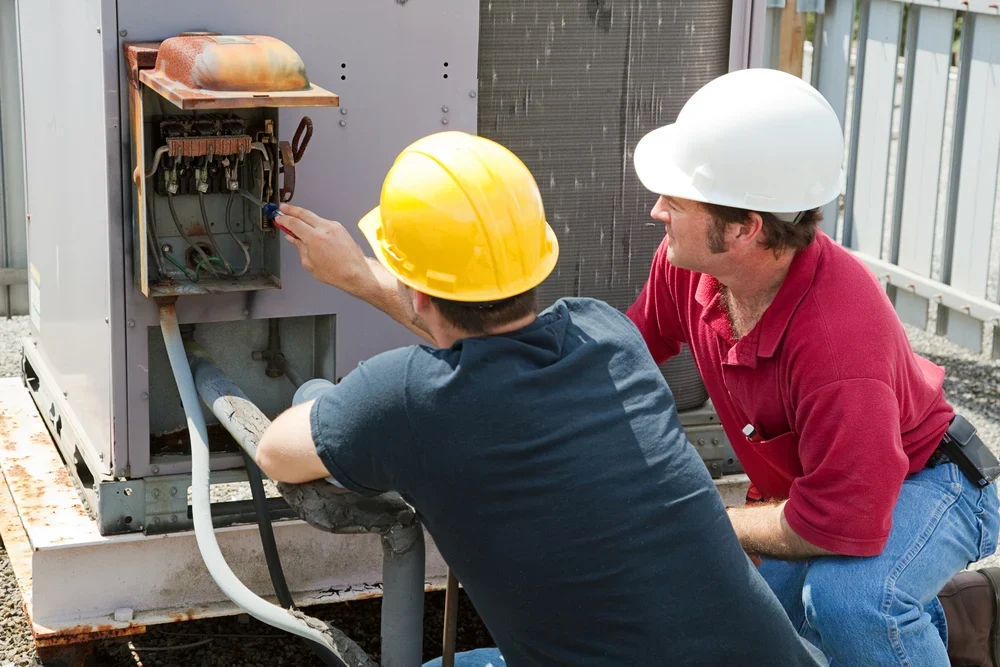
Prioritizing workplace safety is essential. Always wear appropriate personal protective equipment (PPE) such as gloves, goggles, and steel-toed boots. These items can prevent injuries from sharp objects, chemicals, or heavy equipment. Be aware of your surroundings. HVAC work often involves confined spaces and elevated locations. Ensure you have stable footing and clear any obstructions that could cause accidents.Tool And Equipment Handling
Proper handling of tools and equipment is a skill every HVAC tech must master. Use the right tool for each task to prevent damage and ensure safety. Improper tool usage can lead to accidents and equipment malfunction. Regular maintenance of your tools extends their lifespan and ensures they operate safely. Clean and inspect them frequently, and replace any worn-out parts promptly. Have you ever wondered how a simple tool check could save a day’s work?Regulatory Compliance
Adhering to regulatory compliance is non-negotiable. Familiarize yourself with local, state, and federal regulations related to HVAC work. This knowledge protects you legally and ensures the safety of your installations. Stay updated with any changes in regulations. Joining professional organizations and attending workshops can provide valuable insights. How do you keep yourself informed about the latest industry standards? By focusing on these safety and best practices, you not only protect yourself but also enhance your efficiency and reputation as a reliable HVAC technician. Your commitment to safety could make all the difference in your career progression.Frequently Asked Questions
What Qualifications Do You Need To Become An Hvac Tech?
To become an HVAC tech, you need a high school diploma or GED. Completing an accredited HVAC training program is essential. Certification like EPA 608 is required for handling refrigerants. Practical experience through apprenticeships boosts job readiness and skills.
How Long Does It Take To Train As An Hvac Technician?
Training typically takes 6 months to 2 years, depending on the program. Certificate programs are shorter, while associate degrees take longer. Apprenticeships provide hands-on experience and can extend training time but improve skills significantly.
What Skills Are Essential For Hvac Technicians?
HVAC techs need strong mechanical skills and problem-solving abilities. Good communication helps when dealing with clients and team members. Attention to detail ensures safe, effective repairs. Physical stamina is important for handling equipment and working in various environments.
Is Certification Necessary For Hvac Technicians?
Yes, certification is crucial for credibility and legal compliance. EPA 608 certification is mandatory for refrigerant handling. Additional certifications improve job prospects and demonstrate expertise in specialized areas like heating or cooling systems.
Conclusion
Becoming an HVAC tech takes time and effort. Start with learning basic skills and safety rules. Gain experience through training or apprenticeships. Stay curious and keep practicing daily tasks. Good communication helps with customers and teamwork. With patience, you can build a strong career.
Remember, every expert once began as a beginner. Keep working hard and never stop learning. This job can bring steady work and satisfaction. Your future as an HVAC technician looks bright.



