
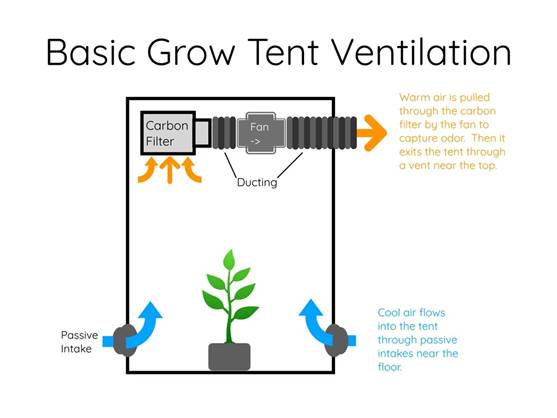
Setting up proper ventilation in your grow tent is one of the most important steps to ensure healthy, thriving plants. Without good airflow, your plants can suffer from heat stress, mold, and poor growth.
But don’t worry—getting your ventilation right doesn’t have to be complicated or expensive. In this guide, you’ll learn simple, effective ways to keep fresh air flowing and control temperature and humidity. Keep reading, and you’ll discover how to create the perfect environment for your plants to flourish.
Credit: www.temu.com
Choosing The Right Grow Tent
Choosing the right grow tent is crucial for setting up proper ventilation. The tent affects airflow, temperature, and humidity control. Picking a tent that fits your needs helps your plants grow healthy and strong.
Size And Material Considerations
Choose a tent size that matches your plant count and space. A small tent limits airflow and plant growth. Bigger tents allow better air circulation and room for equipment.
Look for tents made from thick, durable materials. Mylar lining inside reflects light well and helps keep heat inside. Strong zippers and sturdy frames improve the tent’s lifespan.
Location And Space Planning
Place the tent where you can easily access it. Good space around the tent allows better ventilation setup. Avoid tight corners or areas with poor airflow.
Make sure there is enough room for fans, filters, and ducting. Plan for power outlets near the tent for ventilation equipment. Proper location helps keep temperature and humidity stable.
Essential Ventilation Components
Proper ventilation keeps your grow tent healthy and productive. It controls temperature, humidity, and air quality. This helps plants grow strong and reduces pests and mold risks. Knowing the essential ventilation parts is key to success.
Inline Fans And Exhaust Fans
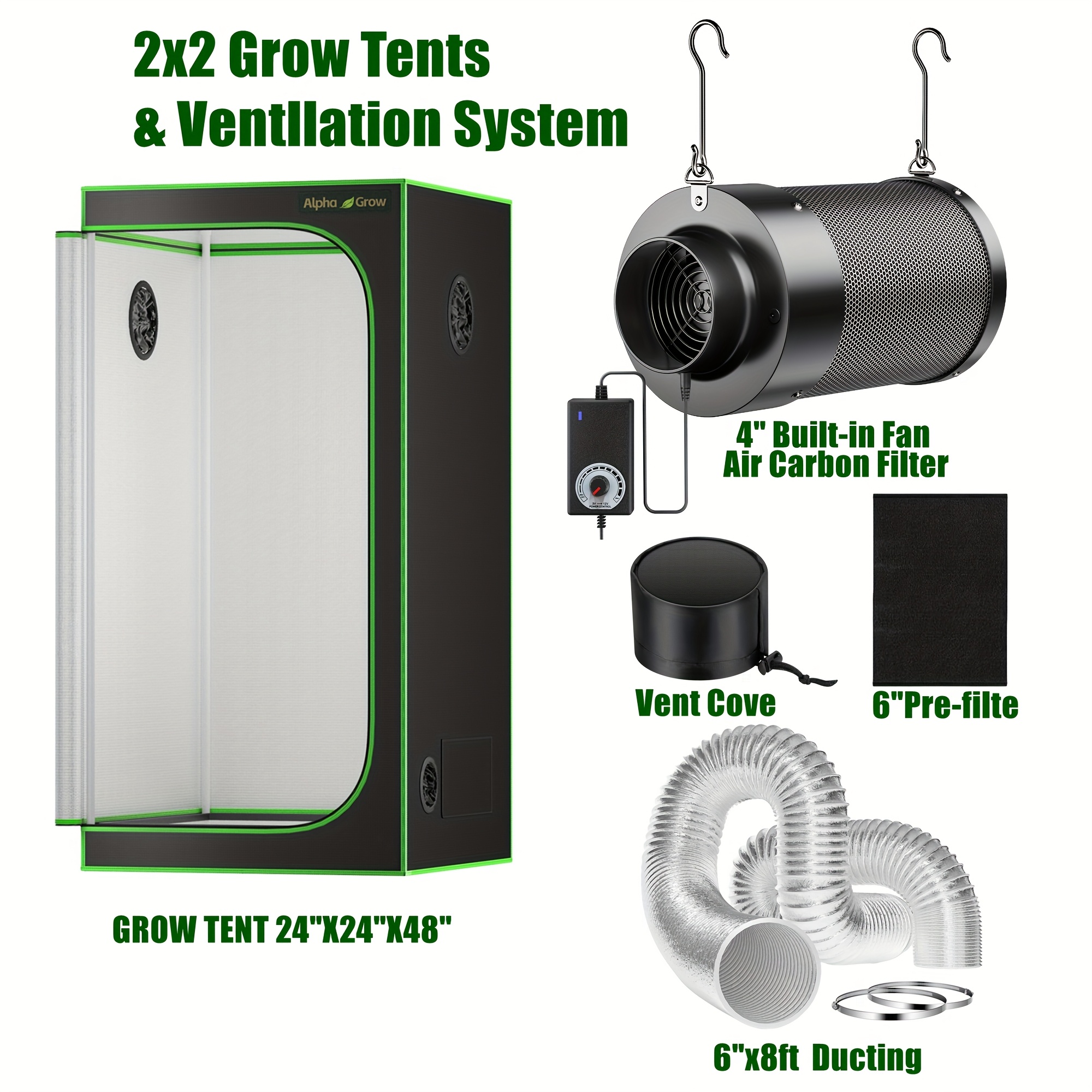
Inline fans move air through the tent quickly and quietly. They push stale air out and bring fresh air in. Exhaust fans remove hot, humid air to keep the environment stable. Choose fans based on the size of your tent for best results.
Carbon Filters
Carbon filters clean the air by removing odors and impurities. They attach to exhaust fans to filter the air before it leaves the tent. This keeps your grow space discreet and fresh. Replace filters regularly for consistent performance.
Ducting And Vents
Ducting connects fans and filters to guide air flow. Flexible duct tubes are easy to install and adjust. Vents let fresh air enter or exit the tent naturally. Position ducts and vents to create a smooth air path that covers the whole tent.
Oscillating Fans
Oscillating fans circulate air inside the tent. They prevent hot spots and strengthen plant stems. These fans move side to side, spreading air evenly around plants. Place them at different heights for better coverage and airflow.
Calculating Airflow Needs
Calculating the airflow needs for your grow tent is crucial to maintain healthy plants and a stable growing environment. Without the right ventilation, you risk overheating, excessive humidity, and poor air quality that can stunt growth. Let’s break down how to figure out exactly how much airflow your tent requires to keep everything running smoothly.
Determining Tent Volume
The first step is to find the total volume of your grow tent. Measure the length, width, and height in feet.
Multiply these three numbers together to get the volume in cubic feet.
For example, a 4 ft long, 4 ft wide, and 6 ft tall tent has a volume of 96 cubic feet (4 × 4 × 6 = 96).
Cfm Requirements
Next, calculate the Cubic Feet per Minute (CFM) of airflow needed to refresh the air inside the tent.
A good rule of thumb is to replace the entire volume of air every 1 to 3 minutes, depending on your setup. This means your required CFM is your tent volume divided by the number of minutes.
| Replacement Time | CFM Needed (for 96 cu ft tent) |
|---|---|
| 1 minute | 96 CFM |
| 2 minutes | 48 CFM |
| 3 minutes | 32 CFM |
Choosing a fan with a slightly higher CFM rating than calculated gives you some extra power on hot days or during flowering stages.
Adjusting For Heat And Humidity
Heat and humidity can drastically affect how much airflow you actually need. High-intensity lights or more plants produce more heat and moisture, which means your ventilation must work harder.
If you notice your tent feels warm or sticky, increase your fan speed or add an additional fan. You might also want to use a carbon filter or dehumidifier to keep conditions balanced.
Ask yourself: Are your plants showing signs of stress like wilting or mold? That’s often a sign your airflow needs adjustment.
Setting Up Exhaust System
Setting up an effective exhaust system in your grow tent is crucial for maintaining a healthy environment for your plants. It controls temperature, humidity, and air quality, preventing issues like mold and heat stress. Getting this right can make a significant difference in your grow success.
Positioning Exhaust Fans
Place your exhaust fan near the top of the grow tent because hot air rises. This placement helps remove the warm, stale air efficiently. Make sure the fan is securely mounted to avoid vibration noise that can disturb your plants.
Consider the size of your tent when choosing fan power. A fan too weak won’t exchange air fast enough, while an overly strong fan can dry out your plants. Think about how much air your tent holds and aim for a fan that can replace that volume every 1 to 3 minutes.
Installing Carbon Filters
Carbon filters are essential if you want to control odors. Attach the filter directly to your exhaust fan to trap smells before the air leaves the tent. Make sure the filter is snug and sealed to avoid leaks.
Hang the filter so that air flows through it correctly—usually, the fan pulls air through the filter. Check the filter regularly; if you notice less airflow or persistent odors, it might be time to replace it. Have you checked your filter’s condition lately?
Connecting Ducting Properly
Use flexible ducting to connect the exhaust fan and carbon filter to the outside of your grow space. Keep the ducting as straight and short as possible to reduce air resistance. Sharp bends or long runs can reduce airflow and strain your fan.
Secure all connections with duct clamps or strong tape to prevent air leaks. Leaks not only reduce efficiency but can also let unwanted pests or contaminants enter. Double-check your setup for tight seals before running the system full time.
Ensuring Fresh Air Intake
Fresh air intake is key for healthy plant growth in a grow tent. Position intake vents low to draw cool, clean air inside. This helps maintain good airflow and prevents heat buildup.
Ensuring fresh air intake is vital for a successful grow tent. Fresh air helps plants thrive by providing necessary CO2 and regulating temperature. Proper ventilation prevents mold and pests. Let’s dive into how to ensure fresh air flows into your grow tent effectively.Passive Vs Active Intake
Passive intake relies on natural airflow. It uses openings or vents without fans. This method is simple and cost-effective. Active intake uses fans to pull fresh air inside. It provides more control over airflow. Choose based on your grow tent size and needs.Placement Of Intake Vents
Position intake vents low in the tent. Cool, fresh air enters from below. This placement encourages natural airflow. It also helps maintain the right temperature. Ensure vents are unobstructed for maximum efficiency.Balancing Intake And Exhaust
Balance intake and exhaust for optimal ventilation. Match intake fan capacity with exhaust fan output. This balance prevents negative pressure inside the tent. It ensures a steady flow of fresh air. Use adjustable fans to fine-tune airflow levels.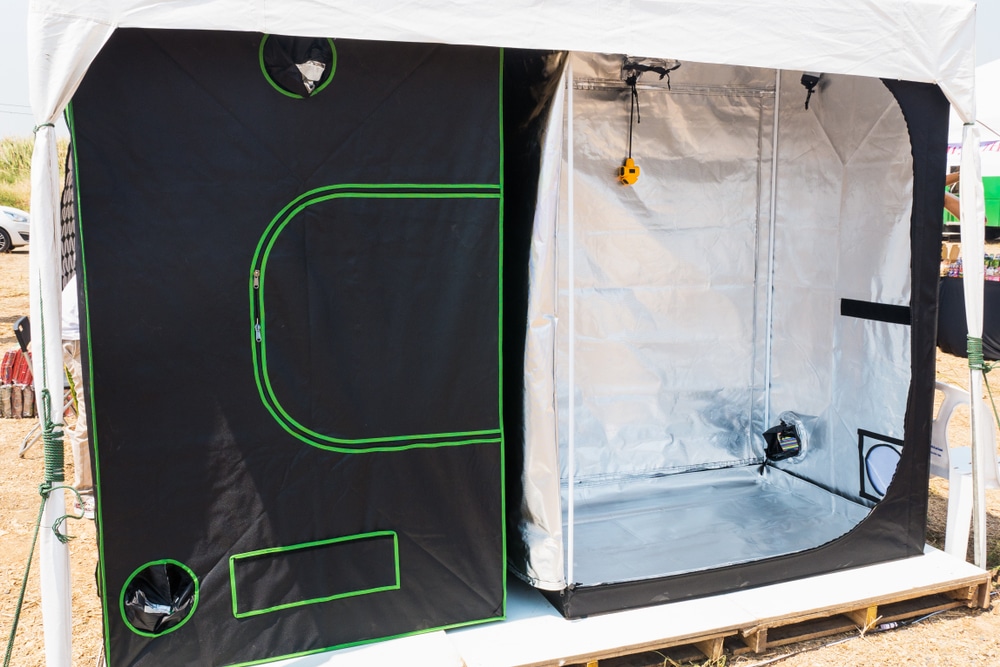
Credit: theseedfair.com
Controlling Temperature And Humidity
Controlling temperature and humidity is vital for healthy plant growth inside a grow tent. Proper levels prevent stress and diseases. They also help plants absorb nutrients better. Ventilation plays a key role in managing these factors. It moves fresh air in and removes excess heat and moisture.
Using Thermometers And Hygrometers
Thermometers measure the temperature inside the tent. Hygrometers track humidity levels. Place these devices at plant canopy height for accuracy. Check readings daily to understand your tent’s environment. Digital models provide quick, clear results. This data helps you decide when to adjust ventilation.
Adjusting Fan Speeds
Fans control airflow, which affects temperature and humidity. Increasing fan speed lowers heat and removes moisture. Slowing fans raises temperature and retains humidity. Use fans with adjustable settings for flexibility. Monitor thermometer and hygrometer readings to set the right speed. Proper airflow prevents mold and keeps plants cool.
Adding Dehumidifiers Or Humidifiers
Dehumidifiers reduce excess moisture in the air. They prevent mold and mildew inside the tent. Humidifiers add moisture when the air is too dry. They keep plants hydrated and healthy. Choose devices that fit your tent size. Place them where airflow distributes moisture evenly. Use controls to maintain stable humidity levels.
Maintaining And Troubleshooting
Maintaining and troubleshooting ventilation in a grow tent ensures healthy plant growth. Regular care keeps the air fresh and circulation steady. Problems can reduce air quality and affect your plants’ health. Watch for signs of poor ventilation and act quickly.
Cleaning Filters And Fans
Filters and fans collect dust and debris over time. This buildup slows airflow and strains equipment. Clean filters by removing them and gently washing with water. Let them dry completely before reinstalling. Wipe fan blades with a soft cloth to remove dust. Regular cleaning improves airflow and fan lifespan.
Checking For Air Leaks
Air leaks cause uneven airflow and temperature changes. Check all tent seams and openings carefully. Use tape or seals to close any gaps. Inspect ducting connections and fan mounts for tight fits. Proper sealing keeps air moving as intended and maintains stable conditions.
Common Ventilation Problems
- Low airflow due to clogged filters or weak fans
- Overheating caused by poor exhaust or blocked vents
- High humidity from insufficient fresh air exchange
- Noise from loose or unbalanced fans
- Odor buildup when carbon filters are old or damaged
Address these issues by cleaning equipment, tightening connections, and replacing worn parts. Monitoring ventilation regularly avoids bigger problems later.

Credit: canadagrowsupplies.com
Energy Efficiency Tips
Creating an energy-efficient grow tent is essential. It reduces costs and supports sustainable gardening. By optimizing ventilation, you can maintain a healthy environment while saving energy. Here are some practical tips to enhance energy efficiency in your grow tent.
Selecting Energy-saving Equipment
Choose fans with low energy consumption. Look for those labeled as energy-efficient. LED lights are a great option too. They use less power and produce less heat. This reduces the need for cooling. Consider using energy-efficient air filters. They help maintain airflow without using extra power.
Using Timers And Controllers
Timers help regulate when devices are on. Set them to match plant needs. This prevents unnecessary energy use. Smart controllers adjust ventilation based on temperature and humidity. They ensure optimal conditions without wasting energy. Keep your grow tent’s climate stable. It avoids overworking your equipment and saves energy.
Frequently Asked Questions
How Do I Choose The Right Fan For A Grow Tent?
Select a fan based on tent size and airflow needs. Inline fans are popular for efficient ventilation. Check fan CFM rating to match tent volume for optimal air exchange and plant health.
What Is The Best Way To Install Ventilation In A Grow Tent?
Install an exhaust fan near the tent top to remove hot air. Place an intake vent or fan at the bottom for fresh air. Use ducting and secure all connections to ensure proper airflow.
How Often Should I Replace Or Clean Grow Tent Filters?
Clean carbon and pre-filters every 1-2 months to maintain airflow and odor control. Replace filters every 6-12 months or as needed when airflow decreases or odors persist.
Can Ventilation Affect Humidity And Temperature Inside The Grow Tent?
Yes, proper ventilation controls humidity and temperature by circulating air. It prevents mold and heat stress, creating a stable environment for healthy plant growth. Adjust fan speed and vent openings to fine-tune conditions.
Conclusion
Setting up ventilation in a grow tent helps plants grow healthy. Good airflow controls temperature and humidity well. It also removes bad air and brings fresh oxygen. Choose fans and filters that fit your tent size. Place vents to allow steady air movement inside.
Keep checking your system to ensure it works right. Proper ventilation makes your grow tent a better place. This simple step leads to stronger plants and higher yields. Start with the basics, and adjust as you grow. Your plants will thank you for clean, fresh air.



