
Have you ever wondered if airing out your house really makes a difference? You might think it’s just a simple habit, but it can actually impact your health, comfort, and even your energy bills.
Imagine breathing fresher air, feeling more relaxed, and reducing indoor pollutants—all by opening a window or two. You’ll discover why airing out your home matters, when to do it, and how to do it right. Keep reading to unlock the secrets to a healthier, happier living space.
Benefits Of Airing Out Your Home
Airing out your home offers many benefits that improve your living space. Fresh air replaces stale indoor air, creating a healthier environment. Simple actions like opening windows can make a big difference. Let’s explore how airing out your home helps in several important ways.
Improving Indoor Air Quality
Opening windows brings fresh air inside and removes pollutants. Dust, allergens, and harmful gases leave your home. Clean air supports better breathing and reduces allergy symptoms. It also lowers the concentration of indoor toxins. A well-ventilated home feels lighter and more comfortable.
Reducing Moisture And Mold
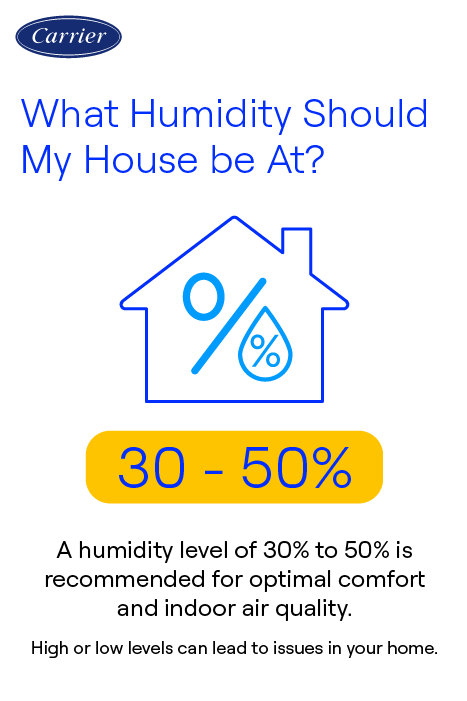
Air circulation helps control moisture levels in your house. Excess moisture causes mold growth and damages walls. Removing damp air prevents mold spores from spreading. Dry air protects your furniture and reduces health risks. Regular airing keeps your home dry and safe.
Eliminating Odors
Fresh air removes unpleasant smells from cooking, pets, and smoke. Stale indoor air traps odors inside your home. Opening windows lets clean air flow through. This simple step refreshes your space naturally. Your rooms will smell cleaner and feel inviting.
Boosting Mental Wellbeing
Fresh air positively affects your mood and energy levels. Natural ventilation reduces stress and promotes relaxation. Breathing clean air helps clear your mind and focus. A bright, airy room feels more uplifting and calm. Airing out your home supports a happier mindset.
When To Open Windows
Knowing the right time to open windows helps freshen your home effectively. It improves air quality and removes indoor pollutants. Timing matters to avoid letting in unwanted dust or extreme weather. Proper timing also saves energy by balancing indoor temperature and ventilation.
Best Times Of Day
Early morning is ideal for opening windows. The air is cooler and less polluted. Late evening also works well when temperatures drop. Avoid mid-afternoon when heat and pollution peak. Opening windows for 10 to 15 minutes is usually enough.
Seasonal Considerations
Spring and fall are great seasons to air out your home. Temperatures are mild, and pollen levels are lower. Summer windows should open early or late to avoid heat. Winter airing should be brief to keep warmth inside. Adjust window time based on seasonal weather changes.
Weather Conditions To Avoid
Do not open windows during heavy rain or storms. High winds can bring dust and debris indoors. Avoid opening windows when pollen count is high if allergic. Stay away from opening windows during extreme cold or heat. Checking the weather forecast helps pick the best airing times.
How Long To Air Out Rooms
Knowing how long to air out your rooms can make a big difference in improving your home’s air quality. It’s not just about opening windows; timing matters. Too short, and stale air lingers; too long, and you might lose heat or let in unwanted outdoor elements.
Short Vs. Long Ventilation
Short ventilation, usually 5 to 15 minutes, is perfect for quick freshening up. It lets in fresh air without drastically changing indoor temperature. I once aired out my living room for just 10 minutes after cooking, and the smell disappeared instantly.
Long ventilation, lasting 30 minutes or more, is better for deep cleaning the air. This is especially helpful after painting or if you’ve used strong cleaning products. Think of it as hitting the reset button for your room’s air.
Room Size And Airflow
Smaller rooms need less time to refresh air, sometimes just 5 minutes. Larger rooms or open spaces require longer to circulate air fully. Also, consider airflow—cross-ventilation by opening windows on opposite sides speeds up the process significantly.
For example, my bedroom feels fresh after 10 minutes with a fan by the window, but the living room takes closer to 20 minutes unless I open two windows for better airflow.
Frequency Of Ventilation
How often you air out rooms depends on your lifestyle and environment. If you live in a dusty or smoky area, daily ventilation is a must. Otherwise, airing out rooms 2-3 times a week can keep indoor air fresh without overcooling your space.
Ask yourself: when did you last notice stale or stuffy air? Regular ventilation can prevent that uncomfortable feeling and keep your home healthier.

Credit: ezbreathe.com
Tips For Effective Ventilation
Effective ventilation is key to keeping your home fresh and healthy. It helps remove stale air, reduces moisture, and lowers indoor pollutants. But how can you make sure you’re ventilating your space properly? Let’s dive into some practical tips that you can apply right away to improve airflow in your home.
Cross Ventilation Techniques
Cross ventilation happens when air flows between two opposite openings, like windows or vents. Positioning windows on opposite sides of a room allows fresh air to enter from one side and push stale air out the other.
Try opening windows or doors that face each other to create a natural breeze. Even small openings can work if placed correctly. Have you noticed how a simple change in window arrangement can instantly cool a room?
Using Fans To Enhance Airflow
Fans are great tools to boost ventilation, especially when natural airflow is limited. Ceiling fans help circulate air within a room, preventing it from becoming stagnant.
Portable fans can direct fresh air from an open window deeper into your home or push warm air out. Experiment with fan placement—sometimes pointing a fan towards an open window speeds up air exchange dramatically.
Ventilating Different Room Types
Different rooms need different ventilation strategies. Kitchens and bathrooms often require exhaust fans to remove moisture and odors quickly. In living areas and bedrooms, focus on creating gentle, consistent airflow with open windows and fans.
Basements and closed-off spaces can benefit from dehumidifiers combined with occasional airing out. Have you checked if your rooms feel stuffy or dry? Adjust your ventilation methods accordingly to match each room’s unique needs.
When Not To Air Out Your Home
Avoid airing out your home during high pollution or allergy seasons to keep indoor air clean. Also, don’t open windows in extreme cold or hot weather to save energy and maintain comfort.
When considering whether to air out your home, it’s crucial to recognize that there are specific times when it might be best to keep those windows closed. Not every day is ideal for letting the outside air in. Understanding these situations can help you maintain a healthier home environment.High Pollution Days
On days when pollution levels are high, opening your windows can invite harmful pollutants into your home. Cities and urban areas often experience spikes in air pollution. You can check local air quality reports to decide if it’s safe to air out your home.Extreme Weather
When the weather outside is extreme, whether it’s blistering hot or freezing cold, airing out your house might not be the best idea. Extreme temperatures can cause your HVAC system to work overtime. This can lead to increased energy bills and unnecessary wear on your heating and cooling systems.Allergy And Asthma Concerns
If you or a family member suffers from allergies or asthma, airing out your home during high pollen seasons can aggravate symptoms. Pollen and other allergens can easily float inside and settle on surfaces. Consider using air purifiers and keeping windows closed during peak allergy seasons to minimize exposure. By being mindful of these situations, you can make informed decisions about when to air out your home. What unique challenges do you face when deciding to open your windows?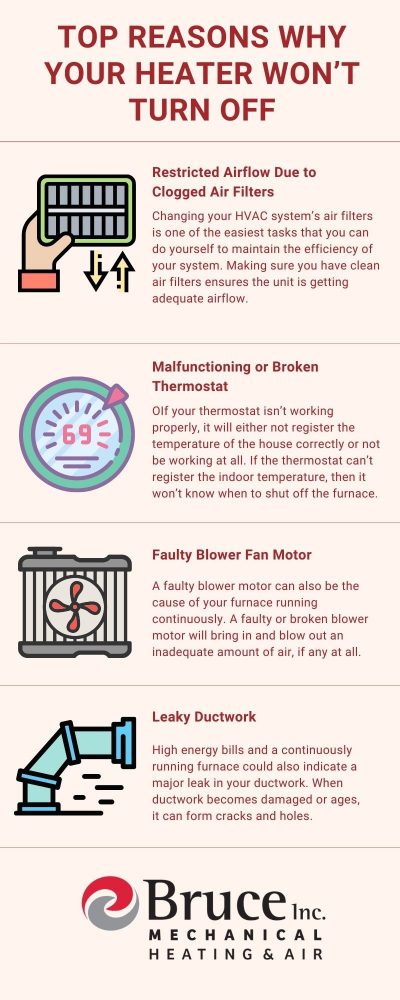
Credit: bruceinc.com
Alternative Ways To Freshen Indoor Air
Freshening your indoor air doesn’t always mean opening windows or airing out your house. There are several effective alternatives that can improve air quality and create a healthier living space. These options work well even when outdoor air isn’t ideal or when you want to maintain a controlled indoor environment.
Indoor Plants
Indoor plants are more than just decoration—they naturally filter the air. Plants like spider plants, snake plants, and peace lilies absorb toxins and release oxygen, making your home feel fresher. Plus, caring for plants can boost your mood and reduce stress.
Have you noticed how a room with greenery feels more inviting? Adding a few pots around your living space can subtly improve air quality without any extra effort.
Air Purifiers
Air purifiers are a smart choice if you want to remove allergens, dust, and pollutants from your indoor air. Devices with HEPA filters catch tiny particles that you can’t see but can affect your health. Some models even reduce odors and kill bacteria.
Think about your bedroom or workspace—wouldn’t cleaner air help you breathe easier and focus better? Investing in a quality air purifier can make a noticeable difference, especially during allergy season or in urban areas.
Regular Cleaning Habits
Keeping your home clean directly impacts the air you breathe. Dust, pet dander, and mold spores accumulate quickly and pollute indoor air. Vacuuming with a HEPA filter and wiping surfaces regularly can cut down these irritants.
Consider how often you clean hidden spots like under furniture or curtains. Small changes in your cleaning routine can lead to fresher air and a healthier home environment.
:strip_icc()/GettyImages-1252661448-1f78a2d2a89f497582d91ac9f46d167b.jpg)
Credit: www.bhg.com
Frequently Asked Questions
Why Is Airing Out Your House Important?
Airing out your house removes stale air and indoor pollutants. It improves air quality, reduces humidity, and prevents mold growth. Regular ventilation helps maintain a healthy living environment and refreshes your home naturally.
How Often Should You Air Out Your House?
It’s best to air out your house daily or at least several times a week. Open windows for 10-15 minutes to allow fresh air circulation. Frequency depends on weather, indoor activities, and air quality needs.
Can Airing Out Reduce Indoor Allergens?
Yes, airing out your home reduces indoor allergens like dust, pet dander, and mold spores. Fresh air circulation helps flush out irritants, improving respiratory health and comfort for allergy sufferers.
Is It Safe To Air Out Your House During Winter?
Yes, you can air out your house in winter by briefly opening windows. Short ventilation bursts prevent heat loss while refreshing indoor air. Use this method to balance warmth and air quality efficiently.
Conclusion
Air out your house to keep the air fresh and clean. It helps reduce dust, odors, and moisture inside. Open windows for a few minutes each day. This simple habit improves your home’s comfort and health. Remember, fresh air makes your living space better.
Try it and notice the difference yourself. A little airing out goes a long way.



