
Are you tired of feeling stuffy and uncomfortable inside your own home? Fresh air isn’t just about comfort—it’s about your health and well-being.
You might not realize it, but the air inside your house can be much more polluted than outside. Luckily, getting fresh air in your house doesn’t have to be hard or expensive. You’ll discover simple, effective ways to breathe easier and make your home a cleaner, healthier place.
Keep reading—you deserve to feel the difference fresh air can make.
Sources Of Indoor Air Pollution
Indoor air pollution can sneak into your home from many unexpected places. Understanding where these pollutants come from helps you take better control of your indoor air quality. Let’s look closely at the common sources that might be affecting your home’s air without you even realizing it.
Common Pollutants In Homes
Many everyday items release pollutants that build up indoors. Household cleaning products often contain harsh chemicals that evaporate into the air. Even furniture and carpets can emit volatile organic compounds (VOCs) over time.
Other frequent sources include:
- Cooking fumes from gas stoves
- Cigarette smoke lingering in fabrics and carpets
- Mold growth in damp areas like bathrooms and basements
- Pet dander and dust mites accumulating in soft furnishings
- Combustion appliances such as heaters and fireplaces emitting carbon monoxide
Have you noticed a stale or chemical smell in certain rooms? This could be a sign that these pollutants are present in your space.
Effects On Health And Comfort
Breathing polluted indoor air can cause headaches, fatigue, and irritation of your eyes, nose, and throat. Sensitive individuals, such as children and those with asthma, often feel these effects more strongly.
Poor air quality also affects your comfort by making the air feel stuffy and unpleasant. You might find yourself opening windows more often or using air fresheners that only mask the problem.
Consider how your family’s health might improve if you reduced these indoor pollutants. What small changes can you make today to breathe easier inside your home?
Credit: www.lifebreath.com
Ventilation Techniques
Ventilation is key to keeping indoor air fresh and healthy. It helps remove stale air and brings in oxygen-rich air. Proper ventilation reduces moisture, odors, and indoor pollutants. Several techniques improve airflow in your home effectively.
Natural Ventilation Methods
Natural ventilation uses windows, doors, and vents to move air inside. Opening windows on opposite sides creates a cross breeze. It pushes out warm air and pulls in cool air. Using trickle vents or small openings maintains airflow without big drafts. Placing vents high and low helps warm air escape and fresh air enter. Natural ventilation is simple and saves energy.
Using Exhaust Fans And Vents
Exhaust fans remove humid and stale air from rooms like kitchens and bathrooms. They stop mold and bad smells from building up. Vents in walls or ceilings help air leave the house. Use fans with timers or humidity sensors for better control. Exhaust fans work best when paired with fresh air sources. They keep the air balanced and comfortable.
Mechanical Ventilation Systems
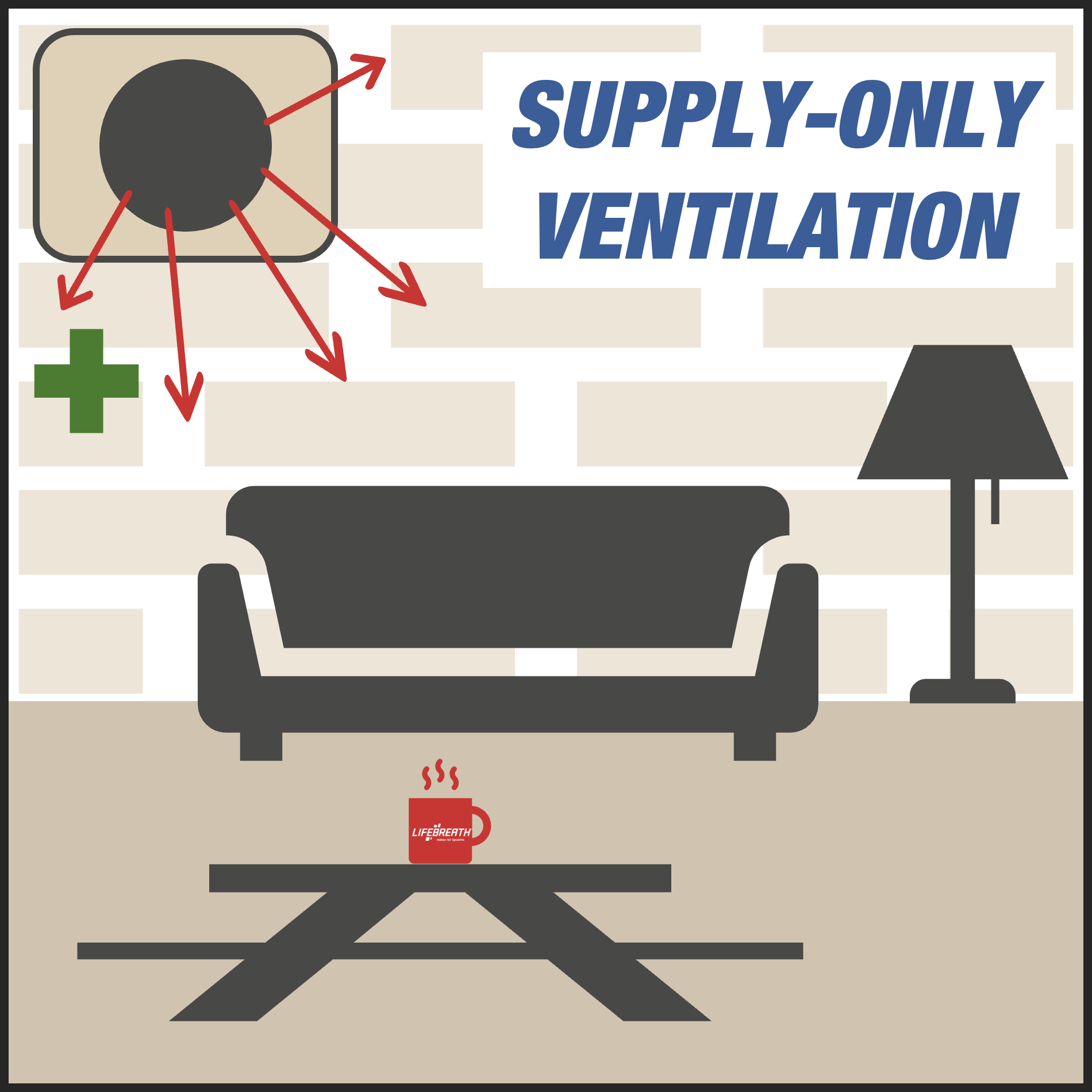
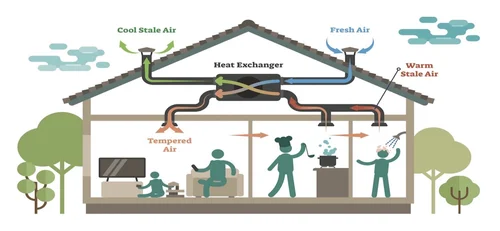
Mechanical ventilation uses machines to supply fresh air and remove stale air. Heat Recovery Ventilators (HRVs) and Energy Recovery Ventilators (ERVs) exchange heat between incoming and outgoing air. This saves energy while keeping air fresh. Mechanical systems work well in tightly sealed homes. They improve air quality all day, regardless of outdoor weather. Installation may require a professional for best results.
Air Purification Options
Getting fresh air inside your home isn’t just about opening windows. Air purification plays a crucial role in maintaining clean and healthy indoor air. You have several options to improve air quality, whether through technology or nature.
Choosing The Right Air Purifier
Picking an air purifier can feel overwhelming with so many models available. Focus on what you want to remove from your air—dust, pollen, smoke, or pet dander. Look for HEPA filters if allergens are your main concern; they capture 99.97% of particles as small as 0.3 microns.
Consider the size of the room where you’ll use the purifier. A small unit won’t work well in a large living room. Check the Clean Air Delivery Rate (CADR) to match your room size for effective purification.
Noise level is another factor. If you plan to run it at night, choose a quiet model. Some purifiers also come with additional features like carbon filters for odors or UV lights to kill germs.
Plants That Improve Air Quality
Adding plants to your home can naturally freshen the air. Certain houseplants absorb toxins and increase oxygen levels, making the environment healthier. Spider plants, snake plants, and peace lilies are easy to care for and effective at cleaning the air.
Place plants near areas where air tends to get stale, like bedrooms or home offices. Remember, plants work best alongside other air purification methods—they don’t replace air purifiers but complement them.
Do you know which plants grow best in your home’s light conditions? Choosing the right plant can boost your indoor air quality and add life to your space.

Credit: ezbreathe.com
Cleaning Habits For Fresh Air
Keeping your home air fresh starts with good cleaning habits. Dirt, dust, and moisture build up inside. These can make the air stale and unhealthy. Simple cleaning routines help remove these pollutants. They also stop allergens from spreading. Clean air means a healthier home and better breathing.
Reducing Dust And Allergens
Dust and allergens gather on surfaces and in the air. Regular dusting with a damp cloth traps dust instead of spreading it. Vacuum floors and carpets often using a vacuum with a HEPA filter. Wash bedding and curtains in hot water to kill dust mites. Declutter rooms to reduce places where dust hides. Keep pets groomed to lower pet dander in the air.
Managing Humidity Levels
Humidity affects air quality and comfort. Too much moisture causes mold and mildew. Use a dehumidifier in damp areas like basements. Fix leaks and ventilate bathrooms and kitchens well. Aim for indoor humidity between 30% and 50%. Use exhaust fans during cooking and showering to remove excess moisture. Proper humidity control keeps air fresh and prevents damage to your home.
Avoiding Indoor Pollutants
Indoor air quality significantly impacts health and well-being. Many homes have pollutants that can harm residents. Reducing these pollutants is crucial for fresh air indoors. Let’s explore ways to avoid common indoor pollutants.
Safe Use Of Household Products
Household products can release harmful chemicals. Use them carefully to maintain air quality. Always read labels before using cleaning products. Choose products with fewer volatile organic compounds (VOCs). These are safer for indoor air. Ensure proper ventilation when using these products. Open windows or use exhaust fans to dispel fumes. Store chemicals in a safe, well-ventilated area. This prevents accidental exposure to harmful gases.
Smoking And Its Impact Indoors
Smoking indoors greatly affects air quality. It releases harmful toxins into the air. Secondhand smoke is dangerous for everyone in the house. It can lead to respiratory issues and other health problems. If smoking cannot be avoided, do it outside. Create a designated smoking area away from doors and windows. This keeps smoke from re-entering the home. Encourage guests to smoke outside too. This maintains a cleaner indoor environment for everyone.
Credit: www.ehprenewables.com
Regular Maintenance Tips
Maintaining fresh air inside your home requires regular care. Small habits can greatly improve indoor air quality. These maintenance tips help keep air clean and healthy.
Inspecting And Cleaning Hvac Systems
Check your HVAC system regularly for dust and dirt buildup. Clean vents and ducts to prevent pollutants from circulating. A clean system runs more efficiently and improves air flow. Schedule professional inspections annually to catch issues early. Clear debris around outdoor units to ensure proper ventilation.
Replacing Filters Timely
Change your air filters on a regular schedule. Dirty filters block airflow and trap pollutants inside. Use filters with the right rating for your system. Mark filter change dates on a calendar as a reminder. Fresh filters reduce allergens and keep air fresh longer.
Frequently Asked Questions
How Can I Improve Indoor Air Quality Naturally?
Opening windows regularly allows fresh air to circulate and removes stale air. Use houseplants to absorb toxins and produce oxygen. Avoid smoking indoors and minimize use of harsh chemicals to keep air clean and healthy.
What Are The Best Ventilation Methods For Fresh Air?
Cross-ventilation by opening windows on opposite sides creates airflow. Use exhaust fans in kitchens and bathrooms to remove moisture and odors. Consider installing air vents or a mechanical ventilation system for constant fresh air exchange.
Which Houseplants Help Purify Indoor Air?
Plants like spider plants, snake plants, and peace lilies absorb pollutants effectively. They also increase oxygen levels and humidity. Place them in rooms with indirect sunlight for best air-purifying results.
How Often Should I Air Out My House?
Airing out your home for 10-15 minutes twice daily significantly improves air quality. It reduces indoor pollutants, moisture, and odors. Adjust frequency based on weather and pollution levels outside.
Conclusion
Fresh air makes your home feel clean and healthy. Open windows often to let air move freely. Use fans to push stale air outside. Keep plants inside to improve air quality naturally. Avoid smoking or burning candles indoors. Regularly clean your home to reduce dust and germs.
Small changes bring big fresh air benefits. Breathe easier, live better, and enjoy your space more.



