

Have you ever wondered when forced ventilation becomes more than just an option and actually a must? Whether you’re managing a building, working in an industrial setting, or simply want to keep your indoor air fresh and safe, understanding the right moments to use forced ventilation can save you from serious problems.
You’ll discover clear signs and essential reasons why forced ventilation isn’t just helpful—it’s crucial. Keep reading to learn how this simple system can protect your health, improve comfort, and even boost efficiency in your space. Don’t miss out on the key insights that could change how you breathe indoors.

Credit: www.jacc.org
Purpose Of Forced Ventilation
Forced ventilation plays a crucial role in many settings. It helps create safe and comfortable environments. This system moves air actively, unlike natural ventilation, which depends on wind or temperature differences. The purpose of forced ventilation covers key areas such as controlling harmful gases, maintaining good air quality, and regulating temperature.
Controlling Hazardous Gases
Forced ventilation removes dangerous gases from enclosed spaces. These gases can come from chemicals, fuel combustion, or industrial processes. Without proper ventilation, toxic gases build up and pose health risks. Forced ventilation ensures these harmful substances are diluted and expelled quickly. This protects workers and residents from breathing unsafe air.
Maintaining Air Quality
Good air quality improves comfort and health. Forced ventilation reduces dust, smoke, and unpleasant odors. It brings fresh air inside and pushes stale air out. This process helps prevent respiratory problems and allergies. Clean air supports better focus and productivity in workplaces and homes.
Temperature Regulation
Forced ventilation helps control indoor temperature. It moves hot air out and brings cooler air in during warm weather. In colder months, it can help distribute warm air evenly. Proper ventilation prevents overheating and reduces humidity. This creates a more comfortable and safer environment for occupants.
Situations Requiring Forced Ventilation
Forced ventilation is essential in many settings to ensure fresh air circulates properly. It helps remove harmful gases, dust, and fumes. Certain environments need forced ventilation to keep workers safe and maintain air quality. These situations often involve limited natural airflow or hazardous conditions. Below are key scenarios where forced ventilation must be used.
Confined Spaces
Confined spaces often have poor air circulation. Examples include tanks, tunnels, and storage rooms. These places can trap toxic gases or lack oxygen. Forced ventilation brings fresh air inside. It pushes out dangerous fumes and prevents suffocation. Without it, workers face serious health risks.
Industrial Workplaces
Factories and workshops produce dust, smoke, and chemicals. These can harm workers if not removed quickly. Forced ventilation helps clear the air fast. It controls airborne pollutants and maintains safe oxygen levels. Many industries require ventilation systems by law to protect employees.
Emergency Scenarios
During fires or chemical spills, smoke and toxins fill the air. Forced ventilation clears hazardous substances. It helps firefighters and rescue teams breathe safely. Ventilation systems reduce the risk of explosions and spread of harmful gases. Quick air exchange is critical in emergencies.
Types Of Forced Ventilation Systems
Forced ventilation systems help move air in places where natural airflow is not enough. These systems improve air quality and control temperature. Different types of forced ventilation suit various needs and spaces. Understanding them helps choose the right system for your building or project.
Mechanical Ventilation
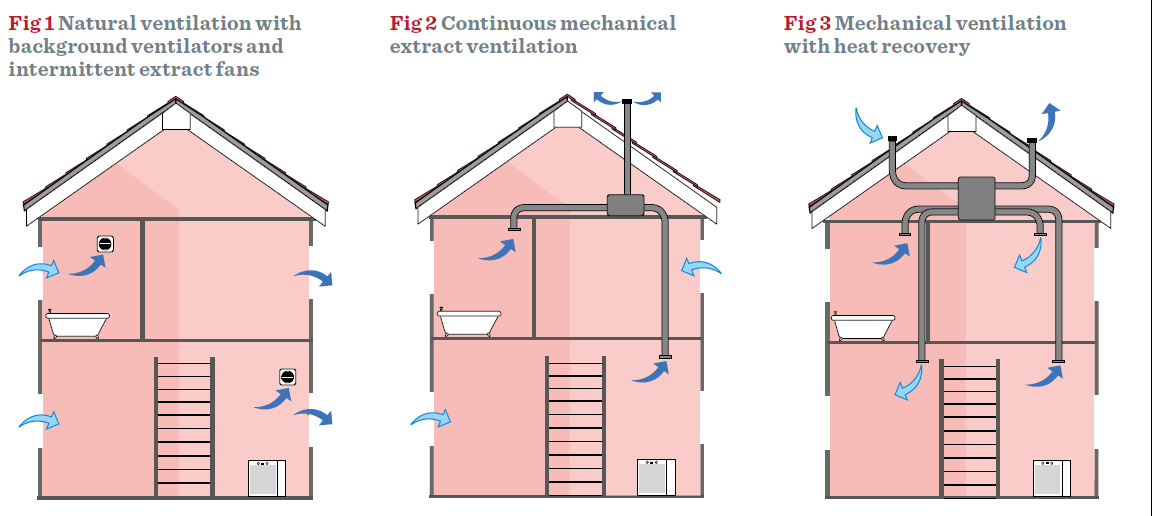
Mechanical ventilation uses fans or blowers to push air in or out. It controls airflow speed and direction precisely. Common in homes, offices, and factories, it ensures fresh air supply. It also removes stale air and harmful gases. Mechanical systems can be simple or complex depending on the space size.
Natural Vs. Forced Airflow
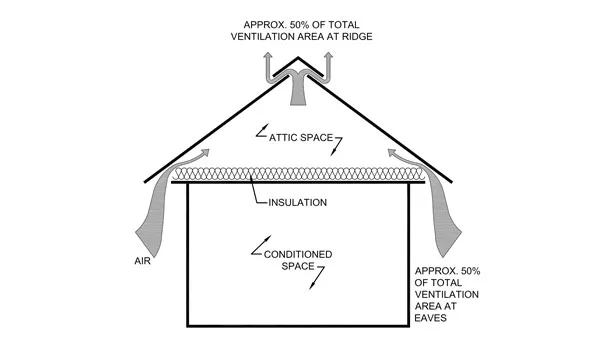
Natural airflow relies on wind and temperature differences to move air. It needs no power but is less reliable. Forced airflow uses machines to maintain constant air movement. It works well in sealed or crowded spaces. Forced ventilation ensures better control over air quality and comfort.
Local Exhaust Ventilation
Local exhaust ventilation captures pollutants at their source. It uses hoods, ducts, and fans near the pollution source. This system prevents harmful particles from spreading in the air. Common in workshops, labs, and kitchens, it protects workers’ health. Local exhaust is effective for removing smoke, dust, and fumes quickly.
Safety Standards And Regulations
Safety standards and regulations play a crucial role in deciding when forced ventilation must be used. These rules are designed to protect workers, occupants, and the environment by ensuring proper air quality and preventing hazardous conditions. Understanding these standards helps you maintain a safe space and avoid costly violations.
Occupational Health Guidelines
Occupational health guidelines focus on protecting workers from harmful airborne substances. Agencies like OSHA set limits on exposure to gases, dust, and fumes. If your workspace has contaminants above these limits, forced ventilation is often mandatory to reduce risks.
Have you checked if your workplace air quality meets these guidelines? Using forced ventilation can be a practical step to comply with these health standards and keep your team safe.
Building Codes
Building codes specify ventilation requirements for different types of structures. They ensure that indoor air stays fresh and pollutants don’t build up. Many codes require mechanical ventilation in areas like kitchens, bathrooms, and industrial sites.
Ignoring these codes can lead to fines or even shutdowns. Are you confident your building meets the current ventilation standards? Installing forced ventilation systems might be necessary to pass inspections and maintain a healthy environment.
Inspection And Maintenance Requirements
Regular inspection and maintenance of ventilation systems are often required by law. This ensures the equipment functions correctly and continues to meet safety standards. Neglecting maintenance can cause system failures and unsafe air quality.
Do you have a schedule to check your ventilation system? Staying proactive with inspections not only complies with regulations but also extends the life of your equipment and protects everyone inside.
Risks Of Inadequate Ventilation
Inadequate ventilation poses many risks in industrial and commercial settings. These risks can impact health, safety, and equipment. Ensuring proper ventilation reduces these dangers significantly.
Health Hazards
Poor ventilation leads to a buildup of harmful gases. Workers may inhale toxic fumes, causing respiratory issues. Long-term exposure can lead to chronic health problems. It’s essential for worker safety to maintain clean air.
Fire And Explosion Risks
Without proper ventilation, flammable gases can accumulate. This creates a high risk of fire or explosion. Ventilation systems help disperse these gases. Preventing dangerous situations is crucial in any workspace.
Equipment Damage
Dust and particles can settle on machinery. This accumulation leads to equipment malfunctions. Proper ventilation helps keep equipment clean. It extends the life and efficiency of machines. Protecting investments is vital for any business.
Credit: niceic.com
Best Practices For Forced Ventilation
Forced ventilation is essential in many settings to control air quality and maintain safety. Following best practices ensures the system works efficiently and protects health. Proper planning, consistent checks, and good training keep the ventilation system reliable and effective.
System Design Considerations
Design the ventilation system based on the specific area size and air quality needs. Choose fans and ducts that match airflow requirements. Place vents to allow fresh air in and remove contaminated air effectively. Use materials that resist corrosion and wear. Include backup power sources to avoid system failure. Ensure easy access for maintenance and repairs.
Regular Monitoring
Check the ventilation system regularly to catch problems early. Monitor airflow rates and filter conditions. Use sensors to track air quality and detect harmful gases. Keep records of inspections and maintenance activities. Fix issues quickly to prevent system downtime. Regular checks extend the system’s lifespan and maintain safety.
Training And Awareness
Train staff on how the forced ventilation system works. Teach them to recognize warning signs of poor ventilation. Show proper use and emergency procedures. Encourage reporting of any ventilation problems immediately. Awareness helps prevent accidents and health issues. Clear instructions ensure everyone supports system effectiveness.
Credit: www.roofingcontractor.com
Frequently Asked Questions
When Is Forced Ventilation Absolutely Necessary?
Forced ventilation is necessary when natural airflow is insufficient. It ensures proper air circulation in enclosed spaces. It helps remove contaminants, control humidity, and maintain safe oxygen levels. This is crucial in industrial settings, underground areas, and confined spaces to protect health and safety.
What Environments Require Forced Ventilation Systems?
Forced ventilation is required in environments like mines, tunnels, basements, and industrial plants. These areas lack adequate natural airflow. Forced ventilation prevents the buildup of harmful gases, dust, and heat. It maintains air quality and ensures worker safety in these confined or poorly ventilated spaces.
How Does Forced Ventilation Improve Air Quality?
Forced ventilation introduces fresh air and removes stale or polluted air. It helps control temperature, humidity, and airborne contaminants. This process reduces health risks from toxic gases and dust. It also enhances comfort and productivity by maintaining a clean and breathable atmosphere.
What Are The Common Types Of Forced Ventilation?
Common types include mechanical exhaust, supply ventilation, and balanced ventilation. Mechanical exhaust removes air, while supply ventilation pushes fresh air in. Balanced systems control both inflow and outflow for optimal air quality. Each type suits different spaces depending on ventilation needs and environmental conditions.
Conclusion
Forced ventilation must be used when natural airflow is not enough. It helps keep air fresh and safe in closed spaces. This system removes harmful gases and controls temperature. Proper use of forced ventilation improves comfort and health. Always check the environment and needs before choosing ventilation.
Good air circulation prevents problems and keeps people safe. Remember, fresh air is key to a healthy space.



