
Have you ever wondered what an HVAC actually does in your home or office? You rely on it every day for comfort, but understanding how it works can help you make better choices and save money.
This article will clear up the mystery and show you why your HVAC system is more important than you might think. Keep reading to discover how it keeps your space just right, no matter the season.
Credit: www.cantrellsheatingandairconditioning.com
Role Of Hvac Systems
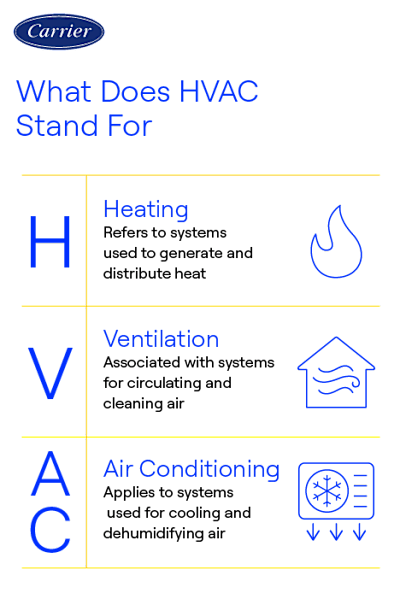
HVAC systems control indoor air quality and comfort. They manage temperature and airflow in buildings. Their role is vital for homes, offices, and public spaces. These systems keep environments safe and pleasant. Understanding their functions helps appreciate their importance.
Heating Functions
Heating systems warm indoor spaces during cold weather. They use furnaces, heat pumps, or boilers. These devices convert fuel or electricity into heat. Warm air or water circulates through ducts or pipes. This process maintains a cozy environment inside buildings.
Cooling Functions
Cooling systems remove heat from indoor air. Air conditioners and heat pumps perform this task. They absorb heat and release it outside. Cool air flows through ducts to lower room temperature. This keeps spaces comfortable during hot days.
Ventilation Importance
Ventilation exchanges indoor air with fresh outdoor air. It removes pollutants, odors, and moisture. Proper airflow prevents mold and improves health. Ventilation also balances temperature and humidity. It ensures clean, breathable air inside buildings.
Key Components Of Hvac
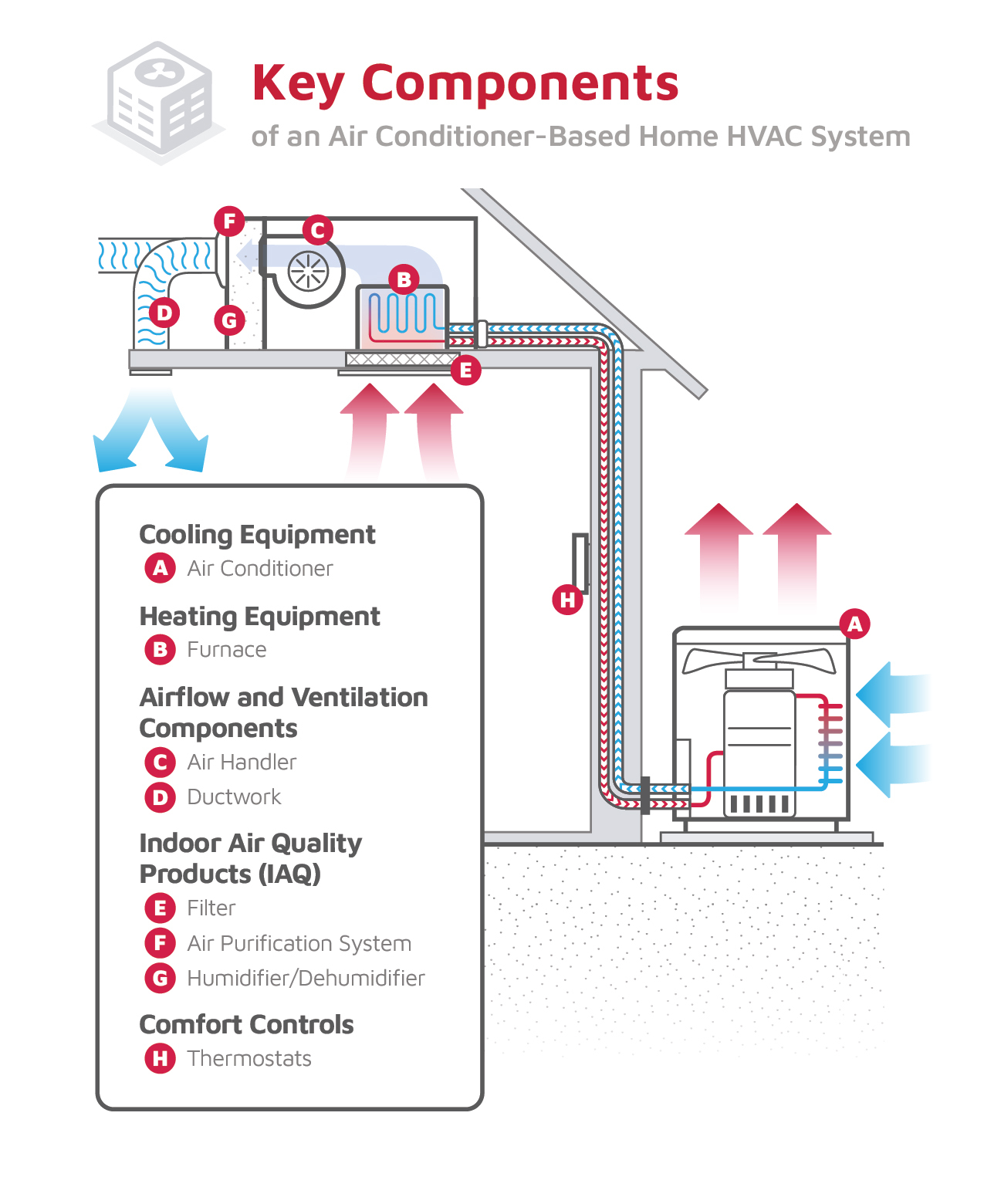
The key components of an HVAC system work together to keep your home comfortable year-round. Understanding these parts helps you spot issues early and maintain your system efficiently. Let’s break down the essentials so you know exactly what each does and why it matters for your comfort.
Furnace And Heat Pumps
The furnace is the heart of your heating system. It burns fuel or uses electricity to generate warmth that spreads through your home. Heat pumps, on the other hand, can both heat and cool by moving heat in or out, making them versatile and energy-efficient.
Have you ever felt a sudden drop in heat during winter? It might be time to check your furnace filters or schedule a tune-up. Heat pumps need regular maintenance too, especially before the seasons change.
Air Conditioners
Air conditioners remove heat from inside your home and push it outside, keeping your space cool and comfortable during hot days. The core components include the compressor, condenser coil, and evaporator coil.
Did you know a dirty condenser coil can reduce your AC’s efficiency? Cleaning it can lower energy bills and improve cooling. Regular inspections can help your AC last longer and perform better.
Ductwork And Vents
Ductwork acts like a network of highways for heated or cooled air to travel through your home. Vents are the exit points where this air enters your rooms. If ducts leak or vents get blocked, your HVAC system has to work harder, wasting energy.
Check your vents regularly to ensure nothing is blocking airflow. Sealing leaks in ductwork can boost your system’s performance significantly. Have you noticed uneven temperatures in different rooms? It could be a duct issue.
Thermostats And Controls
Thermostats let you set and control your home’s temperature. Modern smart thermostats learn your schedule and adjust settings automatically to save energy without sacrificing comfort.
Imagine coming home to a perfectly cooled or heated house without lifting a finger. That’s the power of smart controls. If your thermostat is old, upgrading might save you money and add convenience.
How Hvac Enhances Comfort
HVAC systems play a key role in making indoor spaces comfortable. They manage the air inside homes and offices to create a pleasant environment. Comfort is more than just temperature. It also involves controlling humidity and improving air quality. These factors work together to make living and working spaces more enjoyable.
Temperature Regulation
HVAC systems keep the temperature steady all year. They cool the air in summer and warm it in winter. This balance helps avoid sudden hot or cold changes. A steady temperature makes rooms feel cozy and inviting. It also helps people focus and relax.
Humidity Control
Humidity affects how comfortable the air feels. Too much moisture can cause dampness and mold. Too little makes the air dry and irritating. HVAC systems adjust humidity levels to a healthy range. This prevents problems like dry skin and allergies. Proper humidity keeps the air fresh and balanced.
Air Quality Improvement
Clean air is vital for health and comfort. HVAC systems use filters to trap dust, pollen, and other particles. They also remove odors and harmful gases. This creates a cleaner indoor environment. Better air quality reduces allergy symptoms and breathing issues. It helps everyone feel better inside their space.
Credit: www.carrier.com
Energy Efficiency Tips
Energy efficiency in your HVAC system can save you a significant amount of money and reduce your environmental impact. Small changes and routine care can make your heating and cooling system work smarter, not harder. Let’s look at some practical tips that can help you maximize energy efficiency without sacrificing comfort.
Regular Maintenance
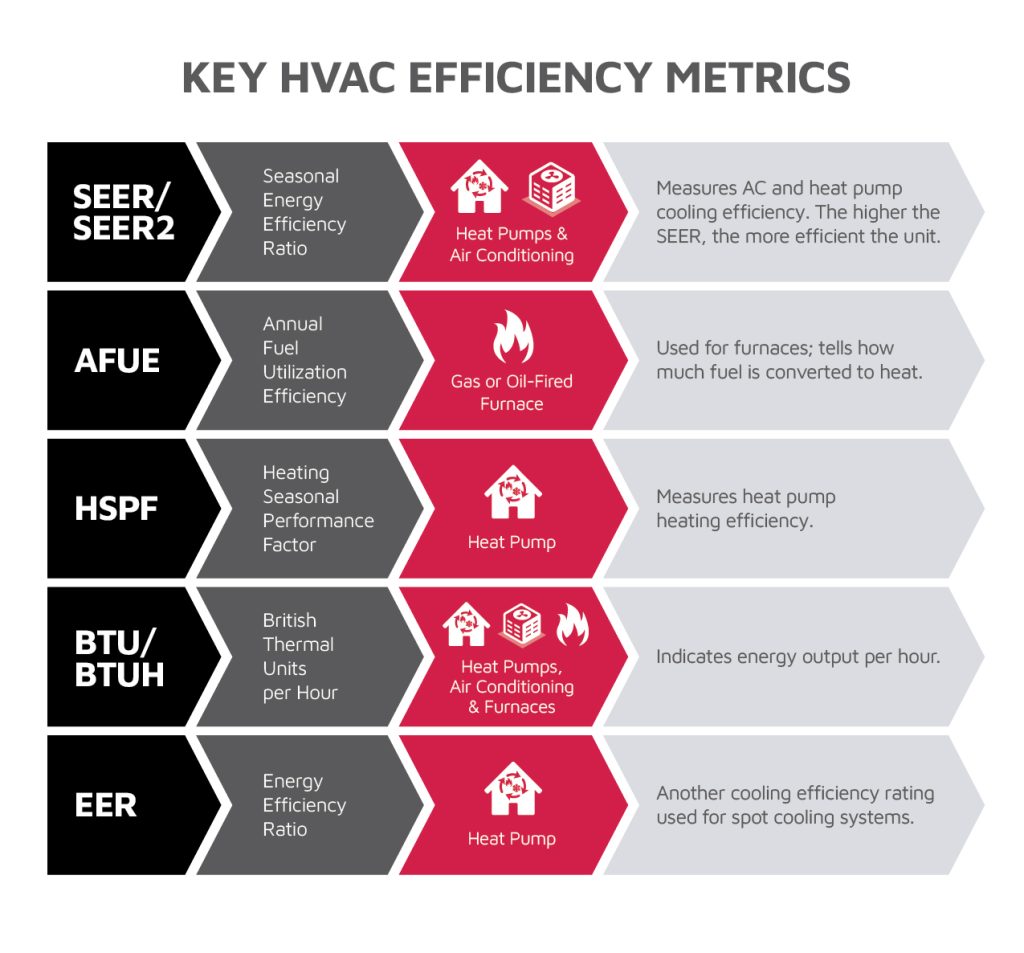
Keeping your HVAC system well-maintained is one of the easiest ways to boost energy efficiency. Cleaning or replacing filters every 1-3 months prevents dust buildup, which can make your system work harder and use more energy.
Have you ever noticed your utility bills jump unexpectedly? Often, it’s because clogged filters or dirty coils reduce airflow and force the system to consume more power.
Scheduling a professional tune-up once a year helps detect problems early and keeps your system running smoothly. Simple tasks like checking refrigerant levels and cleaning coils can improve performance and lower energy costs.
Upgrading Equipment
If your HVAC system is over 10 years old, it might be time to consider an upgrade. Modern units are designed with energy efficiency in mind and use advanced technology to reduce electricity consumption.
Look for ENERGY STAR certified products—they meet strict energy efficiency guidelines and often come with rebates or tax incentives. Upgrading can seem costly upfront but think about how much you’ll save on bills over time.
Imagine replacing an old furnace with a high-efficiency model that uses 20-30% less energy. How much more comfortable and cost-effective would your home be? That’s a real difference you can feel and see in your monthly expenses.
Smart Thermostat Benefits
A smart thermostat can transform how you manage your home’s temperature. These devices learn your schedule and preferences, adjusting heating and cooling automatically to avoid wasting energy when you’re not home.
Have you ever forgotten to turn down the heat before leaving? Smart thermostats solve this by letting you control your system remotely via smartphone apps.
Besides convenience, they provide detailed energy reports, helping you identify patterns and save more. Some models even integrate with other smart home devices, creating an efficient, connected environment tailored to your lifestyle.
Common Hvac Problems
Understanding common HVAC problems can save you time and money. These systems are complex, and when they falter, your comfort is at stake. Knowing the signs of malfunction and when to act can make all the difference.
Signs Of Malfunction
Is your HVAC system making strange noises? Unusual sounds like banging, clanking, or buzzing can indicate a problem. Another red flag is inconsistent temperatures throughout your home.
If your energy bills suddenly spike, your HVAC might be working overtime due to an issue. Also, weak airflow from the vents can suggest a blockage or a failing compressor. Keep an eye out for these signs to catch problems early.
Preventive Measures
Regular maintenance can prevent many HVAC issues. Change your air filters every 1-3 months to ensure smooth airflow. This simple step reduces strain on the system and improves air quality.
Consider scheduling annual professional inspections. They can spot potential problems before they become costly repairs. Also, keep the area around your HVAC unit clear of debris and clutter.
When To Call A Professional
Some HVAC problems require expert intervention. If you notice persistent issues despite your efforts, it’s time to call a professional. For instance, refrigerant leaks need specialized equipment and knowledge to fix.
Electric issues like frequent circuit breaker trips are also a sign to seek help. Never attempt to fix complex problems on your own, as this can lead to further damage. Trust the experts to ensure your system runs efficiently and safely.
Are you experiencing any of these issues with your HVAC system? Taking action now can prevent bigger headaches down the road. Prioritize comfort and efficiency in your home.
Credit: www.lennox.com
Future Of Hvac Technology
The future of HVAC technology promises to change how we heat and cool our homes. Advances in this field aim to save energy, reduce costs, and protect the environment. Innovations focus on making systems smarter and more efficient. These improvements will help create healthier living spaces and lower energy bills.
Eco-friendly Innovations
New HVAC systems use eco-friendly refrigerants that harm the ozone less. Technologies now focus on reducing carbon footprints. Some units recycle heat energy to save power. Using natural materials and designs helps reduce waste. These innovations support cleaner air and a healthier planet.
Smart Home Integration
Modern HVAC systems connect easily to smart home devices. Users control temperature settings from phones or voice commands. Systems learn user preferences and adjust automatically. This leads to better comfort and energy savings. Integration with other smart devices improves overall home efficiency.
Improved Energy Solutions
Energy-efficient HVAC units use less electricity and fuel. Variable speed compressors adjust power based on room needs. Heat pumps now work well in colder climates. Solar-powered HVAC options are becoming more popular. These solutions reduce utility bills and conserve resources.
Frequently Asked Questions
What Does An Hvac System Do In A Home?
An HVAC system controls heating, ventilation, and air conditioning. It maintains indoor comfort by regulating temperature and air quality efficiently.
How Does Hvac Improve Indoor Air Quality?
HVAC systems filter and circulate air, removing dust, allergens, and pollutants. This process ensures cleaner, healthier indoor air for occupants.
Why Is Hvac Maintenance Important?
Regular HVAC maintenance prevents breakdowns, improves efficiency, and extends system lifespan. It saves energy and reduces costly repairs over time.
What Components Make Up An Hvac System?
HVAC includes a furnace, air conditioner, ventilation ducts, and thermostats. Each part works together to regulate temperature and air flow.
Conclusion
An HVAC system controls the air in your home or office. It cools the space in summer and warms it in winter. It also helps keep the air clean and fresh. Regular care keeps the system working well and saves energy.
Knowing what an HVAC does helps you appreciate its role. It makes your space comfortable year-round. A well-maintained HVAC system supports your health and comfort. Simple steps can improve its efficiency and lifespan. Understanding this helps you make better choices for your home.



