
Are you curious about how to work in HVAC and build a career that keeps you in demand year-round? Whether you want to fix air conditioners, install heating systems, or maintain ventilation units, this field offers hands-on work and steady opportunities.
Imagine having skills that businesses and homeowners rely on every day. You’ll discover clear steps to start your HVAC career, what skills you need, and how to stand out in this growing industry. Keep reading, because your future in HVAC could begin right here.

Credit: www.youtube.com
Explore Hvac Career Paths
Exploring HVAC career paths opens many job opportunities. The HVAC field serves homes, offices, and large buildings with heating, ventilation, and air conditioning needs. Understanding the types of jobs and industry growth helps you choose the right path. The industry offers roles for beginners and skilled professionals alike.
Types Of Hvac Jobs
Many roles exist within HVAC, each with specific tasks. Here are common job types:
- HVAC Technician:Install, maintain, and repair heating and cooling systems.
- HVAC Installer:Set up new HVAC equipment in homes or buildings.
- HVAC Engineer:Design HVAC systems for efficient energy use.
- HVAC Service Manager:Lead teams and manage service operations.
- Refrigeration Technician:Focus on cooling and refrigeration units.
Each role requires different skills and training levels. Choose based on your interests and strengths.
Industry Demand And Growth
HVAC jobs show steady growth due to rising building needs. New construction and climate control upgrades increase job openings. Energy-efficient systems also push demand for skilled workers.
According to recent data, HVAC careers grow faster than many other trades. This trend ensures long-term job security. Many companies seek trained workers now and in the future.
The industry offers competitive wages and chances for advancement. Learning new technologies keeps your skills relevant. A career in HVAC can be both stable and rewarding.

Credit: www.achrnews.com
Gain Relevant Education
Gaining relevant education is the first step to start a career in HVAC. It provides basic knowledge about heating, ventilation, and air conditioning systems. Education helps build skills needed for hands-on work and problem solving.
Understanding the fundamentals in school prepares you for more advanced training. Many employers prefer candidates with formal education. Training also improves safety awareness and technical skills.
High School Courses To Consider
- Mathematics: Focus on algebra and geometry for calculations.
- Physics: Learn basic principles of heat and electricity.
- Drafting or Technical Drawing: Understand mechanical plans and blueprints.
- Computer Science: Get familiar with control systems and software.
- Shop Classes: Gain experience with tools and mechanical work.
Technical Schools And Certifications
Technical schools offer specialized HVAC training programs. These programs last from a few months to two years. They cover installation, maintenance, and repair of HVAC systems.
Certifications increase job opportunities and credibility. The EPA Section 608 Certification is essential for handling refrigerants. Other certifications include NATE and HVAC Excellence.
Choose programs that offer hands-on training and industry connections. Accredited schools provide recognized certifications for better career prospects.
Develop Practical Skills
Developing practical skills is essential for a successful career in HVAC. These skills help you handle real-world tasks with confidence and accuracy. Practical experience complements theoretical knowledge and prepares you for daily challenges. Focus on gaining hands-on experience and mastering key technical abilities.
Hands-on Training Opportunities
Training in a workshop or on the job provides valuable experience. Look for apprenticeships or internships to work alongside experienced technicians. Practice installing, repairing, and maintaining HVAC systems. Use tools and equipment regularly to build comfort and precision. Simulated training environments also help improve troubleshooting skills. Consistent practice builds confidence and competence.
Key Technical Competencies
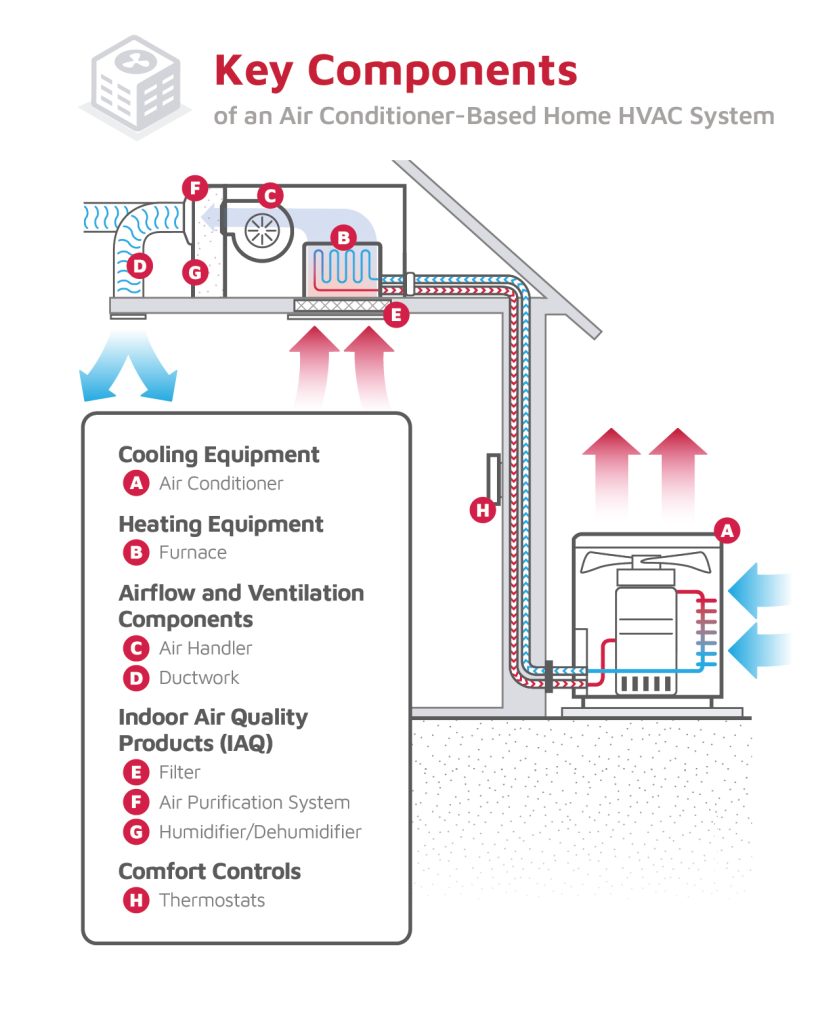
Master core skills that HVAC jobs require. Understand system components like compressors, condensers, and evaporators. Learn to read blueprints and wiring diagrams accurately. Develop skills in electrical work and refrigeration cycles. Know how to use diagnostic tools and meters. Practice safety procedures to protect yourself and clients. These competencies ensure you perform tasks efficiently and safely.
Obtain Necessary Certifications
Before you dive into working in HVAC, securing the right certifications is crucial. These credentials not only prove your skills but also open doors to better job opportunities and higher pay. Knowing exactly which certifications you need can save you time and frustration down the road.
Epa Certification
The Environmental Protection Agency (EPA) requires HVAC technicians handling refrigerants to have proper certification. Without this, you can’t legally work on air conditioning systems that use certain chemicals.
There are three types of EPA certifications:
- Type I: For small appliances like window air conditioners.
- Type II: For high-pressure systems such as split systems and chillers.
- Type III: For low-pressure systems like chillers and large commercial systems.
Many technicians find it useful to get the Universal Certification, which covers all three types. This certification requires passing a test that covers safety, regulations, and proper handling of refrigerants.
Have you thought about how missing this certification might limit your job options? It’s often the baseline requirement employers check before hiring.
Additional Licenses And Credentials
Beyond EPA certification, some states and employers require additional licenses or credentials. These can include:
- State HVAC licenses
- EPA Section 608 certification (sometimes required separately)
- Specialty certifications for heating systems, electrical work, or energy efficiency
For example, if you want to work in a state like California or New York, you may need a state-specific HVAC license. These often require passing a written exam and demonstrating hands-on experience.
Certifications from organizations like HVAC Excellence or NATE (North American Technician Excellence) can give you a competitive edge. They prove you’ve mastered specific skills and can handle complex systems.
Ask yourself: which credentials will make you stand out in your local job market? Researching this can help you prioritize which certifications to pursue first.
Build Work Experience
Gaining hands-on experience is key to thriving in the HVAC field. Building your work experience lets you apply what you’ve learned and sharpen your skills in real-world settings. It also helps you understand the daily challenges and solutions that HVAC professionals face, making you more confident and capable.
Apprenticeships And Internships
Apprenticeships offer a structured way to learn while you earn. You work alongside seasoned HVAC technicians who guide you through tasks and troubleshooting. This on-the-job training is often paired with classroom learning, providing a balanced skill set.
Internships can also be valuable, especially if you’re still in school or recently graduated. They give you a chance to explore different aspects of HVAC work, from installations to maintenance. Have you considered reaching out to local HVAC companies to ask about internship openings?
Entry-level Job Roles
Starting in entry-level positions like HVAC helper or assistant allows you to get your foot in the door. These roles might involve basic tasks such as carrying tools, cleaning equipment, or assisting with simple repairs. Don’t underestimate these jobs—they build your foundation and expose you to the workflow and safety standards.
Employers appreciate candidates who show eagerness to learn and reliability, even in entry roles. Could taking on these responsibilities today open doors to becoming a certified technician tomorrow? Experience gained here often leads to more complex and better-paid opportunities.
Network In The Hvac Industry
Building connections with experienced HVAC professionals helps you learn the trade quickly. Attending industry events and joining local groups opens doors to job opportunities. Networking creates support and guidance in this hands-on field.
Networking in the HVAC industry can significantly boost your career opportunities and open doors to new experiences. Building connections is not just about exchanging business cards; it’s about creating relationships that can guide you, mentor you, and even inspire you. Whether you’re a seasoned professional or just starting, networking is a powerful tool that can help you stay updated with the latest industry trends and developments.Professional Associations
Joining professional associations is an excellent way to expand your network. These organizations often host events and seminars where you can meet industry leaders and peers. Being part of a community allows you to share knowledge, discuss challenges, and collaborate on solutions. Consider associations like the Air Conditioning Contractors of America or the American Society of Heating, Refrigerating, and Air-Conditioning Engineers. Membership in these groups can enhance your credibility and provide valuable resources for career advancement.Job Fairs And Industry Events
Attending job fairs and industry events can put you face-to-face with potential employers and colleagues. These events are not just about finding a job; they’re about showcasing your skills and learning about new opportunities. Prepare a short introduction about yourself and your experience. Make sure to ask questions and listen actively to others; this shows genuine interest and can make a lasting impression. Have you ever attended an event and walked away with a new perspective or contact that changed your career path? If not, it’s worth giving it a try. The benefits of these interactions can be immediate or unfold over time, leading to unexpected opportunities. Connecting with others in the HVAC industry can transform your career trajectory and offer insights you might not find elsewhere. So, why not take the first step and start networking today?Prepare For Job Applications
Preparing for job applications in the HVAC field requires clear focus and good preparation. Employers want to see your skills and experience clearly. You must organize your information to stand out from other candidates. This step helps build confidence before applying for HVAC jobs.
Crafting A Strong Resume
Your resume should highlight your HVAC skills and experience. Use short sentences and clear words. Include your training, certifications, and any hands-on work. Show your ability to handle tools and equipment safely.
Structure your resume well:
- Contact information at the top
- Summary of your skills and goals
- Work experience with job titles and dates
- Education and certifications
- Any special achievements or projects
Use bullet points to list your tasks and results. Avoid long paragraphs. Make your resume easy to scan quickly.
Interview Tips For Hvac Roles
Practice clear, confident answers to common questions. Show you understand HVAC systems and safety rules. Be ready to discuss your past work and how you solved problems.
Remember to:
- Dress neatly and arrive on time
- Bring copies of your resume and certifications
- Listen carefully and answer clearly
- Ask questions about the job and company
- Show a positive attitude and eagerness to learn
Preparing well will boost your chances of landing the HVAC job you want.
Plan For Career Advancement
Building skills in HVAC involves hands-on training and understanding system basics. Gaining certifications boosts job opportunities and career growth. Stay updated with new technologies to remain competitive in the field.
Planning for career advancement in HVAC is essential for anyone looking to excel in this dynamic field. As technology evolves, so do the opportunities for growth and specialization. Whether you’re just starting or have years of experience, setting a clear path for advancement can lead to greater job satisfaction and financial rewards. But how do you ensure that your career is on the right trajectory?Continuing Education
To stay competitive, continuous learning is key. Enrolling in advanced HVAC courses can keep you updated on the latest technologies and techniques. Many technical schools and community colleges offer specialized programs that fit your schedule. Investing time in workshops and seminars can also enhance your expertise. These events not only provide valuable knowledge but also networking opportunities with industry leaders. What’s the last thing you learned that made a real difference in your work?Specializations And Certifications
Choosing a specialization can significantly boost your career. Consider focusing on areas like green energy solutions or commercial HVAC systems. Specializing not only sets you apart but also allows you to command higher salaries. Certifications are another powerful tool for advancement. Earning certifications from recognized bodies like NATE or EPA demonstrates your commitment to excellence. They validate your skills and can open doors to more advanced positions. Have you thought about which certification would best align with your career goals? By strategically planning your career, you can ensure long-term success and fulfillment in the HVAC industry.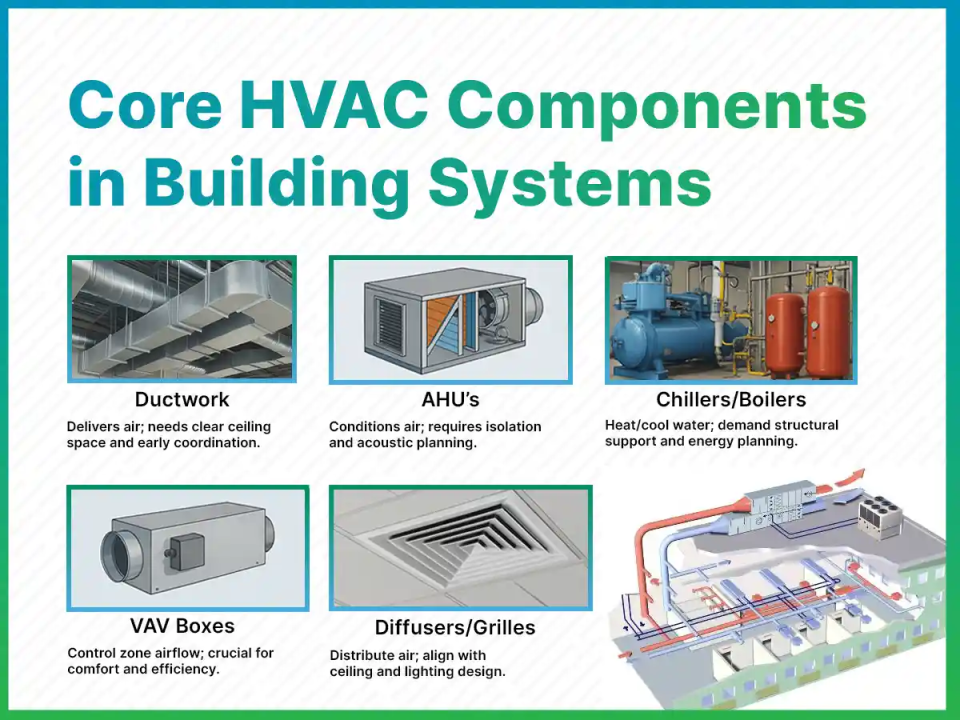
Credit: www.tejjy.com
Frequently Asked Questions
What Qualifications Are Needed To Work In Hvac?
To work in HVAC, you need a high school diploma or GED. Completing a technical training program or apprenticeship is essential. Certification like EPA 608 is often required. Strong mechanical skills and knowledge of electrical systems help in this field.
How Long Does Hvac Training Take?
HVAC training typically lasts 6 months to 2 years. It depends on the program and level of certification. Apprenticeships provide hands-on experience and can extend training time. Continuous learning is crucial due to evolving technology in HVAC.
What Skills Are Important For Hvac Technicians?
Important skills include mechanical aptitude, problem-solving, and attention to detail. Good communication helps when dealing with clients. Physical stamina is needed for manual tasks. Familiarity with tools and safety protocols is essential for HVAC work.
How Much Can You Earn Working In Hvac?
HVAC technician salaries vary by location and experience. Entry-level technicians earn around $30,000 to $40,000 annually. Experienced technicians can make $50,000 to $70,000 or more. Specialized skills and certifications often increase earning potential.
Conclusion
Working in HVAC offers steady jobs and good pay. You need basic skills, training, and safety knowledge. Start with a course or apprenticeship to gain experience. Keep learning about new tools and systems. Hard work and patience help you grow in this field.
HVAC work keeps homes and businesses comfortable year-round. This career suits those who like fixing things and working with their hands. With the right effort, you can build a solid future in HVAC.



