
Have you ever wondered what keeps your home comfortable no matter the season? Understanding how an HVAC system works can give you the power to take control of your indoor environment.
Whether it’s cooling you down on a hot day or warming you up when it’s freezing outside, your HVAC system is the silent hero behind your comfort. You’ll discover exactly how this system operates, why it’s essential, and how knowing its basics can help you save money and improve your home’s air quality.
Ready to unlock the secrets behind your heating and cooling? Let’s dive in!
Credit: www.tejjy.com
Basics Of Hvac Systems
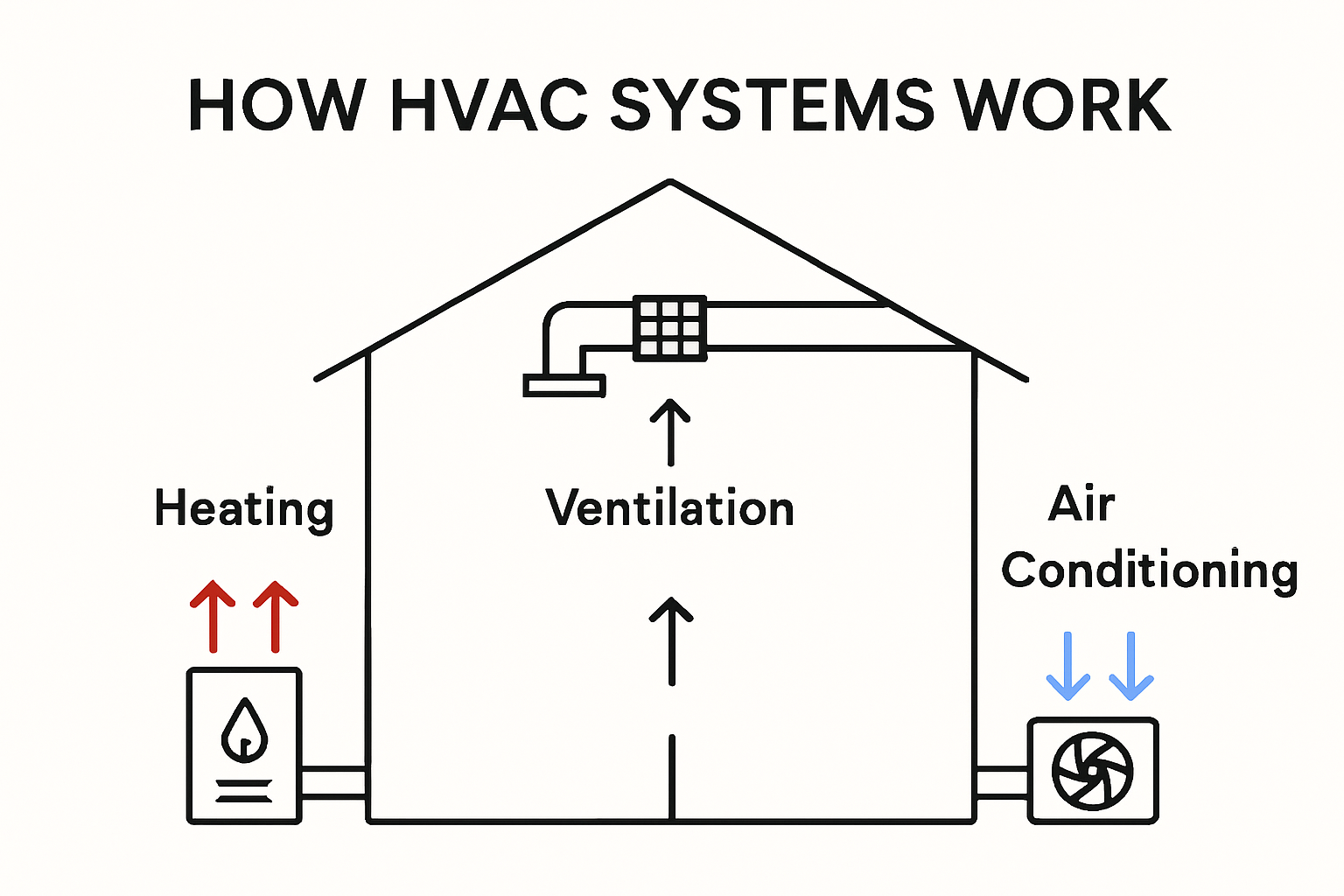
Understanding the basics of HVAC systems can make a big difference in how you manage your home’s comfort and energy use. HVAC stands for Heating, Ventilation, and Air Conditioning. These systems work together to regulate temperature, improve air quality, and keep your living space comfortable all year round.
Components Of Hvac
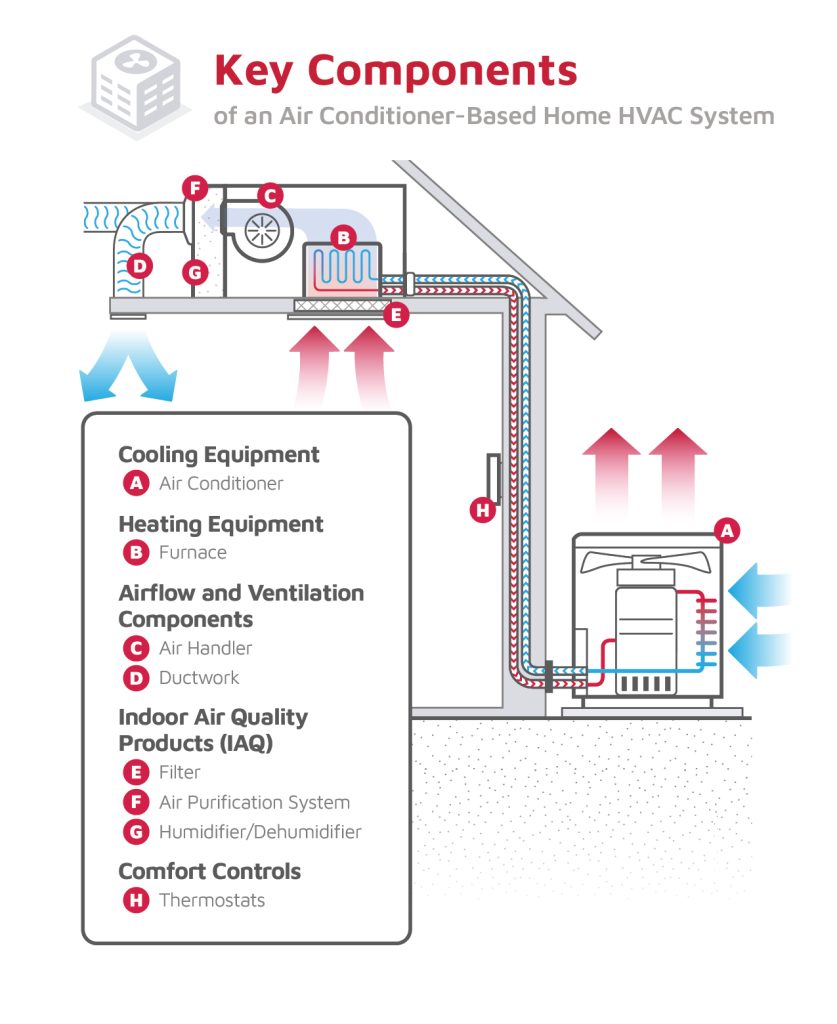
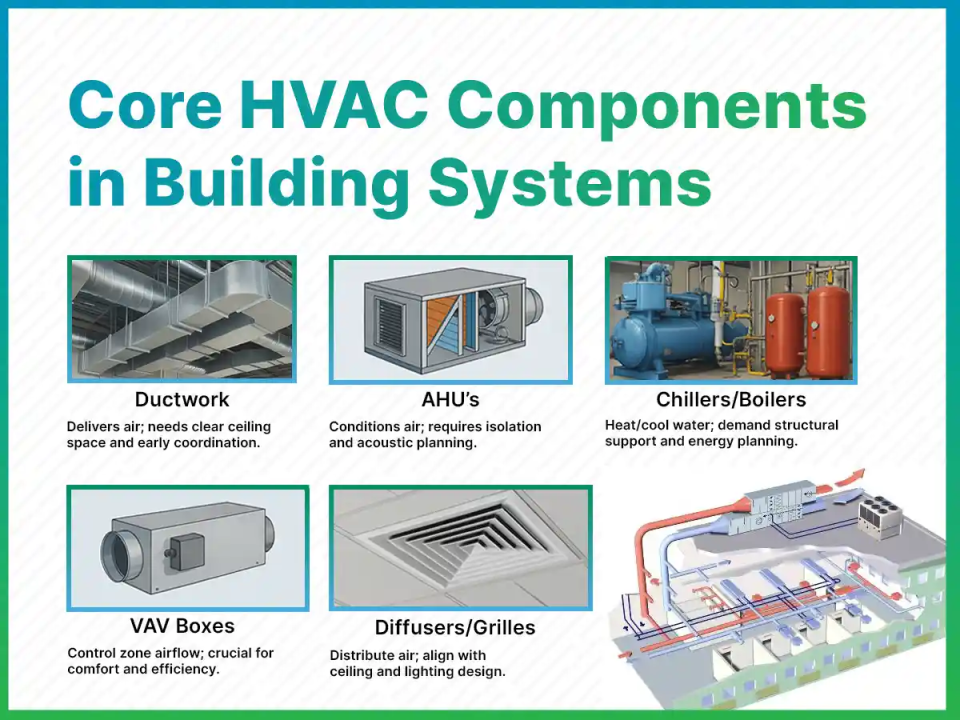
Every HVAC system has a few key parts that work together seamlessly. These include:
- Thermostat:The control center where you set your desired temperature.
- Furnace or Heater:Produces heat during cold weather.
- Air Conditioner:Cools your home during hot months.
- Ventilation System:Moves air in and out to improve indoor air quality.
- Ductwork:Channels air throughout your home.
- Filters:Trap dust, allergens, and other particles.
Each part plays a crucial role. For example, a dirty filter can reduce efficiency and increase your energy bills. Have you checked yours recently?
Types Of Hvac Systems
You’ll find several types of HVAC systems designed to fit different needs and spaces. The most common ones include:
- Split Systems:Separate units for heating and cooling, typically found in many homes.
- Packaged Systems:All-in-one units usually installed outside, ideal for small spaces.
- Ductless Mini-Split Systems:Great for homes without existing ductwork; they provide flexible heating and cooling.
- Hybrid Systems:Combine a furnace with an electric heat pump for energy efficiency.
Choosing the right type depends on your home’s size, insulation, and climate. What kind of system do you think fits your lifestyle best?
Heating Process
The heating process in an HVAC system is what keeps your home warm and comfortable during cold months. Understanding how heat is generated and distributed can help you make smarter choices about your system’s maintenance and upgrades. Let’s look closer at the main ways your HVAC system produces heat.
How Furnaces Work
Furnaces are one of the most common heating sources. They burn fuel—usually natural gas, propane, or oil—to create heat. This heat warms air, which is then blown through your home by a fan and duct system.
Inside the furnace, a component called the heat exchanger transfers heat from burning fuel to the air. The air never touches the fuel directly, which keeps it safe and clean. You might notice your furnace cycling on and off—that’s the thermostat controlling the temperature to keep your home cozy.
Have you ever wondered why your furnace sometimes makes a strange noise? It could be a sign that something needs attention, like a dirty filter or a failing blower motor. Paying attention to these details can save you from costly repairs.
Heat Pumps Explained
Heat pumps work differently by moving heat instead of creating it. During winter, they extract heat from outside air—even when it’s cold—and bring it inside. This might sound surprising, but heat pumps can be very efficient in moderate climates.
One benefit of heat pumps is their ability to reverse the process in summer, acting as an air conditioner. They use refrigerant to absorb and release heat, cycling it through indoor and outdoor coils. This dual function can reduce the need for separate heating and cooling systems.
If you live in an area with mild winters, a heat pump might lower your energy bills. But have you checked if your home insulation is good enough? Without proper insulation, a heat pump’s efficiency drops significantly.
Radiant Heating Methods
Radiant heating warms your home by directly heating floors, walls, or ceilings. Instead of heating air, it heats surfaces, which then radiate warmth throughout the room. This method creates a comfortable, even heat without drafts.
There are two main types of radiant heating: electric and hydronic (water-based). Electric systems use heating cables embedded in floors, while hydronic systems circulate warm water through pipes. Both types are often installed under tile or hardwood floors for maximum effect.
Have you ever felt that cozy warmth from heated floors on a chilly morning? That’s radiant heat in action. It’s quiet, efficient, and can be a perfect solution for people with allergies since it doesn’t circulate dust like forced air systems.
Cooling Process
The cooling process in an HVAC system is what transforms a hot, sticky room into a comfortable, refreshing space. Understanding how this process works can help you appreciate the technology behind your air conditioner and even troubleshoot minor issues. It’s more than just blowing cold air; it’s a carefully controlled cycle of heat transfer and air movement.
Air Conditioning Mechanics
Your air conditioner works by moving heat from inside your home to the outside. It uses a compressor to squeeze refrigerant gas, which raises its temperature and pressure. This hot gas then travels outside to release heat, allowing cooler air to flow back inside.
Think about the last time you felt hot after mowing the lawn and stepping into a cool room. That relief comes from the air conditioner removing heat and moisture from the air, not just blowing cold air around. This is why a properly working system feels so refreshing.
Role Of Refrigerants
Refrigerants are special fluids that absorb and release heat efficiently. They cycle through different states, from liquid to gas and back, to carry heat away from your home. Without refrigerants, the cooling process simply wouldn’t happen.
The type of refrigerant can affect your system’s efficiency and environmental impact. Newer refrigerants are designed to be safer for the planet while still providing strong cooling power. Knowing this might make you think twice about older units that use outdated chemicals.
Evaporator And Condenser Functions
The evaporator and condenser are two key components that make the cooling cycle possible. Inside your home, the evaporator coil absorbs heat from the air, cooling it down. This cooled air is then blown through your vents.
Outside, the condenser coil releases the heat absorbed by the refrigerant to the outside air. The compressor and fans help move the refrigerant between these coils, keeping the process continuous. Have you ever noticed how the outdoor unit gets hot during operation? That’s the condenser doing its job.
Credit: projecthvac.com
Ventilation Importance
Ventilation plays a key role in how an HVAC system works. It helps move air in and out of your home or building. Proper ventilation keeps the air fresh and comfortable. It controls moisture, odors, and pollutants. Without good ventilation, indoor air can become stale and unhealthy.
Airflow Management
Airflow management means controlling how air moves inside a space. HVAC systems use fans and ducts to push and pull air. This ensures air reaches every room evenly. Proper airflow prevents hot or cold spots. It helps keep the temperature balanced and consistent. Good airflow also reduces energy use by making heating and cooling more efficient.
Indoor Air Quality
Indoor air quality depends on clean and fresh air. Ventilation removes dust, allergens, and harmful gases. It brings in fresh air from outside. Filters in the HVAC system trap dirt and particles. This protects your health and improves comfort. Good air quality reduces allergies and respiratory problems. It also creates a more pleasant living space.
Exhaust Systems
Exhaust systems remove unwanted air from inside. They take out smoke, odors, and moisture. Exhaust fans in kitchens and bathrooms are common examples. These systems help prevent mold and mildew growth. They also stop harmful gases from building up. Proper exhaust keeps your home safe and fresh.
Thermostat And Controls
The thermostat acts as the brain of an HVAC system. It senses the temperature and sends signals to the system. This ensures your home remains comfortable. Controls determine how the system operates. They manage heating, cooling, and airflow. Understanding thermostats and controls can improve efficiency.
Types Of Thermostats
There are several types of thermostats available. Each type offers unique features. Manual thermostats are simple to use. They require physical adjustments. Programmable thermostats allow scheduling. You can set different temperatures for different times. Digital thermostats are more accurate. They display the current temperature. Wireless thermostats offer flexibility. They connect through Wi-Fi. This allows remote access from your smartphone.
Smart Controls And Automation
Smart controls bring automation to HVAC systems. They learn your preferences over time. This helps save energy and money. Smart thermostats connect to the internet. They can be controlled via apps. Voice assistants can also operate them. Some systems use sensors. These sensors detect when rooms are occupied. They adjust the temperature accordingly. This ensures comfort and efficiency.
Energy Efficiency Tips
Energy efficiency in your HVAC system not only lowers your utility bills but also extends the life of your equipment. Small changes in how you maintain and upgrade your system can make a big difference. Let’s look at practical tips that you can apply right away to boost your HVAC’s performance and save energy.
Maintenance Practices
Regular maintenance keeps your HVAC system running smoothly and efficiently. Change your air filters every 1-3 months to prevent dust buildup, which forces the system to work harder.
Check and clean the coils and fins on your condenser and evaporator units. Dirt and debris reduce airflow and make your system less efficient.
Have a professional inspect your system annually. They can catch small problems before they become costly repairs and ensure refrigerant levels are optimal.
Upgrading Hvac Components
Older HVAC systems can waste a lot of energy. Consider upgrading to a high-efficiency model with a better SEER (Seasonal Energy Efficiency Ratio) rating.
Installing a programmable thermostat gives you better control over your heating and cooling schedule. You can set it to reduce energy use when you’re not home.
Switch to variable-speed fans and compressors if possible. These components adjust their speed based on your needs, using less power than traditional on/off systems.
Energy Saving Strategies
Simple habits can lead to noticeable energy savings. Keep doors and windows closed when your HVAC is running to avoid wasting cooled or heated air.
Use ceiling fans to help circulate air, which allows you to set your thermostat a few degrees higher or lower without sacrificing comfort.
Seal leaks in your ductwork and insulate your home well. This prevents energy loss and ensures your HVAC system’s output reaches every room effectively.
Common Hvac Issues
HVAC systems keep homes comfortable by controlling temperature and air quality. Despite their importance, these systems can face common issues. Recognizing these issues helps maintain efficiency and prevents costly repairs.
Many HVAC problems arise from wear and tear, poor maintenance, or faulty parts. Identifying early signs and knowing simple troubleshooting steps can save time and money. Understanding when to call a professional ensures safety and proper repairs.
Signs Of System Problems
- Uneven heating or cooling in rooms
- Strange noises like banging or rattling
- Unusual odors coming from vents
- Increased energy bills without usage change
- Frequent cycling on and off
- Weak airflow from vents
- Excessive dust or moisture near the system
Troubleshooting Steps
- Check and replace dirty air filters
- Inspect thermostat settings and batteries
- Clear debris around outdoor units
- Ensure vents and registers are open
- Reset the system by turning it off and on
- Look for visible signs of damage or leaks
When To Call A Professional
- System fails to turn on or off
- Persistent strange noises or smells
- Repeated system shutdowns or errors
- Visible refrigerant leaks or ice buildup
- Inability to maintain desired temperature
- Electrical issues like tripped breakers

Credit: www.aljazeera.com
Frequently Asked Questions
What Are The Main Components Of An Hvac System?
An HVAC system includes a furnace, air conditioner, ductwork, thermostat, and ventilation. These parts work together to heat, cool, and circulate air efficiently.
How Does An Hvac System Regulate Indoor Temperature?
The HVAC system adjusts temperature by heating or cooling air. It circulates conditioned air through ducts to maintain comfort throughout the home.
Why Is Regular Hvac Maintenance Important?
Regular maintenance improves efficiency, extends system life, and prevents breakdowns. It ensures cleaner air and lowers energy bills by keeping the system running smoothly.
How Does An Hvac System Improve Indoor Air Quality?
HVAC systems filter and circulate air, removing dust, allergens, and pollutants. Proper ventilation reduces moisture and prevents mold growth, enhancing overall air quality.
Conclusion
An HVAC system keeps your home warm or cool all year. It moves air and controls temperature easily. Fans, coils, and compressors work together to do this. Regular care helps your system run well and last longer. Understanding how it works can save you money and stress.
A comfortable home feels better every day. Simple steps keep your HVAC system strong. Now, you know the basics behind heating and cooling.



