
Have you ever faced the challenge of removing a large mirror that’s glued tightly to your wall? It’s not as simple as pulling it off, and doing it wrong can damage both your wall and the mirror itself.
If you want to learn the safest and most effective way to get that mirror down without stress or costly repairs, you’re in the right place. Keep reading, and you’ll discover step-by-step tips that make this tricky task much easier than you think.
Your walls—and your peace of mind—will thank you.
Credit: mirrorvista.com
Tools Needed
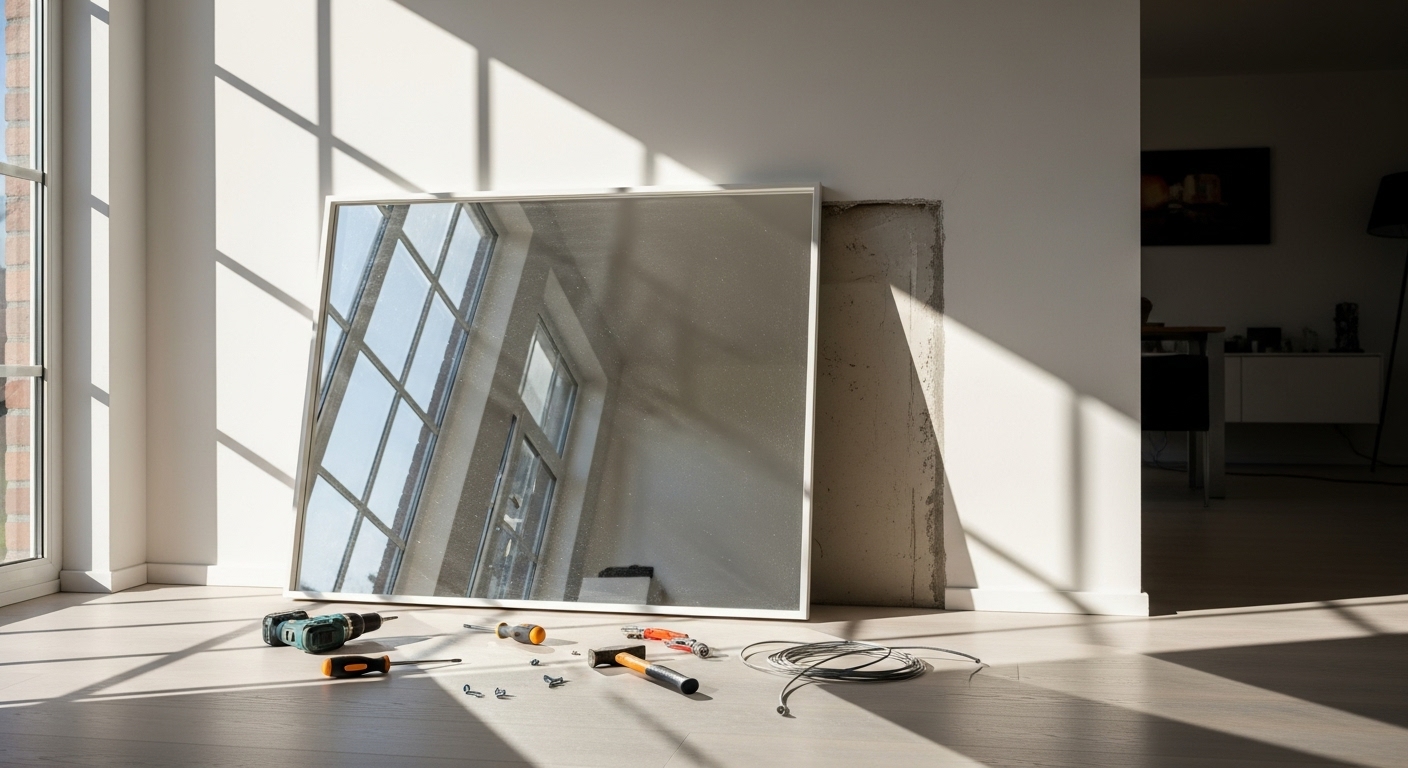
Removing large mirrors glued to a wall requires specific tools for safety and efficiency. Using the right tools protects you and prevents damage to your wall. Prepare all essential items before starting the removal process.
Protective Gear
- Safety goggles to shield your eyes from glass shards
- Thick gloves to protect your hands from cuts
- Long-sleeve clothing to cover your arms
- Dust mask to avoid inhaling dust or adhesive particles
Cutting Tools
- Utility knife with a sharp blade for scoring adhesive edges
- Putty knife or scraper to gently pry the mirror away
- Wire or dental floss to cut through the glue layer
- Handsaw or oscillating multi-tool for stubborn adhesive spots
Adhesive Removers
- Commercial adhesive remover suitable for wall surfaces
- Rubbing alcohol or acetone for small glue residues
- Soft cloths or sponges for applying remover
- Plastic scraper to clean off softened adhesive

Credit: www.thehandymanjohannesburg.co.za
Preparation Steps
Clear the area around the mirror and gather tools like a utility knife, gloves, and a putty knife. Protect the floor with a drop cloth to catch any falling debris. Ensure you have a helper for safety and support during removal.
Removing a large mirror glued to the wall might seem daunting, but with the right preparation, you can tackle this task effectively and safely. Proper preparation ensures that you not only protect your home but also make the removal process smoother. Let’s dive into the essential preparation steps to ensure everything goes as planned.Clear The Area
Before you begin, it’s crucial to clear the area around the mirror. Move any furniture or decor items that might be in the way. This not only gives you ample space to work but also prevents any accidental damage. Think about your pets and children—ensure they are out of the room to avoid any mishaps. A clear space helps you focus better on the task at hand, making the process more efficient.Protect The Floor And Surroundings
Your floor and surrounding walls need protection from potential glass shards. Lay down a drop cloth or old blanket on the floor beneath the mirror. For added safety, consider using cardboard or plywood as an extra layer to shield against any falling debris. This step not only protects your flooring but also makes the cleanup process easier.Check Mirror Attachment
Take a closer look at how the mirror is attached to the wall. Is it entirely glued, or are there brackets or clips? Gently run a utility knife along the edges to assess how firmly it’s adhered. Understanding the attachment method helps you choose the best removal technique and anticipate any challenges you might face. By preparing effectively, you’re setting yourself up for success. After all, isn’t it always better to be over-prepared than caught off guard?Loosening The Adhesive
Removing a large mirror glued to a wall requires patience and care. The key lies in loosening the strong adhesive that holds it firmly. This process helps avoid damage to both the mirror and the wall surface. Use gentle methods to weaken the glue before attempting to remove the mirror. Three effective ways to soften the adhesive include applying heat, using solvents, and gentle tapping techniques.
Heat Application
Applying heat can soften many types of glue. Use a hairdryer or heat gun on low settings. Hold it close to the mirror edges but not too near to avoid damage. Move the heat source slowly along the glued areas. Heat makes the adhesive less sticky and easier to peel off. Take breaks to check the glue’s softness before pulling the mirror.
Use Of Solvents
Solvents can break down adhesive bonds quickly. Choose a solvent suitable for your adhesive type, such as rubbing alcohol or adhesive remover. Apply a small amount with a cloth or cotton swab around the mirror edges. Let it soak for a few minutes to weaken the glue. Avoid soaking the wall to prevent damage. Test solvent on a small spot first to ensure no discoloration.
Gentle Tapping Techniques
Light tapping can help loosen the adhesive without harming the mirror. Use a rubber mallet or the handle of a screwdriver wrapped in cloth. Tap gently around the mirror edges in a consistent pattern. This vibration helps break the glue’s hold. Combine tapping with heat or solvent for better results. Always be patient and avoid strong hits that may crack the glass.
Removing The Mirror
Removing a large mirror glued to a wall can feel like a daunting task. The key is to approach it carefully to avoid damage to both the mirror and your wall. With the right techniques, you can detach the mirror safely and keep it intact for reuse or disposal.
Safe Detachment Methods
Start by protecting the edges of the mirror with painter’s tape to prevent chipping. Use a thin, flexible tool like a putty knife or a wire to gently slide behind the mirror. Slowly work the tool back and forth to loosen the adhesive without forcing the glass.
Applying gentle heat with a hairdryer can soften the glue, making it easier to separate the mirror from the wall. Be patient and avoid rushing the process—pulling too hard can cause the glass to shatter.
Handling Large Mirror Panels
Large mirrors are heavy and fragile, so enlist help if you can. Have one person support the mirror from below while the other works on loosening the adhesive. Use suction cups designed for glass to get a better grip and more control during removal.
Think about where you will place the mirror once detached. Prepare a flat, soft surface to lay it down immediately to avoid scratches or cracks. Handling large panels requires steady hands and slow, deliberate movements.
Preventing Glass Breakage
Wear thick gloves and safety goggles to protect yourself in case the glass breaks unexpectedly. Place blankets or cushions on the floor to catch the mirror if it slips. Avoid sudden jerks or twists, as these are the most common causes of breakage.
If the mirror starts to crack, stop pulling and reassess your approach. Sometimes cutting through the adhesive in several places rather than one big pull reduces stress on the glass. How often do you think careful planning can save you from costly accidents during home projects?
Cleaning The Wall
After removing a large mirror from the wall, the surface often needs thorough cleaning. Leftover adhesive and rough patches make the wall look uneven and unattractive. Proper cleaning restores the wall’s smoothness and prepares it for painting or new decor. This process involves removing sticky residues, sanding rough areas, and repairing any damage.
Removing Residual Adhesive
Sticky glue can be tough to remove. Use a scraper or putty knife carefully to lift large glue pieces. Apply adhesive remover or rubbing alcohol on a cloth to soften the residue. Let it sit for a few minutes, then wipe or scrape gently. Repeat until the wall feels smooth and clean to touch.
Sanding And Smoothing
Sand the wall with fine-grit sandpaper to even out bumps and leftover glue spots. Move the sandpaper in circular motions for a smooth finish. Wipe away dust with a damp cloth. Sanding creates a perfect surface for painting or wallpapering. Avoid sanding too hard to prevent wall damage.
Wall Repair Tips
Check the wall for holes or cracks after sanding. Use spackling paste or wall filler to fix damaged areas. Apply with a putty knife and smooth the surface. Let it dry completely, then sand again lightly. A clean, repaired wall improves the final look of your room.

Credit: www.youtube.com
Safety Tips
Removing large mirrors glued to walls can be risky. Following safety tips keeps you safe and protects your home. Handling glass and adhesives needs care and attention. Safety measures reduce the chance of cuts and accidents.
Avoiding Injuries
- Wear thick gloves to protect your hands from sharp edges.
- Use safety goggles to shield your eyes from flying glass shards.
- Work slowly to prevent sudden mirror breaks.
- Keep children and pets away from the work area.
- Use proper tools like a putty knife or scraper carefully.
Proper Disposal Of Broken Glass
Broken mirror pieces can hurt people and animals. Handle shards with thick gloves and place them in a sturdy container. Wrap glass fragments in old newspapers or cloth to avoid punctures.
Label the container as “broken glass” to alert waste handlers. Check local rules for glass disposal. Avoid mixing glass with regular trash to prevent injuries.
When To Call Professionals
Large mirrors glued firmly to walls may need expert help. If the mirror is too heavy or hard to remove, call a professional. Professionals have the right tools and experience to remove mirrors safely.
Do not force the mirror off the wall. This can cause serious injury or wall damage. Hiring experts saves time and avoids accidents.
Frequently Asked Questions
How Do I Safely Remove A Large Mirror Glued To The Wall?
To safely remove a glued mirror, use a heat gun or hairdryer to soften the adhesive. Gently slide dental floss or a thin wire behind the mirror to cut through the glue. Work slowly to avoid breaking the glass or damaging the wall.
What Tools Are Needed To Remove A Glued Mirror?
You will need a heat gun or hairdryer, dental floss or thin wire, gloves, safety goggles, and a putty knife. These tools help soften the glue, protect you, and carefully separate the mirror from the wall without causing damage.
Can I Remove A Glued Mirror Without Damaging The Wall?
Yes, by heating the adhesive and using floss or wire to cut through gently. Avoid prying with sharp tools and work slowly. After removal, clean off remaining adhesive carefully to prevent wall damage.
How Long Does It Take To Remove A Large Glued Mirror?
Removing a large glued mirror typically takes 30 to 60 minutes. The duration depends on adhesive strength, wall type, and careful handling. Rushing can cause damage, so patience is key for a safe removal.
Conclusion
Removing large mirrors glued to walls takes care and patience. Use the right tools to avoid damage. Work slowly and gently to keep the wall intact. Safety matters; wear gloves and eye protection. Clean the area well after removal. This simple process saves time and frustration.
Keep these tips in mind for a smooth job. You can handle this task without stress or mess.



