
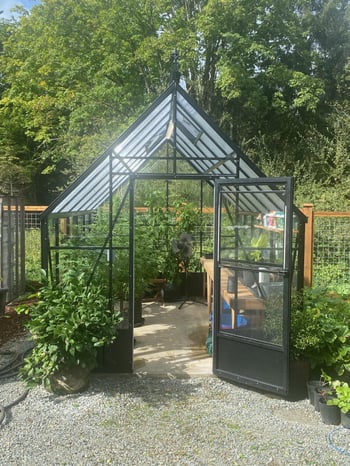
Are you wondering if your greenhouse really needs ventilation? It’s a question that many gardeners ask but often overlook.
Proper airflow can make a huge difference in how well your plants grow and stay healthy. Without the right ventilation, your greenhouse might become too hot, too humid, or even a breeding ground for pests and diseases. You’ll discover why ventilation matters, how it affects your plants, and simple ways to keep your greenhouse fresh and thriving.
Keep reading—you’ll learn the secrets to creating the perfect environment for your garden to flourish.
Credit: blog.bcgreenhouses.com
Why Ventilation Matters
Ventilation is a key factor in maintaining a healthy greenhouse environment. Without proper airflow, your plants may struggle to thrive, no matter how much care you provide. Understanding why ventilation matters helps you create the right conditions to boost growth, control climate, and keep diseases at bay.
Impact On Plant Growth
Plants need fresh air to grow strong. Ventilation supplies carbon dioxide, which is essential for photosynthesis—the process plants use to make food.
Stale air can stunt growth and cause leaves to wilt. If you’ve ever noticed plants looking weak inside a closed space, lack of ventilation is often the culprit.
Controlling Temperature And Humidity
Greenhouses can become hot and humid quickly, especially on sunny days. Ventilation helps you avoid overheating by allowing excess heat to escape.
High humidity encourages mold and slows down transpiration, the process where plants release moisture. By managing humidity through ventilation, you create a balanced environment that supports healthy plant functions.
Preventing Diseases And Pests
Poor airflow creates a perfect breeding ground for diseases and pests. Damp, stagnant air encourages fungal infections like powdery mildew.
Good ventilation keeps the air moving, drying out wet leaves and reducing the risk of infestations. Have you ever seen how a breeze can quickly dry morning dew? That’s the kind of natural defense your greenhouse needs.

Credit: jhuete.com
Types Of Greenhouse Ventilation
Greenhouse ventilation helps control temperature, humidity, and air quality. Proper ventilation keeps plants healthy and boosts growth. Various systems exist to match different greenhouse sizes and needs.
Natural Ventilation Methods
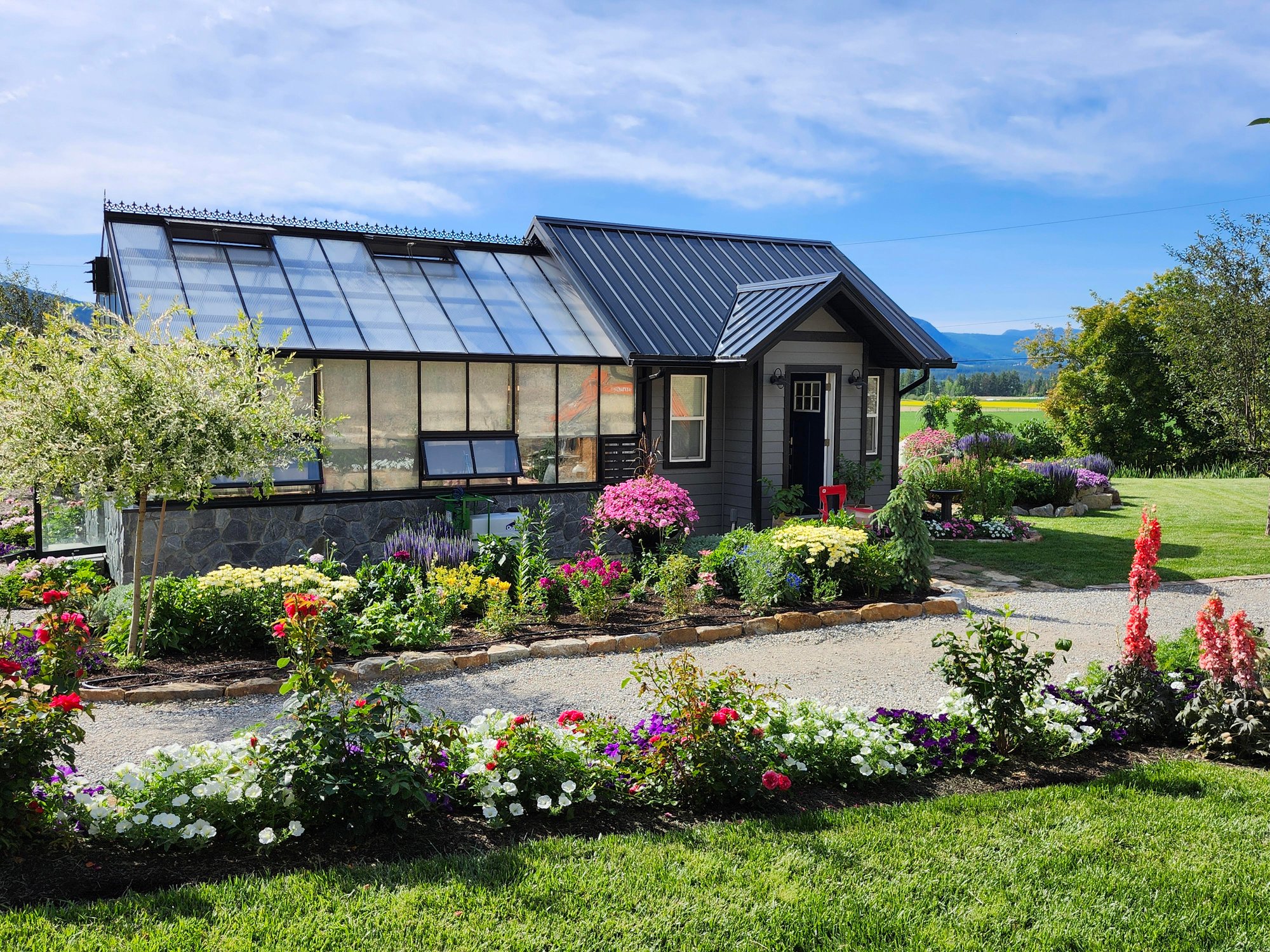
Natural ventilation uses wind and temperature differences to move air. Common options include roof vents, side vents, and louvered windows.
- Roof vents release hot air from the top.
- Side vents allow fresh air to enter at plant level.
- Louvered windows can be adjusted to control airflow.
This method requires no electricity and is cost-effective. It works best in areas with steady breezes.
Mechanical Ventilation Options
Mechanical ventilation uses fans or exhaust systems to move air. It offers precise control over air circulation.
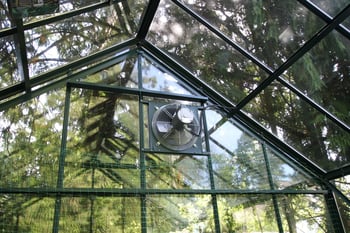
- Exhaust fans pull hot air out quickly.
- Circulation fans keep air moving inside.
- Evaporative coolers add moisture while cooling air.
This system suits large greenhouses or places with little natural wind. It needs power but ensures consistent conditions.
Choosing The Right System
Consider greenhouse size, climate, and plant types. Small greenhouses often work well with natural ventilation. Large or commercial setups may need mechanical systems.
Think about energy costs and maintenance needs. Combining both methods can improve air flow and plant health.
Signs Your Greenhouse Needs More Ventilation
Ensuring proper ventilation in your greenhouse is crucial for plant health. Poor ventilation can lead to various issues that hinder plant growth. Recognizing these signs early helps maintain a thriving greenhouse environment.
Wilting And Overheating
Plants may wilt due to excessive heat. This happens when hot air gets trapped inside. A greenhouse lacking ventilation heats up quickly. Plants struggle to absorb enough water. Leaves droop and lose color, indicating stress.
Excess Moisture And Mold
High humidity levels encourage mold growth. Without airflow, moisture builds up inside. Mold can appear on soil, plants, and surfaces. This affects plant health and can spread diseases. Proper ventilation helps control humidity and prevents mold.
Stunted Growth
Lack of fresh air affects photosynthesis. Stunted growth is a common result. Plants need carbon dioxide for energy. Poor ventilation limits this supply. Growth slows, and plants may appear weak. Ensuring good airflow supports healthy development.
Credit: blog.bcgreenhouses.com
How To Improve Airflow
Improving airflow in your greenhouse is essential for healthy plant growth and maintaining the right temperature and humidity. Without good ventilation, plants can suffer from heat stress, mold, and pests. Let’s look at some practical ways you can boost air circulation and keep your greenhouse environment balanced.
Installing Roof And Side Vents
Adding vents to the roof and sides of your greenhouse allows hot air to escape naturally while cooler air flows in. Roof vents work well because warm air rises and needs an exit point to prevent overheating. Side vents help bring fresh air in at plant level, creating a continuous flow.
Think about the size and placement of your vents. Larger vents or multiple smaller ones can make a big difference. You could start with adjustable vents so you can control airflow depending on the weather. Have you checked if your current greenhouse has enough vent space to let air move freely?
Using Fans And Exhaust Systems
Sometimes natural airflow isn’t enough, especially in larger greenhouses or on still days. That’s when fans and exhaust systems come in handy. They actively push stale air out and pull fresh air in, preventing hot spots and stagnant zones.
- Circulation fans help move air around evenly, reducing humidity near your plants.
- Exhaust fans placed near roof vents can pull out warm air efficiently.
- In smaller greenhouses, a simple oscillating fan can improve air movement significantly.
Consider how many plants you have and their specific needs before choosing fans. Have you noticed certain areas in your greenhouse feel stuffy or hot? Target those spots with fans for better results.
Maintaining Proper Ventilation
Ventilation isn’t a one-time setup. Regular maintenance ensures vents and fans work at their best. Clean vents from dust and debris to avoid blockages that reduce airflow. Check fan motors and blades periodically to keep them running smoothly.
Also, monitor your greenhouse environment with a thermometer and hygrometer. These tools help you know when to open vents or turn on fans. Have you tried adjusting ventilation based on the time of day or weather conditions to find the sweet spot for your plants?
Seasonal Ventilation Adjustments
Seasonal ventilation adjustments keep your greenhouse healthy and productive all year. Different seasons bring various temperature and humidity challenges. Adjusting ventilation helps control these factors and promotes strong plant growth.
Summer Cooling Techniques
Summer heat can stress plants and cause wilting. Use vents to increase airflow and lower the temperature inside.
- Open roof vents to release hot air at the top.
- Use side vents to bring in cooler air from outside.
- Install shade cloths to reduce direct sunlight.
- Use fans to improve air circulation.
Regularly check the temperature and adjust vents to prevent overheating.
Winter Ventilation Tips
Winter requires less ventilation but still needs fresh air to prevent mold and disease. Open vents slightly during sunny days to bring in fresh air.
- Close vents at night to keep warmth inside.
- Use automatic vent openers with temperature sensors for precise control.
- Monitor humidity levels to avoid excess moisture buildup.
Proper winter ventilation keeps plants healthy without losing too much heat.
Balancing Ventilation Year-round
Maintaining balance is key. Too much ventilation cools plants, too little causes humidity problems.
- Adjust vent openings based on daily weather changes.
- Use thermostats and hygrometers to monitor conditions.
- Consider plant types and their specific needs.
Consistent adjustments help create an ideal growing environment all year.
Common Ventilation Mistakes To Avoid
Ventilation is key for a healthy greenhouse. Many growers make simple mistakes that harm their plants. Avoiding these common errors helps keep plants strong and happy. Focus on correct airflow and temperature control.
Over-ventilating In Cold Weather
Opening vents too much in cold weather cools plants quickly. This can cause stress and slow growth. Keep ventilation balanced to maintain warmth without trapping moisture. Use small openings and adjust as needed to protect plants.
Ignoring Air Circulation
Ventilation is more than opening windows. Air must move inside the greenhouse. Stagnant air causes mold and disease. Use fans or vents placed to create steady airflow. This helps keep plants dry and healthy.
Neglecting Regular Maintenance
Dirty or broken vents reduce airflow and cause problems. Check vents often for dirt and damage. Clean and repair them to keep air moving freely. Regular upkeep prevents ventilation failures and plant damage.
Frequently Asked Questions
Why Is Ventilation Important In A Greenhouse?
Ventilation controls temperature and humidity inside a greenhouse. It prevents overheating, reduces disease risks, and ensures fresh air circulation. Proper ventilation supports healthy plant growth and maintains optimal growing conditions year-round.
How Often Should Greenhouse Ventilation Be Used?
Ventilation should be used daily, especially during warm weather. Opening vents or fans regularly helps regulate temperature and humidity. Consistent airflow prevents heat buildup and promotes plant health.
What Types Of Ventilation Systems Work Best For Greenhouses?
Natural ventilation uses vents or windows to allow airflow. Mechanical ventilation employs fans to circulate air actively. Combining both methods often provides efficient temperature and humidity control.
Can Poor Greenhouse Ventilation Harm Plants?
Yes, poor ventilation can cause heat stress, mold, and fungal diseases. It leads to stagnant air and excess moisture. Plants may wilt, grow poorly, or die without proper airflow.
Conclusion
Good ventilation keeps your greenhouse plants healthy and strong. It helps control temperature and humidity inside the space. Without proper airflow, plants may suffer from heat or mold. Simple vents or fans can make a big difference. Fresh air supports growth and reduces pests.
Proper ventilation makes your greenhouse a better place for plants to thrive. Remember, healthy plants mean a more successful garden.



