
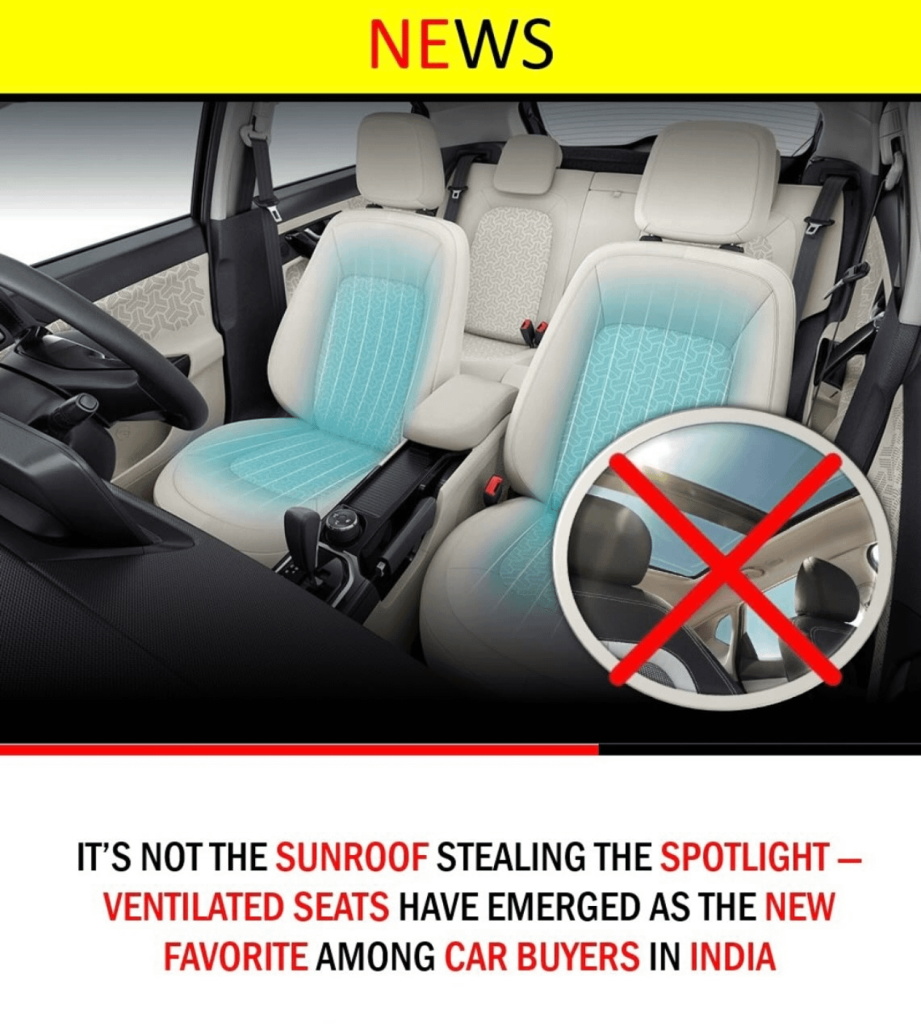
Are ventilated seats really worth it? If you’ve ever sat in a car during a hot summer day and felt sweat sticking to your back, you know how uncomfortable it can be.
You might be wondering if spending extra money on ventilated seats will actually make a difference for your driving comfort. You’ll discover how these seats work, the real benefits they offer, and whether they’re a smart choice for you. Keep reading to find out if ventilated seats are the upgrade your car needs.

Credit: www.reddit.com
Benefits Of Ventilated Seats
Ventilated seats offer several benefits that improve your driving experience. They help keep you cool and comfortable during hot weather. These seats also promote better air flow. This makes long drives more pleasant. Understanding their advantages can help decide if they are worth it for you.
Enhanced Comfort In Hot Weather
Ventilated seats keep your body temperature lower. They prevent heat buildup on the seat surface. This is especially useful on sunny days. You feel cooler and more relaxed. Comfort improves even during traffic jams or long trips.
Improved Air Circulation
These seats use small fans or vents inside the cushion. They circulate air around your back and legs. This airflow reduces trapped heat and moisture. It helps maintain a fresh feeling. You stay comfortable without sticky or sweaty spots.
Reduced Sweating And Stickiness
Ventilation helps dry sweat quickly. Your skin feels less sticky against the seat. This reduces discomfort and irritation. It also lowers the chance of bad odors forming. You can enjoy a cleaner and fresher interior environment.
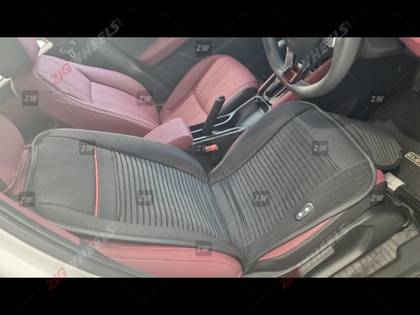
Credit: www.zigwheels.com
How Ventilated Seats Work
Understanding how ventilated seats work can help you decide if they’re a good fit for your driving comfort. These seats use a clever system to keep you cool, especially during hot weather. Let’s break down the technology behind them and see how they connect with your car’s overall climate control.
Cooling Mechanism Explained
Ventilated seats cool you by circulating air through tiny holes in the seat surface. Small fans built into the seat base draw in air and push it upward. This airflow helps evaporate sweat and reduces heat trapped between you and the seat.
Unlike air conditioning that cools the cabin, ventilated seats provide direct cooling to your body. You might notice how quickly they make a difference on a hot day, especially if you’re stuck in traffic. Have you ever experienced that sticky feeling after sitting in a hot car? Ventilated seats tackle that discomfort effectively.
Types Of Ventilation Systems
Not all ventilated seats work the same way. Here are the common types you’ll find:
- Fan-based systems:Use small fans to push air through perforations in the seat.
- Perforated leather seats:Designed with tiny holes to allow air to pass, often combined with fan systems.
- Active cooling with thermoelectric modules:More advanced systems use cooling elements to lower seat temperature directly.
Fan-based systems are the most common and usually effective. But if you want something quieter and more high-tech, thermoelectric seats might catch your interest. Which type do you think would suit your daily drive better?
Integration With Vehicle Climate Control
Ventilated seats often work alongside your car’s climate control system. When you adjust the temperature inside the cabin, the seat ventilation settings can respond accordingly. Some vehicles let you control seat ventilation separately through dedicated buttons or touchscreen menus.
This integration ensures a balanced comfort level. For instance, if your car senses high cabin temperatures, it might automatically activate seat ventilation. That way, you stay cool without constantly fiddling with controls. Wouldn’t it be nice if your car anticipated your comfort needs like that?
Comparing Ventilated Seats To Heated Seats
Deciding between ventilated and heated seats depends heavily on how you use your vehicle throughout the year. Both options offer unique benefits that can significantly enhance your driving comfort. Understanding their differences can help you choose the feature that best suits your lifestyle and climate.
Comfort In Different Seasons
Heated seats shine during cold months by providing immediate warmth. They help you feel cozy on chilly mornings or during winter drives.
Ventilated seats, on the other hand, excel in hot weather by circulating air to reduce sweat and discomfort. They keep you cool and dry, especially in humid conditions.
Think about your local weather patterns. Do you face long winters, scorching summers, or both? That can guide you to the right choice.
Energy Consumption
Heated seats consume more power since they use electrical elements to generate heat. This might slightly impact your vehicle’s fuel efficiency or battery life in electric cars.
Ventilated seats use fans to move air, which generally requires less energy than heating elements. They tend to be more energy-efficient during summer use.
Would you prefer a system that uses less energy overall, or do you prioritize fast warmth even if it costs more power?
User Preferences
Some drivers swear by heated seats for the instant comfort they provide after stepping into a cold car. They find it essential for winter driving.
Others prefer ventilated seats because they prevent sweating and discomfort during long trips in warm weather. It can make a big difference in your overall driving experience.
Consider what matters most to you: quick heat or steady cooling? Your daily commute and climate play a big role in this decision.
Cost And Installation Considerations
Adding ventilated seats involves costs beyond just buying the seats. Consider both the price and the effort needed to install them. These factors affect your budget and the overall value of your vehicle.
Price Range For Ventilated Seats
Ventilated seats usually cost more than standard seats. Prices vary based on car model and seat quality. Expect to pay between $500 and $2,000 per seat. Luxury cars often have higher prices. Replacement parts and controls add to the cost.
Installation Challenges
Installing ventilated seats can be tricky. Seats need wiring for fans and controls. Some cars require special tools and skills. Professional installation is often necessary to avoid damage. Installation time ranges from a few hours to a full day. Incorrect installation may cause electrical problems or seat malfunctions.
Impact On Vehicle Resale Value
Ventilated seats can increase resale value. Buyers see them as a comfort upgrade. They may help sell the car faster. However, poor installation lowers value. Original factory seats usually have better resale appeal. Keep all receipts and documentation to prove quality installation.
Real User Experiences
Ventilated seats offer extra comfort during hot days. Many users find them helpful, especially in warm climates. They enhance the driving experience by keeping you cool and relaxed.
Real User Experiences Ventilated seats have become a popular feature in modern cars. But are they worth the investment? Hearing from real users can help. People who use these seats daily provide genuine insights. They share both the positives and negatives. This section explores experiences that highlight the true value of ventilated seats.Feedback From Daily Drivers
Many daily drivers appreciate the comfort of ventilated seats. They find relief on hot days during long commutes. The cooling effect reduces sweat, making drives more pleasant. Some users say it feels like a gentle breeze on their back. For those living in warm climates, this feature often becomes indispensable.Long-term Satisfaction
Users often report long-term satisfaction with ventilated seats. They describe consistent performance over years of use. Regular users notice less wear compared to non-ventilated options. The technology proves reliable, enhancing driving experience. Many express that the initial investment pays off over time.Common Complaints
Despite the benefits, some users have complaints about ventilated seats. A few mention the noise of the fans can be distracting. Others feel the cooling effect isn’t strong enough. Maintenance can be a concern, with occasional repairs needed. Some find the seats uncomfortable in colder weather. These issues highlight the varied experiences among users.Situations Where Ventilated Seats Shine
Ventilated seats offer distinct advantages in certain driving situations. Understanding where they truly make a difference can help you decide if they’re worth the investment. Let’s look at the specific moments when ventilated seats really stand out and elevate your driving comfort.
Hot Climates And Summer Driving
If you live in a hot climate, ventilated seats can transform your driving experience. They help reduce sweat and discomfort by circulating air through the seat’s surface. This keeps you cooler, especially during long stops in traffic or on scorching days.
Imagine sitting in a car that feels like an oven after it’s been parked in the sun. Ventilated seats provide immediate relief and prevent that sticky, sweaty feeling. Are you willing to drive without this simple comfort during the hottest months?
Long Road Trips
Long hours on the road can leave you tired and uncomfortable. Ventilated seats help by improving air circulation around your back and thighs, reducing sweat and heat buildup. This can make a big difference in how refreshed you feel after several hours behind the wheel.
Think about your last long drive. Did you experience any discomfort that could have been eased by better seat ventilation? This feature can keep you more alert and comfortable, potentially improving your focus and safety.
Luxury And Sports Vehicles
Ventilated seats often come as standard or optional features in luxury and sports cars. These vehicles focus on providing a premium driving experience, and seat ventilation fits that goal perfectly. It adds a touch of high-end comfort that matches the car’s overall feel.
If you own or are considering a luxury or sports car, ventilated seats enhance not just comfort but also the vehicle’s appeal. Don’t you want your car’s interior to match the excitement of driving it?
Potential Drawbacks To Consider
Ventilated seats offer comfort but come with some drawbacks. These issues might affect your decision. Understanding these points helps you choose wisely.
Maintenance And Repairs
Ventilated seats have small fans and electrical parts inside. Dirt and dust can block these fans. Repairing these parts can be costly. Not all mechanics handle seat ventilation repairs. Regular cleaning may be needed to keep seats working well.
Effectiveness In Humid Conditions
Airflow in ventilated seats may feel less helpful in high humidity. Moisture in the air reduces the cooling effect. Sweating might still occur despite ventilation. These seats work best in dry heat. In humid weather, benefits can be limited.
Additional Weight And Complexity
Ventilated seats add extra parts to the car. This increases the seat’s weight slightly. More weight can affect fuel efficiency a little. The system adds complexity to the car’s design. More parts mean more things that might break over time.
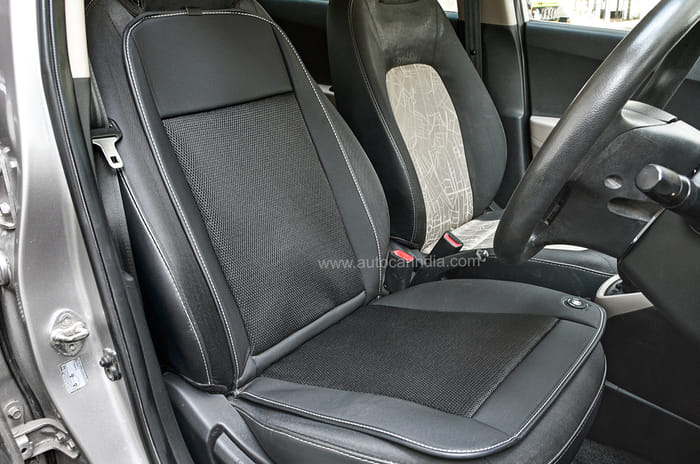
Credit: www.autocarindia.com
Frequently Asked Questions
What Are Ventilated Seats In Cars?
Ventilated seats use fans to circulate air through perforations in the seat. This helps cool the driver and passengers. They improve comfort, especially in hot weather, by reducing sweat and heat buildup during drives.
Are Ventilated Seats Better Than Heated Seats?
Ventilated seats cool your body, while heated seats provide warmth. Both enhance comfort but serve different purposes. Ventilated seats are ideal for hot climates, whereas heated seats benefit cold weather driving.
Do Ventilated Seats Improve Driving Comfort?
Yes, ventilated seats enhance comfort by reducing sweating and overheating. They help maintain a cool temperature, making long drives more pleasant. This feature can reduce fatigue and improve focus while driving.
Are Ventilated Seats Worth The Extra Cost?
Ventilated seats add comfort and value, especially in warm climates. They can increase resale value and driving enjoyment. However, if you rarely drive in hot conditions, the added cost might not be justified.
Conclusion
Ventilated seats offer clear comfort on hot days. They help keep you cool and reduce sweat. This feature adds value to your driving experience. Not every car has them, but they are worth considering. Think about how often you drive in warm weather.
Small comfort changes make long trips better. Choose what fits your needs and budget best. Ventilated seats can make your ride more pleasant. Simple comfort upgrades often make a big difference.



