

Are you wondering how much space your fridge really needs to breathe? Proper ventilation is key to keeping your fridge running smoothly and saving energy.
If your fridge doesn’t have enough room to let heat escape, it can overheat, work harder, and even break down sooner. You’ll discover exactly how much space to leave around your fridge, simple tips to improve airflow, and why it matters more than you might think.
Keep reading to make sure your fridge stays cool and efficient for years to come!
Fridge Ventilation Basics
Proper ventilation is key for any fridge. It helps the appliance work well and last longer. Without enough space around the fridge, heat cannot escape. This can cause the fridge to work harder and use more energy. Understanding the basics of fridge ventilation helps you keep your fridge in good shape.
Why Ventilation Matters
Ventilation allows heat to leave the fridge’s motor and coils. If heat builds up, the fridge gets too hot. This causes the compressor to run more often. A fridge that runs constantly wastes energy and can break down faster.
Good airflow prevents moisture buildup. Moisture can cause rust and damage parts inside the fridge. Proper space around the fridge helps keep the air moving freely. This keeps the fridge dry and safe from damage.
How Ventilation Affects Performance
When a fridge has enough space, it cools better. The compressor works less and saves electricity. This means lower energy bills and a greener home.
Poor ventilation makes the fridge struggle to stay cold. Food may spoil faster or freeze unevenly. This reduces the fridge’s efficiency and lifespan.
Clearance around the fridge also helps with cleaning. Dust and dirt do not block vents or coils. Keeping these areas clean supports smooth fridge operation.

Credit: www.searshomeservices.com
Recommended Clearance Space
Ensuring your fridge has the right clearance space is key to keeping it running efficiently and extending its lifespan. Without enough ventilation, your fridge can overheat, making it work harder and increasing energy costs. Let’s look at the specific clearance space you need around your fridge for proper airflow.
Sides And Back Clearance
Most manufacturers recommend leaving at least 1 to 2 inches of space on each side of your fridge. This gap allows air to circulate freely around the cooling coils and compressor located at the back and sides.
When I first installed a new fridge in a tight kitchen corner, I noticed it ran louder and hotter. Adding just an extra inch of space on the sides helped cool it down and reduced noise significantly.
Think about the space behind your fridge too—if it’s pushed too close to the wall, heat can’t escape properly. That small gap makes a big difference in ventilation.
Top Clearance
The area above your fridge needs room too. Typically, 1 to 2 inches of clearance is enough to prevent heat buildup at the top.
Many people forget about this space, especially in kitchens with cabinets directly above. Without that gap, warm air can get trapped, causing your fridge to overwork.
Have you checked how much space you have above your fridge? Even a small adjustment can improve airflow dramatically.
Front Clearance
Front clearance isn’t just about having enough room to open the door fully—it’s also about allowing air to flow in and out. You should have at least 2 to 3 inches of space in front of your fridge.
Opening the door smoothly prevents strain on the hinges and seals, which helps maintain energy efficiency. Plus, it gives you room to clean and check the door seals regularly.
Ask yourself: can you open your fridge door wide without obstruction? If not, it might be time to rearrange your kitchen setup for better access and ventilation.
Types Of Fridges And Their Ventilation Needs
Different types of fridges have unique designs, which affect their ventilation requirements. Understanding these needs helps you avoid overheating and ensures your fridge runs efficiently. Let’s look at how ventilation varies across popular fridge styles.
Top Freezer Models
Top freezer fridges typically have the freezer compartment above the fridge section. They usually need about 1 to 2 inches of space on the sides and back for proper airflow. Because the compressor and condenser coils are often at the back, leaving enough clearance there prevents heat buildup.
If you cram a top freezer model into a tight spot, you risk higher energy consumption and shorter appliance life. Have you noticed your fridge working harder when it’s pushed too close to the wall? That’s a sign it needs more breathing room.
Bottom Freezer Models
Bottom freezer fridges place the freezer drawer below the fridge, which shifts the ventilation needs slightly. These models often require similar side and rear clearances as top freezer types but might also need space underneath for air circulation. Check your manual because some designs include vents near the base.
Imagine blocking the bottom vents with a rug or cabinet—this can cause the fridge to overheat. How often do you check around your fridge for blocked vents? Keeping these areas clear is a simple way to extend your fridge’s life.
Side-by-side Models
Side-by-side fridges have doors that open from the middle, placing the freezer and fridge compartments next to each other. These models usually demand more space due to their larger size and front door swing. Typically, leave at least 1 inch on the sides and 2 inches at the back for ventilation.
Because of their design, side-by-side fridges can generate more heat, so proper airflow is crucial. If your kitchen space is tight, think about how you’ll maintain this clearance. Could rearranging cabinets help create that needed gap?
Built-in And Counter-depth Fridges
Built-in and counter-depth fridges are designed to fit flush with cabinets, offering a sleek look. However, this flush installation means ventilation must come from the top, bottom, or sides rather than the back. Manufacturers usually specify exact clearances—often more than 1 inch—to avoid overheating.
Since these fridges are enclosed, do not rely on the small gaps around them for airflow. Instead, ensure dedicated vents or spaces are available as per the installation guide. Have you checked if your built-in fridge has proper venting? It can make all the difference in performance.
Factors Influencing Ventilation Space
Proper ventilation space around your fridge is key to keeping it running efficiently and extending its lifespan. Several factors influence how much space you need to leave for air to circulate freely. Understanding these factors can help you avoid common issues like overheating or increased energy use.
Room Temperature And Humidity
The temperature and humidity of the room where your fridge sits have a big impact on ventilation needs. If your kitchen gets hot or humid, your fridge has to work harder to stay cool. This means you might need to allow more space around it to help heat escape easily.
Think about your own kitchen during summer—does it feel warmer near the fridge? That warmth can reduce efficiency if the fridge is too close to walls or cabinets. Keeping a few extra inches of space can make a noticeable difference in performance.
Fridge Size And Capacity
Bigger fridges need more room to breathe. A large fridge with multiple compartments or a freezer section generates more heat than a smaller model. This heat has to go somewhere, so leaving adequate ventilation space is even more critical.
For example, a compact fridge might only need a couple of inches around it, but a full-sized French door fridge could require several inches on all sides. Always check the manufacturer’s guidelines based on your fridge’s size to avoid problems.
Placement And Surroundings
Where and how you place your fridge affects ventilation needs significantly. If it’s squeezed between cabinets or tucked into a tight corner, airflow can be blocked. This makes the compressor work harder and can shorten the fridge’s life.
Also, avoid placing your fridge near heat sources like ovens, dishwashers, or direct sunlight. These surroundings increase the temperature around the fridge, forcing it to use more energy to maintain coolness. Could rearranging your kitchen layout reduce these heat challenges?
Consequences Of Poor Ventilation
Poor ventilation around a fridge causes many problems. It stops the appliance from working properly. This affects energy use, the fridge’s condition, and its lifetime. Understanding these issues helps keep the fridge efficient and long-lasting.
Increased Energy Consumption
Without proper airflow, a fridge works harder to cool inside. This uses more electricity than normal. Higher energy use means bigger utility bills. It also wastes power, which harms the environment.
Overheating And Damage
Blocked vents cause heat to build up around the fridge. This heat can damage important parts like the compressor. Damage leads to costly repairs or replacement. Overheating may also cause the fridge to stop working suddenly.
Reduced Lifespan
Continuous strain from poor ventilation shortens the fridge’s life. Parts wear out faster and break down more often. A fridge with good airflow can last many years. Poor ventilation means you might need a new fridge sooner.

Credit: www.threads.com
Tips For Proper Fridge Installation
A fridge needs space around it to let air flow and cool the motor. Leave at least 2 inches on the sides and 1 inch at the back. Proper ventilation helps the fridge work well and last longer.
Proper fridge installation ensures efficient performance and extended lifespan. Adequate ventilation is key. It prevents overheating and maintains energy efficiency. Below are some essential tips for installing your fridge correctly.Choosing The Right Location
Select a spot away from heat sources. Avoid placing it near ovens or direct sunlight. This helps the fridge maintain a steady temperature. Ensure the floor is level. A stable surface prevents vibrations and noise.Maintaining Clearance Over Time
Allow enough space around the fridge. Typically, leave at least two inches on the sides and top. Check the manufacturer’s guidelines for specific measurements. Over time, dust can accumulate. Regularly clean the back and sides to ensure proper airflow.Using Ventilation Accessories
Ventilation grilles can enhance airflow. Install them at the back or top if needed. They help in tight spaces. Consider using a fan to improve air circulation. This can be helpful in warmer climates. Proper accessories can make a significant difference.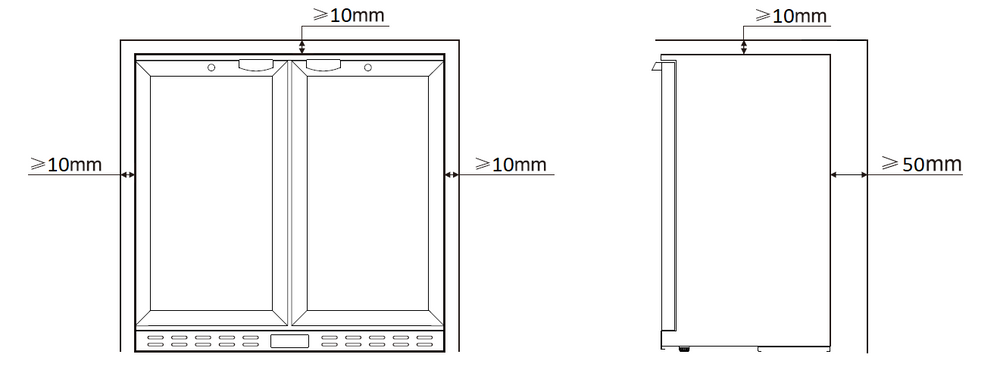
Credit: bar-fridges-australia.com.au
Frequently Asked Questions
How Much Space Is Needed Behind A Fridge For Ventilation?
A minimum of 1 to 2 inches of space is required behind the fridge. This allows proper airflow and prevents overheating. Always check the manufacturer’s guidelines for specific clearance needs.
Why Is Fridge Ventilation Space Important?
Proper ventilation prevents heat buildup, improving fridge efficiency. It also extends the appliance’s lifespan by reducing strain on the compressor. Without enough space, energy consumption increases and performance decreases.
Can A Fridge Be Flush Against A Wall?
No, placing a fridge flush against a wall blocks airflow. This causes overheating and reduces cooling efficiency. Maintain at least 1 inch of clearance for safety and performance.
How Much Space Is Needed Above A Fridge?
Leave at least 2 inches of space above the fridge. This allows hot air to escape and keeps the appliance running smoothly. Proper top clearance aids in heat dissipation.
Conclusion
A fridge needs space to breathe and work well. Leaving enough room around it stops overheating. This saves energy and keeps food fresh longer. Check the manual for exact space needs. Small gaps make a big difference in performance. Give your fridge the space it needs for best results.
It helps the fridge last and keeps your kitchen safe. Remember, good ventilation means a happy fridge and fresh food.



