
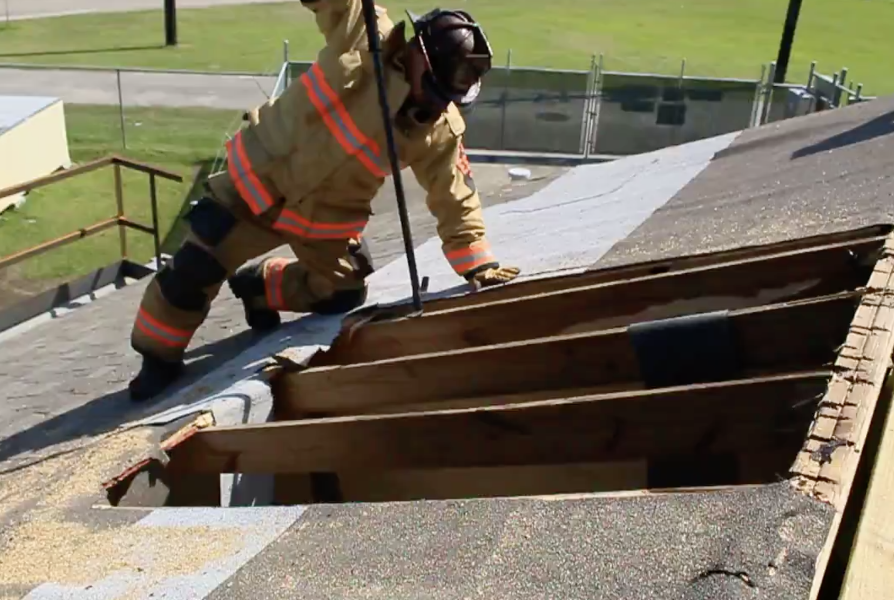
When it comes to firefighting, every move you make can change the outcome. Performing vertical ventilation is one of those critical actions that can save lives and control a fire.
But do you know the risks involved when you decide to cut through the roof? Understanding these dangers is not just important—it could be the difference between safety and disaster for you and your team. You’ll discover the hidden threats that come with vertical ventilation, so you can make smarter, safer decisions on the fireground.
Keep reading to protect yourself and those depending on your skills.

Credit: engineeringcivil.org
Basics Of Vertical Ventilation
Vertical ventilation is a key tactic in firefighting that involves creating openings in a building’s roof. This technique helps release heat, smoke, and gases trapped inside. Understanding the basics of vertical ventilation is crucial for safe and effective fire control. It improves visibility and lowers temperatures for firefighters working inside.
Proper use of vertical ventilation can prevent flashovers and backdrafts. Firefighters must assess the roof structure and fire conditions before starting. Safety risks increase if the roof is unstable or the fire is intense. Knowing the fundamentals helps reduce dangers during this risky operation.
What Is Vertical Ventilation?
Vertical ventilation means cutting an opening in a roof or ceiling. This lets hot smoke and gases escape upward. The goal is to remove dangerous heat and smoke from inside the building. It helps firefighters see better and work more safely.
Firefighters use tools like axes and chainsaws to make the openings. The size and location depend on the fire’s size and roof type. The opening must be large enough to release smoke but safe to create.
Common Uses In Firefighting
Firefighters use vertical ventilation to:
- Release smoke and heat from burning buildings
- Improve visibility inside smoke-filled spaces
- Lower temperatures to protect trapped victims and firefighters
- Prevent dangerous fire behavior like flashovers
- Control the fire’s spread by directing smoke outside
This tactic is common in large buildings and homes with attics. It is often combined with other ventilation methods for best results.
Risks Linked To Vertical Ventilation
Vertical ventilation is a powerful firefighting tactic that can significantly improve visibility and reduce heat inside a burning structure. However, it comes with serious risks that you must carefully consider before heading onto the roof. Understanding these dangers can help you make safer decisions and protect yourself and your team during operations.
Structural Collapse Hazards
The roof you step onto may already be weakened by fire damage. Heat can compromise wooden beams and metal supports, making the structure unstable. You might not see the damage until it’s too late, leading to sudden collapse.
Always assess the roof’s condition before cutting ventilation holes. Using thermal imaging cameras or consulting with team members inside can give clues about structural integrity. Remember, one wrong step could endanger your life and those rescuing you.
Backdraft And Flashover Dangers
Creating a ventilation opening changes how fire and smoke move inside a building. If not timed correctly, you risk triggering a backdraft—a sudden explosion caused by the rapid influx of oxygen. Flashovers, where the entire room ignites almost instantly, can also occur.
Stay alert for signs like dense smoke pushing out or a roaring sound before cutting. Communicate clearly with your team to coordinate when and where ventilation is done to minimize these life-threatening events. Have escape routes planned in case conditions worsen rapidly.
Falling And Height-related Injuries
Working on a roof exposes you to the risk of falling, especially if the surface is wet, icy, or unstable. Climbing ladders and handling tools at height requires focus and steady footing. Even a small slip can lead to serious injuries or worse.
Wear proper personal protective equipment, including harnesses if available, and ensure ladders are secure. Don’t rush your movements; take your time to prevent accidents. Ask yourself—are you confident in your footing and balance before making that cut?
Environmental Challenges
Performing vertical ventilation involves many environmental challenges that affect firefighter safety. These challenges can change quickly and increase risks during operations. Understanding these factors helps teams prepare and act more safely.
Weather Impact On Safety
Weather plays a big role in vertical ventilation risks. Strong winds can push smoke and heat toward firefighters. Rain can make surfaces slippery and unstable. Cold weather may cause ice, making footing dangerous. Hot weather can add to heat stress and exhaustion.
Wind direction and speed can change rapidly. This unpredictability makes controlling fire and smoke harder. Firefighters need to watch weather closely and adjust plans fast.
Visibility And Smoke Conditions
Smoke reduces visibility inside and outside the structure. Thick smoke hides hazards like holes or unstable roofs. Poor visibility makes communication and movement tough. It also slows down rescue and ventilation efforts.
Smoke color and density give clues about fire behavior. Dark, heavy smoke means intense fire and more danger. Light smoke may signal less risk but still hides threats. Firefighters must rely on tools and senses to navigate safely.
Equipment And Technique Risks
Performing vertical ventilation carries inherent risks tied to both the equipment used and the techniques applied. Missteps in either area can compromise firefighter safety and the effectiveness of the operation. Understanding these risks helps you make smarter decisions in high-pressure situations.
Tool Failures
Your tools must work flawlessly during vertical ventilation. Imagine being halfway through cutting a roof when your saw blade breaks or your axe handle snaps. These failures not only delay ventilation but also put you in immediate danger.
Regular inspection and maintenance are critical. Check for dull blades, loose parts, or any signs of wear before every use. Have backup tools ready so you’re not caught off guard.
Remember, tool failure can happen even with the best equipment. What’s your plan if your primary tool fails during a critical moment? Preparing for this possibility can save precious time and lives.
Incorrect Cutting Methods
The way you cut the roof can make or break the ventilation effort. Cutting too small a hole won’t release enough heat and smoke, while cutting too large or in the wrong spot can weaken the structure.
Using improper angles or cutting patterns increases the risk of roof collapse or injury from falling debris. It’s essential to understand the building’s construction and choose your cutting method accordingly.
Think about how you learned to cut—was it from hands-on experience or just theory? Practice and proper training in cutting techniques reduce mistakes and boost your confidence on the job.
Human Factors Increasing Risk
Human factors play a big role in increasing risks during vertical ventilation. These risks come from how firefighters think, feel, and work together. Understanding these factors helps reduce accidents and improve safety.
Fatigue And Stress
Fatigue lowers alertness and slows reaction time. Firefighters often work long hours in tough conditions. Tired muscles and minds cause mistakes during ventilation tasks. Stress adds pressure, making it harder to focus. High stress can lead to poor decisions and risky actions. Both fatigue and stress increase chances of injury or error.
Communication Breakdowns
Clear communication is key in vertical ventilation. Misunderstandings can cause wrong actions or delays. Noise, chaos, and equipment make it hard to hear orders. Sometimes, team members miss critical information or signals. Poor communication raises the risk of accidents and confusion. Teams must use simple, clear language and confirm messages to stay safe.

Credit: www.jacc.org
Strategies To Reduce Hazards
Performing vertical ventilation increases risk due to potential roof collapse and exposure to heat and smoke. Strategies to reduce these hazards include proper training, using safety gear, and ensuring clear communication among team members during operations.
Performing vertical ventilation is crucial for managing fire hazards, but it’s not without its risks. Understanding these risks and implementing strategies to mitigate them is essential for safety. By focusing on pre-operation planning, continuous training, and the right safety gear, you can significantly reduce the hazards involved in vertical ventilation.Pre-operation Planning
Thorough planning can make all the difference. Before you even step onto the roof, assess the building structure and identify potential hazards. Consider weather conditions, building materials, and access points. Use this information to develop a clear action plan. Communicate this plan with your team to ensure everyone knows their role. This proactive approach can prevent many accidents before they occur.Training And Drills
Continuous training is key to safe operations. Regular drills help reinforce procedures and build muscle memory. They also provide an opportunity to evaluate and improve current practices. Invite experienced firefighters to share insights and real-life experiences. This can provide valuable lessons and prepare your team for unexpected situations. Are your drills challenging enough to simulate real-world conditions?Safety Gear Essentials
Proper safety gear is non-negotiable. Helmets, gloves, and boots with proper grip are essential. Ensure all equipment is regularly inspected and maintained. Consider investing in advanced gear like thermal imaging cameras. These can detect heat sources that are not visible to the naked eye. Would you trust your gear to protect you in a worst-case scenario? Always choose quality over cost when it comes to safety equipment. By focusing on these strategies, you can create a safer environment for your firefighting team and effectively manage the risks associated with vertical ventilation.Case Studies And Real Incidents
Examining case studies and real incidents sheds light on the increased risks involved in performing vertical ventilation. These stories reveal critical lessons and highlight the importance of proper risk management during such high-stakes operations. Understanding both failures and successes can help you improve safety and decision-making on the fireground.
Lessons From Past Accidents
One tragic incident involved firefighters who entered a structure without confirming the roof’s stability before starting vertical ventilation. The roof collapsed, resulting in serious injuries and loss of life. This stark example emphasizes the need for thorough size-up and constant communication.
Another case highlighted how rushing ventilation without clear coordination led to rapid fire spread, putting crews in grave danger. These accidents teach you to never underestimate the hazards of roof operations and to always wear full protective gear. Have you ever paused to reassess conditions before cutting a vent? That moment can save lives.
Key lessons include:
- Always verify roof integrity before committing to vertical ventilation.
- Maintain clear, continuous communication with all team members.
- Understand how ventilation affects fire behavior in real-time.
Successful Risk Management Examples
In contrast, some departments demonstrate how careful planning and training reduce risks effectively. One team used thermal imaging cameras to identify hot spots before cutting, preventing unexpected flare-ups. Their methodical approach kept firefighters safer and ventilation more effective.
Another success story involved a crew that established a dedicated lookout on the roof to monitor structural changes constantly. This proactive step allowed them to retreat immediately when signs of collapse appeared. It’s a powerful reminder that constant vigilance and teamwork make a difference.
Practical risk management strategies you can apply include:
- Use technology like thermal cameras to guide ventilation decisions.
- Assign a roof safety officer to monitor conditions during operations.
- Conduct regular drills simulating vertical ventilation under various scenarios.
What changes can you make today to improve your team’s safety during vertical ventilation? Real incidents offer a roadmap—are you ready to follow it?

Credit: quizlet.com
Frequently Asked Questions
What Are The Main Risks Of Vertical Ventilation?
Vertical ventilation risks include roof collapse, fire flare-ups, and toxic smoke exposure. Firefighters face dangerous structural integrity issues and unpredictable fire behavior during this tactic.
How Does Vertical Ventilation Increase Firefighter Hazards?
It exposes firefighters to falling debris and sudden fire spread. The roof may weaken, causing falls or entrapment, increasing injury risks during ventilation operations.
Why Is Training Crucial For Vertical Ventilation Safety?
Proper training teaches risk recognition and safe techniques. It helps firefighters avoid structural dangers and manage ventilation timing effectively, reducing accidents and improving fire control.
When Should Vertical Ventilation Be Avoided?
Avoid vertical ventilation on unstable roofs or in heavy smoke conditions. If structural integrity is questionable, alternative ventilation methods should be used to ensure safety.
Conclusion
Performing vertical ventilation carries several serious risks. Firefighters face dangers like flashover and falling debris. Proper training and careful planning reduce these risks. Quick decisions save lives but require skill and caution. Always weigh the benefits against possible hazards. Safety should remain the top priority during every operation.
Understanding risks helps teams act smart and stay safe. Vertical ventilation is useful but demands respect and care.



