
Have you ever wondered how rescuers help someone who can’t breathe on their own? When every second counts, knowing the right tools can make all the difference.
If you want to understand what device is used to perform mouth-to-mask ventilation and why it’s so important, you’re in the right place. This simple yet lifesaving tool can be the key to giving someone a second chance. Keep reading to discover how it works and why you should be familiar with it—you never know when you might need to use it.
Mouth-to-mask Ventilation Basics
Mouth-to-mask ventilation is a lifesaving technique used in emergencies to provide breaths to someone who isn’t breathing properly. It involves using a specialized device placed over the patient’s mouth and nose, creating a seal to deliver air efficiently. Understanding the basics of this method can make a critical difference when seconds count.
Purpose And Importance
The main purpose of mouth-to-mask ventilation is to supply oxygen to the lungs when a person cannot breathe on their own. This technique helps maintain oxygen flow, preventing brain damage and keeping vital organs functioning.
Using a mask reduces the risk of transmitting infections compared to direct mouth-to-mouth. It also improves the seal, making breaths more effective with less effort from the rescuer. Have you ever wondered how something so simple can be so powerful in saving lives?
When To Use Mouth-to-mask
You should use mouth-to-mask ventilation when a person is unresponsive and not breathing or breathing abnormally. It is especially helpful in situations where you can’t perform chest compressions immediately or when rescue breaths are needed alongside CPR.
This method is also preferred by many first responders because it provides a safer, cleaner way to assist victims. If you encounter someone in a medical emergency and feel unsure about giving direct breaths, this device is your go-to tool.
Credit: www.icumed.com
Key Devices For Mouth-to-mask
Mouth-to-mask ventilation requires specific devices for effective use. These tools help deliver air safely and efficiently to someone who cannot breathe on their own. Understanding the key devices is important for proper emergency response.
Manual Resuscitator Bags
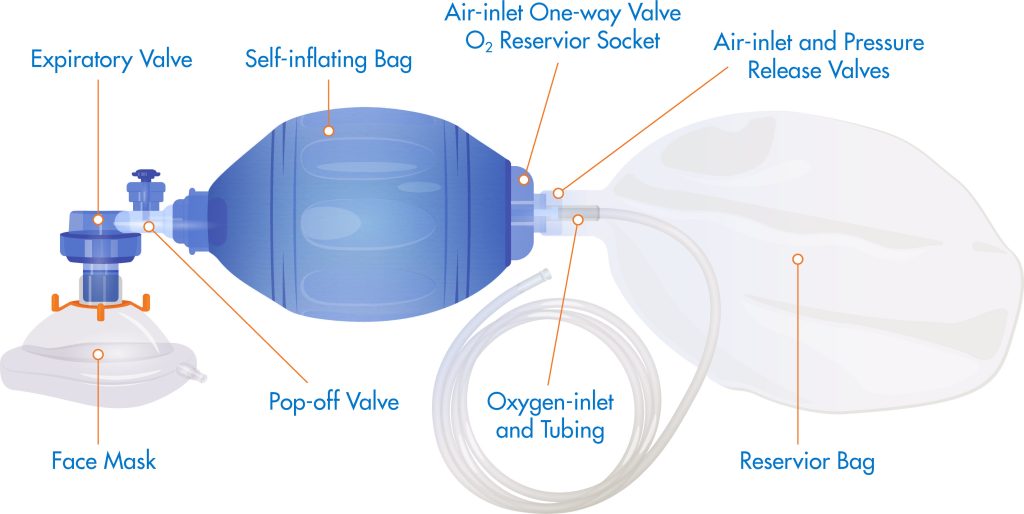
Manual resuscitator bags, also known as bag-valve masks, help push air into the lungs. They are soft bags that a rescuer squeezes by hand. This action forces air through the mask and into the patient’s airway. These bags often come with a mask and valve attached.
Face Masks
Face masks create a seal over the mouth and nose. They help direct air into the patient without leaks. Masks come in different sizes to fit adults and children. A good seal is essential for effective ventilation. Some masks have cushions for comfort and better fit.
One-way Valves
One-way valves allow air to flow only from the rescuer to the patient. They prevent the patient’s exhaled air from reaching the rescuer. This valve adds safety by reducing the risk of contamination. It also helps control airflow during ventilation.
Features Of Effective Masks
Choosing the right mask for mouth-to-mask ventilation can be a lifesaver. The features of an effective mask directly impact how well air flows into the lungs and how comfortable the process is for both the rescuer and the patient. Understanding these features helps you pick a mask that works efficiently in emergencies.
Material And Design
Effective masks are usually made from soft, flexible materials like silicone or PVC. These materials help the mask conform to different face shapes without causing discomfort or leaving gaps. A clear design is also useful because it lets you see if the patient is vomiting or bleeding, which could affect ventilation.
Some masks come with a one-way valve to prevent backflow, protecting you from exposure to bodily fluids. Have you noticed how a mask that feels sturdy but gentle gives you more confidence during resuscitation? That balance is key in the material and design.
Seal And Fit
A good seal is crucial for effective ventilation. Without a tight fit, air escapes, reducing the volume reaching the lungs. Masks often come in multiple sizes to fit children, adults, and larger individuals, so having the right size on hand matters.
Look for masks with a soft cuff around the edges to create a better seal. If you’ve ever tried to blow air through a poorly fitting mask, you know how frustrating it can be. Ensuring a secure fit helps you deliver breaths more efficiently and reduces the effort needed.
Portability
When emergencies strike, you need your equipment ready to go. Masks that are lightweight and compact fit easily into first aid kits or emergency bags. This makes it simple for you to carry one wherever you might need it.
Some masks fold or come with protective cases to keep them clean and ready. Have you ever struggled with bulky gear in a tense moment? Portability isn’t just a convenience—it can make a real difference in how quickly you respond.
Credit: willnice.net
Choosing The Right Device
Choosing the right device for mouth-to-mask ventilation can make a significant difference in emergency care. The device you select impacts how effectively you can deliver breaths and maintain an open airway. Understanding key factors helps you make a confident choice that suits the situation and your skill set.
Emergency Scenarios
Each emergency demands a different approach. In a sudden cardiac arrest, a device that allows quick setup and efficient ventilation is crucial. Meanwhile, in a situation with facial injuries, you may need a mask that fits securely without causing further harm.
Think about the environment too. Are you indoors, outdoors, or in a confined space? The device should be practical for the setting, ensuring you can act fast and safely.
User Skill Level
Your comfort and training with the device affect how well you can perform mouth-to-mask ventilation. Some devices require specific techniques, while others are more straightforward. If you are a beginner, choose a device with clear instructions and easy handling.
Have you practiced with different masks before? Familiarity reduces hesitation during a real emergency, allowing you to focus on the patient rather than the equipment.
Device Availability
Not all devices are always on hand. In many cases, you will use what is readily available in your workplace or emergency kit. Knowing what devices are accessible beforehand prepares you to act without delay.
Consider carrying a compact, versatile mask if you are often in situations where emergencies are possible. Being prepared with the right tool saves precious seconds and can save lives.
Proper Use Techniques
Mouth-to-mask ventilation is crucial in emergencies. Proper techniques enhance effectiveness. Correct use ensures the patient receives adequate air. Let’s explore the essential steps.
Positioning The Mask
Start with the patient’s head in a neutral position. This opens the airway. Place the mask over the patient’s mouth and nose. Ensure it aligns properly. The pointed end should cover the nose. The broader end should cover the mouth. This positioning is vital for effective ventilation.
Creating An Effective Seal
A good seal prevents air leaks. Use your hand to press the mask gently. Apply even pressure around the edges. Ensure no gaps exist between the mask and skin. A firm grip helps maintain the seal. This ensures maximum air delivery to the lungs.
Ventilation Rates
Proper ventilation rates are important. Provide one breath every 5 to 6 seconds. This equals 10 to 12 breaths per minute. Each breath should last about one second. Watch the chest rise to ensure sufficient air volume. Correct rates improve oxygen delivery and patient outcomes.
Maintenance And Care
Proper maintenance and care keep a mouth-to-mask device ready for use. Cleanliness ensures safety and reduces infection risks. Good storage protects the device from damage. Understanding the device’s lifespan helps plan timely replacements.
Cleaning Procedures
Clean the mask after every use. Use warm water and mild soap. Avoid harsh chemicals that can damage the material. Rinse thoroughly to remove all soap. Let the device air dry completely before storing. Disinfect the mask regularly using approved wipes or solutions. Check for cracks or tears during cleaning. Replace the mask if damaged.
Storage Tips
Store the device in a clean, dry place. Use a protective case to avoid dust and dirt. Keep it away from direct sunlight and heat. Avoid placing heavy objects on top of the mask. Store in a location easy to access during emergencies. Ensure the storage area is free from moisture.
Device Lifespan
The lifespan depends on the mask material and usage frequency. Regular cleaning extends the device’s life. Replace the mask if it shows signs of wear. Follow manufacturer guidelines for replacement intervals. Keep track of usage dates for timely checks. Do not use expired or damaged devices.

Credit: www.myfirstaidcourse.com.au
Frequently Asked Questions
What Device Is Used For Mouth-to-mask Ventilation?
A pocket mask or resuscitation mask is used for mouth-to-mask ventilation. It creates a seal over the patient’s face. This helps deliver breaths effectively during CPR or respiratory emergencies.
How Does A Mouth-to-mask Device Work?
The device fits tightly over the mouth and nose. It allows the rescuer to breathe air into the lungs. A one-way valve prevents backflow of air or fluids, ensuring safe ventilation.
Why Use A Mouth-to-mask Device Instead Of Mouth-to-mouth?
Mouth-to-mask ventilation reduces infection risk between rescuer and patient. It also improves the seal for better air delivery. This device is preferred in emergency medical settings for safety and effectiveness.
Can Anyone Use A Mouth-to-mask Device Safely?
Yes, with basic training, anyone can use it safely. The mask is designed for easy placement and effective ventilation. Proper technique ensures the patient receives adequate oxygen during emergencies.
Conclusion
The mouth-to-mask device helps deliver air safely and clearly. It creates a good seal over the face. This makes breathing support easier and more effective. Many first responders use it during emergencies. Learning about this device can improve your safety skills.
It is simple but very important in rescue situations. Always keep one handy if you help others. Knowing how to use it can save lives. A small tool with a big impact.



