
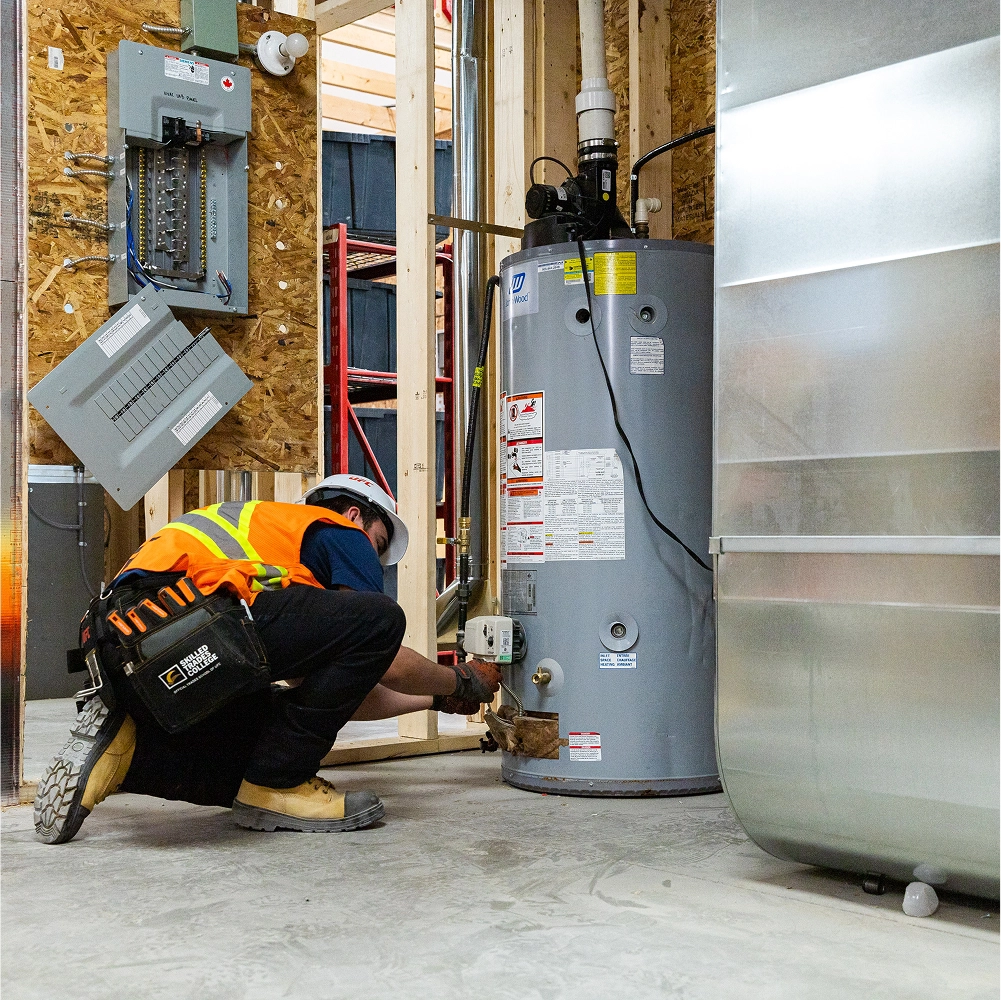
Are you thinking about starting a career in HVAC but wondering how long the classes actually take? Knowing the time commitment upfront can help you plan your schedule and set realistic goals.
Whether you want to jump into the workforce quickly or aim for advanced skills, understanding the length of HVAC classes is key. You’ll discover exactly how long these courses usually last, what factors can affect the duration, and how to choose the best option for your lifestyle.
Keep reading to find out what fits your needs and get closer to launching your HVAC career.
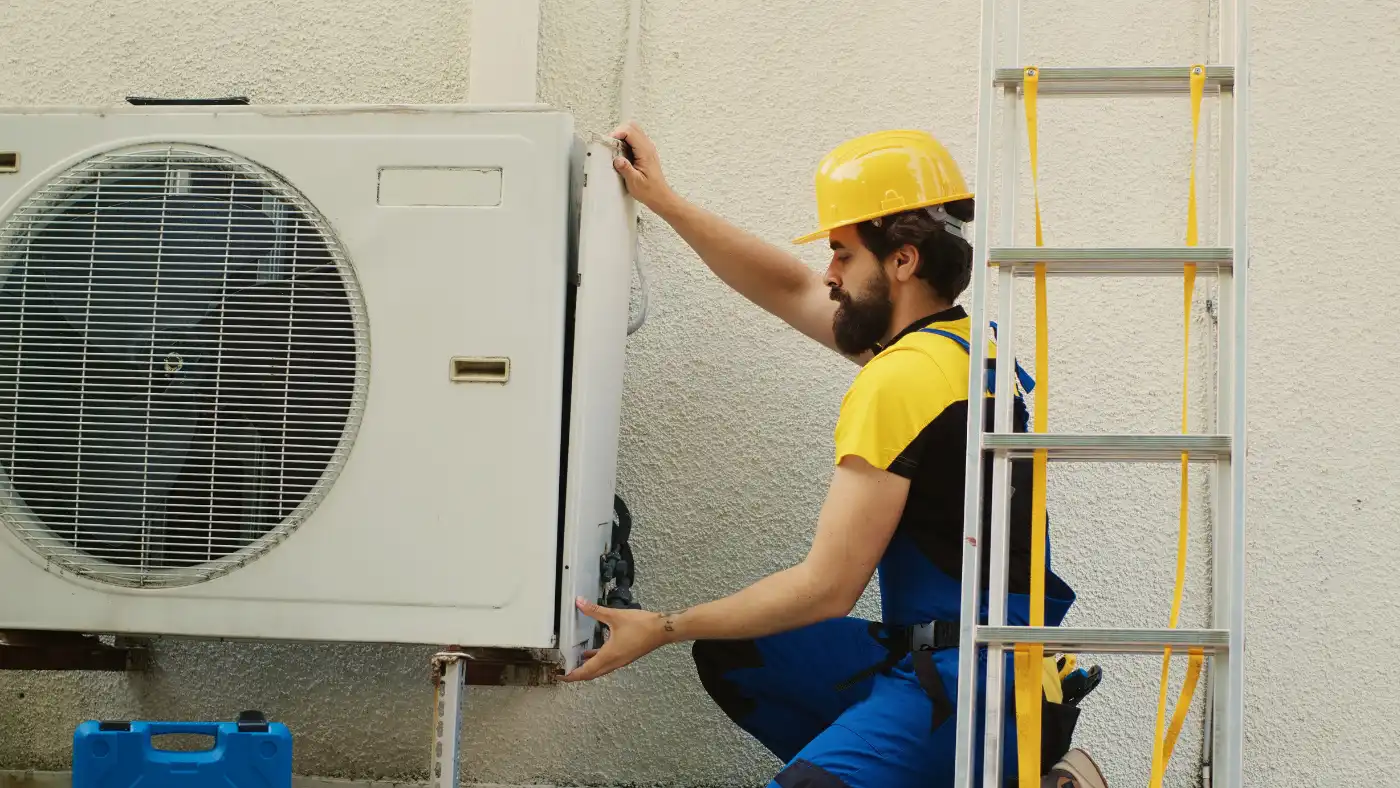
Credit: www.housecallpro.com
Hvac Course Lengths
HVAC course lengths vary depending on the type of program and career goals. Training can last from a few weeks to several years. Each program offers different depth and skills. Choosing the right length helps match your schedule and ambitions.
Short-term Programs
Short-term HVAC programs usually last from a few weeks to three months. These courses focus on basic skills and safety practices. They suit those wanting quick entry into the workforce. Training often includes hands-on practice and foundational knowledge.
Certificate Courses
Certificate courses typically take six months to one year. These programs cover system installation, repair, and maintenance. Students learn about electrical systems, refrigeration, and heating technology. Certificates can boost job prospects and prepare for entry-level roles.
Diploma And Associate Degrees
Diploma and associate degrees last about one to two years. These programs provide more in-depth training and theory. Coursework includes advanced HVAC systems, blueprint reading, and energy efficiency. Graduates earn credentials valued by employers and can pursue technician roles.
Bachelor’s Degree Options
Bachelor’s degree programs in HVAC or related fields take about four years. These degrees focus on engineering, management, and system design. Students gain skills in project planning and leadership. This path suits those aiming for advanced technical or managerial positions.
Factors Affecting Course Duration
The length of HVAC classes can vary widely depending on several key factors. Understanding these elements helps you choose a course that fits your schedule, learning style, and career goals. Let’s break down what influences the time commitment you’ll need to make.
Full-time Vs Part-time Study
Choosing between full-time and part-time study significantly affects how long your HVAC course will take. Full-time programs often last just a few months because you dedicate most of your weekdays to classes and training.
Part-time courses, on the other hand, stretch over a longer period. They allow you to balance work or family but expect the overall duration to increase. Have you thought about how much time per week you can realistically commit?
Online Vs In-person Classes
Online HVAC courses offer flexibility that might speed up or slow down your progress. You can often move at your own pace, finishing lessons faster if you’re motivated.
In-person classes usually follow a fixed schedule with set hours, which can help keep you on track but may take longer due to less flexibility. Which learning environment helps you stay focused and accountable?
Hands-on Training Requirements
HVAC is a practical field, so hands-on training is essential. Some programs include extensive lab work and real-world practice, which extends the course length.
Others may offer shorter practical sessions or simulated environments, reducing time but possibly impacting skill depth. How important is hands-on experience for your confidence and job readiness?
Specialization Tracks
Courses focusing on general HVAC skills tend to be shorter. But if you choose a specialization, like refrigeration systems or green technologies, expect the program to take longer.
These tracks add extra modules and training to develop expertise in specific areas. Are you aiming for a broad skill set, or do you want to dive deep into a niche?
Choosing The Right Duration
Choosing the right duration for HVAC classes can shape your learning experience and career path. The length of the program affects how quickly you start working, how much you pay, and what skills you gain. Before you decide, consider factors that match your personal situation and professional goals.
Career Goals And Time Commitment
Think about what you want to achieve with your HVAC training. Are you aiming to enter the workforce quickly, or do you want a more in-depth education that covers advanced skills? Shorter courses may get you certified faster, but longer programs often provide hands-on experience and broader knowledge.
Ask yourself: How much time can you realistically dedicate to classes without sacrificing your other responsibilities? Balancing work, family, and study is essential to avoid burnout and stay motivated.
Budget Considerations
Your budget plays a big role in choosing the class duration. Longer programs usually cost more overall, but they might offer more value through comprehensive training and job placement assistance. Short-term courses can be less expensive upfront but might require additional certifications later on.
Look beyond tuition fees. Consider expenses like textbooks, tools, and travel. Does the program offer financial aid or payment plans that fit your situation? These details can make a big difference in your decision.
Accreditation And Certification
Not all HVAC classes are created equal. Make sure the program you choose is accredited by a recognized agency. This ensures the training meets industry standards and employers will respect your certification.
Check if the course prepares you for important certifications like EPA 608 or NATE. These credentials can open doors and increase your earning potential. Without proper certification, your time and money might not lead to the job opportunities you want.
Job Market Demand
Research the demand for HVAC technicians in your area or where you plan to work. If the job market is competitive, a longer, more comprehensive course might give you an edge. In regions with high demand, even shorter programs could lead to quick employment.
Consider talking to local employers or visiting job boards to understand what skills and certifications are most valued. Does the program offer internships or connections to local businesses? Practical experience often matters as much as classroom learning.

Credit: technologiesera.com
Accelerated Hvac Programs
Accelerated HVAC programs offer a quicker path to start a career in heating, ventilation, and air conditioning. These courses condense essential training into a shorter time frame than traditional classes. Students can gain skills and certifications faster, entering the workforce sooner.
These programs suit those eager to learn fast and work quickly. They focus on core knowledge and practical skills, cutting down on extra time spent in school. This approach helps meet the demand for HVAC technicians in a shorter period.
Benefits Of Fast-track Courses
- Complete training in a few months instead of years.
- Lower overall cost due to reduced time in school.
- Quick entry into the job market.
- Focused curriculum on essential HVAC skills.
- Hands-on experience through intensive labs.
Potential Challenges
- Fast pace may be hard to follow for some students.
- Less time for deep study or extra practice.
- Can be stressful due to workload and speed.
- Limited time for balancing work or family commitments.
- May require strong self-discipline and time management.
Examples Of Accelerated Options
| Program Type | Duration | Key Features |
|---|---|---|
| Certificate Program | 3-6 months | Focus on HVAC basics and certification prep |
| Intensive Bootcamp | 8-12 weeks | Hands-on training with real equipment |
| Fast-Track Associate Degree | 12-18 months | Includes general education and advanced HVAC topics |
Balancing Learning And Experience
HVAC classes typically last from a few months to a year, depending on the program. Balancing study time with hands-on experience helps build strong skills. Practical work complements classroom learning for better job readiness.
Balancing learning and experience is crucial in HVAC training. Knowledge from the classroom forms the foundation. Yet, real-world practice refines skills. This blend creates proficient HVAC technicians. Let’s explore how learning and experience intertwine.Apprenticeships And Internships
Apprenticeships offer hands-on experience. Trainees work alongside skilled professionals. They learn industry standards and techniques. Internships provide valuable insights too. They often involve job shadowing. Both paths enhance understanding and skill.On-the-job Training
On-the-job training is vital for HVAC students. It involves working with real equipment. Students solve actual problems. This direct exposure builds confidence. It also deepens technical knowledge.Continuing Education
Learning doesn’t stop after initial training. Continuing education keeps skills sharp. It covers new technologies and methods. This ongoing learning ensures technicians stay current. It also helps them advance in their careers.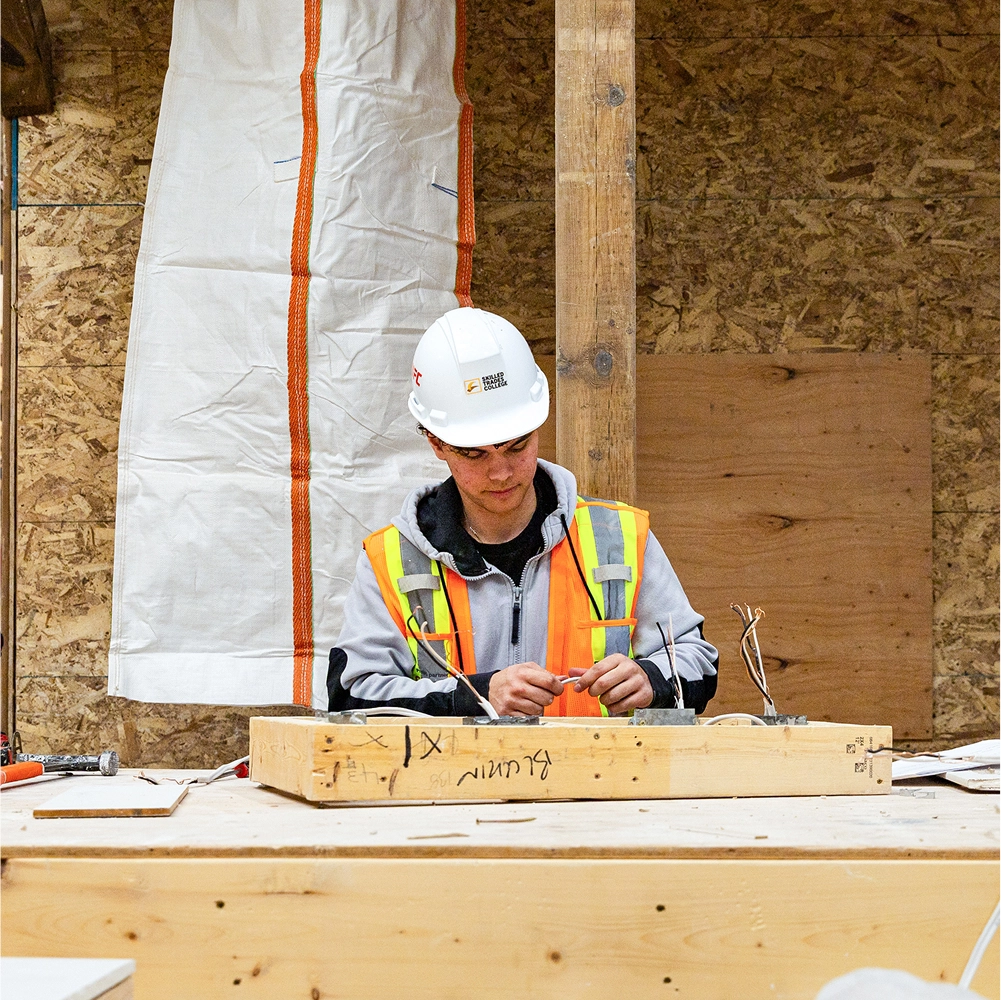
Credit: www.skilledtradescollege.ca
Frequently Asked Questions
How Long Do Hvac Classes Typically Last?
HVAC classes usually last between 6 months to 2 years, depending on the program type. Certificate programs are shorter, while associate degrees take longer. This duration allows students to gain essential skills and hands-on experience for HVAC careers.
What Factors Affect Hvac Class Duration?
The length of HVAC classes depends on program type, course load, and school. Full-time students complete courses faster than part-time learners. Certification programs are quicker than degree programs. Hands-on training and internships also influence overall class duration.
Can Hvac Classes Be Completed Online Or In-person?
Both online and in-person HVAC classes are available. Online classes offer flexibility and often match the duration of in-person programs. Practical training, however, usually requires in-person attendance to gain hands-on skills essential for the trade.
How Many Hours Per Week Are Hvac Classes?
HVAC classes typically require 15 to 25 hours of study per week. This includes lectures, labs, and hands-on practice. The weekly hours may vary based on program intensity and whether the student studies full-time or part-time.
Conclusion
HVAC classes usually last from a few months to over a year. The length depends on the program type and your goals. Short courses focus on basics, while longer ones offer detailed training. Choose a program that fits your schedule and learning needs.
Keep in mind, hands-on practice is key to success. Start with a clear plan and stay committed. Your HVAC career begins with the right education and time investment. Ready to take the next step?



