
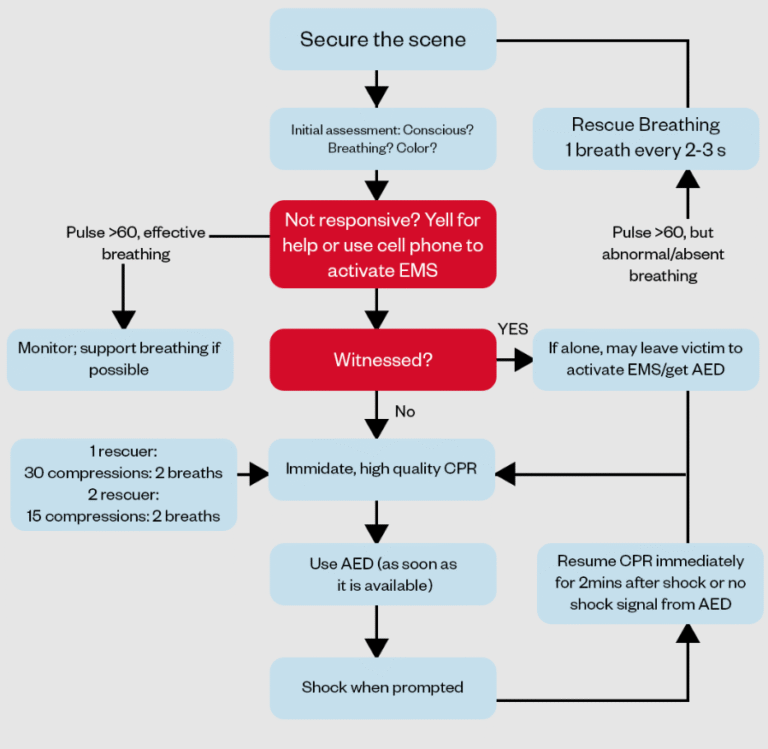
When someone’s life is on the line, every second counts. If you ever find yourself in a situation where CPR is needed, you might wonder: do you give ventilations before starting chest compressions?
Knowing the right steps can make all the difference between saving a life and missing a chance. This article will clear up the confusion and give you simple, clear answers. By the end, you’ll feel more confident and ready to act when it matters most.
Keep reading—your knowledge could become someone’s lifeline.

Credit: heartstartcpr.net
When To Start Ventilations
Knowing when to start ventilations during CPR is vital. Ventilations help provide oxygen to the lungs when natural breathing stops. Starting too early or too late can affect the victim’s chances of survival. Recognizing clear signs guides you in giving timely breaths.
Signs Of Breathing Failure
Breathing failure means the person cannot get enough air on their own. Watch for these signs:
- Slow or no breathing
- Gasping or irregular breaths
- Blue lips or face
When these appear, ventilations should begin immediately.
Assessing Responsiveness
Check if the person responds to touch or voice. Shake gently and shout their name. No response means the person is unconscious. Unconscious people often need help with breathing. Start ventilations if they do not respond and show breathing failure signs.
Checking Airway Obstruction
Look inside the mouth for blockages like food or vomit. Clear any objects that block airflow. Tilt the head back and lift the chin to open the airway. A clear airway allows ventilations to be effective. Blocked airways must be cleared before giving breaths.
How Ventilations Help
Ventilations play a vital role in emergency care before CPR begins. They help provide oxygen to the lungs and keep the body’s organs alive. Understanding how ventilations assist can clarify their importance in saving lives.
Oxygen Delivery Importance
Oxygen is essential for the body’s cells to work properly. Ventilations push air into the lungs, supplying oxygen directly. This oxygen travels through the blood to vital organs, helping maintain their function. Without enough oxygen, cells start to die quickly.
Preventing Brain Damage
The brain needs constant oxygen to avoid damage. Ventilations help supply oxygen during a cardiac arrest or breathing failure. This supply reduces the risk of brain injury by keeping brain cells alive. Quick oxygen delivery can protect mental functions and improve recovery chances.
Supporting Circulation
Ventilations assist the heart by improving blood flow. Proper oxygen levels make the heart pump more effectively. Oxygen-rich blood reaches muscles and organs, supporting their activity. This support is critical until CPR or professional help takes over.
Ventilation Techniques
Ventilation techniques are key to helping someone who cannot breathe on their own. These techniques help deliver air directly into the lungs. Proper ventilation supports oxygen flow and can keep the person alive until emergency help arrives. Different methods suit different situations and skill levels. Understanding these can improve your confidence during CPR.
Mouth-to-mouth Method
This technique involves breathing air directly into the person’s mouth. First, tilt the head back to open the airway. Pinch the nose shut to prevent air from escaping. Take a deep breath and place your mouth over theirs. Blow steadily into their mouth for about one second. Watch for the chest to rise, signaling air entry. This method requires no equipment and can be done anywhere.
Using A Pocket Mask
A pocket mask creates a barrier between you and the patient’s mouth. It helps reduce the risk of infection. Place the mask over the person’s mouth and nose. Use the one-way valve to blow air into the lungs. Seal the edges of the mask tightly against the face. This device allows better airflow and safer ventilation. It is handy for trained responders and first aid kits.
Bag-valve-mask Ventilation
This method uses a self-inflating bag attached to a mask. It delivers controlled breaths to the patient. Place the mask securely over the nose and mouth. Squeeze the bag slowly and firmly to push air into the lungs. Watch the chest rise with each breath. This tool is common in hospitals and emergency services. It requires some training but provides effective ventilation support.
Timing Ventilations With Chest Compressions
Timing ventilations with chest compressions is crucial during CPR. Proper coordination helps maintain blood flow and oxygen delivery. Interruptions in compressions should be as short as possible. Ventilations must be given at the right moment to maximize effectiveness. Understanding this timing improves chances of survival.
Compression-to-ventilation Ratios
The ratio of chest compressions to ventilations varies by situation. For adults and children, the standard ratio is 30 compressions to 2 breaths. This means 30 compressions are followed by 2 quick breaths. Each breath should last about one second and make the chest rise. This ratio helps keep oxygen moving to vital organs.
Continuous Compressions Vs. Traditional Cpr
Continuous chest compressions mean giving compressions without stopping for breaths. This method is often used by trained responders or in cases without a mask. Traditional CPR includes pauses to deliver breaths after every 30 compressions. Continuous compressions keep blood flowing but may reduce oxygen if no breaths are given. Choosing the right method depends on the rescuer’s training and situation.
Special Cases: Infants And Children
For infants and children, the compression-to-ventilation ratio changes slightly. Single rescuers use 30 compressions and 2 breaths, like adults. Two rescuers use a ratio of 15 compressions to 2 breaths. Compressions are gentler and use two fingers or two hands depending on size. Ventilations should be gentle enough to make the chest rise without causing harm.
Safety Tips For Performing Ventilations
Perform ventilations carefully to avoid spreading germs. Use a barrier device and ensure the airway is open before giving breaths. Always check for signs of breathing before starting CPR.
Safety Tips for Performing Ventilations: Ensuring Effective Rescue Breathing When it comes to performing ventilations during CPR, ensuring the safety of both the rescuer and the patient is paramount. A poorly executed ventilation can lead to complications, making it crucial to follow proper techniques and safety guidelines. By following these safety tips, you can help ensure the best possible outcome for the patient. Avoiding Airway BlockagePreventing Airway Obstruction
To prevent airway blockage, it’s essential to maintain a clear airway during ventilation. This can be achieved by gently tilting the patient’s head and lifting the chin. By doing so, you’ll create a clear path for air to enter the lungs, reducing the risk of blockage. Reducing Infection RiskUsing Personal Protective Equipment (ppe)
When performing ventilations, it’s vital to use personal protective equipment (PPE) such as gloves and a face mask to reduce the risk of infection. By taking this simple precaution, you’ll not only protect yourself from potential infections but also prevent the spread of diseases to others. Effective Seal and Breath DeliveryMaintaining A Proper Seal
To ensure effective breath delivery, it’s crucial to maintain a proper seal around the patient’s mouth and nose. This can be achieved by using a well-fitting mask or by positioning the patient correctly. By doing so, you’ll ensure that each breath is delivered effectively, reducing the risk of complications.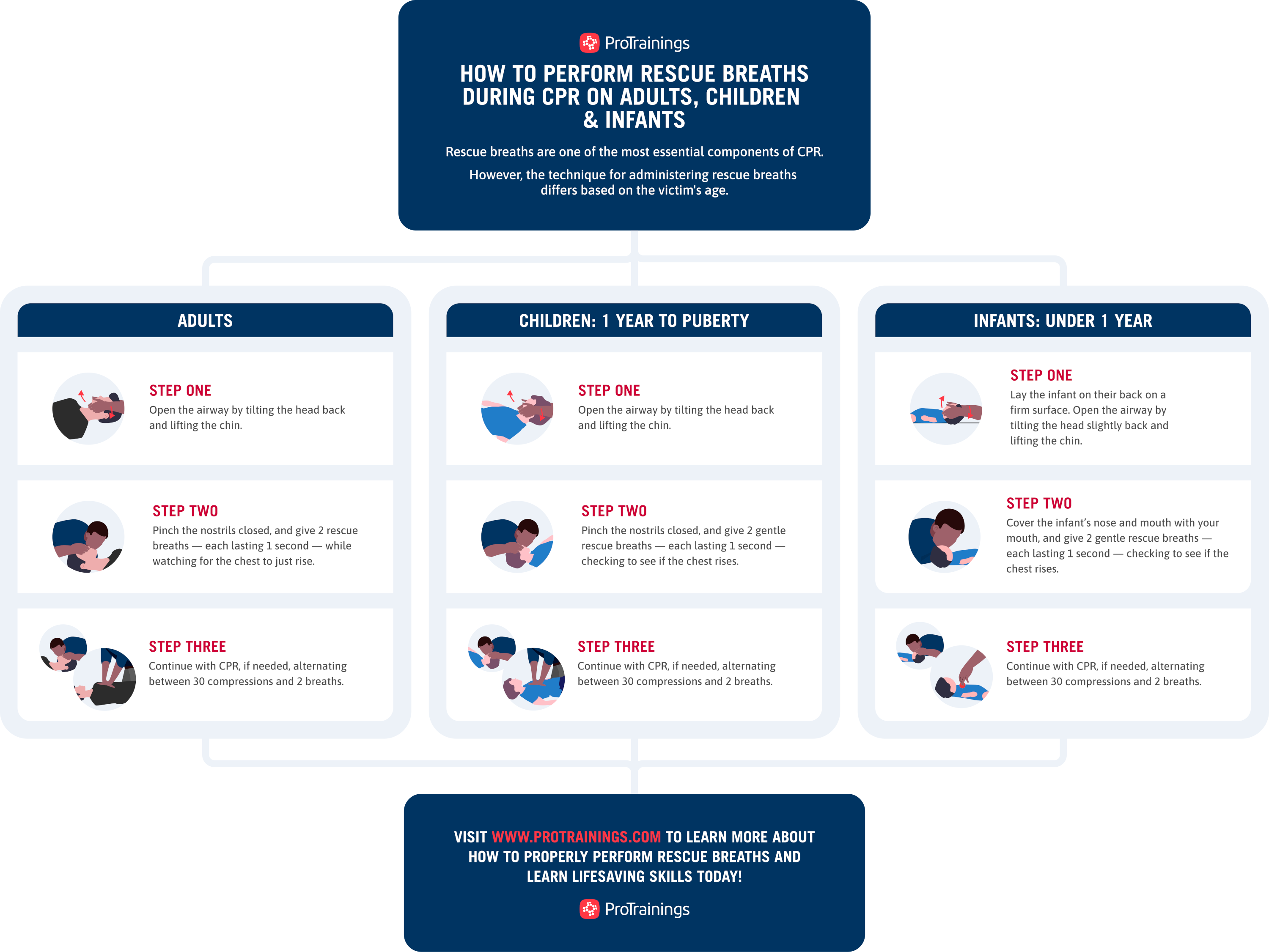
Credit: www.protrainings.com
When To Skip Ventilations
Knowing when to skip ventilations during CPR can save valuable time. Ventilations are important but not always necessary in every situation. Prioritizing chest compressions can increase the chance of survival in some cases. Understanding these moments helps responders act quickly and effectively.
Hands-only Cpr Guidelines
Hands-only CPR focuses on chest compressions without mouth-to-mouth breaths. It suits adults who suddenly collapse and show no signs of breathing. This method is easier to perform for bystanders. It keeps oxygen flowing to the brain and heart until help arrives.
Situations Requiring Immediate Compressions
Start chest compressions immediately if the person is unresponsive and not breathing normally. Do not delay compressions for ventilations in these cases. Quick compressions maintain blood flow and improve survival chances. This approach is critical during cardiac arrest outside hospitals.
Limitations For Untrained Rescuers
Untrained rescuers may hesitate to give mouth-to-mouth breaths. Fear of infection or doing it wrong can stop them. Hands-only CPR removes these barriers and encourages action. Simple compression-only CPR increases the likelihood that help will be given promptly.

Credit: baysidecpr.com
Frequently Asked Questions
Do You Give Ventilations Before Starting Cpr?
Yes, ventilations are given before chest compressions in CPR when the victim shows no breathing. They provide oxygen to the lungs. This helps maintain oxygen flow to vital organs until normal breathing resumes or advanced help arrives.
How Many Ventilations Should Be Given Before Cpr?
Typically, two rescue breaths or ventilations are given before starting chest compressions in CPR. Each breath should last about one second and make the chest rise visibly. Then proceed with compressions to circulate oxygenated blood.
When Is Ventilation Necessary Before Cpr?
Ventilation is necessary before CPR if the person is not breathing or only gasping. It ensures oxygen enters the lungs. This is especially important in drowning or respiratory-related cardiac arrest cases where oxygen deprivation is the primary issue.
Can Cpr Be Done Without Ventilations?
Yes, hands-only CPR without ventilations is recommended for untrained bystanders. It focuses on chest compressions only. However, ventilations improve survival in cases like children or respiratory arrest, so trained rescuers should include them.
Conclusion
Ventilations can help deliver oxygen during CPR. But chest compressions are the priority. Start with strong, steady compressions to keep blood flowing. Only add breaths if trained to do so. Quick action saves lives. Practice CPR skills regularly to stay ready.
Remember, every second counts in an emergency. Stay calm and act confidently. Your response can make a real difference.



