
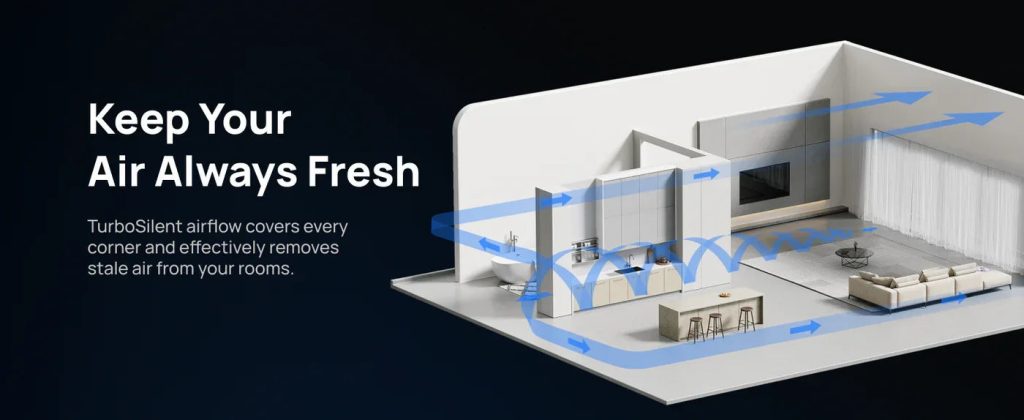
Are you struggling with stuffy air and unpleasant odors in your room? Proper ventilation is the simple key to fresh, clean air that makes your space more comfortable and healthier.
But how do you ventilate a room effectively without spending a fortune or complicated tools? You’ll discover easy and practical ways to bring fresh air into your room right now. Keep reading, because the secret to better air quality is easier than you think—and your home will thank you for it.
Why Ventilation Matters
Ventilation plays a key role in keeping a room fresh and safe. It helps remove stale air and brings in clean air. Proper ventilation creates a comfortable space and supports health and well-being. Understanding its importance helps maintain better living conditions.
Impact On Health
Poor ventilation causes air to become stale and full of pollutants. This can lead to headaches, allergies, and breathing problems. Proper airflow reduces the risk of mold and bacteria growth. It helps protect your lungs and overall health.
Improving Indoor Air Quality
Good ventilation removes dust, odors, and harmful gases. It lowers indoor pollution levels by bringing fresh air inside. Clean air boosts comfort and reduces the chance of sickness. This creates a healthier environment for everyone in the room.
Energy Efficiency Benefits
Ventilation controls humidity and temperature without extra energy use. It helps keep rooms cool in summer and dry in winter. Balanced airflow reduces the need for heating and cooling systems. This saves energy and lowers utility bills.
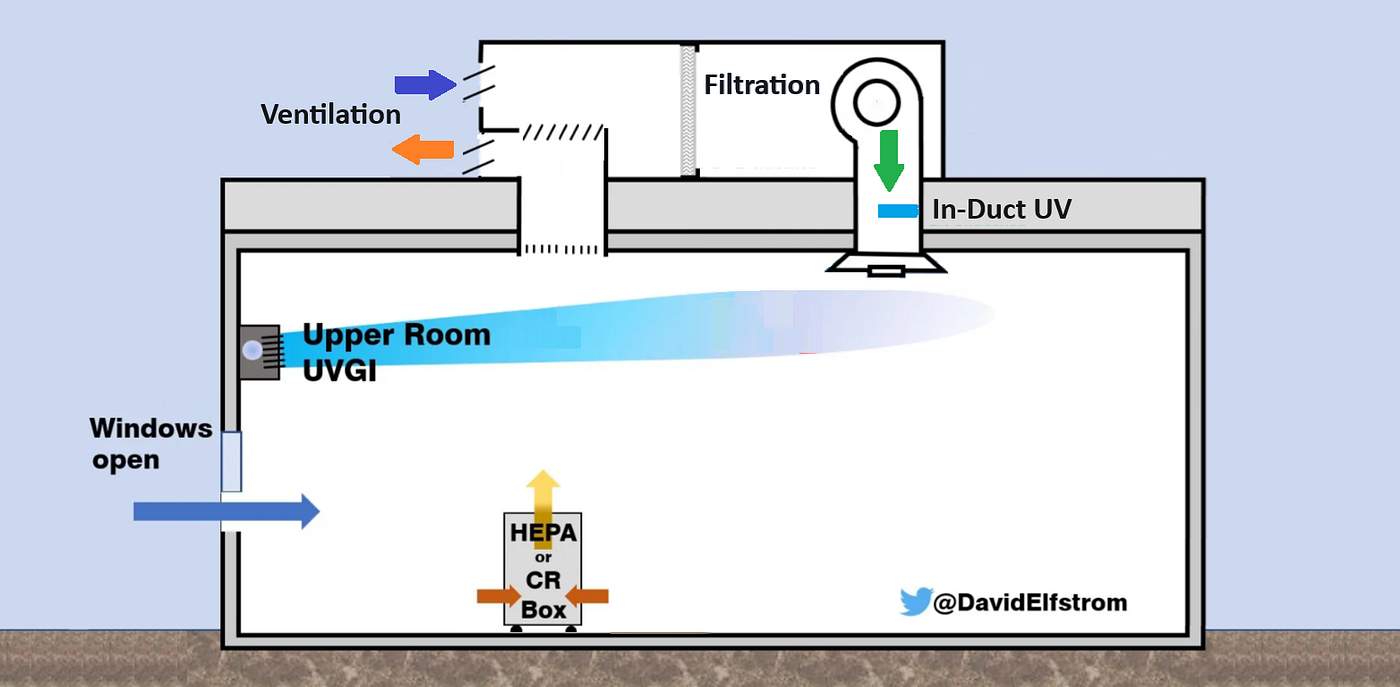
Credit: itsairborne.com
Signs Your Room Needs Ventilation
Knowing when your room needs ventilation can save you from a host of problems, from discomfort to health issues. It’s not always obvious, but certain signs signal that fresh air isn’t circulating enough. Recognizing these signs early helps you take action before the situation worsens.
Persistent Odors
Have you noticed a constant, unpleasant smell lingering in your room? This could be a sign that stale air is trapped inside. Even after cleaning, if odors like cooking smells, pet odors, or mustiness don’t fade, your room likely needs better airflow.
Odors stick around because the air isn’t moving enough to carry them away. Opening windows or using exhaust fans can quickly refresh the space. If that doesn’t help, it may be time to check for ventilation issues.
Excess Humidity
Humidity levels higher than 60% in your room can make the space feel uncomfortable and sticky. You might notice your clothes or books feeling damp, or your skin feeling clammy. This excess moisture often results from poor ventilation.
High humidity can also lead to other issues like mold growth or damage to wood furniture. Using a hygrometer can help you monitor indoor humidity. Simple steps like running a dehumidifier or increasing air circulation can restore balance.
Condensation And Mold
Seeing water droplets on windows or walls is a clear warning sign. Condensation happens when warm, moist air meets cooler surfaces. If left unchecked, this moisture creates the perfect environment for mold to grow.
Mold not only damages your room but also affects your health, causing allergies or respiratory problems. If you spot black or green patches forming on walls or ceilings, it’s time to improve ventilation urgently. Have you checked behind furniture or in corners for hidden mold?
Natural Ventilation Techniques
Natural ventilation uses outside air to cool and freshen indoor spaces. It works without machines or electricity. This technique improves air quality and reduces indoor pollutants. It also helps lower energy bills by cutting the need for air conditioning.
Natural ventilation depends on airflow paths and openings. Proper design and placement of windows, doors, and other vents can increase air movement. Here are some effective ways to ventilate a room naturally.
Cross Ventilation
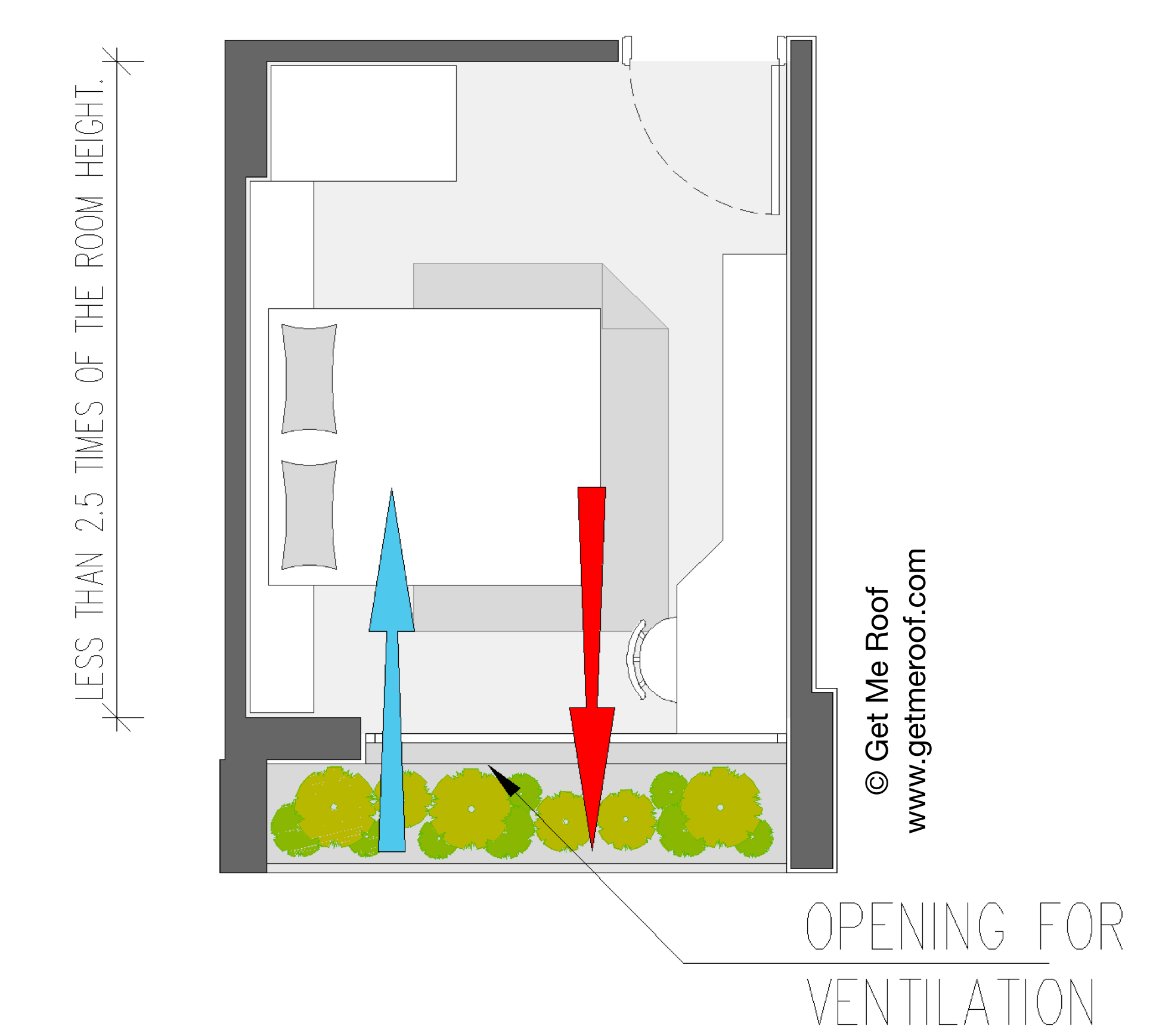
Cross ventilation happens when air flows through a room from one side to the other. It requires openings on opposite walls, like windows or vents. Air enters from one side, moves through the room, and exits on the other side.
This airflow helps remove heat and stale air quickly. Rooms with cross ventilation feel cooler and fresher. To improve cross ventilation, keep the path between openings clear of furniture and obstructions.
Using Windows And Doors
Windows and doors are simple tools for natural ventilation. Opening them allows fresh air to enter and stale air to leave. Position windows and doors to catch the breeze and direct airflow inside.
Use window types that open wide, such as casement or sliding windows. Keep doors open during warm hours to increase air exchange. Screens can prevent insects while letting air flow freely.
Ventilation Through Skylights
Skylights can provide natural ventilation from above. Ventilating skylights open to release hot air that rises inside the room. This creates a natural upward airflow that draws in cooler air from lower openings.
They are especially useful in rooms without many side windows. Use skylights that can be opened easily for better control. This method helps reduce indoor heat and improves air circulation effectively.
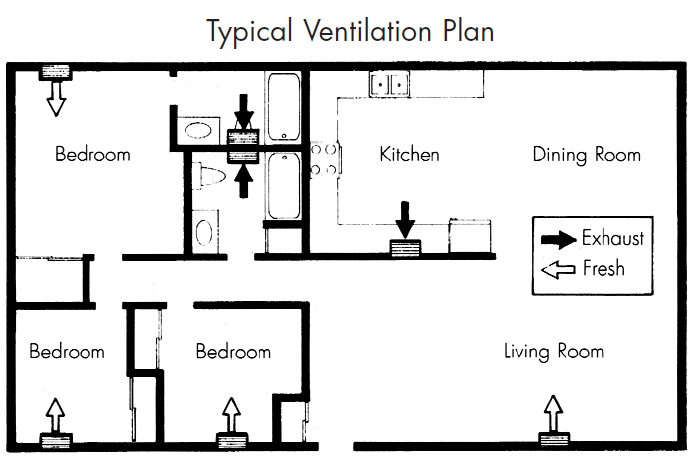
Credit: www.jlconline.com
Mechanical Ventilation Options
Mechanical ventilation offers reliable ways to improve air circulation and maintain healthy indoor air quality. These systems actively move air in and out of your room, helping to control humidity, reduce pollutants, and keep fresh air flowing. Understanding the different mechanical options can help you choose the best fit for your space and needs.
Exhaust Fans
Exhaust fans pull stale air out of your room and push it outside. They are commonly used in kitchens and bathrooms to remove odors, moisture, and airborne particles quickly.
Installing an exhaust fan is often straightforward and cost-effective. You can control the fan manually or set timers and humidity sensors for automatic operation.
Have you noticed how a simple exhaust fan can drastically reduce condensation on your bathroom mirror? That’s a clear sign it’s working to keep your space fresh and dry.
Air Purifiers With Ventilation
Air purifiers with ventilation combine filtration and airflow to clean indoor air while bringing in fresh outside air. These devices trap dust, allergens, and smoke particles, improving the air quality you breathe.
Many models come with adjustable settings, allowing you to control the level of ventilation and filtration based on your room’s size and pollution levels.
Think about how much better your work or sleep environment becomes when the air feels cleaner and less stuffy. This dual function can make a big difference in comfort and health.
Heat Recovery Ventilators
Heat Recovery Ventilators (HRVs) exchange indoor air with fresh outdoor air while conserving energy. They transfer heat from the outgoing air to warm the incoming air during colder months, keeping your room comfortable without wasting energy.
HRVs are particularly useful in tightly sealed homes where natural airflow is limited. They maintain ventilation without causing drafts or significant temperature drops.
Have you ever wondered how to keep your room well-ventilated in winter without cranking up the heating? An HRV might be the solution you need to balance fresh air and energy savings.
Tips For Effective Ventilation
Ventilating a room effectively improves air quality and comfort. Fresh air reduces pollutants and moisture. Proper ventilation also controls temperature. Here are some tips to ventilate a room well.
Timing Your Ventilation
Open windows in the early morning. This time air is coolest. Let fresh air in for 15-30 minutes. Avoid ventilating during peak traffic hours. It minimizes pollution entering your space. Consider night-time ventilation in warm weather. It helps cool down your home naturally.
Maintaining Ventilation Systems
Regularly check your ventilation systems. Ensure fans and ducts are clean. Dust and debris can block air flow. Replace filters in air conditioning units frequently. It keeps air fresh and healthy. Check for any unusual noises. They might indicate a problem needing repair.
Balancing Ventilation And Temperature
Keep a balance between fresh air and warmth. In winter, open windows briefly. It allows air exchange without losing much heat. Use draft stoppers to prevent cold air from entering. During summer, use fans to circulate air. It aids in cooling down the room effectively.
Credit: medium.com
Ventilation For Different Room Types
Different rooms need different ways to bring in fresh air and remove stale air. Proper ventilation keeps rooms comfortable and healthy. It helps control moisture, odors, and pollutants. Each room has unique challenges and solutions for ventilation.
Kitchens And Bathrooms
Kitchens and bathrooms produce moisture and strong smells. Use exhaust fans to remove steam and odors quickly. Fans should vent outside, not into the attic or other spaces. Open windows if possible, to bring fresh air in. Use range hoods above stoves to capture cooking fumes. Keep vents clean for best airflow. Proper ventilation prevents mold and mildew in these rooms.
Bedrooms And Living Rooms
These rooms need fresh air for comfort and health. Use windows and doors to allow cross-ventilation. Ceiling fans help move air around. Avoid blocking vents or windows with furniture. Consider air purifiers to improve air quality. Regularly open windows to reduce indoor pollutants. Proper airflow helps improve sleep and focus.
Basements And Attics
Basements and attics often have poor airflow and moisture problems. Use vents and fans to promote air movement. Install dehumidifiers in basements to control dampness. Attic vents help release hot air in summer. Ensure vents are not blocked by insulation or debris. Proper ventilation reduces mold risk and keeps these spaces dry and usable.
Frequently Asked Questions
How Do You Ventilate A Room Naturally?
Open windows and doors on opposite sides to create cross-ventilation. Use fans to enhance airflow. This method improves indoor air quality without mechanical systems.
What Are The Best Ventilation Methods For Small Rooms?
Use exhaust fans, window fans, or air purifiers with HEPA filters. Ensure air circulates well by opening windows regularly. These options help maintain fresh air in tight spaces.
How Often Should You Ventilate A Room Daily?
Ventilate at least 2-3 times a day for 10-15 minutes. This helps remove stale air and reduces indoor pollutants, improving overall air quality and comfort.
Can Ventilation Reduce Indoor Humidity Effectively?
Yes, proper ventilation lowers indoor humidity by exchanging moist air with dry outside air. Use exhaust fans in bathrooms and kitchens to control moisture and prevent mold.
Conclusion
Proper room ventilation improves air quality and comfort. Open windows create fresh airflow and reduce stuffiness. Use fans to move air and help circulation. Keep vents clean to let air flow easily. Good ventilation lowers moisture and stops mold growth.
It also removes odors and keeps the space healthy. Simple steps make your room feel fresher and brighter. Regular ventilation benefits your health and well-being. Breathe easy with clean, fresh air every day.



