

Are you struggling with breathing problems or restless nights? Understanding how CPAP improves oxygenation and ventilation could be the key to better sleep and better health.
This simple device does more than just help you breathe—it changes how your body gets the oxygen it needs. You’ll discover exactly how CPAP works to boost your oxygen levels and make each breath easier. Keep reading, because what you learn here could transform your nights and energize your days.
Cpap Basics
Understanding the basics of CPAP helps explain how it improves oxygenation and ventilation. CPAP stands for Continuous Positive Airway Pressure. It is a simple yet effective therapy for breathing problems, especially during sleep.
What Is Cpap
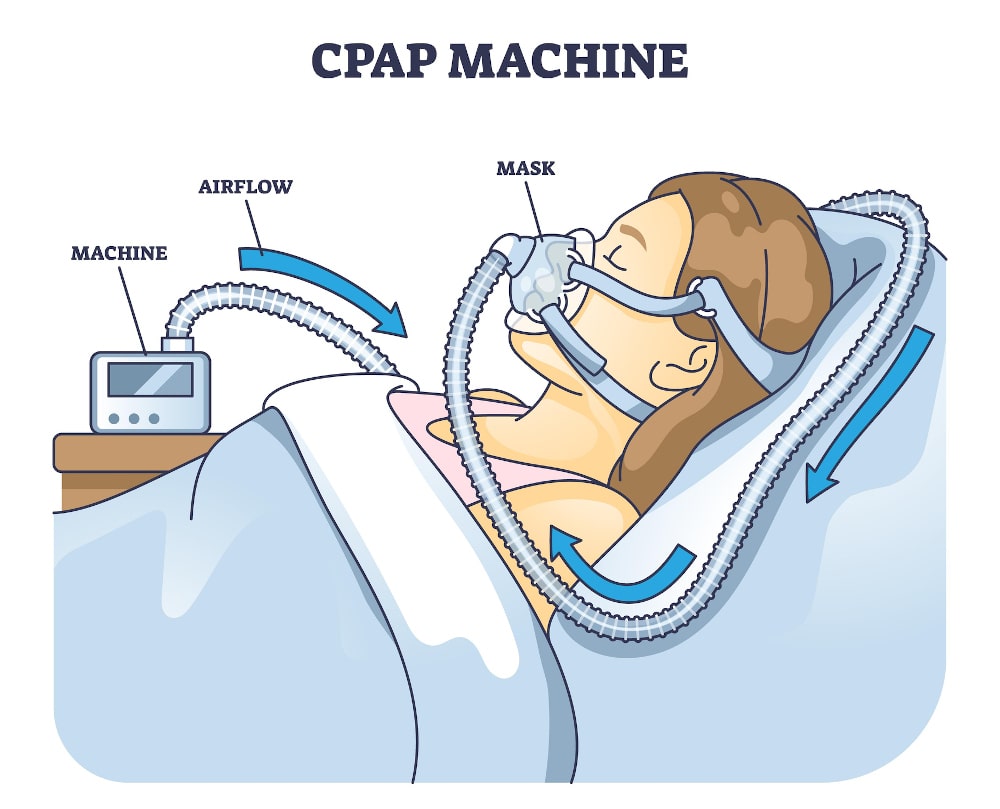
CPAP is a machine that delivers steady air pressure through a mask. This pressure keeps the airways open. It prevents the throat from collapsing during sleep. Many people use CPAP to treat sleep apnea.
Sleep apnea causes brief pauses in breathing. These pauses lower oxygen levels in the blood. CPAP helps maintain steady breathing and oxygen flow throughout the night.
How Cpap Works
The CPAP machine pushes air gently into the nose or mouth. This air pressure acts like a splint for the airway. It stops it from closing or narrowing. As a result, air moves easily in and out of the lungs.
By keeping the airway open, CPAP improves ventilation. Ventilation means the exchange of air in the lungs. Better ventilation increases oxygen levels in the blood. It also helps remove carbon dioxide efficiently.
People feel more rested and alert after using CPAP. Their heart and brain get more oxygen. This simple device supports better breathing all night long.
Credit: beccpap.ca
Oxygenation Benefits
CPAP therapy offers significant oxygenation benefits that improve breathing quality. It helps maintain steady oxygen levels in the blood. This support is crucial for people with sleep apnea or other breathing issues. The therapy works by keeping airways open and enhancing oxygen flow during sleep.
Enhancing Airway Patency
CPAP keeps the airway open by providing constant air pressure. This pressure stops airway collapse during sleep. Open airways allow air to flow freely to the lungs. Improved airway patency reduces breathing interruptions. This means better oxygen delivery to the body.
Increasing Oxygen Intake
By keeping airways clear, CPAP boosts the amount of oxygen inhaled. More oxygen reaches the lungs with each breath. This helps the blood carry more oxygen to tissues. Better oxygen intake supports brain function and overall health.
Reducing Hypoxemia
Hypoxemia means low oxygen levels in the blood. CPAP reduces hypoxemia by improving lung ventilation. It helps maintain normal oxygen levels during sleep. Reducing hypoxemia lowers risks of heart and lung problems. It also improves energy and concentration during the day.
Ventilation Improvements
Ventilation improvements are key to how CPAP helps people breathe better. It enhances airflow and supports lung function. This leads to better oxygen intake and removal of waste gases like carbon dioxide. CPAP keeps the airways open and helps the lungs work more efficiently.
Preventing Airway Collapse
CPAP delivers continuous positive pressure to the airways. This pressure acts like a splint, holding airways open. It stops the collapse that blocks airflow during sleep. Open airways allow steady breathing and better air movement. This reduces pauses in breathing and improves oxygen levels.
Improving Carbon Dioxide Removal
Proper ventilation clears carbon dioxide from the body. CPAP supports this by keeping airways clear and open. It helps the lungs push out carbon dioxide with each breath. Removing excess carbon dioxide prevents buildup, which can cause tiredness and headaches. CPAP thus aids in maintaining balanced blood gases.
Supporting Lung Expansion
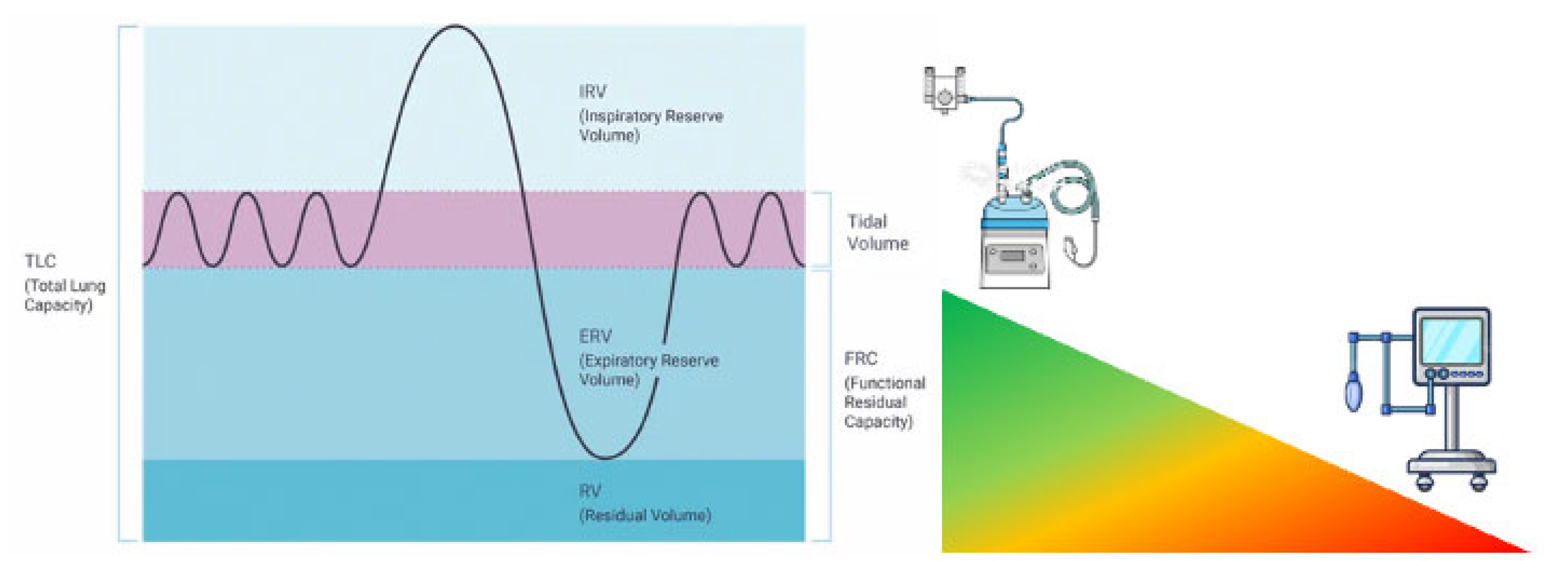
CPAP helps the lungs expand fully with each breath. The pressure helps inflate small air sacs called alveoli. Fully expanded alveoli improve gas exchange between air and blood. This increases oxygen absorption and carbon dioxide removal. Better lung expansion also reduces work of breathing and fatigue.
Clinical Advantages
Using CPAP therapy offers several clear clinical advantages that directly improve your health and daily life. It helps your body get the oxygen it needs and supports better breathing during sleep. These benefits go beyond just symptom relief—they impact your overall well-being in meaningful ways.
Reducing Sleep Apnea Symptoms
CPAP keeps your airway open by providing steady air pressure. This stops the pauses in breathing that cause sleep apnea symptoms like loud snoring and choking. With fewer interruptions, you’ll notice less daytime fatigue and better focus.
Many users report waking up feeling refreshed instead of groggy. Have you ever wondered how much better your day could be without those constant sleep disruptions?
Enhancing Sleep Quality
Improved oxygenation means your brain and body get the rest they need. CPAP helps you spend more time in deep, restorative sleep stages. This leads to better memory, mood, and energy levels.
Think about the last time you had a truly restful night. CPAP can help make that a regular part of your life, not just a rare treat.
Lowering Cardiovascular Risks
Untreated sleep apnea can strain your heart by causing repeated drops in oxygen. CPAP therapy reduces this strain by maintaining proper oxygen levels throughout the night. This lowers your risk of high blood pressure, heart attacks, and strokes.
Taking care of your breathing during sleep is a powerful step to protect your heart health. How often do you think about your heart’s condition while you sleep?
Patient Experience
The journey of using Continuous Positive Airway Pressure (CPAP) therapy can be transformative for patients struggling with oxygenation and ventilation issues. It’s not just a medical intervention; it’s a pathway to better sleep and improved health. Understanding the patient experience with CPAP can shed light on its benefits and challenges, enhancing its effectiveness and comfort.
Comfort And Adaptation
Adapting to CPAP therapy can feel overwhelming initially. The mask and the constant airflow might seem intrusive. However, many patients find that with gradual use, it becomes a comforting part of their nighttime routine.
Consider starting with short sessions. Wear the mask while watching TV or reading to acclimate. Over time, what was once a daunting task can become a seamless part of your life.
Common Challenges
Despite its benefits, CPAP therapy comes with its set of challenges. Some patients experience dry mouth or nasal congestion. Others might find the noise of the machine disruptive.
Identifying these challenges early is key. It opens the door to solutions like humidifiers or noise-reducing accessories. Have you experienced any of these issues?
Tips For Effective Use
- Regular Maintenance:Clean your CPAP equipment regularly to ensure it functions optimally. A clean machine is more hygienic and effective.
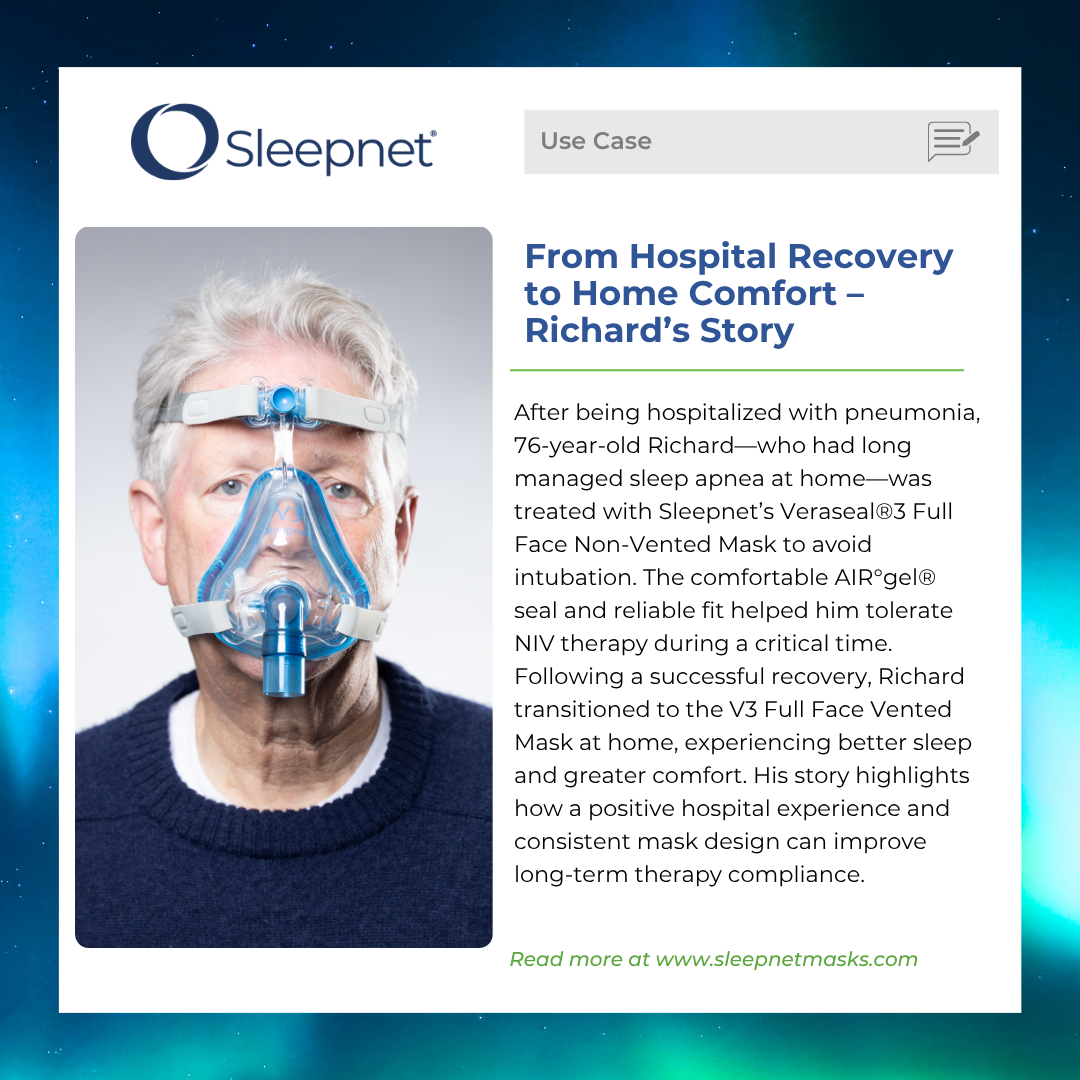
- Proper Fit:Ensure your mask fits well. It should be snug but not too tight, preventing air leaks and discomfort.
- Consistent Use:Use your CPAP device every night. Consistency is crucial in reaping the full benefits of improved oxygenation and ventilation.
What strategies have you found helpful in adapting to CPAP therapy? Sharing your experiences can help others in similar situations.
Credit: www.sleepnetmasks.com
Credit: www.mdpi.com
Frequently Asked Questions
How Does Cpap Improve Oxygen Levels?
CPAP maintains continuous positive airway pressure, keeping airways open. This prevents airway collapse, enhancing oxygen flow to the lungs and bloodstream.
Can Cpap Enhance Ventilation Efficiency?
Yes, CPAP improves ventilation by reducing airway resistance. It helps lungs inflate fully, facilitating better carbon dioxide removal and oxygen intake.
Why Is Cpap Important For Sleep Apnea Patients?
CPAP prevents airway obstruction during sleep. This ensures steady oxygen supply and normal breathing patterns, reducing apnea episodes and improving overall sleep quality.
How Quickly Does Cpap Affect Oxygenation?
CPAP can improve oxygenation immediately after use. Its positive pressure opens airways, allowing faster oxygen exchange and reduced breathing effort.
Conclusion
CPAP helps keep airways open during sleep. This improves airflow and oxygen levels in the blood. It also reduces breathing effort and clears carbon dioxide. Better ventilation means the body gets more fresh air. Users often feel less tired and breathe easier.
Consistent use supports heart and lung health. Understanding CPAP’s role can help manage breathing problems. Simple, steady breathing makes a big difference at night. Using CPAP properly leads to better rest and energy. It supports overall wellness by improving oxygen and ventilation.



