

When you’re feeling sick, you might wonder if stepping outside for some fresh air can actually help you get better. You’ve probably heard that fresh air is good for you, but does it really make a difference when your body is fighting off an illness?
Understanding how fresh air affects your recovery could change the way you handle being sick. Keep reading to discover whether opening a window or taking a short walk can boost your healing—and what you should really do to feel better faster.

Credit: www.lung.org
Fresh Air And Immunity
Fresh air can play a crucial role in supporting your immune system, especially when you’re feeling under the weather. Breathing in clean, oxygen-rich air helps your body function better and can speed up the healing process. But how exactly does fresh air impact your immunity?
Boosting Immune Response
Spending time outdoors or in well-ventilated spaces exposes your body to higher oxygen levels. This oxygen fuels your cells, including immune cells, helping them work more effectively to fight off infections.
Research shows that fresh air encourages the production of white blood cells, which are your body’s frontline defenders against viruses and bacteria. When you’ve been stuck inside, a few deep breaths of fresh air can feel surprisingly refreshing and may even help reduce the duration of illness.
Have you noticed feeling more energetic and clear-headed after stepping outside during a cold? That’s your immune system getting a boost from better oxygen intake.
Reducing Pathogen Load Indoors
Indoor spaces can accumulate germs, viruses, and bacteria, especially when crowded or poorly ventilated. Fresh air helps flush out these harmful particles and lowers the concentration of pathogens around you.
Opening windows or using air purifiers that circulate outdoor air can dramatically reduce the risk of spreading illness. This simple action can protect both you and others from prolonged exposure to infectious agents.
Think about how stuffy a room feels after hours inside. That’s often a sign of stagnant air packed with germs. By welcoming fresh air, you create an environment where your immune system doesn’t have to work as hard to keep you safe.
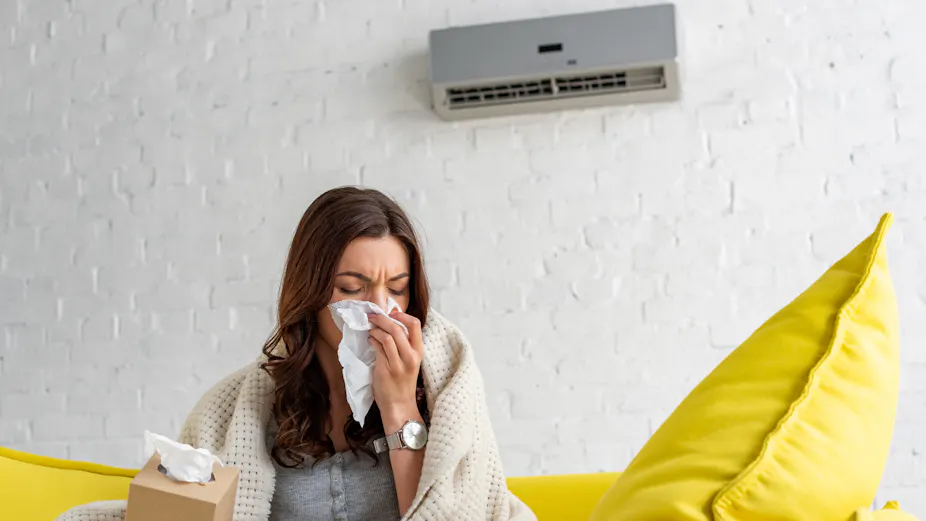
Credit: theconversation.com
Mental Health Benefits
Fresh air offers more than physical relief when you are sick. It also supports your mental health. Breathing clean, natural air can calm the mind and lift your mood. This gentle boost helps your brain feel less tired and stressed.
Alleviating Stress And Anxiety
Breathing fresh air lowers stress levels. It reduces the body’s stress hormone called cortisol. A calm mind helps the body heal faster. Nature sounds and sights often come with fresh air. These can distract from worries and fears. The result is a peaceful feeling that eases anxiety.
Improving Sleep Quality
Good sleep is vital during sickness. Fresh air helps your body relax and fall asleep more easily. It can lower body temperature, which promotes deeper sleep. Better rest means your immune system works better. Waking up refreshed speeds up recovery time.
Respiratory Relief
Fresh air can play a significant role in providing respiratory relief when you’re feeling under the weather. Breathing in clean, cool air often helps reduce congestion and soothe irritated airways. Let’s look at how stepping outside or simply opening a window might make a difference in your comfort.
Clearing Nasal Passages
Stuffy noses often make being sick feel worse. Fresh air helps by thinning mucus, which can make your nasal passages feel less blocked. You might notice that after a few deep breaths outside, your nose feels clearer and you can breathe easier.
Adding gentle movement, like a slow walk outdoors, can also stimulate circulation and assist in loosening congestion. Have you ever realized how a short break in fresh air can sometimes help you breathe better than any over-the-counter remedy?
Easing Breathing Difficulties
If you struggle with breathing difficulties during illness, fresh air can offer relief by reducing indoor irritants. Homes often contain dust, pet dander, or stale air that may worsen your symptoms.
Simply opening a window or sitting near a fan can bring in fresh oxygen and help clear your lungs. Pay attention to how your chest feels—does the fresh air help you take deeper, more comfortable breaths?
Remember, while fresh air helps, it’s important to avoid extreme cold or polluted environments, which might have the opposite effect. Finding a balance can make your recovery more comfortable and less frustrating.
Physical Recovery Boost
Fresh air plays a significant role in boosting your physical recovery when you’re sick. It helps your body get the nutrients it needs and supports important processes that speed up healing. Understanding how fresh air affects oxygen intake and circulation can help you make better choices during your recovery.
Enhancing Oxygen Intake
Breathing in fresh air increases the amount of oxygen your body receives. More oxygen means your cells can work better to repair tissues and fight off infection. Have you noticed how stuffy rooms make you feel more tired? That’s because poor air quality limits oxygen supply.
Try opening a window or stepping outside for a few minutes each day. This simple action can improve your lung function and give your immune system a helpful boost. Your body literally needs fresh air to recharge its healing power.
Promoting Circulation
Fresh air also encourages better blood flow throughout your body. When you breathe deeply in a clean environment, your heart pumps more efficiently, delivering oxygen and nutrients to where they are needed most. This helps reduce inflammation and speeds up recovery.
Even light movement outside, like a short walk, can improve circulation. How often do you take breaks to get outside when feeling unwell? Making it a habit can support your body’s natural healing rhythms and keep your energy levels up.
When To Avoid Fresh Air
Fresh air can be harmful during extreme cold or pollution. Avoid it if you feel dizzy or very weak while sick. Staying indoors helps when symptoms worsen or air quality is poor.
When battling an illness, fresh air can often aid recovery. Yet, there are situations where stepping outside isn’t advisable. Knowing when to avoid fresh air is crucial for maintaining health. Certain conditions can aggravate symptoms or delay healing. Below are scenarios when staying indoors is a better choice.Extreme Weather Conditions
Extreme weather can worsen symptoms. Cold air may irritate the throat and lungs. Extremely hot weather can lead to dehydration. Rain and wind might increase discomfort and hinder recovery. It’s wise to stay indoors during these times.Allergens And Pollution Risks
Allergens and pollution can trigger or worsen symptoms. Pollen counts are high in spring and fall. Pollution levels may peak during certain times of the day. These can cause sneezing, coughing, or difficulty breathing. Check air quality before heading out. If it’s poor, stay indoors to avoid exposure.
Credit: www.honorhealth.com
Practical Tips For Fresh Air Exposure
Getting fresh air can help you feel better during illness. It improves mood and can clear your mind. Knowing how to safely get fresh air is important. Below are practical tips to enjoy fresh air without risks.
Safe Ventilation Practices
Open windows to let fresh air in. Even a small gap helps air circulate. Use fans to push stale air out. Avoid strong drafts on your body. Keep rooms clean to reduce germs. Change air filters often in your home. Avoid crowded or smoky places for fresh air. Fresh air means less stuffy and less bacteria.
Best Times For Outdoor Fresh Air
Early morning is a good time. Air is cooler and cleaner then. Late afternoon works well too. Avoid peak sun hours to stay comfortable. Try short walks outside to breathe deeply. Stay near green areas like parks or gardens. Fresh air outside helps your lungs and mood.
Frequently Asked Questions
Does Fresh Air Improve Recovery When Sick?
Fresh air can boost oxygen levels and reduce indoor germs. It helps clear congestion and improve mood, aiding recovery. However, avoid cold drafts that may worsen symptoms.
How Does Fresh Air Affect Immune Response?
Fresh air increases oxygen intake, which supports immune function. It also reduces airborne pathogens indoors, lowering infection risks. Proper ventilation keeps the immune system working efficiently.
Can Fresh Air Reduce Sickness Duration?
Fresh air may help shorten illness by improving breathing and energy levels. It supports better sleep and lowers stress, promoting faster healing naturally.
Is Outdoor Air Better Than Indoor Air When Sick?
Outdoor air is usually cleaner and less stagnant than indoor air. It helps reduce exposure to indoor allergens and viruses. Fresh outdoor air often aids symptom relief.
Conclusion
Fresh air can ease some symptoms when you feel sick. It helps clear your mind and may improve breathing. Staying indoors too long can make you feel worse. Try opening a window or stepping outside for a short time. Keep warm and avoid cold drafts to stay comfortable.
Remember, fresh air supports your body’s natural healing process. Rest and drink plenty of fluids along with fresh air. Small steps like these can make a difference in how you feel. Give your body the care it needs to recover well.



