
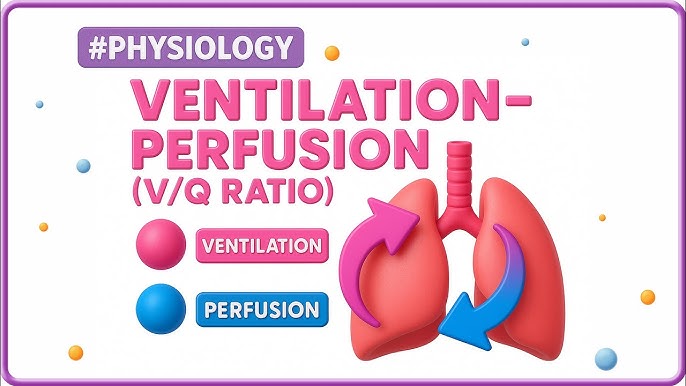
Have you ever wondered how your lungs manage to keep your body full of fresh oxygen while getting rid of carbon dioxide? The secret lies in something called the ventilation perfusion ratio.
Understanding this ratio can help you grasp how well your lungs are working and why it matters for your health. You’ll discover what the ventilation perfusion ratio is, why it’s important, and how it affects your breathing every single day.
By the end, you’ll have a clear picture of this vital concept and how it impacts your well-being. Keep reading to unlock the mystery behind your lungs’ amazing efficiency!
Credit: medclubhu.weebly.com
Basics Of Ventilation And Perfusion
Understanding the basics of ventilation and perfusion is key to grasping how our lungs work. These two processes work together to ensure oxygen reaches the blood and carbon dioxide leaves the body. Ventilation is about moving air in and out of the lungs. Perfusion is about blood flow in the lung capillaries. Both must be balanced for efficient gas exchange.
Role Of Ventilation In The Lungs
Ventilation is the process of moving air into and out of the lungs. It brings fresh oxygen into the alveoli, tiny air sacs in the lungs. These sacs are where oxygen passes into the blood. Ventilation also removes carbon dioxide from the body by exhaling it out. Proper ventilation keeps the air in the lungs fresh and ready for gas exchange.
Importance Of Perfusion In Gas Exchange
Perfusion means the flow of blood through the lung vessels. Blood picks up oxygen from the alveoli during this flow. It also carries carbon dioxide back to the lungs to be exhaled. Good perfusion ensures the blood gets enough oxygen to supply the body. Without enough blood flow, gas exchange cannot happen properly.
Defining The Ventilation Perfusion Ratio
Understanding the ventilation perfusion ratio is key to grasping how your lungs efficiently exchange gases. This ratio compares the air reaching your lungs (ventilation) to the blood flow in the lung capillaries (perfusion). Knowing what this means can help you better appreciate how your body maintains the balance needed for effective breathing.
What The Ratio Represents
The ventilation perfusion ratio, often written as V/Q ratio, measures how well air and blood are matched in the lungs. Ventilation refers to the air that reaches the alveoli, the tiny air sacs where gas exchange happens. Perfusion is the blood flow through the surrounding capillaries.
If ventilation and perfusion are well matched, oxygen moves efficiently from the air into the blood, and carbon dioxide is removed. But if one is off, it can lead to problems like low oxygen levels. Have you ever wondered why some lung conditions cause breathlessness even when breathing seems normal? The V/Q ratio gives insight into that.
Normal Values And Variations
In healthy lungs, the average ventilation perfusion ratio is about 0.8. This means blood flow slightly exceeds ventilation, which is normal due to gravity’s effect on blood distribution in the lungs. However, this ratio can vary across different lung regions.
For example, the upper parts of your lungs tend to have a higher V/Q ratio because ventilation is better than blood flow there. Meanwhile, the lower parts have more blood flow than air, resulting in a lower ratio. These variations are normal and help optimize overall oxygen exchange.
What happens if this balance is disrupted? Conditions like pulmonary embolism or chronic obstructive pulmonary disease (COPD) can cause mismatched ventilation and perfusion, leading to less oxygen in your blood. Understanding your V/Q ratio can guide treatments and improve breathing efficiency.
Factors Affecting The Ratio
The ventilation-perfusion (V/Q) ratio is vital for efficient gas exchange in your lungs. However, this ratio is not fixed; various factors can influence it. Understanding these factors helps you grasp why your breathing might feel different under certain conditions or health issues.
Impact Of Lung Diseases
Lung diseases can drastically alter the V/Q ratio by disrupting either ventilation or perfusion. Conditions like chronic obstructive pulmonary disease (COPD) reduce airflow, leading to low ventilation in parts of the lung but with normal blood flow, causing a mismatch.
Pulmonary embolism is another example where blood flow is blocked, reducing perfusion but ventilation remains normal. This imbalance can make you feel short of breath and lower oxygen levels in your blood.
Have you noticed how breathing becomes harder during a lung infection? That’s because inflammation can cause uneven air distribution, changing the V/Q ratio and making gas exchange less efficient.
Effects Of Altitude And Environment
At high altitudes, the air contains less oxygen, which affects both ventilation and perfusion. Your body tries to compensate by increasing breathing rate and heart rate, but this can still cause a lower V/Q ratio initially.
Environmental factors like air pollution or exposure to smoke can irritate your lungs, leading to inflammation and impaired airflow. This can create areas in your lungs where ventilation is poor compared to blood flow.
Have you ever felt short of breath in a smoky room or at a high mountain? These sensations often reflect changes in your V/Q ratio caused by your surroundings.

Credit: thoracickey.com
Consequences Of Imbalanced Ratios
An imbalance in the ventilation-perfusion (V/Q) ratio disrupts the essential exchange of oxygen and carbon dioxide in your lungs. This mismatch means parts of your lungs either receive oxygen but not enough blood flow or receive blood flow but not enough oxygen. The effects can range from mild discomfort to serious health issues depending on the severity and duration of the imbalance.
Hypoxia And Its Causes
Hypoxia occurs when your body or a part of it doesn’t get enough oxygen. An imbalanced V/Q ratio can cause hypoxia by limiting oxygen delivery to your bloodstream. You might experience shortness of breath, fatigue, or confusion as signs that your tissues are starved of oxygen.
Several factors cause this imbalance:
- Blocked Airways:Conditions like asthma or chronic bronchitis reduce airflow to parts of your lungs.
- Poor Blood Flow:Blood clots or heart problems can lower the blood supply to certain lung areas.
- Lung Diseases:Emphysema or pneumonia can damage lung tissue, worsening the V/Q mismatch.
Compensatory Mechanisms In The Body
Your body tries to fix the imbalance automatically. One way is by constricting blood vessels in poorly ventilated areas. This redirects blood to better-ventilated parts of the lung, improving oxygen uptake.
Another response is increasing your breathing rate to bring in more oxygen. Your heart may also pump faster to deliver oxygen-rich blood quickly.
Have you noticed how your breathing changes when you climb stairs too fast? That’s a simple example of your body trying to compensate for temporary low oxygen levels. But if the V/Q imbalance is chronic, these mechanisms may not be enough and can strain your heart and lungs over time.
Measuring The Ventilation Perfusion Ratio
Measuring the ventilation perfusion ratio shows how well air and blood flow match in the lungs. This ratio helps assess lung function and detect breathing problems. Accurate measurement involves tests like imaging and gas analysis.
Measuring the ventilation-perfusion (V/Q) ratio is crucial in understanding lung function. This ratio assesses how well the lungs can exchange air and blood. A balanced V/Q ratio ensures optimal oxygen delivery to the body. Accurate measurement is vital for diagnosing and managing respiratory conditions.Techniques And Tools Used
Several methods help measure the V/Q ratio. Each has its unique advantages.- Ventilation/Perfusion Scan (V/Q Scan):This nuclear medicine test uses radioactive tracers. It evaluates air and blood flow in the lungs.
- Pulmonary Angiography:This is an imaging test. It provides detailed pictures of blood vessels in the lungs.
- Computed Tomography Pulmonary Angiography (CTPA):CTPA offers a non-invasive option. It uses CT scans to assess lung blood vessels.
- Pulse Oximetry and Blood Gas Analysis:These tests measure oxygen levels. They provide indirect insights into V/Q balance.
Interpreting Test Results
Understanding test results is essential for treatment. A normal V/Q ratio indicates healthy lung function. An imbalance suggests possible issues. High V/Q ratios may point to poor blood flow. This is often seen in conditions like pulmonary embolism. Low V/Q ratios might indicate obstructed airways or reduced ventilation. Conditions like chronic obstructive pulmonary disease (COPD) could be responsible. Professionals use these insights to guide patient care. Prompt identification and treatment can improve outcomes significantly.Credit: medclubhu.weebly.com
Clinical Significance And Applications
The ventilation perfusion ratio plays a vital role in understanding lung function. It shows how well air reaches the lungs and how well blood flows in the lungs. This balance is key to healthy breathing and oxygen supply. Doctors use this ratio to find problems and decide on treatments. It helps in spotting lung diseases early and tracking patient progress.
Diagnosing Respiratory Conditions
The ventilation perfusion ratio helps detect lung problems like:
- Pulmonary embolism
- Chronic obstructive pulmonary disease (COPD)
- Pneumonia
- Asthma
By measuring this ratio, doctors can see if air and blood flow match properly. A mismatch often points to blockages or damage in the lungs. Tests like V/Q scans give clear images of this ratio. This aids early diagnosis and better care.
Guiding Treatment Decisions
Doctors use the ventilation perfusion ratio to guide treatments. It helps them choose the right medicine or therapy. For example, low ratio areas may need more oxygen or special drugs. It also shows if treatments are working well. This keeps patient care precise and effective.
Frequently Asked Questions
What Is The Ventilation Perfusion Ratio?
The ventilation perfusion ratio measures air reaching the lungs versus blood flow in lung capillaries. It shows how well oxygen enters the blood.
Why Is Ventilation Perfusion Ratio Important?
This ratio helps assess lung efficiency and detect respiratory issues. Proper balance ensures effective oxygen exchange and healthy breathing.
What Causes Ventilation Perfusion Mismatch?
Conditions like pneumonia, pulmonary embolism, or COPD disrupt airflow or blood flow, causing mismatch. This leads to poor oxygen delivery to tissues.
How Is Ventilation Perfusion Ratio Measured?
It is measured using imaging tests like V/Q scan or blood gas analysis. These methods assess lung ventilation and blood perfusion accurately.
Conclusion
Understanding the ventilation perfusion ratio helps explain how lungs work. It shows the balance between air flow and blood flow in lungs. This balance is vital for good oxygen supply to the body. Problems with this ratio can cause breathing issues or low oxygen levels.
Knowing about it helps doctors diagnose lung problems. Keeping lungs healthy supports proper ventilation and perfusion. Simple habits like not smoking and exercising can help. This basic knowledge can improve how you think about breathing and health.



