
Have you ever wondered if a ventilator and an iron lung are the same thing? You might think they do the exact same job, but there’s more to the story.
Understanding the difference can help you appreciate how medical technology has evolved—and why it matters for your health or someone you care about. Keep reading, and you’ll discover surprising facts that could change the way you see breathing support devices forever.
Credit: www.bnd.com
What Is An Iron Lung
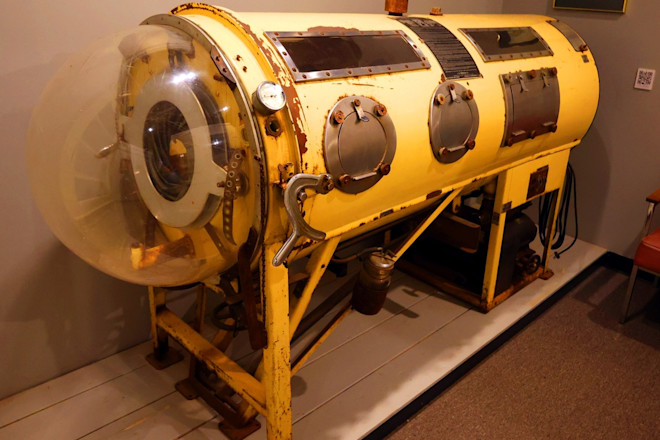
An iron lung is a large, mechanical device used to help people breathe. It is a type of negative pressure ventilator. The machine was critical in the past for patients with severe breathing problems. Many people confuse iron lungs with modern ventilators. Understanding what an iron lung is helps clarify the difference between them.
History And Development
The iron lung was invented in the late 1920s. It was created to assist people with polio who lost the ability to breathe. The device became widely used during polio epidemics in the 1930s and 1940s. It was one of the first machines to support breathing outside the body. The iron lung marked a major step in respiratory care.
How It Works
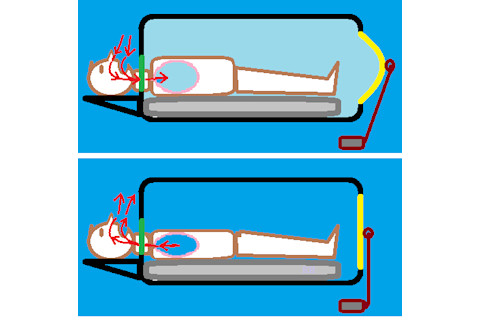
The iron lung works by creating negative pressure around the chest. The patient lies inside the sealed tank, with the head outside. The machine changes the air pressure inside the tank. This pressure change causes the chest to expand and contract. When the chest expands, air flows into the lungs. When it contracts, air is pushed out. This process mimics natural breathing.
Common Uses In The Past
The iron lung was mainly used for patients with polio. Polio could paralyze the muscles needed for breathing. The machine kept patients alive while their bodies healed. It also helped people with other respiratory muscle problems. Hospitals often had many iron lungs during polio outbreaks. Today, the use of iron lungs is very rare due to modern technology.
What Is A Ventilator
A ventilator is a medical device that helps people breathe when they cannot do so on their own. It pushes air into the lungs to provide oxygen and removes carbon dioxide. Ventilators support breathing for patients with lung problems, injuries, or during surgery.
Modern Technology
Modern ventilators use advanced sensors and software to control airflow. They adjust pressure, volume, and oxygen levels based on the patient’s needs. Some models can even monitor lung function continuously. These machines are lighter and more portable than older devices.
Types Of Ventilators
- Invasive Ventilators: Use tubes inserted into the windpipe for direct airway support.
- Non-Invasive Ventilators: Use masks to help with breathing without surgery.
- Transport Ventilators: Portable units used during patient transfers or emergencies.
- High-Frequency Ventilators: Deliver rapid breaths for severe lung conditions.
Typical Applications
- Critical care units for patients with respiratory failure.
- During surgeries under general anesthesia.
- For patients with chronic lung diseases like COPD.
- Emergency care for trauma or overdose cases.
How Iron Lungs And Ventilators Differ
Understanding how iron lungs and ventilators differ can help you appreciate the advances in respiratory support. Both devices assist patients who struggle to breathe, but they operate in distinct ways. Let’s break down their differences to clarify which might suit a specific need.
Mechanism Of Action
The iron lung works by creating negative pressure around the chest. This external pressure change causes the lungs to expand and contract, mimicking natural breathing.
Ventilators, on the other hand, push air directly into the lungs using positive pressure through a tube inserted into the airway. This difference means ventilators can deliver precise oxygen levels and support different breathing patterns.
Mobility And Size
Iron lungs are large, bulky machines that take up significant space. They are stationary, limiting the patient’s ability to move freely.
Ventilators are much smaller and often portable. You might see them used in ambulances or home care setups, allowing patients more mobility and freedom.
Patient Interaction
Using an iron lung means the patient is enclosed within a rigid chamber, which can feel isolating. Communication and physical contact can be more challenging.
Ventilators allow for easier interaction because the patient’s head remains outside the machine. This setup lets you talk, eat, and even participate in therapy more comfortably.
Credit: www.discovermagazine.com
Advantages And Limitations
Understanding the advantages and limitations of iron lungs and ventilators helps clarify their roles. Both devices assist breathing but work differently. Each has unique benefits and drawbacks. This knowledge aids in appreciating their uses in medical care.
Iron Lung Benefits And Drawbacks
- Benefits:The iron lung provides full-body support by creating negative pressure around the chest. It helps patients breathe without invasive tubes.
- It is useful for long-term respiratory support in some cases.
- The device protects the airway since it does not require intubation.
- Drawbacks:The iron lung is bulky and limits patient mobility.
- It requires a large, specialized machine and space.
- Maintenance can be difficult and costly.
- The design is outdated and less common in modern hospitals.
Ventilator Pros And Cons
- Pros:Ventilators offer precise control of breathing support.
- They can adjust oxygen levels and breathing rates quickly.
- Modern ventilators are portable and suitable for various settings.
- They support patients with severe breathing failure effectively.
- Cons:Ventilators require intubation, which can cause discomfort.
- There is a risk of lung injury if settings are not managed well.
- Patients may need sedation to tolerate the tubes.
- Ventilators need skilled staff for operation and monitoring.
Current Use And Relevance
Ventilators and iron lungs once served a similar purpose. They both supported breathing. Today, their roles have changed. Modern medicine focuses on more advanced technologies. Let’s explore their current use and relevance.
Iron Lungs Today
Iron lungs are rare in modern healthcare. Few hospitals have them. They were once crucial for polio patients. New treatments reduced their need. Some individuals still use them at home. They rely on these for life support. Yet, replacements exist that are more efficient.
Ventilator Role In Modern Medicine
Ventilators are essential in today’s healthcare. They help patients with severe breathing issues. Common in intensive care units, they save lives. Ventilators provide precise breathing support. They adjust to patient needs. This technology continues to evolve. It’s a key tool in treating respiratory diseases.
Credit: www.discovermagazine.com
Frequently Asked Questions
What Is The Main Difference Between A Ventilator And An Iron Lung?
A ventilator is a modern machine that pushes air directly into the lungs. An iron lung is an older device that helps breathing by changing chest pressure externally. Both assist breathing but work differently and serve distinct medical needs.
How Does An Iron Lung Work Compared To A Ventilator?
An iron lung creates negative pressure around the chest to expand the lungs. A ventilator delivers positive pressure air directly into the airway. This difference in mechanics defines their use and technology in respiratory support.
Are Ventilators Still Used Instead Of Iron Lungs Today?
Yes, ventilators are widely used today due to their efficiency and portability. Iron lungs are mostly obsolete and rarely used, mostly replaced by modern ventilators in hospitals worldwide.
Can A Ventilator Fully Replace An Iron Lung?
Yes, ventilators have replaced iron lungs completely. They offer better control, comfort, and safety for patients needing breathing assistance.
Conclusion
Ventilators and iron lungs both help people breathe. They work in very different ways. An iron lung surrounds the body and pushes air in. A ventilator uses a tube to deliver air directly to the lungs. Modern medicine mostly uses ventilators today.
Knowing the difference helps us understand breathing support better. Both devices have saved many lives. Breathing is vital, and these tools assist when needed. Each has its place in medical history and care. Simple but important facts to remember.



