
Feeling the heat inside your home can be frustrating and uncomfortable. You want a cool, fresh space without hiking up your energy bills or relying on noisy air conditioners.
What if you could lower your indoor temperature using simple, natural tricks? Imagine stepping into your house and instantly feeling a breeze, all without turning on a single device. You’ll discover easy and effective ways to cool your house naturally.
These tips will help you stay comfortable and save money, making your home a relaxing haven even on the hottest days. Keep reading to find out how you can transform your space into a cool retreat—naturally.
Benefits Of Natural Cooling
Choosing natural cooling methods for your home offers more than just comfort on hot days. It can save you money, improve your health, and reduce your environmental impact. Understanding these benefits helps you see why natural cooling is worth trying in your own space.
Energy Savings And Lower Bills
Natural cooling reduces the need for air conditioning and fans, which means less electricity use. You’ll notice your utility bills drop significantly over time. Imagine saving hundreds of dollars a year simply by opening windows, adding shade, or planting trees around your house.
Healthier Living Environment
Using natural cooling improves the air quality inside your home. It helps remove stale air and brings in fresh, oxygen-rich air. This can reduce headaches, fatigue, and allergies, making your living space feel fresher and more comfortable.
Environmental Impact Reduction
Natural cooling methods lower your carbon footprint by cutting down on energy consumption. This helps reduce greenhouse gas emissions that contribute to climate change. Every small step you take by cooling naturally makes a positive difference for the planet.
Enhanced Comfort And Well-being
Natural cooling creates a more pleasant indoor atmosphere by balancing temperature and humidity. It prevents the dry, overly chilled air that sometimes comes from air conditioners. You might find yourself feeling more relaxed and refreshed without the harsh cold blasts.
Increased Home Value And Appeal
Homes that use natural cooling methods often attract buyers looking for energy-efficient and eco-friendly features. Simple additions like shaded patios or strategically placed plants can boost your property’s value. Wouldn’t it be nice to enjoy lower bills and a higher resale price?
Maximizing Airflow
Maximizing airflow is a simple and effective way to cool your house naturally. It helps move warm air out and brings cooler air inside. Good airflow lowers indoor temperatures without using electricity. This section explains how to improve airflow using fans, cross ventilation, and smart window placement.
Using Fans Effectively
Fans push air around the room, creating a cooling effect on your skin. Place fans near windows or doorways to pull in fresh air. Use ceiling fans to keep air moving evenly. Adjust fan speed based on the room size and temperature. Avoid running fans in empty rooms to save energy.
Cross Ventilation Techniques
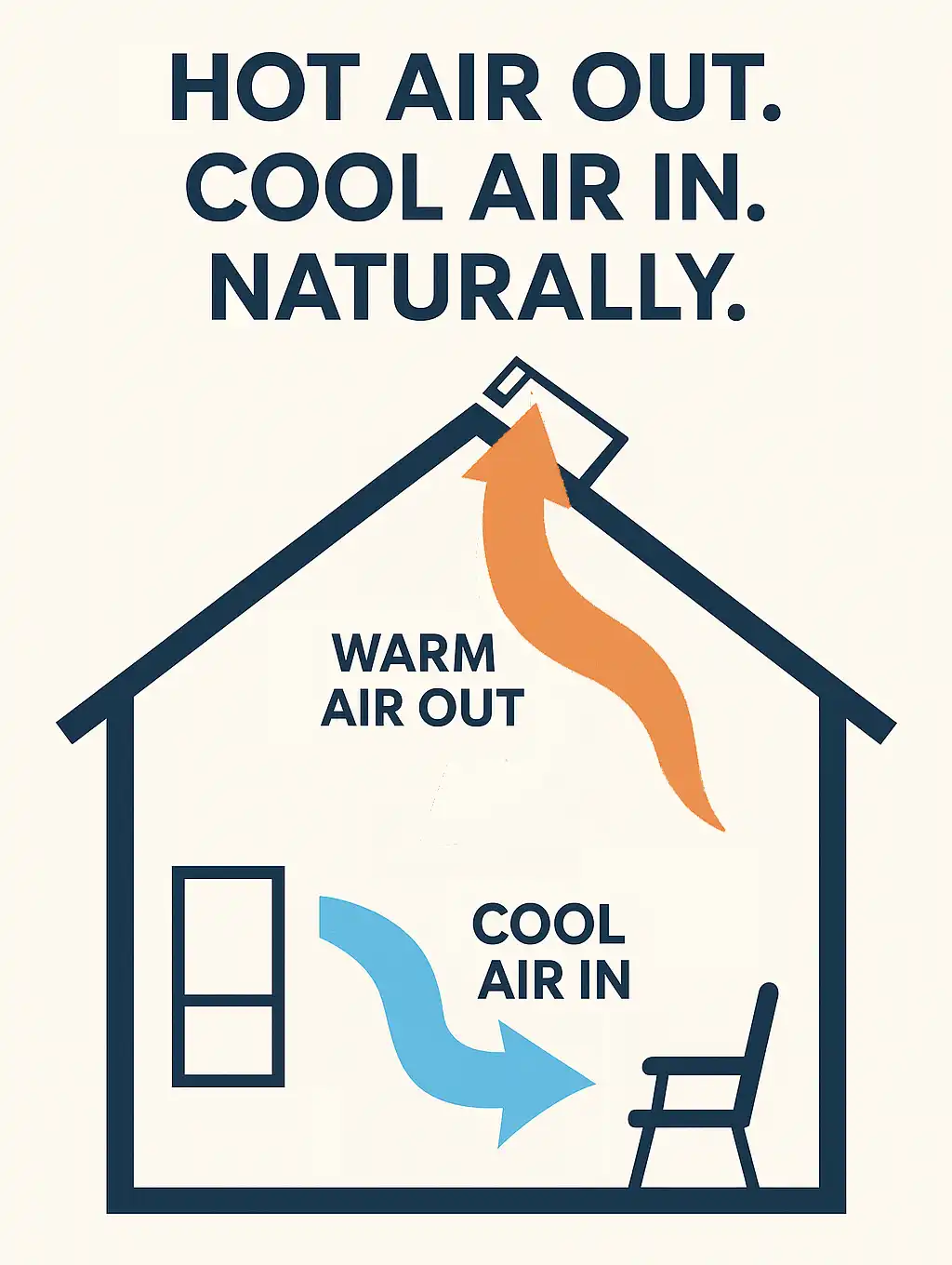
Cross ventilation occurs when air flows through opposite sides of a room. Open windows or vents on two sides to create a natural breeze. Position openings at different heights to enhance airflow. Use interior doors to guide air through the house. This method helps remove hot air and brings in cool air quickly.
Window Placement Tips
Windows play a key role in natural cooling. Place windows on opposite walls for better airflow. Use larger windows in shaded areas to reduce heat gain. Install adjustable window covers to control sunlight and heat. Keep windows clean and clear to allow maximum air movement.
Smart Window Treatments
Smart window treatments help keep your home cool without using energy. They block sunlight and heat from entering rooms. These treatments also allow fresh air while reducing glare and UV damage. Choosing the right window coverings can lower indoor temperatures and improve comfort.
Choosing Reflective Curtains
Reflective curtains have a special coating that bounces sunlight away. They reduce heat gain by reflecting solar rays outside. These curtains come in light colors to boost reflection. Use thick, insulated curtains to block heat and keep rooms cooler.
Installing Blinds And Shades
Blinds and shades control the amount of sunlight entering a room. Adjust them to block direct sun during hot hours. Cellular shades trap air in pockets, adding insulation. Wooden or aluminum blinds can also reduce heat by shading windows effectively.
Using Window Films
Window films stick to glass and block infrared light. They reduce heat without darkening the room too much. Some films protect furniture from fading by blocking UV rays. Films are affordable and easy to install on any window type.
Credit: www.firststarexteriors.com
Cooling With Plants
Plants are more than just decoration; they actively cool your home by improving air quality and blocking heat. Using plants strategically can reduce your reliance on air conditioning and create a fresher living space. Have you noticed how shaded areas under trees feel cooler? You can bring that natural cooling effect closer to your home with the right plants.
Indoor Plants For Air Quality
Indoor plants help lower indoor temperatures by releasing moisture and filtering the air. Spider plants, peace lilies, and snake plants are excellent choices that thrive indoors and improve air quality. Placing these plants near windows or vents can enhance airflow and give you a natural cooling boost.
Besides cooling, they reduce airborne toxins and increase humidity, which can make dry air feel more comfortable. Have you tried grouping several plants together? This can create a mini indoor garden that cools your space more effectively than a single plant.
Outdoor Shade Trees
Planting shade trees around your home blocks direct sunlight and cools the air by up to 10 degrees Fahrenheit. Trees like maple, oak, and elm are strong performers that provide dense shade and drop leaves in winter to let sunlight warm your home. Position trees on the south and west sides of your house to shield it from the harshest afternoon sun.
Think about the last time you sat under a tree on a hot day—did you notice how much cooler it felt? You can create those same cooler spots around your house. Consider the tree’s size and root system to avoid future damage to foundations or pipes.
Green Walls And Roofs
Green walls and roofs act as natural insulators, reducing heat absorption by your home’s exterior surfaces. Climbing plants like ivy or jasmine on walls create a living barrier that cools the surface and the air around it. A rooftop garden with succulents or grasses can also lower roof temperatures, cutting down on heat transfer indoors.
Installing a green wall or roof might seem challenging, but starting small with a few pots or trellises can make a difference. Would you consider turning an unused wall into a green space? This can be a fun project that improves your home’s temperature and boosts curb appeal.
Heat-reducing Home Design
Designing with shade trees and reflective roofs helps keep homes cool naturally. Cross ventilation allows fresh air to flow, reducing indoor heat effectively. Using light-colored walls and proper insulation also cuts down heat absorption.
Cooling your home naturally is not just about comfort; it’s about creating a sustainable environment that aligns with eco-friendly practices. Heat-reducing home design plays a crucial role in achieving this. By making thoughtful design choices, you can significantly reduce indoor temperatures without relying heavily on air conditioning. Let’s dive into some practical strategies that make your home cooler and more energy-efficient.Light-colored Roofing
Choosing the right roof color can make a big difference in your home’s temperature. Light-colored roofs reflect more sunlight compared to dark ones, reducing heat absorption. This simple choice can lower your roof’s surface temperature by up to 50 degrees Fahrenheit. Consider materials like white tiles or reflective metal roofing. These options not only keep your home cooler but also add a modern aesthetic. Have you ever walked barefoot on a dark pavement under the sun? That’s the same heat your roof absorbs and transfers indoors.Insulation Strategies
Proper insulation acts as a barrier, keeping the heat outside where it belongs. Focus on insulating your attic and walls, as these areas are the primary culprits for heat gain. Use materials like spray foam, cellulose, or fiberglass. Check for any gaps or cracks around windows and doors and seal them promptly. A well-insulated home maintains a consistent temperature, reducing the need for artificial cooling. Imagine the difference a cozy sweater makes in winter; that’s insulation for your house during summer.Cool Flooring Options
Flooring can impact your home’s temperature more than you might think. Materials like ceramic tiles, stone, or polished concrete stay cooler than carpets and wood. They absorb less heat and provide a refreshing surface to walk on during hot days. Consider adding rugs in winter for warmth, but leave floors bare in summer. This dual approach lets you adapt your home to seasonal changes easily. Have you tried walking barefoot on a tiled floor during a heatwave? The cool touch is a natural relief. By integrating these heat-reducing home design elements, you not only create a more comfortable living space but also contribute to a healthier planet. What changes will you start implementing today?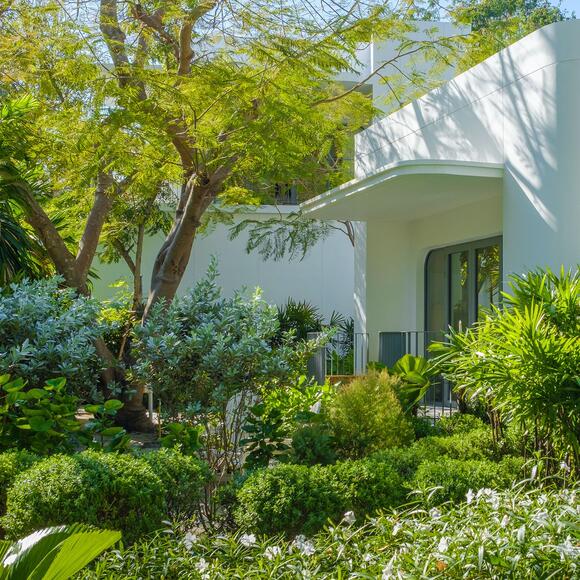
Credit: www.newsbreak.com
Water-based Cooling Methods
Water-based cooling methods use water to lower indoor temperatures naturally. These techniques add moisture to the air and create a refreshing atmosphere. Water absorbs heat as it evaporates, which helps cool the surroundings effectively. You can apply these methods indoors or outdoors to keep your home comfortable without electricity.
Using Misting Systems
Misting systems spray tiny water droplets into the air. These droplets evaporate quickly and cool the air around them. Outdoor patios and garden areas benefit from misting systems. They reduce heat and make spaces more pleasant during hot days.
Indoor misting systems are less common but can improve air quality and comfort. Place the misting nozzles near windows or doors for best results. Make sure to control the mist to avoid excess humidity inside.
Indoor Water Features
Indoor water features like fountains and small waterfalls add beauty and cool the air. Moving water increases evaporation, which lowers room temperature. The sound of flowing water also creates a calming environment.
Place water features near air vents or fans to spread cool air. Regular cleaning prevents mold and bacteria growth. Choose designs that fit your home’s style and space.
Evaporative Cooling Ideas
Evaporative cooling uses air and water to reduce heat naturally. One way is to hang wet curtains or towels near open windows. As air passes through, water evaporates and cools the room.
Another idea is to place shallow bowls of water near fans. The fan blows air over the water, increasing evaporation and cooling the air. Use plants that need frequent watering to help add moisture and cool your home naturally.
Energy-efficient Appliances
Energy-efficient appliances help keep your home cooler by reducing heat output. Using smart appliances saves electricity and lowers indoor temperature. These appliances produce less heat and work well for long hours.
Choosing Low-heat Lighting
Switch to LED or CFL bulbs instead of incandescent bulbs. LEDs use less energy and emit very little heat. They last longer and reduce your cooling needs. Use task lighting to avoid heating entire rooms. This helps keep your home cooler and saves power.
Limiting Heat-generating Devices
Turn off devices that create extra heat when not in use. Avoid using ovens and stovetops during the hottest parts of the day. Use microwaves or outdoor grills instead. Unplug chargers and electronics that run in standby mode. These small changes lower indoor heat build-up.
Optimizing Appliance Use
Run dishwashers and washing machines during cooler hours, like early morning or late evening. Air-dry clothes to reduce dryer heat. Set refrigerators to efficient temperatures without overcooling. Maintain appliances regularly to keep them running smoothly and cool. Efficient use keeps your home temperature steady and comfortable.
Lifestyle Adjustments
Keeping windows open at night lets cool air in while closing blinds during the day blocks heat. Using fans to circulate air helps maintain a fresh, cool environment naturally.
Making lifestyle adjustments can significantly contribute to cooling your home naturally. These changes not only help in reducing energy consumption but also enhance your comfort during the warmer months. Let’s explore some practical lifestyle tips that can make a world of difference.Timing Activities Wisely
Align your daily activities with cooler times of the day. Consider cooking, using appliances, or doing laundry early in the morning or late in the evening when temperatures drop. This simple shift can help reduce indoor heat build-up.Dressing For Comfort
Choose lightweight, breathable fabrics like cotton or linen to stay cool indoors. Loose-fitting clothing allows air circulation, keeping you comfortable even without air conditioning. Have you ever noticed how a simple change in attire can transform your comfort level at home?Hydration Tips
Staying hydrated is crucial for keeping your body cool. Drink plenty of water and enjoy refreshing beverages like iced herbal teas or fruit-infused water. Keeping a jug of cold water in the fridge can be a quick and easy way to encourage regular hydration. These lifestyle adjustments are simple yet effective ways to naturally cool your home. What changes will you try first to beat the heat?
Credit: www.ecomena.org
Frequently Asked Questions
How Can I Cool My House Without Air Conditioning?
Use natural ventilation by opening windows during cooler times. Add fans to circulate air. Use shades or curtains to block sunlight. Plant trees for shade and reduce heat inside your home.
What Plants Help Cool A House Naturally?
Trees like maple, oak, and pine provide shade and reduce heat. Vines such as ivy and jasmine cool walls by blocking sunlight. Indoor plants improve air quality and add a cooling effect.
Does Using Curtains Help In Cooling The House?
Yes, curtains block direct sunlight and reduce heat gain. Light-colored curtains reflect sunlight, keeping rooms cooler. Closing curtains during peak sun hours is effective in maintaining lower indoor temperatures.
Can Natural Ventilation Lower Home Temperatures Effectively?
Yes, natural ventilation improves airflow and removes hot air. Cross-ventilation with windows on opposite sides cools rooms efficiently. It reduces reliance on electric cooling and saves energy.
Conclusion
Keeping your home cool naturally saves money and energy. Use shade, ventilation, and plants to lower indoor heat. Close curtains during hot days and open windows at night. Choose light colors for walls and roofs to reflect sunlight. Simple steps can make your house more comfortable.
Enjoy a cool home without high electricity bills. Try these tips and feel the difference today.



