
Are you tired of stuffy rooms and uneven temperatures in your home? Proper air circulation can make a huge difference in how comfortable your living space feels.
When air moves well, it helps keep your house fresh, reduces moisture, and even saves energy. You’ll discover simple and effective ways to improve airflow in your home. Keep reading to learn how you can breathe easier and enjoy a more comfortable environment every day.
Credit: www.greenbuildermedia.com
Benefits Of Air Circulation
Good air circulation in your home does more than just keep things feeling fresh. It actively improves your living environment in ways you might not expect. Understanding these benefits can motivate you to take simple actions that make a big difference in your daily comfort and health.
Improved Air Quality
Circulating air helps remove indoor pollutants and allergens that settle around your home. Without airflow, dust, pet dander, and cooking smells tend to build up, making the air stale and harder to breathe.
Think about the last time you opened a window after cooking. That quick exchange often makes the whole space feel cleaner instantly. Regular air movement does this continuously, reducing the risk of respiratory issues and boosting your overall well-being.
Reduced Mold And Mildew
Stagnant, moist air creates the perfect environment for mold and mildew growth, especially in bathrooms and basements. Circulating air helps dry out these damp areas by moving moisture away before it settles.
Have you noticed that mold often appears in corners with poor airflow? Keeping air moving prevents this by controlling humidity levels naturally, saving you from costly cleaning or repairs later on.
Enhanced Comfort
Proper air circulation balances indoor temperatures by distributing warm or cool air evenly throughout your rooms. This means fewer hot spots near windows or cold drafts in corners.
When air flows freely, your home feels more comfortable without constantly adjusting the thermostat. You might find yourself relying less on heating or cooling systems, which can lower your energy bills over time.

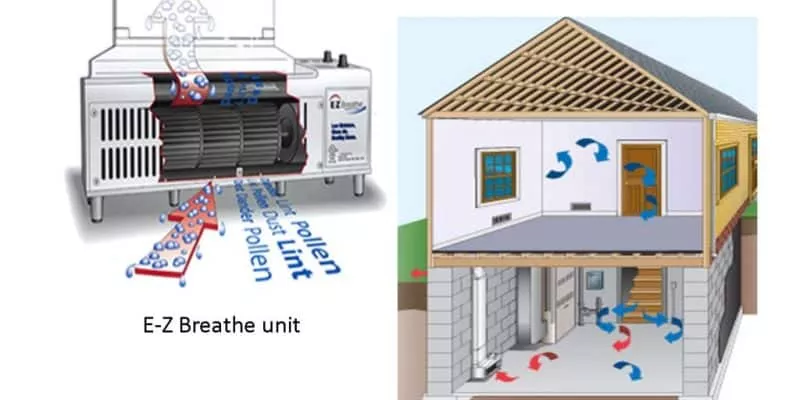
Credit: ezbreathe.com
Natural Ventilation Methods
Natural ventilation uses fresh air from outside to cool and refresh indoor spaces. It reduces the need for fans or air conditioning. This method improves air quality and keeps your home comfortable. Simple actions can create a steady flow of fresh air throughout your house.
Opening Windows And Doors
Opening windows and doors is the easiest way to bring fresh air inside. Choose windows on opposite sides of a room to help air move freely. Opening multiple doors can increase airflow in hallways and large spaces. Keep windows open for a few hours daily to replace stale air. Use window screens to keep insects out while letting air in.
Cross Ventilation Techniques
Cross ventilation happens when air enters from one side and exits from the other. It helps cool the house naturally by pushing warm air out. To create cross ventilation, open windows or vents on opposite walls. Keep interior doors open to allow air to flow between rooms. Position fans near windows to enhance the movement of air. This technique works best on breezy days.
Using Skylights
Skylights bring light and fresh air from above. Opening skylights allows hot air to escape through the roof. This creates a natural upward airflow, pulling cooler air in from windows. Use skylights in rooms that get very warm or lack wall windows. Choose skylights with easy-to-use opening mechanisms for better control. They improve ventilation and add natural light to your home.
Mechanical Ventilation Options
Mechanical ventilation helps move air inside your home. It improves air quality and controls humidity. Mechanical devices push stale air out and bring fresh air in. These options suit homes without good natural airflow. Choose the right system for your space and needs.
Ceiling Fans And Exhaust Fans
Ceiling fans circulate air in rooms to create a cooling effect. They use less energy than air conditioners. Fans help spread cool or warm air evenly. Exhaust fans remove moisture and odors from kitchens and bathrooms. They prevent mold and reduce dampness. Both fans improve airflow and keep air fresh.
Whole-house Ventilation Systems
Whole-house systems move air throughout your entire home. They bring fresh air inside and remove stale air outside. These systems can be balanced, exhaust, or supply types. Balanced systems exchange equal amounts of air in and out. Exhaust systems push air out, creating negative pressure. Supply systems bring air in, creating positive pressure. These setups improve comfort and air quality year-round.
Portable Air Circulators
Portable air circulators are small, easy-to-move devices. They help boost airflow in specific areas. These units are affordable and require no installation. Place them near windows or vents for better air movement. Portable circulators work well in rooms without built-in ventilation. They provide quick airflow improvements wherever you need.
Optimizing Airflow Indoors
Optimizing airflow indoors can transform your living space into a fresher and more comfortable environment. Air circulation isn’t just about opening windows; it involves thoughtful adjustments inside your home that help air move freely. Small changes can make a big difference in reducing stuffiness and improving overall air quality.
Furniture Arrangement Tips
How you place your furniture affects how air travels through your rooms. Avoid blocking air vents, windows, or doorways with bulky sofas or large cabinets. Instead, arrange seating and tables so that air can flow around them easily, creating natural pathways for movement.
Think about the placement of your furniture in relation to windows and fans. Position chairs and sofas near these spots to enjoy a refreshing breeze without obstructing airflow. Have you noticed how a well-placed armchair by an open window can make a room feel instantly cooler?
Maintaining Air Vents And Ducts
Clean air vents and ducts are crucial for good airflow. Dust and debris can clog these channels, reducing the efficiency of your heating and cooling systems. Regularly check vents for dust buildup and clean them with a vacuum or a damp cloth.
Consider hiring a professional to inspect and clean your ductwork every few years. This not only improves air circulation but also helps prevent allergens and mold from spreading through your home. Have you ever felt that your HVAC system isn’t working well? Dirty ducts might be the culprit.
Using Interior Doors Strategically
Interior doors can either help or hinder airflow, depending on how you use them. Keeping doors open between rooms encourages air to move freely, balancing temperature and freshness throughout your home. Closing doors, however, can trap stale air and create pockets of stuffiness.
Try opening doors during the day to promote circulation and closing them at night if you want to maintain privacy or a cooler room temperature. You might be surprised how much difference this simple habit makes in how your home feels. Have you tested how your rooms breathe with doors open versus closed?
Improving Air Quality Naturally
Opening windows on opposite sides of a room creates a natural airflow that freshens indoor air. Using fans to move air helps reduce stuffiness and improve air quality. Regularly circulating air keeps your home feeling clean and comfortable.
Improving the air quality in your home naturally can make a significant difference in how you feel daily. Fresh air doesn’t just come from opening a window; there are several strategies you can employ to ensure your living space is as healthy as possible. Let’s dive into some simple yet effective ways to circulate air and enhance your home’s atmosphere naturally.Houseplants That Purify Air
Adding houseplants to your home is a delightful way to purify the air. They not only beautify your space but also work as natural air filters. Plants like the spider plant, snake plant, and peace lily are known for their ability to absorb toxins and release clean oxygen. Consider placing a few of these in your living room or bedroom. Imagine the calm that comes from knowing your plants are silently working to improve your air quality. Have you noticed a difference in your mood when surrounded by greenery?Avoiding Indoor Pollutants
Reducing indoor pollutants is crucial for maintaining good air quality. Start by being mindful of the cleaning products you use. Opt for eco-friendly options that are free of harsh chemicals. Be cautious with candles and air fresheners as they can release volatile organic compounds (VOCs) into your home. Choose natural alternatives like essential oils or beeswax candles. Remember, the materials in your home matter too. Furniture and flooring can emit harmful gases, so choosing items made from natural materials can help. What changes can you make today to reduce indoor pollutants?Regular Cleaning Practices
Regular cleaning keeps dust and allergens at bay. A simple routine can make a massive difference in your air quality. Vacuum carpets and rugs frequently, and don’t forget to clean under furniture. Dust surfaces using a damp cloth to capture particles rather than dispersing them into the air. Consider washing your bedding weekly and keeping windows clean to maximize natural light and airflow. These small habits can significantly impact the freshness of your home. Can you commit to adding one more cleaning habit to your routine this week?
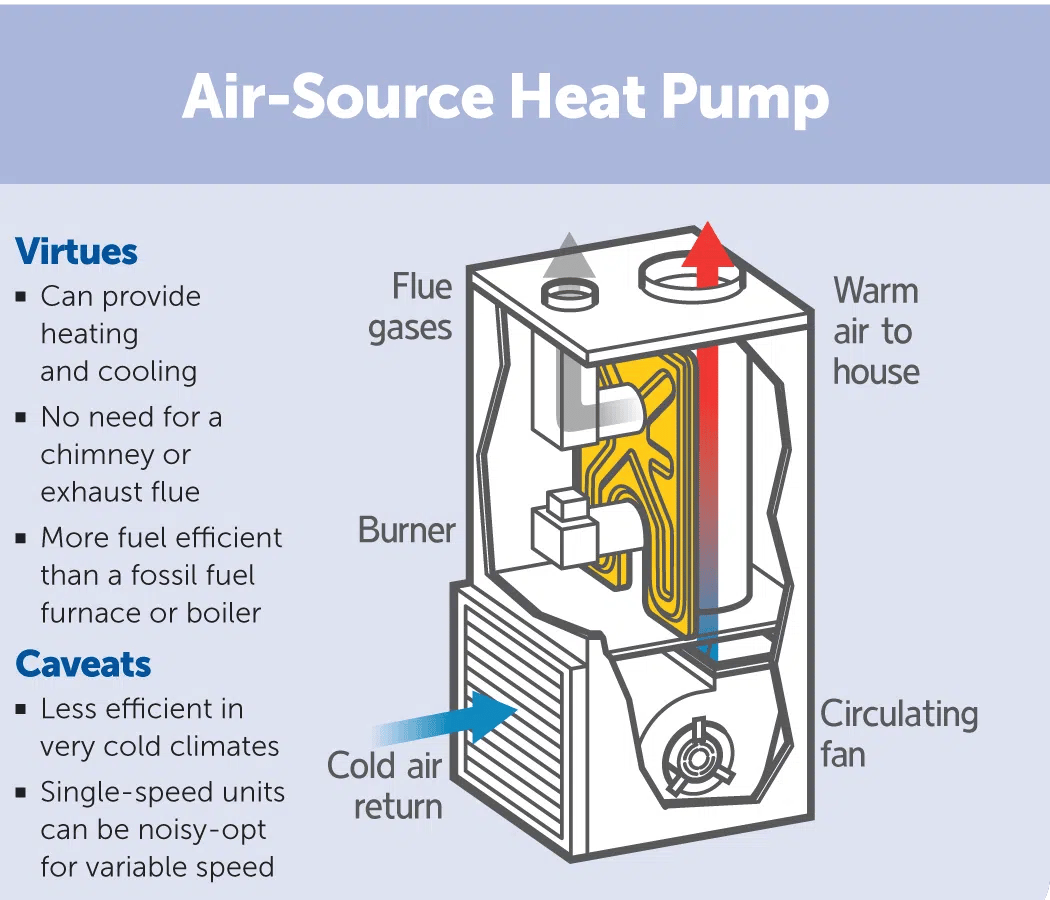
Credit: www.bladeair.com
Seasonal Air Circulation Tips
Seasonal changes can greatly affect how air circulates in your home. Adjusting your approach to air circulation based on the season helps maintain comfort and improve indoor air quality. Let’s look at simple, effective ways to manage airflow throughout the year.
Managing Humidity Levels
Humidity impacts how fresh your indoor air feels. In humid months, use a dehumidifier or air conditioner to reduce moisture. This prevents stuffiness and discourages mold growth.
During dry seasons, add moisture with a humidifier. This keeps the air comfortable and prevents dry skin or irritation. Are you noticing condensation on windows or dry air? That’s your cue to adjust humidity levels.
Adjusting Ventilation For Weather
Ventilation needs change with the weather outside. On cool days, open windows on opposite sides of your home to create a natural breeze. This cross-ventilation moves stale air out and brings fresh air in without using energy.
When it’s hot or cold outside, rely more on your HVAC system and close windows to keep your home’s temperature stable. Installing adjustable vents can help you fine-tune airflow room by room. How often do you check if your vents are open or blocked?
Using Fans In Different Seasons
Fans aren’t just for hot weather. In summer, ceiling fans should spin counterclockwise to push air downward and create a cooling breeze. This helps you feel cooler without lowering your thermostat.
In winter, reverse the fan direction to clockwise at low speed. This pulls cool air up and pushes warm air down along the walls. It’s a simple way to spread heat more evenly and reduce heating bills.
Consider portable fans for targeted airflow, especially in rooms where ventilation is limited. What’s your current fan setup, and could changing it seasonally improve your comfort?
Frequently Asked Questions
How Can I Improve Air Circulation In My House?
Open windows and doors regularly to create cross-ventilation. Use ceiling fans or portable fans to move air. Keep vents and air filters clean to maintain airflow. Adding houseplants can also help freshen indoor air naturally.
What Are The Best Tools For Circulating Air Indoors?
Ceiling fans, exhaust fans, and portable fans are effective tools. Air purifiers with built-in fans improve air quality and circulation. HVAC systems with proper ventilation settings also enhance airflow throughout the house.
How Does Natural Ventilation Help Air Circulation?
Natural ventilation uses wind and temperature differences to move air. Opening windows on opposite sides creates cross-breezes that refresh indoor air. It reduces indoor pollutants and controls humidity without extra energy costs.
When Is The Best Time To Circulate Air In The House?
Early morning and late evening are ideal for airing out rooms. Outdoor air is cooler and fresher during these times. Avoid circulating air during high pollution or pollen hours for better indoor air quality.
Conclusion
Good air circulation keeps your home fresh and healthy. Open windows and doors to let air move freely. Use fans to push air around each room. Clean vents and filters help air flow better. Remember to check for blockages that stop air movement.
Small changes make a big difference in comfort. Breathe easier and enjoy a cooler, fresher house. Try these tips today for better air circulation. Your home will feel more inviting and clean. Simple steps lead to a healthier living space.



