
Have you ever wondered what exactly a ventilator does and whether it counts as life support? If someone you care about needs help breathing, understanding this can make a big difference in how you feel and what decisions you make.
A ventilator isn’t just a machine—it can be a critical part of saving or sustaining life. But what does that really mean for you or your loved ones? Keep reading to uncover the truth about ventilators and how they fit into the bigger picture of life support.
This knowledge might change the way you see medical care forever.
What Is A Ventilator
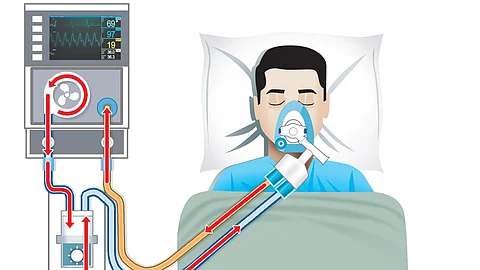
A ventilator is a medical device designed to help people breathe when they cannot do so on their own. It supports or completely takes over the breathing process, ensuring the body gets enough oxygen. Understanding what a ventilator does is crucial, especially when discussing whether it counts as life support.
Basic Function
A ventilator pushes air into the lungs through a tube, often inserted into the windpipe. This process helps maintain oxygen levels in the blood and removes carbon dioxide, which the body needs to get rid of.
You might wonder how it decides when to breathe for the patient. Some ventilators work with the patient’s own breathing efforts, while others provide a fixed breathing rate.
Types Of Ventilators
There are several types of ventilators, each suited for different needs and conditions:
- Invasive Ventilators:These require a tube inserted into the airway, usually for critical cases.
- Non-Invasive Ventilators:These use masks or nasal prongs and are less intrusive, often used for milder respiratory issues.
- Portable Ventilators:Designed for mobility, these are helpful for patients who need support outside the hospital.
Have you ever considered how life changes when relying on a machine for something as natural as breathing? Understanding these basics helps you grasp how ventilators support life.

Credit: www.agapehospicepc.org
Ventilators As Life Support
Ventilators play a crucial role in supporting patients who cannot breathe adequately on their own. They are often seen as a form of life support because they take over the vital function of breathing, allowing the body to get enough oxygen and remove carbon dioxide. Understanding how ventilators work and when they are used helps clarify why they are considered life support devices.
Role In Critical Care
In critical care settings, ventilators are essential tools that assist or fully take over breathing for patients. They help maintain oxygen levels and prevent respiratory failure when the lungs cannot function properly. Healthcare teams rely on ventilators to stabilize patients during severe illnesses, surgeries, or injuries.
Ventilators can be adjusted to match the patient’s needs, whether providing full breathing support or just helping when the patient struggles. This flexibility is why ventilators are more than just machines—they are lifesavers that adapt to changing conditions.
When Ventilators Are Used
Ventilators are used in various situations where breathing is compromised. These include:
- Severe lung infections, such as pneumonia or COVID-19
- Trauma that affects the chest or brain
- During and after major surgeries, especially those requiring anesthesia
- Chronic conditions like COPD or neuromuscular diseases that worsen suddenly
Have you ever wondered what it feels like to rely on a machine to breathe? Many patients describe it as both a lifeline and a challenge, highlighting the importance of careful monitoring and support. The decision to use a ventilator involves weighing the benefits against possible risks, but its role as life support is undeniable when every breath counts.
Medical Scenarios Involving Ventilators
Ventilators play a crucial role in various medical situations. They assist patients in breathing when the body cannot do it alone. Understanding these scenarios helps clarify why ventilators are considered life support. The use of ventilators varies based on the medical condition and urgency.
Acute Respiratory Failure
Acute respiratory failure happens when the lungs suddenly fail to provide enough oxygen. Ventilators help by taking over the breathing process. Patients with severe infections or injuries often need this support. The machine ensures oxygen reaches vital organs until the lungs recover.
During Surgery
General anesthesia affects breathing during surgery. Ventilators maintain steady airflow while patients are unconscious. This prevents breathing problems and keeps oxygen levels stable. The machine supports the patient only for the surgery duration. After surgery, breathing usually returns to normal without help.
Chronic Respiratory Conditions
Some patients live with long-term lung diseases like COPD or muscular disorders. Ventilators assist breathing over extended periods for these individuals. They improve quality of life and prevent complications from low oxygen. Use can be continuous or during sleep, depending on the condition.
Ethical Considerations
Ethical considerations around ventilators as life support are complex and deeply personal. These decisions often involve weighing medical facts against moral values and patient wishes. Understanding these issues helps you navigate the sensitive terrain of life support thoughtfully and respectfully.
Decisions Around Life Support
Deciding whether to use a ventilator involves more than medical judgment. It requires considering the patient’s quality of life and long-term outcomes.
Healthcare teams often face tough questions: Is the ventilator prolonging life or merely delaying death? What does the patient truly want?
Families sometimes struggle with these decisions, feeling the pressure of choosing between hope and reality. Have you ever faced a situation where the right choice wasn’t clear?
Patient Consent And Rights
Your rights as a patient include making informed decisions about life support. Consent is not just a formality; it’s a critical part of respecting your autonomy.
If you can’t speak for yourself, advance directives or living wills guide healthcare providers. These documents ensure your voice is heard, even when you can’t communicate.
Understanding your options and expressing your wishes clearly can prevent conflicts and confusion later. Have you talked to your loved ones about your preferences if life support becomes necessary?
Alternatives To Ventilator Support
Ventilators are crucial in critical care, but alternatives exist for some patients. These options provide respiratory support without the invasiveness of a ventilator. Understanding these alternatives helps in making informed healthcare decisions.
Non-invasive Ventilation
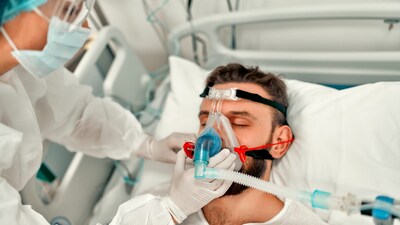
Non-invasive ventilation (NIV) offers support without intubation. This method uses a mask or nasal device. It helps maintain airflow and oxygen levels. NIV is often used for patients with breathing difficulties. It can benefit those with conditions like COPD or sleep apnea.
Oxygen Therapy
Oxygen therapy increases the amount of oxygen in the blood. It involves using a mask or nasal cannula. This method is simpler and less intrusive. Oxygen therapy is suitable for patients with mild respiratory issues. It aids those with conditions such as pneumonia or asthma.
Credit: www.news18.com
Impact On Patient Outcomes
The impact of ventilators on patient outcomes is significant in critical care. Ventilators support breathing when patients cannot do so on their own. This support can save lives but also comes with challenges. Understanding the benefits and risks helps to see how ventilators affect recovery. The process of recovery and weaning from ventilators also influences patient health and long-term outcomes.
Benefits And Risks
Ventilators provide essential oxygen to patients in respiratory distress. They reduce the workload on the lungs and heart. This support can prevent organ damage and improve survival chances. Ventilators also help patients with chronic illnesses or injuries recover more quickly.
Risks include lung injury from high pressure or long use. Infections like pneumonia can develop during ventilation. Patients may experience discomfort or anxiety while on a ventilator. Careful monitoring is necessary to balance benefits against these risks.
Recovery And Weaning
Recovery depends on the patient’s condition and response to treatment. Weaning means gradually reducing ventilator support as the patient regains strength. This process requires close observation and adjustment.
Successful weaning improves patient independence and reduces complications. It involves physical therapy, breathing exercises, and sometimes medication. Failure to wean may lead to longer hospital stays and increased risks. The goal is to restore natural breathing as soon as safely possible.
Future Of Ventilator Technology
The future of ventilator technology promises significant changes that could impact how life support is delivered. Advances are focused not just on keeping patients alive but improving their overall experience and recovery. You might be surprised by how quickly these innovations are evolving and what they mean for you or your loved ones facing respiratory challenges.
Innovations In Design
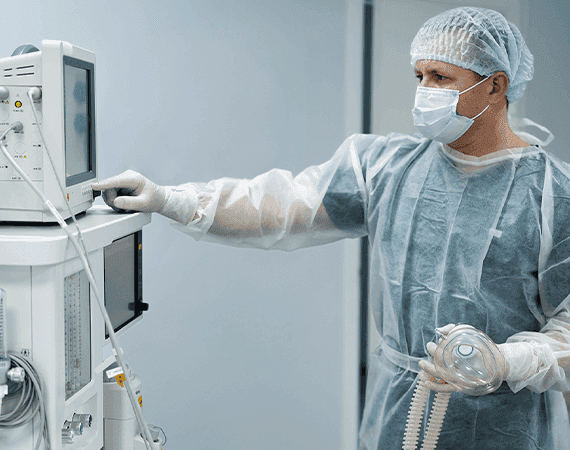
New ventilators are becoming more compact and portable, making it easier to provide care outside of hospital settings. Some models now include smart sensors that automatically adjust airflow based on the patient’s breathing patterns. This reduces the need for constant manual adjustments by healthcare staff, allowing for more precise and responsive support.
Imagine a ventilator that learns your breathing rhythm and adapts in real time. This kind of technology can minimize discomfort and reduce the risk of lung injury caused by improper ventilation settings. Could this be the step that shifts ventilators from machines you tolerate to devices that actively promote healing?
Improving Patient Comfort
Comfort has become a top priority in the latest ventilator designs. Soft, flexible interfaces and quieter motors help patients feel less trapped and stressed during treatment. This not only improves their mental well-being but can also speed up recovery.
Additionally, some ventilators offer customizable modes tailored to individual needs, making the experience feel less clinical and more personal. Have you considered how much comfort affects your or a loved one’s willingness to use life-support equipment effectively?
Credit: www.apexhospitals.com
Frequently Asked Questions
Is A Ventilator Considered Life Support?
Yes, a ventilator is a form of life support. It helps patients breathe when they cannot do so naturally.
How Does A Ventilator Support Breathing?
A ventilator mechanically moves air in and out of the lungs. It ensures oxygen delivery and carbon dioxide removal.
When Is A Ventilator Typically Used?
Ventilators are used during severe respiratory failure, surgery, or critical illness when natural breathing is insufficient.
Can A Ventilator Sustain Life Indefinitely?
A ventilator can support life but usually temporarily. Long-term use depends on the patient’s underlying condition.
Conclusion
A ventilator supports breathing when the body cannot. It helps patients survive serious illnesses or injuries. Many doctors see it as a form of life support. This machine gives time for the body to heal. Families often face tough decisions about its use.
Understanding how ventilators work can ease worries. It is important to ask questions and seek clear answers. Knowing facts helps people feel more prepared and calm. Life support means giving a chance to keep living. Ventilators play a key role in that hope.



