
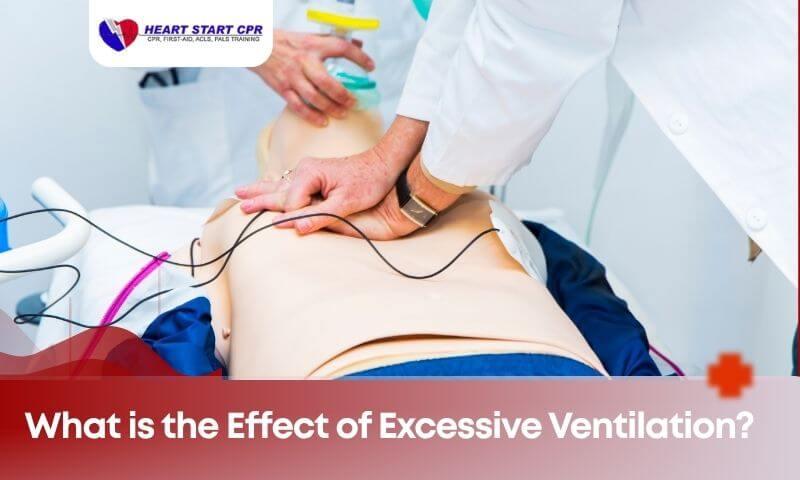
When someone’s life depends on CPR, every second and every action counts. You might think that giving more breaths during CPR is helpful, but did you know that excessive ventilation can actually cause harm?
If you want to make sure your CPR efforts are effective and safe, understanding why too much ventilation is dangerous is crucial. Keep reading to discover how your technique could be affecting the outcome and what you can do to improve your lifesaving skills.

Credit: quizlet.com
Basics Of Ventilation In Cpr
Understanding the basics of ventilation during CPR is crucial for anyone involved in Pediatric Advanced Life Support (PALS). Proper ventilation ensures oxygen reaches the lungs and vital organs, which is essential for survival. Yet, too much ventilation can cause harm, making it vital to strike the right balance.
Role Of Ventilation In Resuscitation
Ventilation in CPR helps deliver oxygen to the lungs when the patient cannot breathe on their own. It supports circulation by maintaining oxygen levels in the blood. Without effective ventilation, even the best chest compressions may not prevent brain damage or organ failure.
Think about a time when you tried to blow air into a balloon too quickly—it burst or didn’t inflate properly. Excessive ventilation during CPR can similarly cause lung injury or reduce blood flow by increasing pressure inside the chest. This pressure can decrease the heart’s ability to pump blood effectively.
Recommended Ventilation Rates In Pals
PALS guidelines recommend specific ventilation rates to avoid these complications. For a child or infant receiving CPR with an advanced airway in place, the recommended rate is 1 breath every 6 seconds, or 10 breaths per minute.
When you give breaths too quickly, it can cause stomach inflation, leading to vomiting and aspiration risks. Staying within the recommended rate helps you provide effective oxygenation without causing additional harm.
- Adults and children (with advanced airway): 10 breaths per minute
- Infants and children (without advanced airway): 2 breaths after every 30 compressions
Are you confident in your ventilation timing? Practicing the recommended rates can make a real difference in outcomes during an emergency.

Credit: aneskey.com
Consequences Of Excessive Ventilation
Excessive ventilation during CPR can cause serious problems. Giving too many breaths or too much air may harm the patient instead of helping. Understanding the consequences helps rescuers provide better care and avoid risks.
Impact On Intrathoracic Pressure
Too much ventilation raises pressure inside the chest. This pressure squeezes the heart and blood vessels. It stops blood from flowing back to the heart. Lower blood flow means less oxygen reaches vital organs. High pressure also makes chest compressions less effective.
Effects On Cardiac Output
Excessive breaths reduce the heart’s output. The heart pumps less blood to the body. This lowers oxygen delivery to the brain and organs. Less blood flow can cause organs to fail. Proper ventilation supports the heart’s pumping action.
Risks Of Gastric Inflation
Blowing too hard or too fast fills the stomach with air. This is called gastric inflation. A swollen stomach can push up the diaphragm. This limits lung expansion and reduces oxygen intake. It also increases the chance of vomiting and choking. Careful ventilation avoids this dangerous risk.
Physiological Risks In Pediatric Patients
Excessive ventilation during pediatric CPR poses serious physiological risks. Children’s bodies react differently to ventilation compared to adults. Understanding these risks helps improve CPR outcomes and protect young patients.
Unique Vulnerabilities In Children
Children have smaller, more delicate airways. Their lungs and chest walls are softer and more flexible. This makes them more prone to injury from too much air pressure.
Their heart and lung functions are closely linked. Excessive ventilation can disrupt this balance. It may reduce blood flow back to the heart, lowering the chance of successful resuscitation.
Potential For Lung Injury
Too much air during CPR can stretch and damage lung tissue. This can cause air leaks or pneumothorax, a dangerous lung collapse. Lung injury also leads to inflammation and swelling.
Overventilation raises pressure inside the chest. This pressure can reduce oxygen delivery to vital organs. It may also increase the risk of long-term lung problems after CPR.
Guidelines To Prevent Over-ventilation
Excessive ventilation during CPR can cause harm. It may increase pressure in the chest and reduce blood flow to the heart. Following clear guidelines helps prevent over-ventilation. Proper technique ensures better outcomes for the patient. Understanding these guidelines is key for rescuers and healthcare providers.
Monitoring Ventilation Quality
Check the chest rise with each breath. Watch for smooth and steady chest movements. Avoid forceful or rapid breaths. Use a bag-valve mask or other devices properly. Listen for breath sounds to confirm air entry. Adjust technique if the chest does not rise well. Proper monitoring prevents air from entering the stomach.
Techniques To Control Ventilation Rate
- Breathe slowly and steadily, about 10 breaths per minute.
- Give one breath every 6 seconds during CPR.
- Use a timer or count silently to keep pace.
- Avoid giving breaths too fast or too deep.
- Coordinate breaths with chest compressions for best effect.
Case Studies And Clinical Evidence
Excessive ventilation during CPR can reduce blood flow and harm the patient. Studies show too much air pressure may cause lung injury and lower survival chances. Clinical evidence highlights the need for controlled breaths to improve outcomes in pediatric resuscitation.
Case studies and clinical evidence provide crucial insights into the effects of excessive ventilation during CPR, particularly in Pediatric Advanced Life Support (PALS). Understanding the implications through real-world examples helps medical professionals make informed decisions during critical situations. These studies highlight the importance of precision and restraint in ventilation techniques, ensuring the best possible outcomes for patients.Incidents Linked To Excessive Ventilation
In several documented cases, excessive ventilation has been linked to negative outcomes in CPR scenarios. One notable incident involved a child who received overly aggressive ventilation, resulting in increased intrathoracic pressure. This pressure led to reduced coronary perfusion, ultimately compromising the heart’s ability to function effectively. Another case highlighted how excessive ventilation caused gastric inflation. This condition increased the risk of aspiration, further complicating the patient’s recovery process. These incidents underscore the delicate balance required during CPR, emphasizing the need for measured ventilation to avoid adverse effects.Research On Outcomes In Pals
Studies focusing on PALS have shown a correlation between excessive ventilation and poor survival rates. Research has demonstrated that hyperventilation can lead to decreased cardiac output due to the negative impact on venous return. This effect can be particularly detrimental in children, who already have a limited cardiac reserve. Clinical trials have also revealed that maintaining proper ventilation rates significantly improves outcomes in pediatric patients. By adhering to recommended guidelines, healthcare providers can enhance the efficiency of CPR and increase the likelihood of a positive outcome. These findings challenge practitioners to rethink their approach to ventilation, prioritizing quality over quantity. How can you ensure that your CPR techniques are both effective and safe? Awareness and adherence to current guidelines are vital. Being informed by case studies and clinical evidence empowers you to make better decisions when every second counts.Improving Cpr Training Practices
Effective CPR saves lives. Training must focus on correct techniques. Excessive ventilation can harm patients during CPR. Proper training reduces this risk. Better education helps responders perform safe, efficient CPR. Training should stress quality over speed. Trainees need clear guidance on ventilation control. Hands-on practice improves confidence and skill.
Emphasizing Ventilation Control
Controlling breath rate and volume is crucial. Too much air can cause lung injury. It also reduces blood flow to the heart. Teaching proper ventilation prevents these problems. Trainers should highlight slow, steady breaths. Counting seconds between breaths helps maintain control. Visual aids and timers assist learners. This focus creates safer CPR delivery.
Simulation-based Learning Benefits
Simulations offer realistic practice without risk. Learners experience real-time feedback on ventilation. Manikins measure breath volume and rate accurately. Trainees adjust technique based on results. This method builds muscle memory and confidence. It also exposes common mistakes early. Practice in a safe setting improves skill retention. Simulation training leads to better patient outcomes.

Credit: heartstartcpr.net
Frequently Asked Questions
What Are The Risks Of Excessive Ventilation During Cpr?
Excessive ventilation can cause lung injury, reduce blood flow to the heart, and increase pressure in the chest. This harms the patient’s chance of survival and recovery.
How Does Excessive Ventilation Affect Blood Circulation In Cpr?
Too much ventilation raises chest pressure, which lowers blood return to the heart. This decreases blood flow to vital organs, reducing CPR effectiveness.
Why Is Controlling Ventilation Rate Important In Pals?
Proper ventilation ensures oxygen delivery without harming the lungs or heart. It improves patient outcomes by maintaining balanced oxygen and circulation during resuscitation.
Can Excessive Ventilation Cause Lung Damage In Cpr?
Yes, over-ventilation can cause lung over-expansion and injury. This may lead to complications like pneumothorax, worsening the patient’s condition during resuscitation.
Conclusion
Excessive ventilation during CPR can cause serious problems. It may reduce blood flow to the heart and brain. This lowers the chance of survival for the patient. Proper breathing rates help keep oxygen levels steady. Rescuers must focus on quality compressions and controlled breaths.
Understanding the risks helps improve CPR effectiveness. Always follow recommended guidelines to avoid harm. Saving lives means doing CPR the right way. Small mistakes can make a big difference. Stay calm, breathe gently, and keep compressions strong.



