
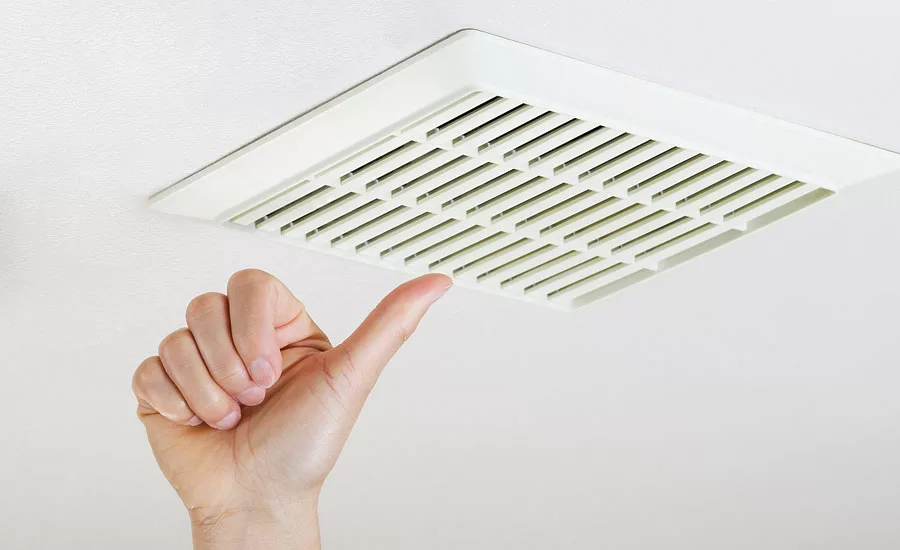
Is your bathroom feeling damp or musty, but you don’t have a fan to fix it? You’re not alone.
Ventilating a bathroom without a fan can seem tricky, but it’s completely possible—and important for your comfort and health. You’ll discover simple, effective ways to keep your bathroom fresh and dry without spending a dime on a fan. Keep reading, and you’ll learn easy tips that make a big difference, helping you avoid mold, bad smells, and sticky walls.
Let’s get started on making your bathroom a breath of fresh air!
Causes Of Poor Bathroom Ventilation
Poor bathroom ventilation causes many issues inside the home. It stops fresh air from moving freely. The air stays damp and stale. This creates an environment where problems grow fast. Understanding the causes helps find simple ways to fix it.
Moisture And Mold Risks
Bathrooms produce a lot of moisture from showers and baths. Without proper airflow, this moisture stays trapped. It gathers on walls, ceilings, and floors. Over time, mold begins to grow in these damp spots.
Mold causes health problems like allergies and breathing issues. It also damages paint, tiles, and wood. Moisture can weaken bathroom fixtures and create an unpleasant smell. These risks increase when ventilation is poor.
Common Ventilation Challenges
Many bathrooms lack windows or have very small ones. This limits natural airflow and sunlight. Some homes do not have an exhaust fan or it may be broken. Fans that are too weak or used improperly do not clear moisture well.
Blocked air vents or closed doors trap humid air inside. Poor design or old building materials can also reduce airflow. These challenges make it hard to keep the bathroom dry and fresh without a fan.
Benefits Of Natural Ventilation
Natural ventilation in your bathroom offers more than just fresh air. It creates a healthier and more comfortable space without relying on electricity or mechanical systems. Understanding its benefits can help you decide the best way to keep your bathroom fresh and dry, even without a fan.
Improved Air Quality
Natural ventilation helps remove moisture and odors quickly, reducing the risk of mold and mildew growth. When you open a window or use vents, stale air escapes and fresh air enters, keeping the bathroom environment cleaner.
Have you noticed how a simple breeze can instantly make a room feel fresher? That’s the power of natural airflow improving your bathroom’s air quality every time you let it in.
Energy Savings
Using natural ventilation means you don’t have to turn on an exhaust fan, which cuts down on your electricity bills. Over time, this small change can add up to noticeable savings, especially in households with multiple bathrooms.
Think about how often you use your bathroom fan daily. Now imagine turning it off and still avoiding damp, stuffy air. That’s energy efficiency working quietly for you.
Eco-friendly Approach
Natural ventilation relies on the environment’s own airflow, making it a green choice that reduces your carbon footprint. It lowers energy consumption and minimizes wear on electrical appliances.
By simply opening a window or installing vents, you contribute to a healthier planet. Isn’t it satisfying to know your bathroom can stay fresh while being kind to the Earth?
Using Windows For Ventilation
Using windows for bathroom ventilation is a natural way to reduce moisture and odors. Windows allow fresh air to enter and push stale air out. This simple method helps keep the bathroom dry and fresh without using electricity. Proper window use can prevent mold and mildew growth. It also improves air quality for a healthier space.
Optimal Window Placement
Windows should be placed where air flows easily. Position them opposite the door or near the shower. High windows help hot, humid air escape quickly. Avoid placing windows too low where water can splash. Good placement allows air to move in and out freely, speeding up drying.
Best Window Types
Casement and awning windows open wide for better airflow. Sliding windows work well but open less fully. Frosted or textured glass keeps privacy while letting air through. Choose windows with locks and screens to keep bugs out. Easy-to-clean windows save time and effort.
Creating Cross Ventilation
Cross ventilation needs two openings on opposite walls. Open a window near the shower and a door or vent on the other side. This setup creates a breeze that pushes moist air outside. Use lightweight curtains or blinds that open fully. Cross ventilation speeds drying and freshens the room fast.
Credit: www.angi.com
Ventilation Through Doors
Ventilation through doors offers a simple way to improve airflow in a bathroom without a fan. Doors can act as pathways for fresh air to enter and stale air to exit. Adjusting or modifying doors helps reduce humidity and odors effectively. This approach works well in homes where installing a fan is not possible or practical.
Under-door Vents
Under-door vents create a small gap for air to pass through. These vents are easy to install and do not require door replacement. They allow air exchange between the bathroom and adjacent rooms.
- Helps maintain airflow even when the door is closed
- Reduces moisture buildup on bathroom surfaces
- Usually made of metal or plastic for durability
Louvered Doors
Louvered doors have slats that let air flow freely. They increase ventilation without sacrificing privacy. These doors are ideal for bathrooms that need constant air movement.
- Encourages natural air circulation
- Prevents mold and mildew growth
- Available in various styles and finishes
Door Gap Adjustments
Adjusting the gap between the door and floor improves air exchange. A wider gap lets more air pass but must balance privacy needs. Simple adjustments can include trimming the door bottom or adding door sweeps with vents.
- Enhances ventilation without major changes
- Easy and low-cost solution
- Works best with other ventilation methods
Incorporating Ventilation Grilles
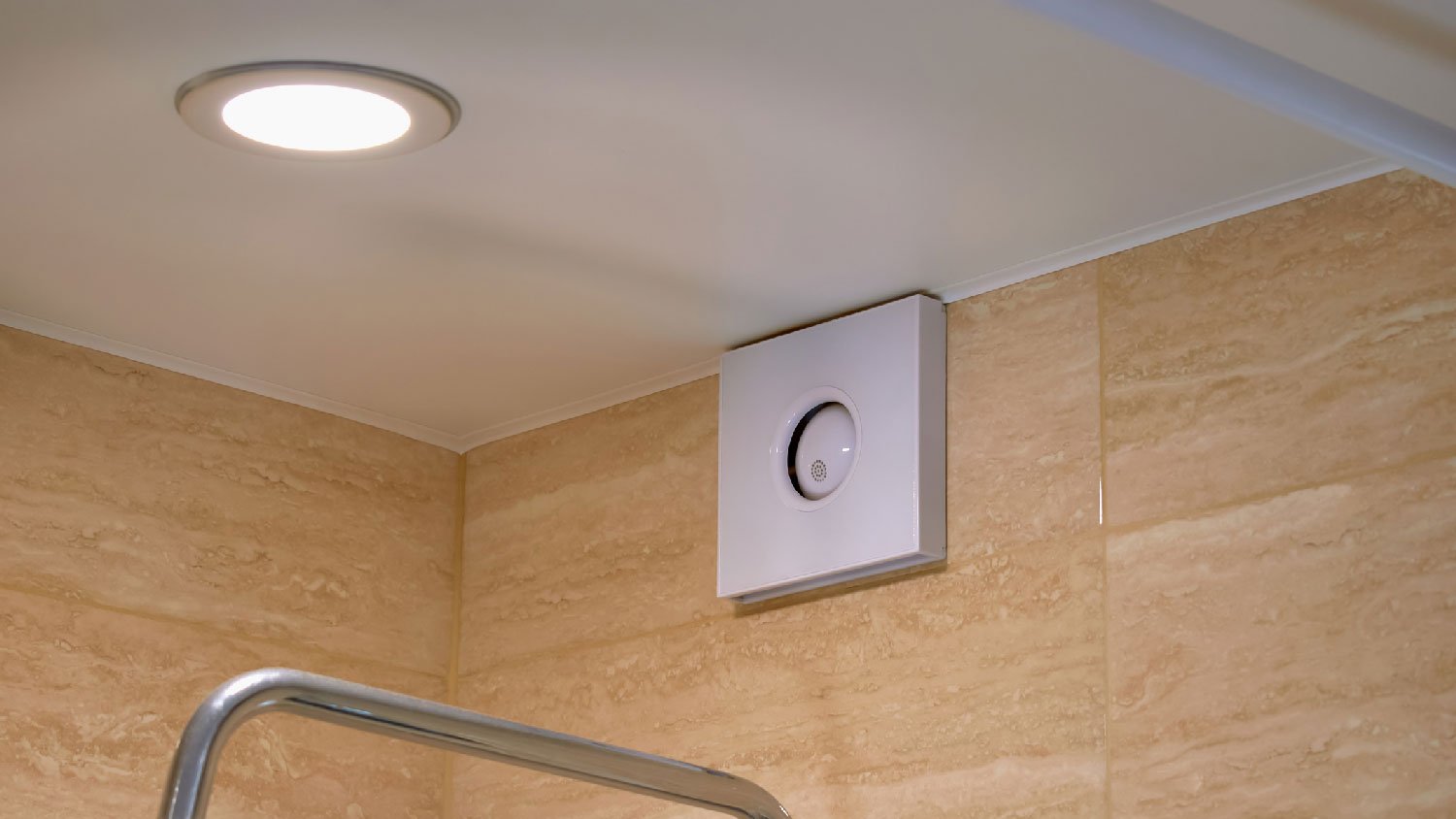
Incorporating ventilation grilles in a bathroom can improve airflow naturally. Place them on doors or windows for effective air circulation.
Incorporating ventilation grilles into your bathroom can improve airflow. Grilles help move stale air out, keeping the space fresh. They fit well in small bathrooms without fans. You can install them on walls or ceilings. Here are some options to consider.Wall Vent Grilles
Wall vent grilles are easy to install. They allow air to escape through the wall. Choose a location away from water sources. This helps protect the grille from moisture. Select a grille size that fits your bathroom design. Ensure it complements the existing decor. Regular cleaning keeps the grille efficient. Dust and debris can block airflow. Use a damp cloth to wipe the grille. This maintains proper ventilation.Ceiling Vent Options
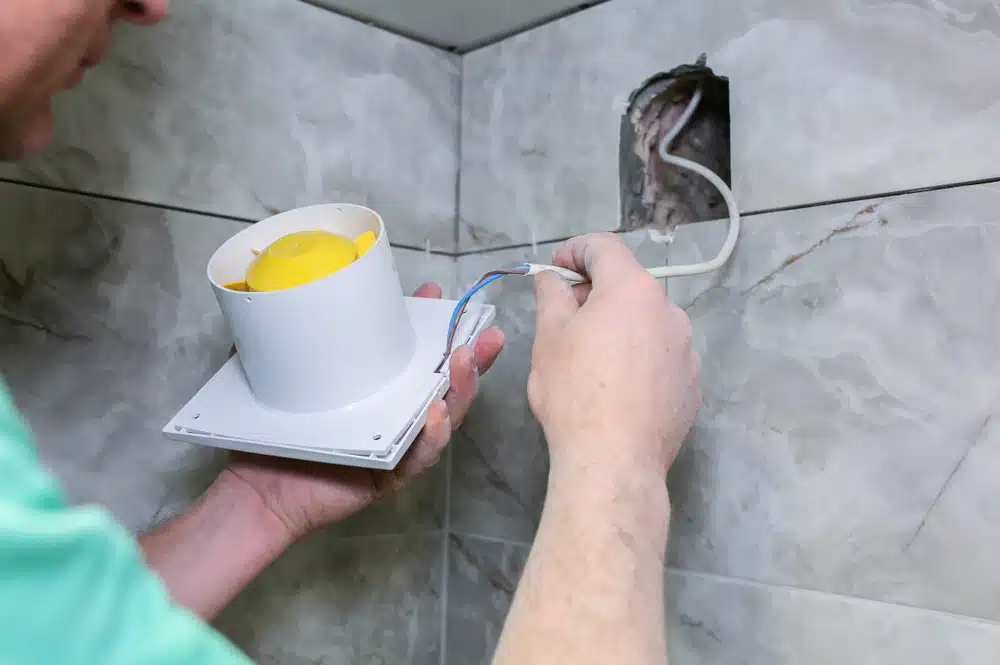
Ceiling vents work well for high moisture removal. They capture rising steam effectively. Install them in central locations for best results. Ensure the vent leads to an outdoor space. This allows moisture to exit freely. Choose a vent design that suits your ceiling. Some ceiling vents have flaps to prevent backflow. This keeps outside air from entering. Clean the vent periodically for optimal performance. Dust buildup can hinder its efficiency. Use a vacuum or brush for cleaning. This ensures the vent remains clear.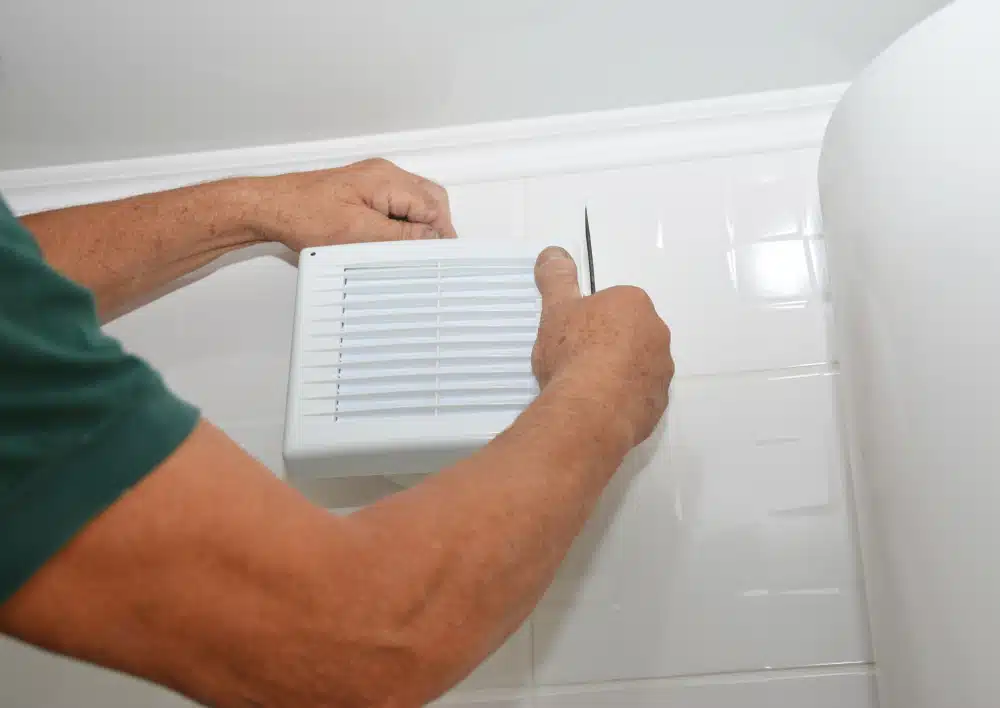
Credit: www.i-sells.co.uk
Using Plants To Improve Airflow
Using plants to improve airflow in a bathroom is a natural and simple solution. Plants help absorb moisture and release fresh oxygen. They create a cleaner and fresher space without needing a fan. This method also adds life and color to the room.
Certain plants work better in bathroom conditions. Bathrooms are often humid and have low light, so the right plants can thrive and improve air quality. Choosing the right plants and placing them well can make a big difference.
Best Plants For Bathrooms
- Spider Plant: Removes toxins and thrives in humidity.
- Bamboo Palm: Adds moisture control and grows well in low light.
- Peace Lily: Absorbs excess moisture and reduces mold.
- Boston Fern: Loves humidity and cleans the air.
- Aloe Vera: Needs little water and helps with air purification.
Placement Tips
- Place plants near windows to catch fresh air.
- Use shelves or hanging pots to save space.
- Avoid placing plants too close to water sources.
- Group plants together to create a small green zone.
- Rotate plants weekly to ensure even light exposure.
Additional Tips To Reduce Humidity
Keeping your bathroom dry without a fan can be challenging, but there are several practical ways to reduce humidity effectively. These additional tips focus on simple changes you can make daily to keep moisture levels down and avoid problems like mold and mildew. Let’s explore some easy habits and home adjustments that make a big difference.
Drying Practices
After showering, wipe down wet surfaces like walls, mirrors, and the bathtub with a squeegee or towel. This removes excess water that would otherwise evaporate and increase humidity.
Hang towels and bath mats outside the bathroom to dry quickly. Avoid leaving damp fabrics in the room as they release moisture into the air.
Think about opening the bathroom door right after use to let fresh air circulate. Even a few minutes can help reduce trapped steam.
Heating And Insulation
Warm air holds more moisture, so controlling bathroom temperature affects humidity levels. Using a small portable heater or heated towel rail can help dry the room faster.
Proper insulation around windows and walls prevents cold spots where condensation forms. Check for drafts and seal gaps to keep the bathroom warmer and drier.
Have you noticed your bathroom mirror fogging up? Improving insulation can reduce this common sign of excess moisture.
Regular Cleaning
Regularly clean grout lines, tiles, and corners where mold tends to grow. A quick scrub once a week stops buildup before it becomes a bigger issue.
Use vinegar or baking soda solutions as natural cleaners to kill mold spores without harsh chemicals. This keeps your bathroom fresh and healthier.
Don’t forget to clean shower curtains and bath mats often. These items trap moisture and can become breeding grounds for mildew.
Credit: www.i-sells.co.uk
Frequently Asked Questions
How Can I Ventilate A Bathroom Without An Exhaust Fan?
You can ventilate by opening windows or doors to promote airflow. Use a dehumidifier or install a vent to reduce moisture. Houseplants also help absorb humidity naturally.
What Are Natural Ways To Reduce Bathroom Moisture?
Natural ventilation like opening windows is effective. Adding moisture-absorbing plants and using a dehumidifier can help. Wiping surfaces dry after use also prevents mold growth.
Can Bathroom Vents Work Without A Fan?
Yes, passive vents allow air to flow naturally. They use pressure differences to remove moisture without electricity. Installing a vent near a window improves air circulation.
Is Opening The Window Enough For Bathroom Ventilation?
Opening windows provides fresh air and reduces humidity effectively. It works best when combined with door gaps for cross-ventilation. Using a window screen prevents insects from entering.
Conclusion
Good bathroom ventilation keeps air fresh and stops mold growth. Opening windows or doors helps air move freely. Using a dehumidifier removes extra moisture. Houseplants can absorb humidity and improve air quality. Simple steps make your bathroom healthier and more comfortable.
Try these ideas to breathe easier without a fan. Fresh air matters every day.



