

When you or a loved one needs help breathing, understanding the machines that assist can feel overwhelming. One important term you might hear is “FiO2.”
But what exactly is FiO2 in a ventilator, and why does it matter so much for your care? Knowing this simple yet crucial concept can help you feel more confident and informed about the treatment process. Keep reading, and you’ll discover how FiO2 works and why it plays a key role in helping patients breathe easier.

Credit: www.youtube.com
Fio2 Basics
Understanding FiO2 basics is essential for anyone involved in ventilator management or respiratory care. FiO2 stands for the fraction of inspired oxygen, which is the percentage of oxygen a patient breathes in. Knowing how FiO2 works helps you ensure the right oxygen levels reach the lungs, which can make a critical difference in patient outcomes.
Definition And Role
FiO2 is the concentration of oxygen delivered to the patient through a ventilator or other breathing support. It is expressed as a decimal or percentage, such as 0.21 (21%) for room air or higher values when supplemental oxygen is added.
The role of FiO2 is to adjust the oxygen level to meet a patient’s needs. For example, someone with lung issues may require a higher FiO2 to maintain adequate oxygen in their blood. Setting the correct FiO2 avoids oxygen toxicity or hypoxia, both of which can harm the patient.
Normal Air Vs. Supplemental Oxygen
Normal air contains about 21% oxygen, which is usually enough for healthy individuals. However, patients on ventilators often need more oxygen than this.
Supplemental oxygen increases FiO2 and helps improve oxygen delivery when the lungs can’t do the job alone. For instance, if a patient’s blood oxygen levels drop, increasing FiO2 can quickly raise these levels and stabilize the patient.
Have you ever noticed how even a small increase in FiO2 can make a big difference in breathing comfort? Understanding this can help you better manage oxygen therapy and patient care.
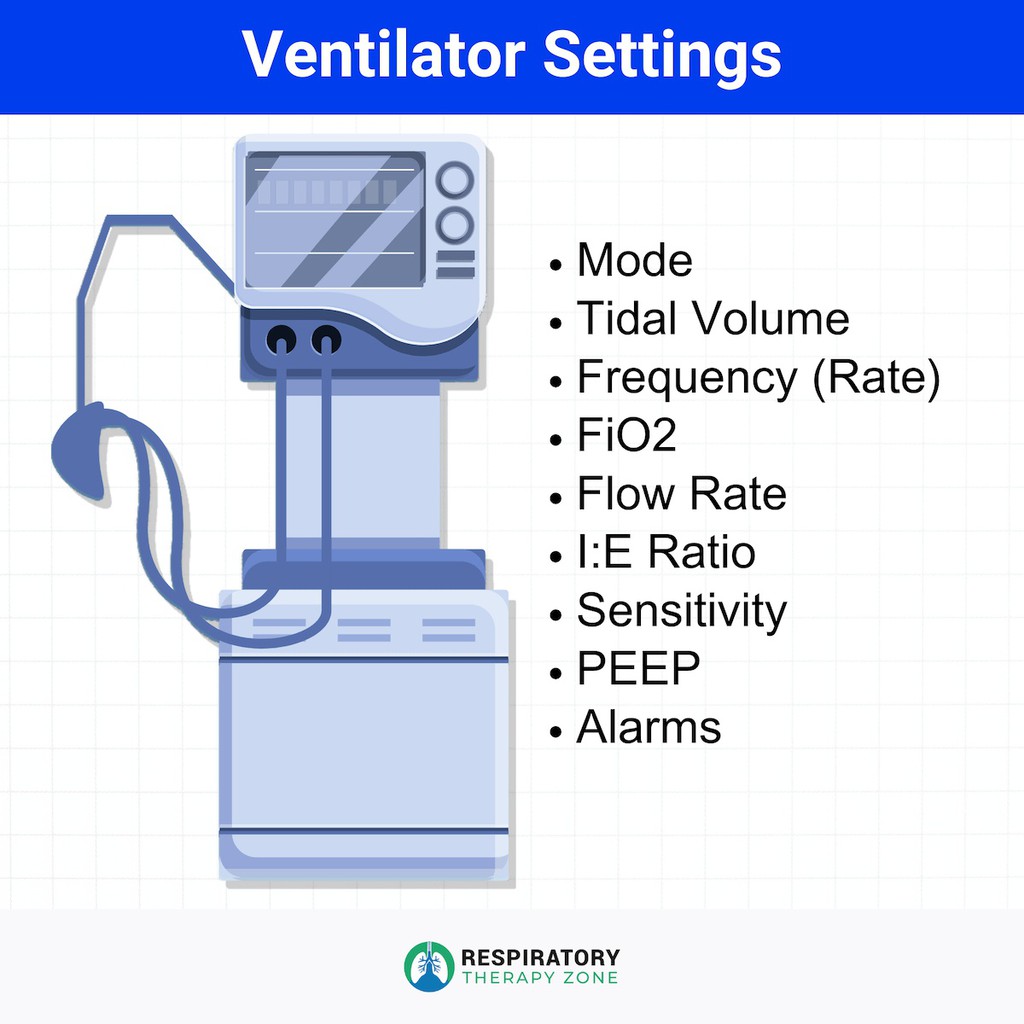
Credit: x.com
Fio2 In Ventilation
FiO2 in ventilation stands for the fraction of inspired oxygen. It shows the percentage of oxygen a patient breathes through a ventilator. This setting is crucial for patients who need help with breathing. It controls how much oxygen reaches their lungs, affecting their oxygen levels in the blood.
Doctors and respiratory therapists carefully adjust FiO2 to meet the patient’s needs. The right FiO2 helps keep oxygen levels safe and prevents damage from too much or too little oxygen. Understanding FiO2 helps in managing ventilation effectively.
Adjusting Fio2 Settings
FiO2 settings vary based on patient condition and oxygen needs. Ventilators allow adjustment from 21% (room air) to 100% oxygen. Careful changes prevent oxygen toxicity or hypoxia. Medical staff monitor oxygen levels using devices like pulse oximeters.
Adjustments depend on:
- Patient’s blood oxygen saturation
- Underlying lung problems
- Response to current oxygen levels
Small changes can improve oxygen delivery without risks. Regular checks ensure FiO2 stays within a safe range.
Impact On Oxygen Delivery
FiO2 directly affects oxygen delivery to the body. Higher FiO2 means more oxygen reaches the lungs. This helps when lung function is weak or oxygen demand is high.
Too high FiO2 can cause lung damage over time. Too low FiO2 may cause oxygen shortage in tissues. Proper balance supports healing and organ function.
Ventilators mix oxygen with air based on FiO2 settings. This mix controls the oxygen concentration inhaled by the patient. Monitoring and adjusting FiO2 is essential for safe, effective ventilation.
Clinical Importance
Understanding the clinical importance of FiO2 in a ventilator is vital for patient care. FiO2 stands for the fraction of inspired oxygen. It represents the percentage of oxygen delivered to the patient through the ventilator. Adjusting FiO2 helps maintain proper oxygen levels in the blood. This balance is crucial to avoid complications and support recovery.
Preventing Hypoxia
Hypoxia occurs when the body lacks enough oxygen. Setting the correct FiO2 prevents this condition. Low oxygen levels can damage organs and tissues quickly. Ventilators supply the right oxygen amount to keep saturation stable. Monitoring FiO2 ensures patients receive enough oxygen without delay.
Avoiding Oxygen Toxicity
Too much oxygen can harm the lungs and other organs. Oxygen toxicity causes inflammation and damage over time. Careful control of FiO2 reduces this risk. Doctors adjust oxygen levels to the minimum needed for patient safety. This careful balance protects patients during long-term ventilation.
Monitoring Fio2
Monitoring FiO2 is essential when using a ventilator to ensure patients receive the right oxygen concentration. Too much oxygen can cause damage, while too little can leave tissues starved for oxygen. Keeping a close eye on FiO2 helps you adjust settings for safe and effective breathing support.
Using Pulse Oximetry
Pulse oximetry is a quick and non-invasive way to check how well oxygen is reaching your blood. It uses a small clip placed on a finger or earlobe to measure oxygen saturation (SpO2).
This method gives you continuous real-time feedback, which is great for spotting sudden drops in oxygen levels. However, it doesn’t show the exact FiO2 or carbon dioxide levels, so it’s just part of the picture.
Have you noticed how sometimes your pulse oximeter readings fluctuate with movement? That’s why you need to combine it with other tools for accurate FiO2 monitoring.
Blood Gas Analysis
Blood gas analysis provides detailed information about oxygen and carbon dioxide levels in the blood, along with pH balance. It involves taking a small blood sample, usually from an artery.
This test gives you precise data on the patient’s oxygenation status and helps fine-tune FiO2 settings on the ventilator. Unlike pulse oximetry, it reveals how well oxygen is being used in the body, not just delivered.
While blood gas analysis is more invasive and time-consuming, it’s invaluable when you need exact measurements for critical care decisions. How often do you think you should check blood gases to keep FiO2 optimal?
Optimizing Fio2 Levels
Optimizing FiO2 levels in ventilators is crucial for patient safety. FiO2, or Fraction of Inspired Oxygen, measures the oxygen a patient receives. Adjusting FiO2 ensures sufficient oxygen without causing harm from excess levels.
Optimizing FiO2 Levels When it comes to managing a patient’s respiratory needs, optimizing FiO2 levels is crucial. FiO2, or Fraction of Inspired Oxygen, is a key parameter in ventilator settings. It determines the percentage of oxygen a patient receives. Fine-tuning this setting can significantly impact a patient’s recovery and comfort.Patient-specific Factors
Each patient is unique, requiring tailored FiO2 settings. Factors like age, medical history, and current health status play a role. For instance, a young, healthy patient might need less oxygen compared to an elderly patient with chronic lung disease. Monitoring blood oxygen levels is essential. Regular checks ensure that FiO2 is meeting the patient’s needs without causing harm. Have you ever wondered how subtle adjustments might improve patient outcomes?Balancing Oxygen And Ventilation
It’s a delicate balance between providing enough oxygen and avoiding oxygen toxicity. Over-oxygenation can lead to complications like lung damage. It’s not just about cranking up the oxygen; it’s about finding the right blend. Ventilation settings are equally crucial. Adjusting the FiO2 while maintaining optimal ventilation can enhance patient recovery. How often do you evaluate the interplay between oxygen levels and ventilation in your practice? Making informed decisions based on continuous monitoring can be the difference between rapid recovery and prolonged treatment. Always strive to find that sweet spot for each patient.Fio2 Challenges
FiO2, or the fraction of inspired oxygen, is a critical setting on a ventilator that controls how much oxygen a patient breathes in. But managing FiO2 isn’t always straightforward. The challenges arise because both too little and too much oxygen can create serious problems for patients. Understanding these challenges helps you make better decisions in critical care situations and avoid risks that might not be obvious at first glance.
Managing High Fio2 Risks
High FiO2 levels can cause oxygen toxicity, which damages lung tissues and worsens breathing problems over time. You might see this issue in patients who stay on elevated oxygen concentrations for days. It’s essential to monitor oxygen levels closely and reduce FiO2 as soon as it’s safe.
Watch for signs like increased lung stiffness, chest discomfort, or worsening oxygen exchange. Using the lowest FiO2 that keeps oxygen saturation above 90% is a good rule of thumb. You can also balance oxygen with positive pressure settings to improve lung function without increasing FiO2.
Adjustments In Critical Conditions
In emergencies, you might need to raise FiO2 quickly to stabilize a patient’s oxygen levels. But this should be temporary and carefully reassessed. For example, during acute respiratory distress, increasing FiO2 buys time but doesn’t solve the underlying problem.
Adjust FiO2 gradually as the patient’s condition improves. Sudden changes can cause swings in blood oxygen levels, which might confuse your assessment of their true state. Are you regularly checking arterial blood gases or pulse oximetry to guide your adjustments?
Ultimately, managing FiO2 requires constant attention and fine-tuning. Your ability to read subtle changes and respond accordingly can make all the difference in patient outcomes.
Future Trends
The future of FiO2 in ventilators points toward smarter, more adaptive systems that respond directly to patient needs. You might wonder how these advances could affect the way oxygen therapy is delivered at the bedside. Expect technology to enhance precision and comfort, making treatment more effective and less invasive.
Advanced Ventilator Technologies
Ventilators are becoming more intuitive with the integration of AI and machine learning. These systems can adjust FiO2 levels in real time by analyzing a patient’s oxygen saturation and breathing patterns. Imagine a ventilator that anticipates changes in your condition and adapts without delay—this is no longer science fiction but an emerging reality.
Additionally, improved sensor technology provides more accurate feedback on lung function. This allows for finer control over oxygen delivery, reducing risks of both under and over-oxygenation. You benefit from a tailored approach that protects your lungs while ensuring adequate oxygen supply.
Personalized Oxygen Therapy
Personalization in oxygen therapy means moving away from one-size-fits-all settings. Your unique physiology and disease state influence how much oxygen you need, and future ventilators will factor this in automatically. This approach reduces side effects and improves recovery times.
Consider how wearable devices and remote monitoring tools will work together with ventilators. They can provide continuous data that helps healthcare providers adjust FiO2 settings even when you’re not in the hospital. This could transform long-term care for patients with chronic respiratory issues.
Are you curious about how personalized therapy might change your own treatment experience? The key lies in technology that listens to your body, giving you oxygen exactly when and how you need it most.
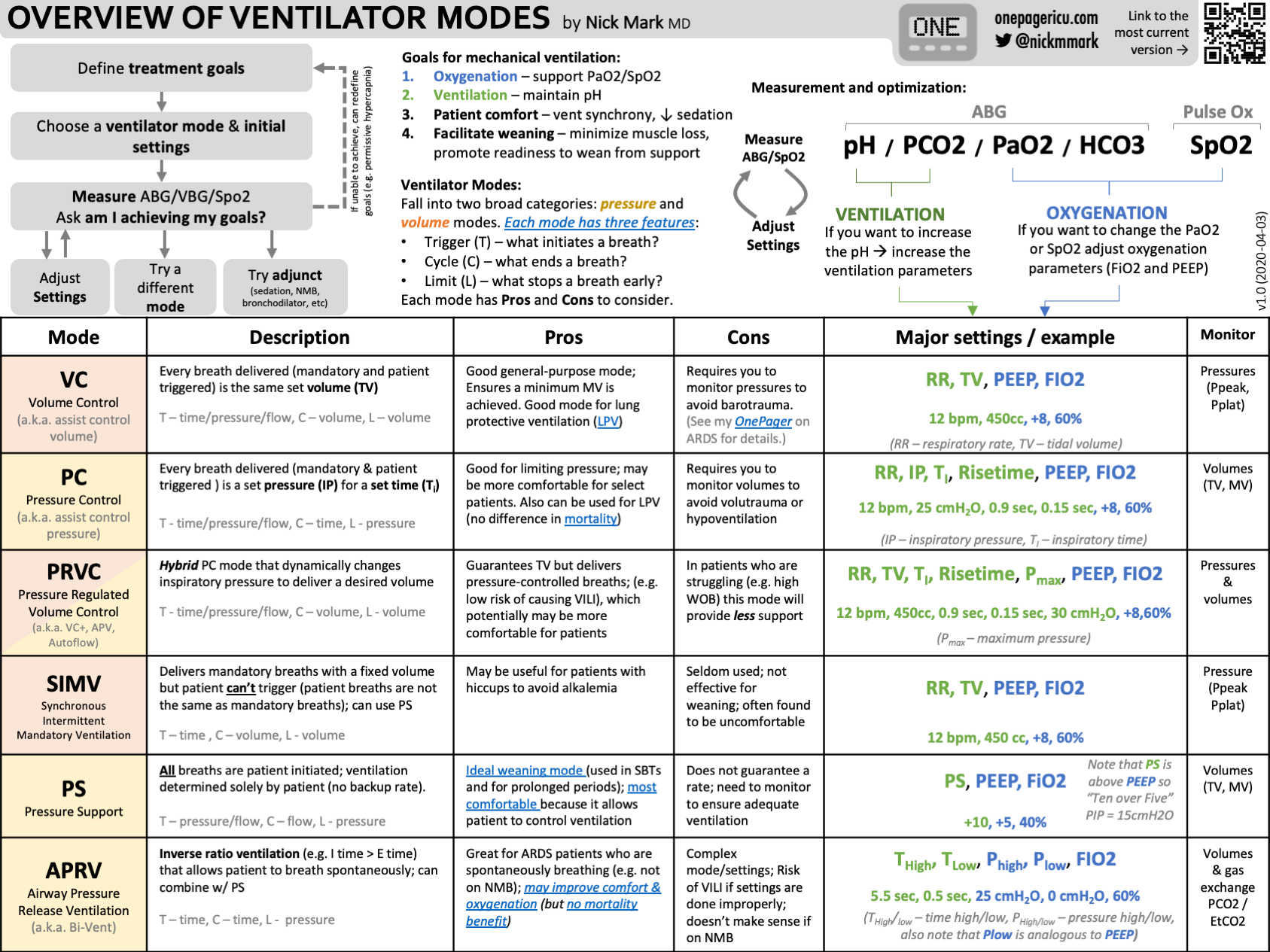
Credit: www.anaestheasier.com
Frequently Asked Questions
What Does Fio2 Mean In A Ventilator?
FiO2 stands for Fraction of Inspired Oxygen. It indicates the oxygen concentration delivered to patients through a ventilator. Adjusting FiO2 helps maintain proper oxygen levels in the blood, ensuring effective respiratory support.
Why Is Fio2 Important For Ventilated Patients?
FiO2 is crucial because it controls the oxygen amount patients receive. Proper FiO2 prevents hypoxia or oxygen toxicity, promoting lung healing and overall recovery during mechanical ventilation.
How Is Fio2 Adjusted On A Ventilator?
Clinicians adjust FiO2 based on blood oxygen levels and patient needs. It ranges from 21% (room air) to 100%, tailored to maintain adequate oxygenation safely.
Can High Fio2 Harm Patients On Ventilators?
Yes, prolonged high FiO2 can cause oxygen toxicity and lung damage. Doctors balance FiO2 to provide enough oxygen while minimizing risks.
Conclusion
FiO2 in a ventilator means the oxygen level given to a patient. It helps doctors control breathing support. Adjusting FiO2 keeps oxygen at a safe and healthy level. Too much or too little oxygen can cause problems. Understanding FiO2 helps in better patient care.
It is a simple but important part of ventilator settings. Knowing this term makes medical discussions clearer. Always ask healthcare providers if you want to learn more. Good oxygen support helps patients heal faster and feel better.



