
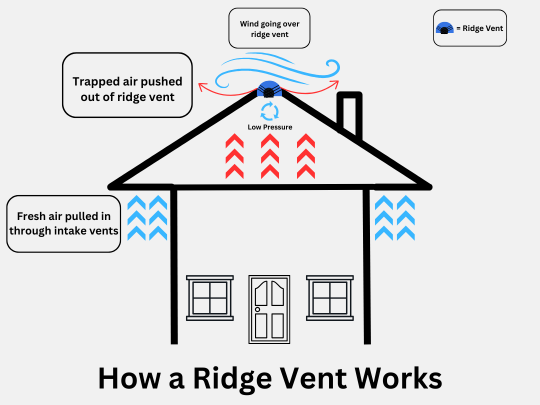
Have you ever wondered how firefighters clear smoke quickly during a blaze? Understanding vertical ventilation is key to grasping this lifesaving technique.
If you want to know exactly what vertical ventilation looks like and how it works, you’re in the right place. By the end of this article, you’ll be able to spot a clear example of vertical ventilation and understand why it’s so important in emergency situations.
Keep reading to discover how this simple method can make a big difference when every second counts.

Credit: garynsmith.net
Basics Of Vertical Ventilation
Understanding the basics of vertical ventilation is crucial for anyone involved in fire safety or emergency response. This technique allows you to control smoke and heat inside a burning structure by creating an outlet at the highest point. Grasping its core principles helps you make quick, informed decisions when seconds count.
Definition And Purpose
Vertical ventilation is the process of cutting a hole in the roof of a building to let smoke, heat, and toxic gases escape upward. This opening improves visibility and reduces the temperature inside, making the environment safer for firefighters and trapped occupants.
The main purpose is to create a natural path for smoke and heat to exit, preventing flashover and reducing the risk of backdraft. It’s a strategic move that enhances air flow, helping fire crews locate hot spots and control the spread.
When To Use Vertical Ventilation
You should use vertical ventilation when smoke and heat are trapped inside a structure, especially in multi-story buildings or those with attics. It’s most effective when fire crews can safely access the roof without risking collapse.
If you find thick, dark smoke pushing out from windows or doors, that’s often a sign vertical ventilation is needed to release pressure and improve conditions inside. However, avoid it if the roof is unstable or the fire is below the area you plan to cut.
- Use vertical ventilation to quickly clear smoke from upper floors.
- Apply it when natural ventilation is blocked or insufficient.
- Combine it with horizontal ventilation for maximum effect.
Have you ever thought about how controlling airflow can change the entire outcome of a fire scene? Your knowledge here could save lives and protect property.
Credit: hotkilns.com
Common Vertical Ventilation Methods
Vertical ventilation helps remove heat and smoke from burning buildings. Firefighters use it to improve visibility and reduce dangerous gases inside.
Several common methods exist for vertical ventilation. Each method allows hot air to escape through the roof. This creates fresh air flow to help control the fire.
Roof Cuts
Roof cuts are openings made directly through the roof surface. Firefighters use axes or saws to cut a square or rectangular hole. This hole lets smoke and heat escape quickly.
Choosing the right spot is important. Roof cuts are placed above the fire or near trapped people. The size depends on the fire’s intensity and roof type.
Skylight Removal
Skylights provide natural light but also offer ventilation points. Firefighters remove or break skylights to release smoke and hot air. This is faster than cutting a new hole.
Removing skylights requires care to avoid injury. Firefighters wear protective gear and use tools to safely remove the glass or cover.
Trench Cuts
Trench cuts are long, narrow openings made near the roof’s edge. They control fire spread by creating a ventilation path. This isolates parts of the fire and reduces smoke buildup.
Trench cuts help protect the building’s structure. They are useful on large buildings with flat roofs. The cuts allow firefighters to manage airflow efficiently.
Example Techniques In Action
Vertical ventilation is a key fire control technique that allows smoke and heat to escape through the roof. This helps firefighters see better and reduces dangerous conditions inside. Several techniques show how vertical ventilation works in real situations. These methods involve cutting roof openings and careful teamwork.
Using A Chain Saw For Roof Vents
A chain saw is the main tool for cutting roof vents. Firefighters choose the right spot on the roof to cut a hole. The chain saw quickly makes a clean opening. This creates a path for smoke and hot gases to leave the building. Safety is important while using the chain saw on sloped roofs.
Creating A Ventilation Hole
The size and shape of the hole depend on the fire size and roof type. Firefighters cut a rectangular or circular hole. This hole lets smoke rise and exit. Removing roofing materials carefully prevents structural damage. The hole must be big enough to improve airflow but controlled to keep roof stability.
Coordinating With Interior Teams
Good communication with teams inside is vital. Interior firefighters tell the roof team where smoke blocks their view. The roof team then cuts vents in those spots. This teamwork speeds up clearing smoke and heat. It also helps keep everyone safer during firefighting.
Credit: itsairborne.com
Tools For Vertical Ventilation
Vertical ventilation requires the right set of tools to be effective and safe. The tools you choose directly impact how quickly and efficiently you can create openings in roofs or ceilings. Understanding the essential tools helps you prepare better and avoid unnecessary risks during operations.
Hand Tools
Hand tools are the backbone of vertical ventilation. Tools like axes, halligan bars, and pike poles are common choices. They allow you to manually cut or pry open sections of the roof with precision.
Think about the last time you used an axe or a crowbar—did you notice how control and technique mattered more than brute strength? These tools demand skill and patience to avoid structural damage while creating ventilation points.
Power Tools
Power tools can speed up vertical ventilation significantly. Chainsaws and rotary saws help cut through tough materials quickly. They reduce physical strain and save valuable time in emergency situations.
However, power tools require proper maintenance and training. Have you ever struggled with a dull blade or a tool that won’t start? That delay can cost lives, so always ensure your equipment is ready to perform.
Safety Gear
Your safety gear is just as important as your cutting tools. Helmets, gloves, eye protection, and respiratory masks protect you from falling debris, dust, and sharp edges. Without proper gear, even small accidents can become serious injuries.
Always ask yourself: Are you fully protected before stepping onto a roof? Skipping safety gear is never worth the risk, especially when working at heights with powerful tools.
Benefits Of Vertical Ventilation
Vertical ventilation offers numerous benefits. It removes smoke and heat quickly, improving visibility for firefighters. This method also reduces the risk of flashovers, enhancing safety during fire emergencies.
Vertical ventilation plays a critical role in firefighting. It involves opening up the roof to release smoke and heat. This method helps in controlling the environment during a fire incident. Understanding its benefits can enhance fire management strategies.Smoke And Heat Removal
Vertical ventilation helps in the quick removal of smoke and heat. By opening the roof, it creates a path for hot gases to escape. This reduces the temperature inside the burning building. It also limits smoke accumulation, making the environment safer.Improved Visibility
Clearing smoke improves visibility for firefighters. With better sight, they can locate victims more efficiently. It also aids in identifying the fire source quickly. This increased visibility can make rescue operations faster and more effective.Enhanced Firefighter Safety
Vertical ventilation significantly enhances firefighter safety. By reducing heat and smoke, it lessens the risk of disorientation. A clearer environment helps in navigating the structure more safely. It also minimizes the threat of flashovers, protecting the team from sudden fire spread.Risks And Safety Precautions
Vertical ventilation is a critical firefighting tactic but carries serious risks. Proper safety measures reduce dangers and protect firefighters. Understanding these risks helps teams work smarter and safer.
Structural Collapse
Cutting holes in roofs weakens building support. Fire damage can make structures unstable and prone to collapse. Firefighters must assess the roof’s strength before ventilation. Use safety gear like helmets and harnesses to prevent injuries. Constantly watch for signs of shifting or cracking.
Proper Communication
Clear communication ensures team coordination and safety. Use radios or signals to share information quickly. Confirm orders before making roof openings. Alert team members about potential hazards or changes. Miscommunication can lead to accidents or delayed responses.
Weather Considerations
Weather impacts ventilation operations significantly. Wind direction affects smoke and fire behavior. Rain can make roofs slippery and hazardous. Hot temperatures increase heat stress risks. Plan ventilation timing and methods around current weather conditions for safety.
Training For Vertical Ventilation
Training for vertical ventilation is crucial for firefighters to perform this technique safely and effectively. It involves hands-on practice and thorough understanding of tools, building structures, and fire behavior. Proper training reduces risks and improves decision-making during real emergencies.
Skill Development
Developing skills for vertical ventilation requires learning how to cut roof openings quickly and accurately. You need to master the use of chainsaws, axes, and other tools under pressure. Practicing roof stability assessment helps you avoid dangerous collapses.
Understanding the airflow dynamics inside a burning building also sharpens your ability to choose the right ventilation point. Have you ever wondered how small mistakes in cutting can worsen fire conditions? Skill development addresses these critical details.
Simulated Drills
Simulated drills provide a safe environment to practice vertical ventilation techniques. These drills often use training towers or mock buildings that mimic real-life scenarios. They allow you to practice coordination with team members and communication during operations.
During drills, you get immediate feedback on your technique and timing. This hands-on experience helps build confidence and muscle memory. How prepared would you feel if you faced a roof ventilation task without prior practice?
Certification Requirements
Many firefighting agencies require certification for personnel performing vertical ventilation. Certification ensures you meet established safety and competency standards. It often includes written exams, practical skills tests, and physical fitness evaluations.
Maintaining certification usually involves regular refresher courses and re-evaluation. This keeps your knowledge current with evolving techniques and safety protocols. Are you ready to commit to ongoing learning to keep your skills sharp?
Frequently Asked Questions
What Is An Example Of Vertical Ventilation?
Vertical ventilation involves creating openings in a roof to release smoke and heat. A common example is cutting a hole in the roof during a fire to improve air flow.
How Does Vertical Ventilation Improve Firefighting?
Vertical ventilation allows hot gases and smoke to escape upwards, improving visibility. This helps firefighters control the fire and reduces the risk of flashover.
When Should Vertical Ventilation Be Used In Fires?
Vertical ventilation is best during large, fully involved fires in buildings with accessible roofs. It helps release heat and smoke quickly to protect occupants and firefighters.
What Tools Are Used For Vertical Ventilation?
Tools like chainsaws, axes, and roof ladders are used to cut openings in the roof. These tools enable firefighters to create effective ventilation points safely.
Conclusion
Vertical ventilation means making a hole in the roof to let smoke and heat escape. It helps firefighters see better and cools down the building. A common example is cutting a hole on the roof during a fire. This method improves safety and control in emergencies.
Understanding vertical ventilation can save lives and protect property. It shows how simple actions can make a big difference. Keep this technique in mind when studying fire safety practices. It’s a key part of many firefighting strategies.



