
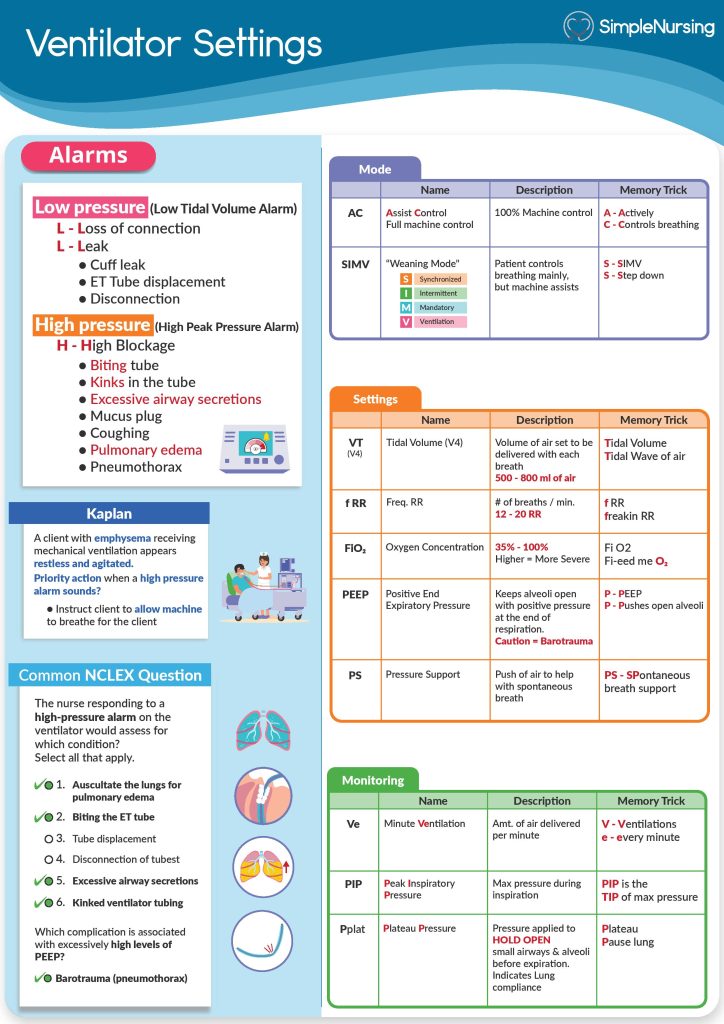
When your loved one is on a ventilator, understanding the basics can make a big difference in how you feel and the questions you ask. One key term you might hear is “tidal volume.”
But what exactly is normal tidal volume on a ventilator, and why does it matter to you? Knowing this can help you grasp how your body or someone else’s is being supported to breathe properly. Keep reading, and you’ll discover simple answers that can ease your worries and empower you with knowledge.

Credit: www.respiratorytherapyzone.com
Basics Of Tidal Volume
Tidal volume is a key concept in understanding breathing and ventilator settings. It refers to the amount of air moved in or out of the lungs during each breath. Knowing the basics of tidal volume helps medical staff provide proper care for patients on ventilators. This section explains what tidal volume is and why it matters.
Definition And Importance
Tidal volume is the volume of air inhaled or exhaled with each normal breath. It usually measures in milliliters (mL). For adults, normal tidal volume ranges from 400 to 600 mL per breath. This amount depends on factors like age, weight, and lung health.
Tidal volume is important because it shows how well the lungs are working. Too little air means the body may not get enough oxygen. Too much air can stretch and damage the lungs. Doctors use tidal volume to monitor breathing and adjust treatments.
Role In Mechanical Ventilation
Mechanical ventilation helps patients breathe when they cannot do so on their own. The ventilator delivers breaths with a set tidal volume. This volume must be just right to support the patient’s lungs safely.
Setting the correct tidal volume helps prevent lung injury. It also ensures enough oxygen reaches the bloodstream. Ventilator settings often depend on ideal body weight, not actual weight. This prevents giving too much air, which can harm the lungs.
In summary, tidal volume guides how ventilators assist breathing. Proper control improves patient outcomes and reduces complications.
Credit: www.droracle.ai
Determining Normal Tidal Volume
Determining the normal tidal volume on a ventilator is essential for effective patient care. Tidal volume is the amount of air delivered to the lungs with each breath. Setting the right volume helps avoid lung injury and ensures proper oxygen delivery.
Several factors affect the choice of tidal volume. These factors guide healthcare providers in adjusting ventilator settings for each patient. Understanding these helps in tailoring ventilation to individual needs.
Factors Influencing Tidal Volume
- Patient’s ideal body weight (IBW)
- Lung compliance and resistance
- Underlying lung conditions
- Type of ventilation mode used
- Patient’s age and size
- Presence of lung injury or disease
Typical Ranges For Adults
For adults, normal tidal volume usually ranges between 6 to 8 milliliters per kilogram of ideal body weight. This range helps minimize the risk of lung damage. Most ventilators use this guideline to set initial volumes. Adjustments may be needed based on patient response.
Adjustments For Children And Infants
Children and infants require smaller tidal volumes due to their smaller lung size. Typical values range from 4 to 6 milliliters per kilogram of actual body weight. Careful monitoring is crucial to avoid overdistension of the lungs. Ventilator settings must be frequently reviewed as children grow or their condition changes.
Setting Tidal Volume On A Ventilator
Setting the tidal volume on a ventilator is a critical step to ensure your patient receives the right amount of air with each breath. The goal is to support breathing without causing lung injury or discomfort. Understanding how to calculate, monitor, and adjust tidal volume is essential for effective ventilator management.
Initial Settings And Calculations
The tidal volume is usually set based on the patient’s ideal body weight (IBW), not their actual weight. A common starting point is 6 to 8 milliliters per kilogram of IBW. For example, if your patient’s IBW is 70 kg, you would set the tidal volume between 420 and 560 ml.
Calculating IBW can be straightforward:
- For men: 50 + 2.3 × (height in inches – 60)
- For women: 45.5 + 2.3 × (height in inches – 60)
Using this calculation helps avoid overinflation of the lungs, which can cause ventilator-induced lung injury. Have you ever seen complications arise because tidal volume was set too high? It’s a common pitfall that careful calculation helps prevent.
Monitoring And Adjusting
Once the initial tidal volume is set, continuous monitoring is vital. Watch for changes in the patient’s lung compliance and oxygenation levels. If you notice rising peak airway pressures or worsening oxygenation, it might be time to adjust the tidal volume.
Regular arterial blood gas (ABG) analysis provides valuable feedback. If CO2 levels are too high or low, tweaking the tidal volume can help balance ventilation. Remember, small changes can make a big difference, so adjust incrementally and observe the patient’s response carefully.
Impact Of Patient Condition
The patient’s underlying condition heavily influences tidal volume settings. For example, patients with acute respiratory distress syndrome (ARDS) often require lower tidal volumes to protect fragile lungs. Conversely, patients without lung injury might tolerate higher volumes safely.
Conditions like obesity, chest wall stiffness, or neuromuscular weakness also affect how you set tidal volume. You need to consider these factors to avoid under- or over-ventilation. How do you tailor tidal volume in complex cases? It’s a balance between guidelines and real-time patient feedback.
Risks Of Incorrect Tidal Volume
Setting the correct tidal volume on a ventilator is crucial for patient safety and recovery. Incorrect tidal volume can lead to serious complications that affect lung function and overall health. Understanding these risks helps you recognize the importance of precise ventilator settings and how they impact patient outcomes.
Overinflation And Lung Injury
Delivering too high a tidal volume can cause overinflation of the lungs. This stretches lung tissues beyond their normal capacity, leading to barotrauma and volutrauma. Patients might experience symptoms like chest pain, decreased oxygen levels, or even lung collapse.
Imagine a balloon stretched too much—it weakens and can burst. Similarly, overinflation damages delicate lung structures, causing inflammation and fluid buildup. This injury not only prolongs recovery but also increases the risk of infections.
Underinflation And Hypoventilation
On the other hand, setting tidal volume too low leads to underinflation. This means the lungs do not receive enough air, causing hypoventilation and poor oxygen exchange. You might notice signs like increased carbon dioxide levels or low oxygen saturation in patients.
Underinflation can cause atelectasis, where parts of the lung collapse due to insufficient air. This condition reduces the lung’s ability to clear secretions and fight infections, complicating the patient’s condition further.
- How do you balance tidal volume to avoid these risks?
- What monitoring techniques can help you detect early signs of lung injury or hypoventilation?
Advanced Considerations
Tidal volume varies based on patient size and lung condition. Careful adjustment helps prevent lung injury during ventilation. Monitoring ensures safe and effective breathing support.
Advanced Considerations When managing patients on a ventilator, understanding normal tidal volume is crucial. It’s not just about setting a number on a machine; it’s about tailoring care to each patient’s unique needs. Advanced considerations help ensure that the ventilator supports without harming, especially in complex cases.Tidal Volume In Ards And Other Conditions
Acute Respiratory Distress Syndrome (ARDS) presents a challenge in ventilator management. Traditional tidal volumes can exacerbate lung injury in ARDS. A lower tidal volume, often around 4-6 ml/kg of ideal body weight, is recommended. This strategy minimizes the risk of ventilator-induced lung injury. It’s essential to monitor the patient closely to balance oxygenation and carbon dioxide levels effectively. Other conditions, such as Chronic Obstructive Pulmonary Disease (COPD) or asthma, may also require adjustments. Each condition demands careful consideration of how tidal volume affects ventilation and perfusion.Use Of Ideal Body Weight In Calculations
Calculating tidal volume based on ideal body weight (IBW) is a standard practice. Using actual body weight can lead to inappropriate volumes, especially in obese patients. Ideal body weight calculations ensure that the tidal volume is appropriate for the patient’s lung size, not their body mass. This method reduces the risk of overdistension and barotrauma. To calculate IBW, formulas typically use height as a primary factor. For instance, the Devine formula is a common choice: – For males: IBW (kg) = 50 + 2.3 x (height in inches – 60) – For females: IBW (kg) = 45.5 + 2.3 x (height in inches – 60) Using IBW can be a simple yet effective way to optimize ventilator settings. Have you checked how this might apply to your current practice? Understanding and applying these advanced considerations can improve patient outcomes. Always tailor your approach based on the specific clinical scenario.
Credit: www.ems1.com
Frequently Asked Questions
What Is The Normal Tidal Volume On A Ventilator?
Normal tidal volume on a ventilator is typically 6-8 ml/kg of ideal body weight. It ensures adequate ventilation without lung injury. This volume supports oxygen delivery and carbon dioxide removal effectively.
Why Is Tidal Volume Important In Mechanical Ventilation?
Tidal volume controls the amount of air delivered to the lungs per breath. Proper settings prevent lung overdistension or collapse. It plays a crucial role in patient safety and ventilation efficiency.
How Is Tidal Volume Calculated For Ventilated Patients?
Tidal volume is calculated based on ideal body weight, not actual weight. The standard is 6-8 ml per kg of ideal body weight. This method minimizes lung injury risks during ventilation.
Can Abnormal Tidal Volume Harm Ventilated Patients?
Yes, too high tidal volume can cause lung damage and barotrauma. Too low tidal volume may lead to inadequate ventilation and hypoxia. Correct tidal volume is critical for patient safety.
Conclusion
Normal tidal volume on a ventilator helps keep breathing safe. It usually ranges from 6 to 8 ml per kilogram of body weight. Setting the right tidal volume protects the lungs and improves oxygen flow. Doctors adjust this based on each patient’s needs.
Understanding this helps caregivers provide better support. Always follow medical advice for the best results. Proper tidal volume keeps patients comfortable and stable. Small changes can make a big difference in care. Remember, good ventilation supports healing and recovery.



