
Have you ever wondered how some people can breathe easier without tubes or surgery? A noninvasive ventilator might be the answer.
It’s a device that helps your lungs work better without the need for painful or complicated procedures. If you or someone you care about struggles with breathing, understanding what a noninvasive ventilator does could change everything. Keep reading to discover how this simple tool can make a big difference in your health and comfort.
Credit: www.biosysmed.com
Noninvasive Ventilator Basics
Understanding the basics of a noninvasive ventilator is important for anyone exploring respiratory support options. This device helps people breathe without the need for surgery or tubes inside the windpipe. It offers a less intrusive way to assist breathing for many patients.
What It Is
A noninvasive ventilator is a machine that supports breathing through a mask or similar device. It delivers air or oxygen without inserting tubes into the airway. This type of ventilator is often used for people with breathing difficulties caused by illness or injury.
How It Works
The ventilator pushes air into the lungs to help with inhaling. It also helps remove carbon dioxide from the body during exhaling. The machine adjusts airflow based on the patient’s breathing needs. It works by sensing breath patterns and providing the right pressure.
Common Types
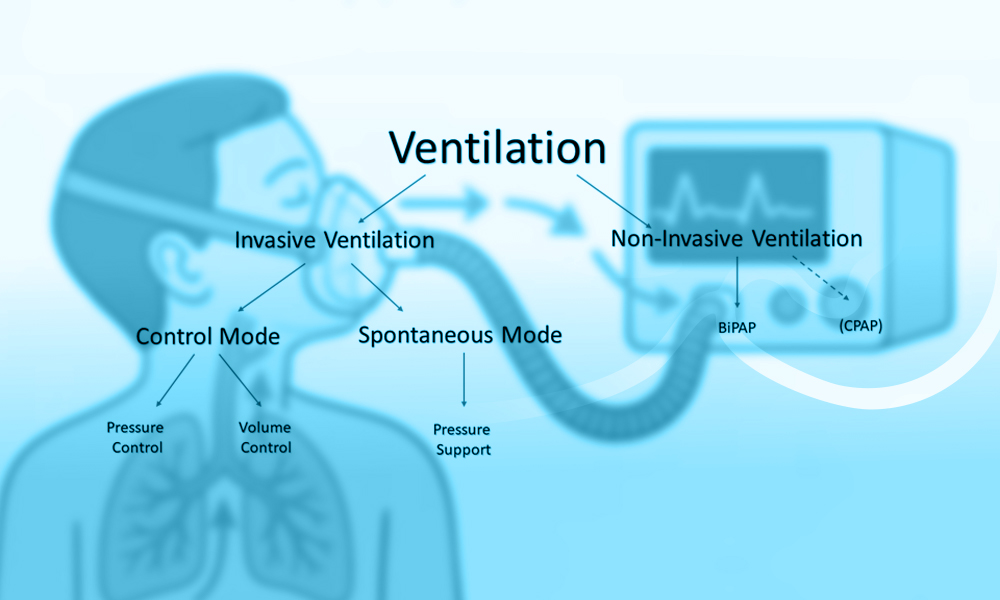
- Continuous Positive Airway Pressure (CPAP) – Provides constant air pressure.
- Bilevel Positive Airway Pressure (BiPAP) – Offers different pressures for inhaling and exhaling.
- Portable Ventilators – Small machines for use outside hospitals.
Benefits For Patients
Noninvasive ventilators offer many benefits for patients with breathing difficulties. These devices support breathing without the need for invasive tubes or surgery. Patients can experience better health and comfort during treatment. The following sections highlight key advantages.
Comfort And Convenience
Noninvasive ventilators use masks or nasal prongs instead of tubes. This design allows patients to speak and eat easily. It causes less discomfort during use. Patients can move and rest more naturally. The device is lightweight and portable. This adds convenience for daily life and travel.
Reduced Infection Risk
Using noninvasive ventilators lowers the chance of lung infections. There is no need for tubes to enter the airway. This reduces exposure to harmful bacteria. Patients avoid complications linked to invasive ventilation. Cleaner breathing support means faster recovery and fewer hospital visits.
Improved Breathing Support
Noninvasive ventilators provide steady and adjustable airflow. They help keep airways open and improve oxygen levels. Patients breathe easier with less effort. The device can adapt to different breathing needs. It supports both short-term and long-term respiratory care.
Who Needs Noninvasive Ventilation
Noninvasive ventilation helps people breathe without surgery or tubes inside the throat. It supports breathing by using a mask or similar device. Many people benefit from this therapy for different health reasons. Understanding who needs it helps in managing breathing problems effectively.
Chronic Respiratory Conditions
People with long-term lung diseases often need noninvasive ventilation. This includes conditions like chronic obstructive pulmonary disease (COPD) and severe asthma. The device assists their lungs in getting enough oxygen. It reduces the effort needed to breathe and improves quality of life.
Acute Respiratory Failure
Noninvasive ventilation is crucial in sudden breathing problems. It supports patients during episodes of respiratory failure without needing a ventilator tube. This helps avoid complications linked to invasive ventilation. It stabilizes breathing while doctors treat the underlying cause.
Sleep Apnea And Other Uses
Many people with sleep apnea use noninvasive ventilation to keep airways open at night. It improves sleep quality and reduces daytime tiredness. Other uses include helping patients with neuromuscular diseases and certain heart conditions. It offers a safer, less invasive option for breathing support.
Using A Noninvasive Ventilator
Using a noninvasive ventilator helps support breathing without surgery. It delivers air through a mask, making breathing easier for those with lung problems. Proper use of the ventilator improves comfort and effectiveness.
Fitting The Mask
Choose a mask that fits snugly but feels comfortable. A good fit prevents air leaks and skin irritation. Adjust the straps to secure the mask without pressing too hard. Check for gaps around the edges before starting the ventilator.
Adjusting Settings
Settings control air pressure and flow to match breathing needs. Follow the healthcare provider’s instructions for setting adjustments. Use the device controls to change pressure levels gently. Watch for signs of discomfort or difficulty breathing and report them.
Daily Care And Maintenance
Clean the mask and tubing every day to prevent infections. Use mild soap and warm water, then rinse well. Allow parts to dry completely before use. Check filters regularly and replace them as needed. Store the ventilator in a dry, safe place when not in use.
Potential Challenges
Noninvasive ventilators may cause discomfort or skin irritation from masks. Some users find it hard to adjust to the airflow and noise. Proper fit and regular cleaning are essential to avoid leaks and infections.
Potential Challenges While noninvasive ventilators offer significant benefits for those with respiratory issues, they aren’t without their challenges. Understanding these potential hurdles can help you or a loved one better manage the use of these devices. Let’s dive into some common issues and how you might address them.Discomfort And Skin Irritation
Wearing a mask for extended periods can lead to discomfort and skin irritation. Pressure points, especially on the nose and cheeks, might become sore. Regularly adjusting the mask and using skin-friendly barriers can help alleviate these issues. Additionally, ensuring the mask fits well can prevent excessive pressure that leads to irritation. You might want to apply a gentle moisturizer around the mask area to maintain skin health. Have you noticed any redness or chafing that needs attention?Air Leaks And Noise
Air leaks can be a pesky problem, often causing noise that disrupts sleep. These leaks typically occur when the mask doesn’t fit snugly. Double-checking the mask’s fit and adjusting straps can minimize leaks. Another strategy is to explore different mask types or sizes to find one that suits your face shape best. A quiet night’s sleep should be a priority—how much noise are you willing to tolerate?When To Seek Medical Advice
While some challenges can be managed at home, certain issues require professional attention. If you experience persistent discomfort, skin breakdown, or the ventilator isn’t functioning properly, it’s time to consult a healthcare provider. Sudden changes in your breathing patterns or any signs of infection should not be ignored. Your health and comfort are paramount—how proactive are you in seeking help when needed?
Credit: www.medline.com
Advances In Ventilator Technology
Noninvasive ventilators have evolved significantly in recent years. These machines now offer better support and comfort for patients. Advances in technology have made them smarter, smaller, and easier to use. This progress helps improve patient care and treatment outcomes.
Smart Features
Modern noninvasive ventilators include smart features to enhance therapy. Sensors monitor breathing patterns and adjust airflow automatically. These devices detect leaks and fix them without interrupting support. Some models connect to apps, allowing remote monitoring by doctors. Alerts notify users if problems arise, ensuring safety and timely help.
Portable Devices
Portable noninvasive ventilators offer freedom to patients outside hospitals. They are lightweight and compact, easy to carry during travel or daily activities. Battery life has improved, providing hours of use without charging. These devices have simple controls for easy operation by patients or caregivers. Portability helps maintain therapy consistency and quality of life.
Future Trends
Future ventilators will focus on increased personalization and connectivity. Artificial intelligence may predict patient needs and adapt support faster. Integration with wearable health devices will provide a full picture of patient health. Wireless technology will enable seamless data sharing with healthcare teams. These trends aim to make ventilators more effective and user-friendly.
Credit: emedicine.medscape.com
Frequently Asked Questions
What Is A Noninvasive Ventilator Used For?
A noninvasive ventilator supports breathing without a tube in the airway. It helps patients with respiratory issues like COPD or sleep apnea breathe easier.
How Does A Noninvasive Ventilator Work?
It delivers pressurized air through a mask. This keeps airways open and improves oxygen intake without invasive procedures.
Who Can Benefit From Noninvasive Ventilation?
Patients with chronic lung diseases, sleep apnea, or acute respiratory failure benefit. It reduces complications linked to invasive ventilation.
What Are The Common Types Of Noninvasive Ventilators?
Common types include CPAP and BiPAP machines. They differ in pressure delivery but both assist breathing noninvasively.
Conclusion
Noninvasive ventilators help people breathe without surgery. They provide support through masks or tubes outside the body. This method reduces infection risk and speeds up recovery. Many patients use them at home or in hospitals. Understanding how they work can ease worry and build trust.
Breathing support does not have to be scary or complex. It offers comfort and safety for those who need help. Noninvasive ventilators play an important role in healthcare today.



