
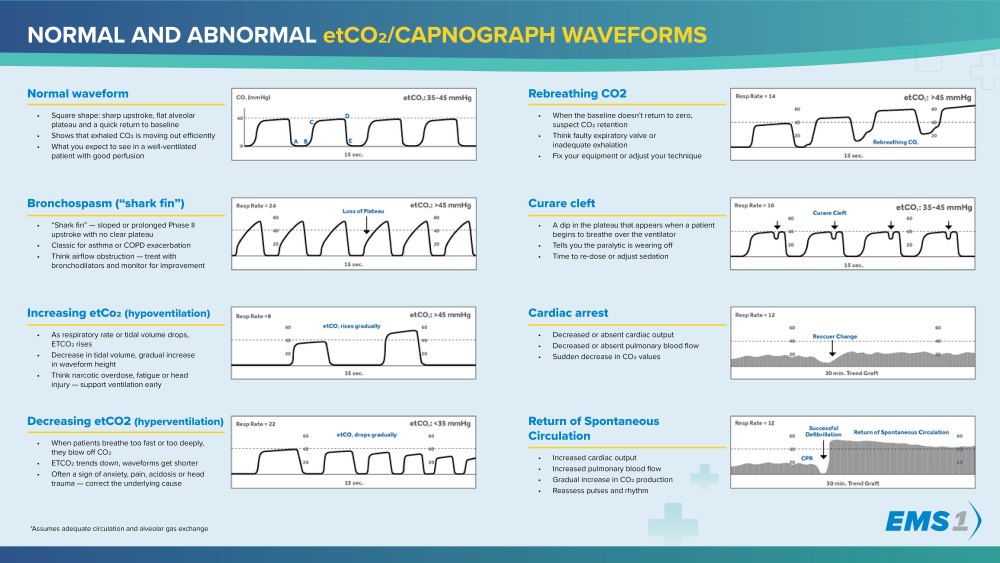
Are you curious about how to improve your breathing and boost the oxygen your body gets every day? Understanding the most effective means of increasing alveolar ventilation can make a big difference in your energy, focus, and overall health.
This isn’t just about breathing harder; it’s about breathing smarter. You’ll discover simple, proven ways to enhance the air exchange in your lungs, helping you feel more alert and alive. Keep reading to unlock tips that could change the way you breathe—and live—forever.
Alveolar Ventilation Basics
Understanding alveolar ventilation is key to grasping how your body efficiently exchanges gases. It’s the process where fresh air reaches the alveoli, tiny air sacs in your lungs, allowing oxygen to enter your blood and carbon dioxide to leave it. Knowing the basics helps you see why improving this process can make a real difference in your breathing and overall health.
Definition And Importance
Alveolar ventilation is the volume of air that reaches the alveoli and participates in gas exchange per minute. It’s different from the total air you breathe in because not all air reaches these tiny sacs; some stays in the airways where no gas exchange happens.
Why does this matter to you? Efficient alveolar ventilation ensures your body gets enough oxygen to fuel your cells and removes carbon dioxide effectively. Poor ventilation can lead to fatigue, shortness of breath, or more serious lung issues.
Factors Affecting Alveolar Ventilation
Several factors can change how well your alveoli get ventilated. Here are some key ones:
- Respiratory Rate:Breathing faster increases the air volume reaching alveoli but can reduce efficiency if too shallow.
- Tidal Volume:The amount of air per breath matters; deeper breaths bring more fresh air to alveoli.
- Dead Space Volume:Air in the respiratory tract that doesn’t participate in gas exchange reduces effective ventilation.
- Lung Compliance:How easily your lungs expand affects how much air reaches the alveoli.
Have you noticed how when you take a deep breath, you feel more refreshed? That’s because you’re increasing tidal volume, letting more air reach your alveoli. Small changes like this can greatly improve your alveolar ventilation.
Role Of Breathing Techniques
Breathing techniques play a crucial role in increasing alveolar ventilation by helping you maximize the amount of fresh air reaching your lungs. These methods train your respiratory muscles and improve the efficiency of your breaths, making every inhale count. Understanding and practicing these techniques can make a real difference in how well your lungs work, especially during exercise or respiratory challenges.
Diaphragmatic Breathing
Diaphragmatic breathing focuses on using your diaphragm rather than shallow chest muscles. When you breathe deeply into your belly, your lungs expand more fully, increasing the volume of air exchanged in each breath.
Try this: place one hand on your chest and the other on your belly. Breathe in slowly through your nose and feel your belly rise while your chest stays still. This simple practice can strengthen your diaphragm and boost your lung capacity over time.
Pursed-lip Breathing
Pursed-lip breathing slows down your breath and keeps your airways open longer. This helps remove trapped air from your lungs and improves oxygen exchange.
To do it, inhale through your nose, then exhale slowly through pursed lips, like you’re blowing out a candle. This method is especially helpful if you feel short of breath during activity or stress.
Controlled Breathing Patterns
Controlled breathing involves regulating the pace and depth of your breaths to optimize airflow to your alveoli. Techniques such as timed inhalation and exhalation help you maintain steady oxygen levels and prevent hyperventilation.
For example, try inhaling for 4 seconds, holding for 2 seconds, then exhaling for 6 seconds. This pattern reduces breathing rate but increases the efficiency of each breath. Have you noticed how controlling your breath can calm your mind and improve physical performance?
Exercise And Physical Activity
Exercise and physical activity play a key role in increasing alveolar ventilation. They help the lungs work better and increase the amount of air moved in and out. Regular movement improves breathing efficiency and strengthens respiratory muscles. This makes it easier to supply oxygen to the body and remove carbon dioxide.
Impact On Lung Capacity
Exercise helps expand lung capacity over time. Deep, steady breathing during physical activity stretches the lungs. This keeps the alveoli healthy and flexible. Stronger lungs hold more air and improve gas exchange. People who exercise regularly often have better lung function and higher oxygen intake.
Physical activity also improves the strength of the diaphragm and other breathing muscles. This makes breathing easier and faster during rest and activity. Improved lung capacity means better endurance and less breathlessness.
Aerobic Vs Anaerobic Effects
Aerobic exercise, like walking or cycling, increases breathing rate steadily. It improves oxygen delivery and carbon dioxide removal. This type of exercise enhances alveolar ventilation by promoting steady, deep breaths.
Anaerobic exercise, such as sprinting or heavy lifting, causes short bursts of intense breathing. It increases carbon dioxide quickly and demands faster breathing. This trains the lungs to respond rapidly to high oxygen needs. Both aerobic and anaerobic activities help improve lung function but in different ways.
- Aerobic: steady breathing, better oxygen use, increased lung capacity
- Anaerobic: rapid breathing, quick gas exchange, stronger respiratory muscles

Credit: www.icureach.com
Medical Interventions
Medical interventions play a crucial role in increasing alveolar ventilation, especially when natural breathing mechanisms are compromised. These interventions focus on improving air exchange in the lungs, ensuring your body gets enough oxygen and removes carbon dioxide effectively. Understanding the options available can help you make informed decisions about respiratory care.
Use Of Mechanical Ventilation
Mechanical ventilation supports or replaces spontaneous breathing by using machines to move air in and out of your lungs. It can be set to control the volume and rate of breaths, directly increasing alveolar ventilation.
This intervention is especially useful during surgery, severe lung diseases, or respiratory failure. You might find it surprising how adjustable settings allow customization to your specific needs, balancing oxygen delivery and carbon dioxide removal.
Are you aware that even small changes in ventilator settings can significantly impact your lung function? This highlights the importance of expert monitoring and adjustment to optimize alveolar ventilation without causing lung injury.
Pharmacological Approaches
Medications can also improve alveolar ventilation by targeting airway muscles and lung function. Bronchodilators, for example, relax airway muscles, making it easier for air to flow in and out of the alveoli.
Anti-inflammatory drugs reduce swelling in the airways, further enhancing airflow. Some drugs stimulate the respiratory center in your brain, increasing your breathing rate and depth automatically.
Have you considered how combining these drugs with breathing exercises might improve your lung capacity? This combination often leads to better control over your breathing and improved oxygen exchange.
Lifestyle Changes For Improvement
Improving alveolar ventilation is key to better lung health and overall well-being. Simple lifestyle changes can make a big difference. These changes help your lungs work more efficiently and increase oxygen supply.
Smoking Cessation
Smoking damages lung tissue and reduces airflow. Quitting smoking allows lungs to heal and function better. It lowers mucus production and inflammation, clearing airways. Over time, quitting improves the exchange of oxygen and carbon dioxide.
Weight Management
Excess weight can restrict chest movement and reduce lung capacity. Maintaining a healthy weight helps the diaphragm move freely. This improves the amount of air entering the alveoli. Balanced diet and regular exercise support better lung function.
Environmental Factors
Clean air supports healthy lungs and alveolar ventilation. Avoid exposure to pollution, dust, and chemicals. Use air purifiers or masks in polluted areas. Proper ventilation indoors reduces harmful particles. These steps protect lung tissue and improve breathing.
Technological Aids And Devices
Technological aids and devices play a key role in improving alveolar ventilation. These tools help patients breathe more deeply and efficiently. They support lung expansion and clear airways. Healthcare providers often recommend these devices after surgery or during lung therapy. Using them correctly can reduce complications and speed recovery.
Incentive Spirometry
Incentive spirometers encourage deep breathing by providing visual feedback. The patient inhales slowly, raising a marker inside the device. This action helps open up the small air sacs in the lungs called alveoli. Regular use prevents lung collapse and improves oxygen exchange. The device is simple and portable, making it easy for daily use.
Positive Expiratory Pressure Devices
Positive expiratory pressure (PEP) devices create gentle resistance during exhalation. This resistance keeps airways open and pushes air into the alveoli. The result is better gas exchange and improved lung function. Patients breathe out through the device, which may include a mask or mouthpiece. PEP devices are helpful for people with lung diseases or after surgery.
Monitoring And Measuring Progress
Monitoring and measuring progress in alveolar ventilation is crucial. It ensures that interventions are effective. Accurate assessment helps in adjusting treatment plans. Let’s explore key methods for tracking progress.
Spirometry Tests
Spirometry tests measure lung function. They provide data on airflow and volume. A patient breathes into a tube connected to a machine. The test records how much air they can exhale and inhale. It also measures how quickly they can do it. This helps identify any breathing issues. Regular testing can show improvements or declines in lung function.
Blood Gas Analysis
Blood gas analysis assesses oxygen and carbon dioxide levels in the blood. This test involves taking a small blood sample. It reveals how well the lungs are exchanging gases. High levels of carbon dioxide may indicate poor ventilation. Oxygen levels show if the body is receiving enough air. Regular analysis can track changes and guide treatment adjustments.

Credit: quizlet.com

Credit: thoracickey.com
Frequently Asked Questions
What Is Alveolar Ventilation And Why Is It Important?
Alveolar ventilation is the exchange of air between the lungs and blood. It helps deliver oxygen and remove carbon dioxide. Effective alveolar ventilation maintains proper gas levels and supports overall respiratory health.
How Can Increasing Tidal Volume Improve Alveolar Ventilation?
Increasing tidal volume means breathing in more air per breath. This helps fill alveoli better, enhancing oxygen intake and carbon dioxide removal. It directly boosts alveolar ventilation efficiency.
Does Increasing Respiratory Rate Effectively Increase Alveolar Ventilation?
Simply increasing respiratory rate can raise ventilation but may cause shallow breaths. Shallow breaths reduce alveolar air exchange, making it less effective than increasing tidal volume.
What Role Does Deep Breathing Play In Alveolar Ventilation?
Deep breathing increases lung volume and air distribution in alveoli. It improves oxygen delivery and carbon dioxide elimination, significantly enhancing alveolar ventilation.
Conclusion
Increasing alveolar ventilation improves oxygen delivery to the body. Deep, slow breaths help clear carbon dioxide effectively. Practicing controlled breathing supports lung health and function. Regular exercise also enhances breathing capacity over time. Avoiding smoking and pollutants protects the lungs.
Small daily habits make a big difference in breathing. Focus on simple techniques for steady improvement. Healthy lungs mean better energy and well-being. Keep practicing to maintain strong alveolar ventilation.



