
Setting up proper ventilation in your grow tent can make or break your indoor garden. If you want healthy plants and bigger yields, you need to control air flow, temperature, and humidity right from the start.
But where do you begin? Don’t worry—you’re about to discover simple, effective steps to get your grow tent ventilation working perfectly. Keep reading, and you’ll learn how to create the ideal environment that your plants will thrive in. Your green thumb is about to get a serious upgrade!
Credit: herbiesheadshop.com
Choosing The Right Grow Tent
Choosing the right grow tent sets the foundation for effective ventilation. The tent must suit your space and plant needs. Proper selection helps control temperature and airflow easily.
Size And Material
Select a tent size that fits your growing area. Small tents suit limited spaces but restrict airflow options. Larger tents offer more room for fans and vents.
Check the tent’s material quality. Thick, reflective fabric improves light and heat management. Durable materials ensure the tent lasts longer and prevents air leaks.
Location Considerations
Place the grow tent where you can easily access it. Avoid cramped or damp areas that affect ventilation. A spot near power sources helps run fans and filters smoothly.
Consider outside temperature and humidity. A cool, dry room supports better airflow and plant health. Avoid areas with direct sunlight to prevent overheating inside the tent.

Credit: canadagrowsupplies.com
Selecting Ventilation Components
Selecting the right ventilation components is crucial for maintaining a healthy grow tent environment. The quality of air circulation directly affects your plants’ growth and overall health. Choosing fans, filters, and ducting that match your tent size and grow goals can make all the difference.
Exhaust Fans
An exhaust fan pulls stale, hot air out of your grow tent. Picking one with the right airflow capacity (measured in CFM) is key. If your fan is too weak, heat and humidity will build up, stressing your plants.
Look for fans that are quiet but powerful enough to exchange air at least once every minute. Variable speed options give you control over airflow as your plants grow. I once underestimated fan power and ended up with mold issues—don’t make the same mistake.
Intake Fans
Intake fans bring fresh air into your grow tent, balancing the airflow created by the exhaust. While passive intake (just a vent) may work in small tents, active intake fans improve oxygen levels and temperature control.
Choose intake fans that match your exhaust fan’s power to maintain proper air pressure. This balance prevents negative pressure, which can collapse your tent walls or reduce airflow efficiency.
Carbon Filters
Carbon filters are essential if you want to control odors and purify the air inside your grow tent. They trap smells and harmful particles before air exits your system. This is especially important if discretion is a priority.
Pick a filter that matches your exhaust fan’s CFM rating for optimal performance. Remember, a filter can slightly reduce airflow, so factor that into your fan size. I’ve found that investing in a good carbon filter saves stress and keeps my grow room neighbor-friendly.
Ducting Options
Ducting connects your fans and filters, directing airflow efficiently. Flexible ducting is easy to install but can reduce airflow if stretched or kinked. Rigid ducting offers better airflow but is harder to maneuver in tight spaces.
Consider insulated ducting if temperature control is a concern. Proper ducting setup prevents leaks and ensures your ventilation system runs smoothly. Have you checked if your ducting setup is costing you airflow without you realizing it?
Planning Airflow Paths
Planning airflow paths is the foundation of effective grow tent ventilation. Without a clear strategy, air can become stagnant, leading to poor plant health and slower growth. Thoughtful placement and movement of air will help you maintain the right temperature, humidity, and CO2 levels inside your tent.
Placement Of Intake And Exhaust
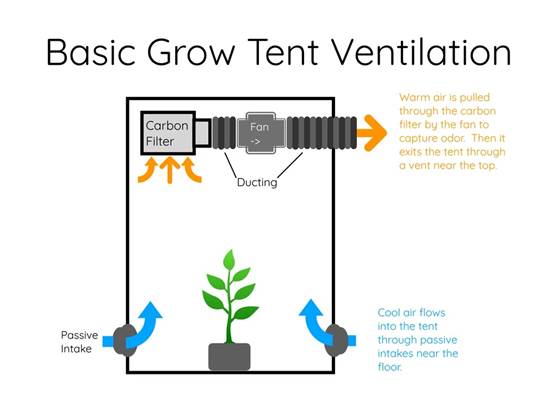
Position your intake near the bottom of the tent where cooler air naturally sits. This allows fresh air to enter without disturbing your plants too much. The exhaust should be placed at the top to pull out warm, stale air, taking advantage of heat rising.
Think about the size of your fans relative to the tent. A powerful exhaust fan combined with a passive or active intake will keep air flowing smoothly. Have you noticed your tent getting hot in one corner? That might mean your intake or exhaust needs adjustment.
Creating Circulation Zones
Good ventilation is more than just intake and exhaust—it requires air to move around your plants evenly. Use oscillating fans inside the tent to create gentle airflow that reaches all corners. This prevents hot spots and reduces mold risks.
Divide your tent into zones if you have a large setup. Each zone can have its own small circulation fan to keep air moving efficiently. Have you checked if every plant is getting fresh air, or are some stuck in dead zones?
Credit: theseedfair.com
Installing Fans And Filters
Installing fans and filters is essential to keep your grow tent environment healthy and thriving. Proper airflow controls temperature, humidity, and odors, which directly impact plant growth. Let’s break down how to set up these components efficiently.
Mounting Exhaust Fans
Place your exhaust fan near the top of the grow tent because hot air rises. This positioning helps remove warm, stale air quickly. Use sturdy brackets or straps designed for grow tents to secure the fan firmly.
Make sure the fan size matches your tent volume for optimal air exchange. If the fan is too small, it won’t move enough air; too large, and it may create excessive noise. Have you checked your tent’s cubic feet to find the right fan size?
Setting Up Carbon Filters
Carbon filters control odors effectively by trapping smell particles. Attach the filter directly to the intake side of the exhaust fan to maximize efficiency. Hanging the filter from the tent’s frame with adjustable straps keeps it stable and allows for easy maintenance.
Remember, carbon filters work best with consistent airflow. Don’t forget to replace the filter every 12-18 months to maintain odor control. What’s your plan for keeping the filter clean and functional?
Connecting Ducts Securely
Use ducting to channel air from the fan and filter to the outside or another room. Secure connections with duct clamps or heavy-duty tape to prevent air leaks. Loose ducts reduce airflow efficiency and can cause unwanted noise.
- Measure duct length carefully to avoid sharp bends that restrict airflow.
- Consider insulated ducts if noise or temperature control is a concern.
- Check all connections periodically to ensure they remain tight and intact.
Do you inspect your ductwork regularly to catch leaks or damage early? Small adjustments here can save you from major ventilation problems down the line.
Controlling Temperature And Humidity
Proper ventilation in a grow tent is key to controlling temperature and humidity. Install fans to circulate air and vent out excess heat and moisture. This helps create a stable environment for plant growth.
Controlling temperature and humidity in your grow tent is crucial for a thriving indoor garden. Proper ventilation not only ensures that your plants receive the necessary fresh air but also helps in managing the climate within the tent. A balanced environment can prevent issues like mold, mildew, and heat stress, which can seriously affect your plants’ health and yield. So, how do you maintain the perfect balance?Using Thermometers And Hygrometers
Accurate measurements are the cornerstone of climate control. Using thermometers and hygrometers allows you to monitor the temperature and humidity levels in your grow tent. Place these devices at canopy level for the most accurate readings, as this is where your plants will feel the effects the most. You might be surprised how much the temperature can vary within a single day.Adjusting Fan Speeds
Fans are your best friends when it comes to ventilation. Adjusting the speed of your fans can help regulate temperature and humidity effectively. For instance, during hotter days, increasing fan speed can cool down the tent quickly. If you notice your plants are swaying too much, consider lowering the speed to prevent stress.Adding Dehumidifiers Or Humidifiers
Sometimes, fans alone aren’t enough to maintain the perfect humidity level. Adding a dehumidifier can help keep excess moisture at bay, especially during the flowering stage when humidity needs to be lower. On the flip side, if you’re struggling with dry air, a humidifier can introduce much-needed moisture into the environment. It’s fascinating how a small tweak can make such a big difference! By mastering these techniques, you ensure your grow tent remains a haven for your plants, promoting robust growth and bountiful yields. Are you ready to take control of your growing environment?Maintaining Air Quality
Maintaining air quality inside your grow tent is crucial for healthy plant growth and preventing issues like pests and diseases. Good ventilation alone won’t suffice if you overlook the cleanliness and balance of the air. Let’s dive into practical ways you can keep your grow tent’s air fresh and safe for your plants.
Regular Filter Cleaning
Filters trap dust, pollen, and other particles that can clog your ventilation system. Dirty filters reduce airflow and decrease efficiency, which can stress your plants. Clean or replace your filters every 2-4 weeks depending on your grow tent environment and filter type.
Take a moment to check how much buildup is on your filters. You might be surprised how quickly they get dirty, especially if your grow space is dusty or near an open window. Clean filters improve airflow and keep unwanted particles from circulating inside your tent.
Preventing Mold And Mildew
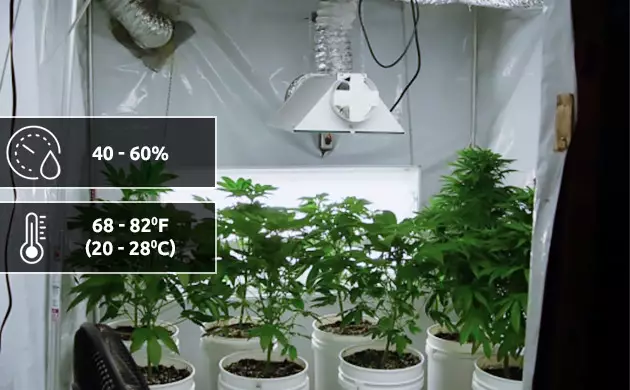
Excess moisture and poor air circulation create the perfect environment for mold and mildew. These fungi can damage your plants and reduce your harvest quality. Keep humidity levels between 40% and 60% and ensure air moves evenly throughout your tent.
Use a dehumidifier if needed, and avoid overwatering your plants. You can also place fans strategically to eliminate stagnant air pockets where mold loves to grow. Have you noticed any musty smells in your grow tent? That’s a red flag signaling mold might be developing.
Monitoring Co2 Levels
CO2 is essential for photosynthesis, but too much or too little can harm your plants. Monitoring CO2 levels helps you maintain the right balance to boost growth without risking suffocation or stunted development. Invest in a reliable CO2 monitor to keep track in real-time.
If your grow tent is sealed tightly, supplemental CO2 may be necessary. However, in tents with constant ventilation, natural CO2 levels often suffice. How often do you check your CO2 levels? Regular monitoring allows you to adjust ventilation or supplementation accordingly.
Optimizing Energy Efficiency
Optimizing energy efficiency in your grow tent ventilation setup not only saves money but also helps maintain a stable environment for your plants. Efficient ventilation reduces unnecessary power consumption while ensuring fresh air circulation. This balance is key to healthy growth and lower electricity bills.
Choosing Energy-efficient Equipment
Select fans and filters that use less power but still provide strong airflow. Look for models labeled as energy-efficient or those with a high CFM (cubic feet per minute) rating relative to their wattage.
For instance, brushless DC fans consume less energy and last longer than traditional AC fans. Investing in energy-saving components may cost more upfront but pays off quickly through reduced electricity use.
Have you checked the energy ratings on your current ventilation equipment? Sometimes upgrading to a more efficient model can cut your power consumption by nearly half.
Scheduling Ventilation Times
Running your ventilation system continuously isn’t always necessary. Use timers or smart plugs to schedule ventilation during peak heat or humidity periods only.
This approach avoids wasting energy when conditions are stable, like during cooler nights. You can also sync ventilation with your grow lights to maximize efficiency.
Try monitoring temperature and humidity patterns for a few days to find the best ventilation schedule. Could a simple adjustment in timing reduce your energy bill without stressing your plants?
Frequently Asked Questions
How Do I Choose The Right Fan For Grow Tent Ventilation?
Select a fan based on tent size and airflow needs. Use an inline fan for efficient air exchange. Check fan CFM rating matches your tent volume for proper ventilation.
What Is The Best Way To Install Grow Tent Vents?
Install intake vents low and exhaust vents high to promote airflow. Use ducting to connect fans and filters. Seal gaps to prevent air leaks and ensure efficient ventilation.
How Often Should I Clean Grow Tent Ventilation Filters?
Clean filters every 2-4 weeks depending on usage. Regular cleaning maintains airflow and removes dust or odors. Replace filters if heavily clogged or damaged for optimal performance.
Can I Use Passive Ventilation In A Grow Tent?
Yes, passive ventilation works in small tents with sufficient airflow. It relies on natural air exchange through vents without fans. However, active ventilation with fans is more effective for larger tents.
Conclusion
Setting up grow tent ventilation keeps your plants healthy and strong. Good airflow controls temperature and humidity well. It helps prevent mold and pests too. Use fans and vents to move air inside. Choose the right size for your tent space.
Check your setup often to keep it working. Proper ventilation makes your grow tent a better place. Start with these simple steps for fresh air flow. Your plants will thank you with better growth and yield.



