

Have you ever wondered how doctors help patients breathe when they can’t do it on their own? Positive Pressure Ventilation is a powerful method that supports breathing in critical moments.
Understanding this technique could make a real difference if you or someone you care about faces breathing difficulties. You’ll discover exactly what Positive Pressure Ventilation is, how it works, and why it’s so important in medical care. Keep reading to learn how this life-saving technology might impact you or your loved ones.

Credit: www.jacc.org
Basics Of Positive Pressure Ventilation
Understanding the basics of positive pressure ventilation (PPV) can change the way you think about breathing support. It’s a method that helps push air into the lungs, making it easier for the patient to get the oxygen they need. Whether you’re a healthcare professional or someone curious about medical technologies, knowing how PPV works and the different types can be very useful.
How It Works
Positive pressure ventilation works by increasing the air pressure in the lungs. Instead of air flowing naturally in due to a vacuum created by your diaphragm, a machine or device actively pushes air inside. This helps keep the airways open and ensures oxygen reaches the lungs effectively.
Imagine if your lungs were like balloons that have trouble inflating on their own. PPV acts like a gentle hand, helping those balloons fill with air. The pressure is carefully controlled to avoid causing any damage.
Types Of Positive Pressure Ventilation
There are several types of PPV, each designed for different needs and situations. Here are some common ones:
- Continuous Positive Airway Pressure (CPAP):Delivers a steady stream of air to keep airways open, often used in sleep apnea and mild respiratory distress.
- Bi-level Positive Airway Pressure (BiPAP):Provides two levels of pressure—higher when you breathe in and lower when you breathe out, offering more support than CPAP.
- Mechanical Ventilation:Used in hospitals, this involves machines that fully or partially take over the breathing process for patients who cannot breathe adequately on their own.
Have you ever wondered how these machines adjust to your breathing needs? The answer lies in their ability to sense and respond to your breath patterns, making the process more comfortable and effective.
Medical Uses
Positive Pressure Ventilation (PPV) is widely used in medicine to help patients breathe. It delivers air into the lungs using controlled pressure. This technique supports patients who cannot breathe well on their own. PPV plays a crucial role in many medical settings, improving oxygen levels and reducing breathing effort.
Respiratory Failure Support
PPV helps patients suffering from respiratory failure. It ensures enough oxygen reaches the lungs. It also removes carbon dioxide effectively. Patients with diseases like COPD or pneumonia benefit greatly. PPV reduces the work of breathing. This support can be lifesaving during severe lung problems.
Anesthesia Applications
During surgery, PPV keeps patients breathing safely under anesthesia. It controls airflow and oxygen delivery. This prevents lung collapse and maintains stable breathing. Anesthesiologists rely on PPV to manage patients’ airways. It allows surgeons to perform procedures without breathing interruptions.
Emergency Situations
In emergencies, PPV provides quick breathing support. It is used in cases of trauma, cardiac arrest, or overdose. Emergency responders use devices like bag-valve masks. PPV stabilizes breathing until advanced care arrives. Early use improves survival and patient outcomes.
Equipment And Devices
Positive Pressure Ventilation relies heavily on the right equipment and devices to deliver effective respiratory support. Understanding these tools can help you better grasp how ventilation works and why certain setups are chosen for different situations. Let’s take a closer look at the essential equipment involved.
Ventilators And Settings
Ventilators are the core machines that push air into the lungs under positive pressure. They come with various settings that control how much air is delivered, at what pressure, and how often. You can adjust parameters like tidal volume, respiratory rate, and inspiratory pressure to match the patient’s needs precisely.
Have you ever wondered why one ventilator setting works well for one person but not for another? That’s because every lung condition demands a tailored approach. Modern ventilators also offer modes such as volume-controlled or pressure-controlled ventilation to give healthcare providers flexibility.
Masks And Tubes
Masks and tubes serve as the connection between the ventilator and the patient’s airway. Masks can be full-face, nasal, or oral, depending on comfort and the required level of support. Tubes, like endotracheal or tracheostomy tubes, provide a more direct airway for serious cases.
Choosing the right mask or tube is crucial for comfort and effectiveness. Have you ever noticed how a poorly fitting mask can cause leaks or skin irritation? That’s why proper sizing and placement matter as much as the ventilator settings themselves.

Credit: www.jacc.org
Benefits And Risks
Positive Pressure Ventilation (PPV) can be a lifesaver, but it’s important to understand both its benefits and risks. Knowing what to expect helps you make informed decisions about treatment options. Let’s break down how PPV affects patients and what potential complications might arise.
Advantages For Patients
PPV helps improve oxygen delivery to your lungs by pushing air directly into the airways. This is especially crucial if you’re struggling to breathe due to conditions like pneumonia or chronic obstructive pulmonary disease (COPD).
It can reduce the work your respiratory muscles need to do, giving your body a chance to rest and recover. Many patients notice quicker relief from breathlessness and improved energy levels shortly after starting PPV.
Another benefit is that PPV supports better carbon dioxide removal, which helps balance your blood’s pH levels. This can prevent complications related to acid buildup, such as confusion or fatigue.
Potential Complications
Despite its advantages, PPV isn’t without risks. One common issue is lung injury caused by too much pressure, which can lead to inflammation or even collapse of lung tissue.
Infections can occur if ventilator equipment isn’t properly cleaned or if secretions build up in your airways. You might also experience discomfort or dryness in your mouth and throat from the airflow.
Some patients report feeling anxious or claustrophobic while on PPV. It’s important to communicate these feelings to your healthcare team so they can adjust settings or provide support.
Have you ever wondered how these risks compare to the benefits in your specific situation? Discussing this openly with your doctor can help tailor the treatment to your needs.
Monitoring And Management
Monitoring and managing positive pressure ventilation (PPV) is crucial to ensure the patient receives the right amount of support without causing harm. Careful observation allows you to catch any issues early and adjust settings to match the patient’s changing needs. This ongoing process can make a significant difference in outcomes.
Key Parameters To Watch
Keep a close eye on tidal volume, which is the amount of air delivered with each breath. Too much can damage the lungs, while too little won’t support breathing adequately.
Monitor airway pressure to avoid excessive force that could cause injury. Watch for peak inspiratory pressure and plateau pressure values.
Check oxygen saturation levels continuously to ensure the patient is receiving enough oxygen. If these values drop, it signals the need for immediate intervention.
Respiratory rate and patient comfort are also important. If the patient seems distressed or the rate is irregular, adjustments may be necessary.
Adjusting Ventilation
Adjusting ventilation means fine-tuning the machine based on the patient’s response. If oxygen levels are low, you might increase the oxygen concentration or tidal volume.
Reducing pressures can help if you notice signs of lung overdistension. Sometimes, lowering the respiratory rate can improve patient comfort without sacrificing support.
Always communicate changes clearly with your medical team and document every adjustment. Remember, small changes can have big effects.
What signs do you look for to decide if ventilation settings need tweaking? Staying proactive can prevent complications and improve recovery.
Future Trends
Positive pressure ventilation helps push air into the lungs to support breathing. Advances focus on making devices smaller and more comfortable for patients. This technology plays a key role in treating respiratory issues safely and effectively.
The future of Positive Pressure Ventilation (PPV) is bright, with exciting developments on the horizon. As technology evolves, PPV systems are becoming more sophisticated, promising to transform patient care. Let’s explore the future trends shaping this critical aspect of respiratory support.Technological Advances
The integration of artificial intelligence (AI) and machine learning is set to revolutionize PPV systems. Imagine a system that learns from each breath, adjusting settings in real-time to optimize patient comfort and efficiency. This isn’t science fiction; it’s becoming a reality as researchers develop AI-driven ventilators that adapt to patients’ changing needs. Wearable technology is another exciting frontier. Lightweight, portable devices could soon provide PPV support, offering more freedom to patients who require long-term assistance. This could mean the difference between staying home or being confined to a hospital.Improved Patient Outcomes
With advanced technology comes the potential for significantly better patient outcomes. Automated PPV systems can reduce human error, ensuring more consistent and accurate ventilation settings. This precision can lead to quicker recovery times and fewer complications. Improved monitoring capabilities allow healthcare providers to track a patient’s progress in real-time. With detailed data at their fingertips, doctors can make informed decisions faster, tailoring treatments to individual needs. This personalized approach can greatly enhance recovery and overall patient satisfaction. As we look to the future, one question remains: How will these innovations impact your experience with healthcare? The possibilities are endless, and the potential for improved quality of life is immense.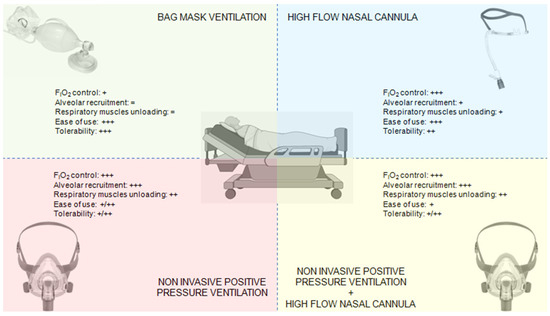
Credit: www.mdpi.com
Frequently Asked Questions
What Is Positive Pressure Ventilation Used For?
Positive pressure ventilation helps deliver air into the lungs. It supports breathing in patients with respiratory failure or distress. This method improves oxygen supply and removes carbon dioxide efficiently. It is commonly used in hospitals and emergency care.
How Does Positive Pressure Ventilation Work?
It pushes air into the lungs using a mechanical device. The air pressure inflates the lungs, allowing gas exchange. This process assists or replaces spontaneous breathing. It helps maintain adequate oxygen and carbon dioxide levels in the blood.
What Are The Types Of Positive Pressure Ventilation?
Common types include invasive and non-invasive ventilation. Invasive ventilation uses an endotracheal tube or tracheostomy. Non-invasive uses masks or nasal devices. Each type suits different patient needs and severity of respiratory issues.
Is Positive Pressure Ventilation Safe For All Patients?
Generally, it is safe when properly monitored. However, risks include lung injury and infection. Medical staff carefully adjust settings to minimize complications. Patient condition and response guide safe ventilation practices.
Conclusion
Positive Pressure Ventilation helps people breathe easier when they cannot do it alone. It pushes air into the lungs using a machine. This method supports breathing in hospitals and emergencies. Understanding how it works can ease worries about its use.
It plays a key role in saving lives and improving health. Always follow medical advice when using this ventilation. Clear knowledge leads to better care and comfort.



