
Have you ever wondered how long someone can stay on a ventilator? Whether it’s for a loved one or out of simple curiosity, understanding the time frame and what it means for recovery is important.
You might think it’s just about machines breathing for you, but there’s much more to it—how your body responds, the risks involved, and what doctors consider when deciding the next steps. Keep reading, because knowing these details can help you feel more confident and prepared if you or someone you care about ever faces this situation.
Credit: www.news18.com
Ventilator Basics
Understanding ventilators is key if you or a loved one ever faces a serious health issue requiring breathing support. A ventilator is a machine designed to help patients breathe when their own lungs can’t do the job effectively. Knowing the basics can ease your concerns and help you ask the right questions during a stressful time.
Purpose Of Mechanical Ventilation
Mechanical ventilation supports or replaces natural breathing. It is commonly used in situations such as severe lung infections, surgery recovery, or respiratory failure. Think of it as a temporary helper that ensures your body gets enough oxygen while your lungs heal.
Sometimes, patients stay on a ventilator for just a few hours during surgery. Other times, it might be days or even weeks if lung function is severely compromised. Have you ever wondered how the medical team decides when to start or stop this support?
Types Of Ventilators
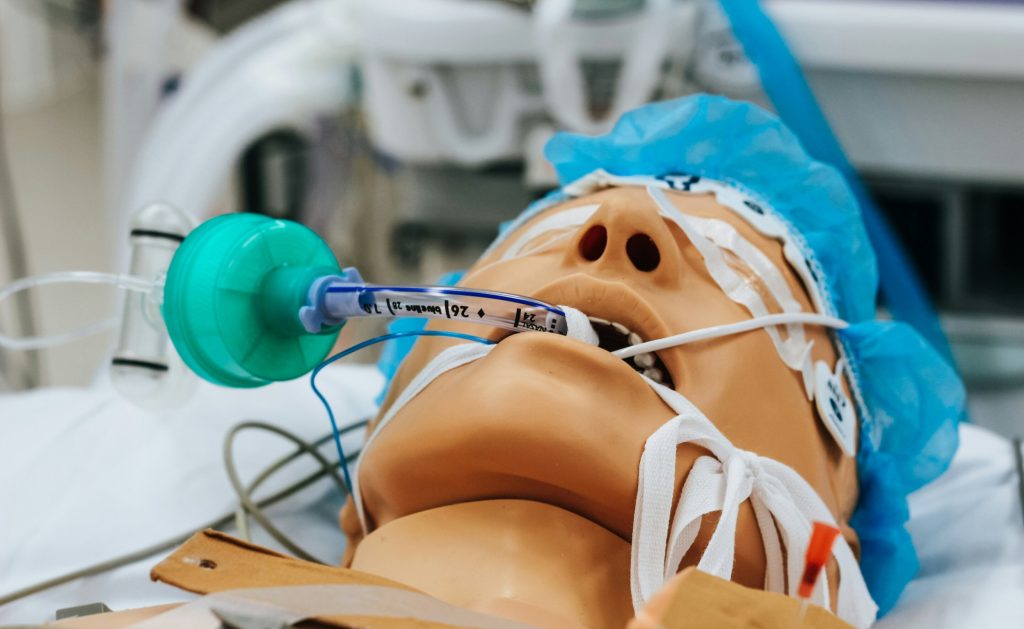
Ventilators come in different forms depending on the patient’s needs. Some use a tube inserted into the windpipe, while others use a mask that fits over the nose and mouth.
- Invasive Ventilators:These require a tube placed in the airway. They offer precise control over breathing but need careful monitoring.
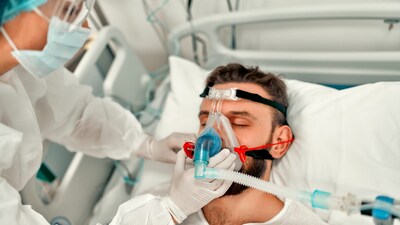
- Non-invasive Ventilators:These use masks and are less intrusive. They are often used when patients need breathing support but can still breathe on their own to some extent.
Choosing the right type depends on how severe the breathing problem is and how long support might be necessary. Imagine needing this machine—how would you feel knowing there are options tailored to your specific condition?

Credit: goodmenproject.com
Factors Affecting Duration
The time a person stays on a ventilator varies greatly. Several factors influence this duration. Understanding these helps families and caregivers prepare better. Doctors assess many details before deciding to remove ventilator support.
Patient’s Medical Condition
The severity of the patient’s illness is key. Patients with severe lung damage need longer ventilator support. Chronic conditions like COPD or heart disease can extend time. Recovery speed depends on how well the body fights illness.
Age And Overall Health
Older patients often take longer to recover. Younger, healthier patients may wean off ventilators faster. Overall health, including nutrition and muscle strength, affects breathing ability. Stronger bodies handle ventilator support with fewer complications.
Type Of Illness Or Injury
Different illnesses require different ventilator times. Pneumonia or COVID-19 patients might need weeks on a ventilator. Trauma patients with chest injuries often recover quicker. Neurological injuries can complicate breathing, increasing ventilator duration.
Typical Ventilation Timeframes
Mechanical ventilation supports breathing for patients who cannot breathe on their own. The time a person stays on a ventilator varies widely. It depends on the illness, recovery speed, and overall health. Understanding typical ventilation timeframes helps set expectations for patients and families.
Ventilation timeframes generally fall into short-term, long-term, and extended use cases. Each category has unique characteristics and challenges. Medical teams choose the best approach based on patient needs and progress.
Short-term Ventilation
Short-term ventilation usually lasts from a few hours to several days. It is common after surgery or during acute illness. Many patients recover quickly and breathe independently soon. The goal is to support breathing only until the body stabilizes.
Long-term Ventilation
Long-term ventilation extends beyond two weeks. It often occurs in patients with chronic lung problems or severe injuries. This phase requires careful monitoring to prevent complications. Doctors may plan gradual weaning off the ventilator during this time.
Extended Use Cases
Extended ventilation can last months or even years in rare cases. Patients with permanent lung damage or neurological conditions may need it. Home ventilators and specialized care help improve quality of life. Family support and medical teams play key roles in managing extended use.
Risks Of Prolonged Ventilation
Prolonged ventilation can lead to complications like lung damage and infections. Patients may face muscle weakness and difficulty in weaning off. Close monitoring is essential to minimize these risks.
Staying on a ventilator for an extended period can save lives, yet it comes with significant risks. Prolonged ventilation may lead to various health challenges that can complicate a patient’s recovery. It’s essential to understand these risks to make informed decisions if you or a loved one ever faces this situation.Lung Damage
Extended use of a ventilator can cause lung damage. The pressure from the machine can lead to a condition known as barotrauma, which is essentially injury to the lung tissues. You may wonder, is the cure worse than the disease? This is a critical question to consider when evaluating the duration of ventilator use.Infections And Complications
Being on a ventilator increases the risk of infections, particularly pneumonia. The longer you remain on the machine, the higher the chance of bacterial infections due to the tube that delivers oxygen directly into your lungs. These infections can complicate recovery and lead to other serious health issues.Muscle Weakness
Did you know that prolonged ventilation can lead to muscle weakness? This happens because the muscles involved in breathing aren’t being used as they normally would. Over time, this disuse can result in a condition known as ICU-acquired weakness, making rehabilitation and recovery more challenging. It’s something to seriously weigh when considering extended ventilator support.Weaning Off The Ventilator
Weaning off the ventilator is a crucial step in a patient’s recovery. It means reducing and stopping the machine that helps with breathing. The process must be done carefully to ensure the patient can breathe independently again. Doctors and nurses watch many signs to decide the right time to begin weaning.
Criteria For Weaning
Several factors show if a patient is ready to wean from the ventilator. These include:
- Stable blood oxygen levels
- Good lung function
- Strong breathing muscles
- Normal heart rate and blood pressure
- Ability to cough and clear secretions
- Alertness and cooperation
Doctors check these signs to avoid problems during the process.
Weaning Methods
Different methods help patients breathe without the ventilator. Common ones are:
- Spontaneous breathing trials – patient breathes alone for short periods
- Pressure support ventilation – machine helps less with each step
- CPAP – continuous positive airway pressure keeps airways open
- Gradual reduction – slowly lowering machine support over days
The choice depends on the patient’s condition and response.
Challenges During Weaning
Weaning is not always easy. Patients may face challenges like:
- Weak breathing muscles causing fatigue
- Fear or anxiety about breathing alone
- Underlying lung or heart problems
- Excess mucus blocking airways
- Infections or other medical issues
Careful monitoring and support help overcome these problems. Sometimes, the process takes days or weeks.
Life After Ventilation
Life after ventilation brings a new set of challenges and changes. Patients often face a long journey to regain strength and normal function. The body needs time to heal from both illness and the effects of mechanical breathing support.
The recovery period varies depending on the illness and ventilation duration. Support from healthcare professionals and loved ones plays a crucial role. Understanding what to expect can help patients and families prepare for the road ahead.
Recovery Process
Recovery begins once the ventilator is removed. Breathing must become natural again without machine help. Many patients feel weak and tired at first. Regaining muscle strength takes time and patience.
- Breathing exercises improve lung capacity.
- Physical activity starts slowly and increases gradually.
- Nutritional support helps rebuild energy.
Doctors monitor lung function and overall health carefully. Some patients may need oxygen therapy during recovery. Emotional support and counseling can ease anxiety and depression.
Rehabilitation Needs
Rehabilitation addresses physical and mental challenges after ventilation. Therapists design programs to restore movement and independence. Many patients require help with daily activities.
- Physical therapy strengthens muscles and joints.
- Occupational therapy improves daily living skills.
- Speech therapy assists if swallowing or talking is difficult.
Rehabilitation may take place in hospitals, clinics, or at home. Regular follow-up ensures progress and adjusts therapy as needed. Family involvement supports motivation and care.
Long-term Health Effects
Some effects of ventilation last beyond the hospital stay. Lung function may remain reduced for months or longer. Muscle weakness and fatigue can persist.
- Chronic respiratory problems may develop.
- Psychological effects like PTSD or anxiety are common.
- Swallowing difficulties can cause nutrition problems.
Regular medical check-ups help manage ongoing health issues. Early detection of complications improves outcomes. A healthy lifestyle supports recovery and wellbeing.
Advances In Ventilator Technology
Ventilator technology has come a long way, changing how patients receive respiratory support. These advances not only improve the quality of care but also impact how long someone can safely stay on a ventilator. Understanding these innovations can give you a clearer picture of what to expect and how recovery might be managed.
Improved Monitoring Systems
Modern ventilators come with advanced monitoring tools that track a patient’s breathing patterns, oxygen levels, and lung pressures in real-time. This continuous feedback allows healthcare providers to adjust settings quickly, reducing risks of lung injury or complications.
Imagine a ventilator that alerts staff the moment a patient’s breathing changes, enabling immediate intervention. This level of precision helps avoid prolonged ventilation when it’s no longer needed, potentially shortening the time someone stays on the machine.
Have you considered how constant monitoring might ease your or a loved one’s anxiety during ventilation? Knowing that the machine adapts to every breath can be reassuring and improve overall care outcomes.
Non-invasive Ventilation Options
Non-invasive ventilation (NIV) uses masks or nasal devices instead of tubes inserted into the windpipe. This method lowers infection risks and makes it easier for patients to communicate and eat.
NIV can sometimes prevent the need for full mechanical ventilation or reduce its duration. Patients often find this option more comfortable and less intimidating, which can positively affect recovery.
Think about the difference it would make if you or someone you care for could avoid the discomfort of invasive tubes. Could non-invasive options change your perspective on ventilator use and recovery timelines?

Credit: www.lhscri.ca
Frequently Asked Questions
How Long Can A Patient Stay On A Ventilator Safely?
A patient can stay on a ventilator from a few days to several weeks. Duration depends on illness severity, lung recovery, and overall health. Prolonged ventilation may increase risks like infections or lung damage. Doctors regularly assess and aim to wean patients off as soon as possible.
What Factors Affect Ventilator Duration For Patients?
Ventilator duration depends on factors like the patient’s underlying condition, age, lung function, and response to treatment. Severe respiratory failure or complications can extend the need for ventilation. Timely medical interventions and rehabilitation also influence how long someone stays on a ventilator.
Can Someone Live Long-term On A Ventilator?
Long-term ventilator support is possible but uncommon outside intensive care. Some patients require prolonged ventilation due to chronic respiratory failure. Home ventilator care exists but needs specialized equipment and caregivers. Quality of life and health risks must be carefully considered in these cases.
What Are The Risks Of Staying On A Ventilator Too Long?
Prolonged ventilation can lead to lung infections, muscle weakness, and airway damage. It also increases the risk of pneumonia and ventilator-associated lung injury. Doctors monitor patients closely to minimize these risks and decide when to reduce ventilator support safely.
Conclusion
Time on a ventilator varies for each person. Some need it only a few days. Others may require weeks or even longer. Doctors watch patients closely to decide when to stop. Recovery depends on health, illness, and treatment. Ventilators help people breathe when they cannot do it alone.
They give the body a chance to heal. Staying informed helps families understand this process better. Every patient’s journey is different and needs care. Patience and support play a big role in recovery.



