

Are you curious about how long HVAC school really takes? If you’re thinking about starting a career in heating, ventilation, and air conditioning, knowing the time commitment is key.
You want to plan your future wisely and avoid surprises. You’ll discover exactly how much time you need to invest to get trained, certified, and ready to work. Keep reading to find out the simple steps and timelines that will help you move closer to your new career faster than you might expect.
Credit: www.skilledtradescollege.ca
Hvac School Duration
The duration of HVAC school varies widely depending on the type of program you choose and your career goals. Understanding how long these programs take helps you plan your education and entry into the HVAC field effectively.
Typical Program Lengths
Most HVAC training programs last between 6 months and 2 years. Certificate programs typically take about 6 to 12 months to complete, focusing on essential skills. Associate degree programs usually require 2 years, combining hands-on training with general education courses.
Some accelerated courses can shorten this time, allowing you to start working sooner. However, longer programs often provide a deeper understanding and more job opportunities. How much time can you realistically dedicate to training right now?
Factors Influencing Duration
Your program length can be affected by several factors:
- Full-time vs. Part-time study:Part-time students take longer to finish their coursework.
- Hands-on training requirements:Some schools include extensive apprenticeships or lab work that extend the timeline.
- Prior experience:If you already have some HVAC knowledge, you might complete the program faster.
For example, balancing work and school may stretch your training over more months. Think about your current schedule and how much time you can commit weekly to your education.
Certificate Vs Degree Programs
Certificate programs are designed to teach you the practical skills needed for entry-level HVAC jobs quickly. They often focus on installation, maintenance, and repair without general education courses.
Degree programs, like an associate degree, include broader studies such as math, physics, and communication, which can prepare you for supervisory roles. While they take longer, degrees may open doors to better pay and career advancement.
Would a faster certificate program meet your immediate needs, or would investing more time in a degree give you a stronger foundation for the future?

Credit: www.youtube.com
Curriculum And Training
Understanding the curriculum and training in HVAC school is key to knowing how long it will take to become a skilled technician. The courses are designed to build your knowledge step-by-step while giving you practical skills you will use every day on the job. The balance between theory and hands-on learning affects not only your timeline but also how confident you feel once you graduate.
Core Hvac Subjects
Your classes will cover essential topics that form the foundation of HVAC work. Expect to study:
- Heating and cooling systems fundamentals
- Electrical circuits and wiring
- Refrigeration principles
- Airflow and ventilation
- System installation and maintenance
Each subject builds your understanding of how systems operate and how to troubleshoot issues. Think about how knowing electrical circuits helped me fix a tricky wiring problem during my internship—without that knowledge, I would have been stuck.
Hands-on Experience
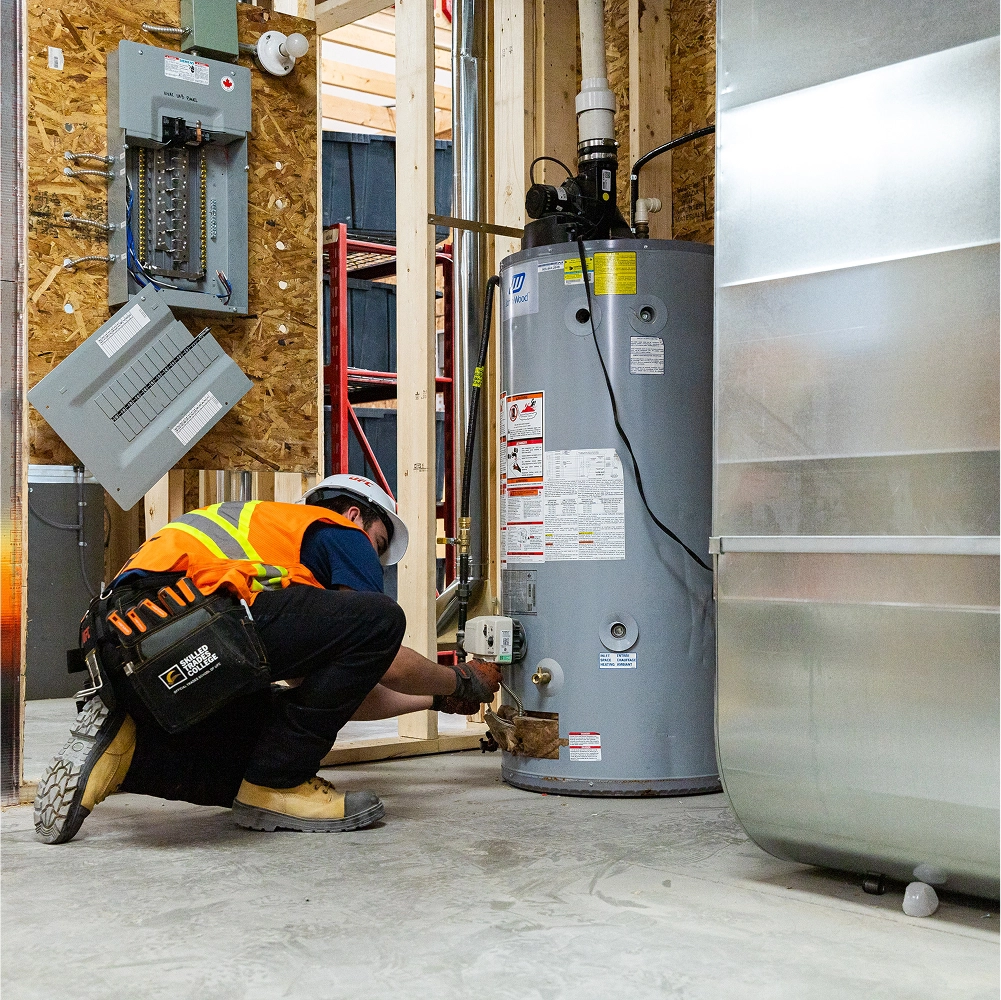
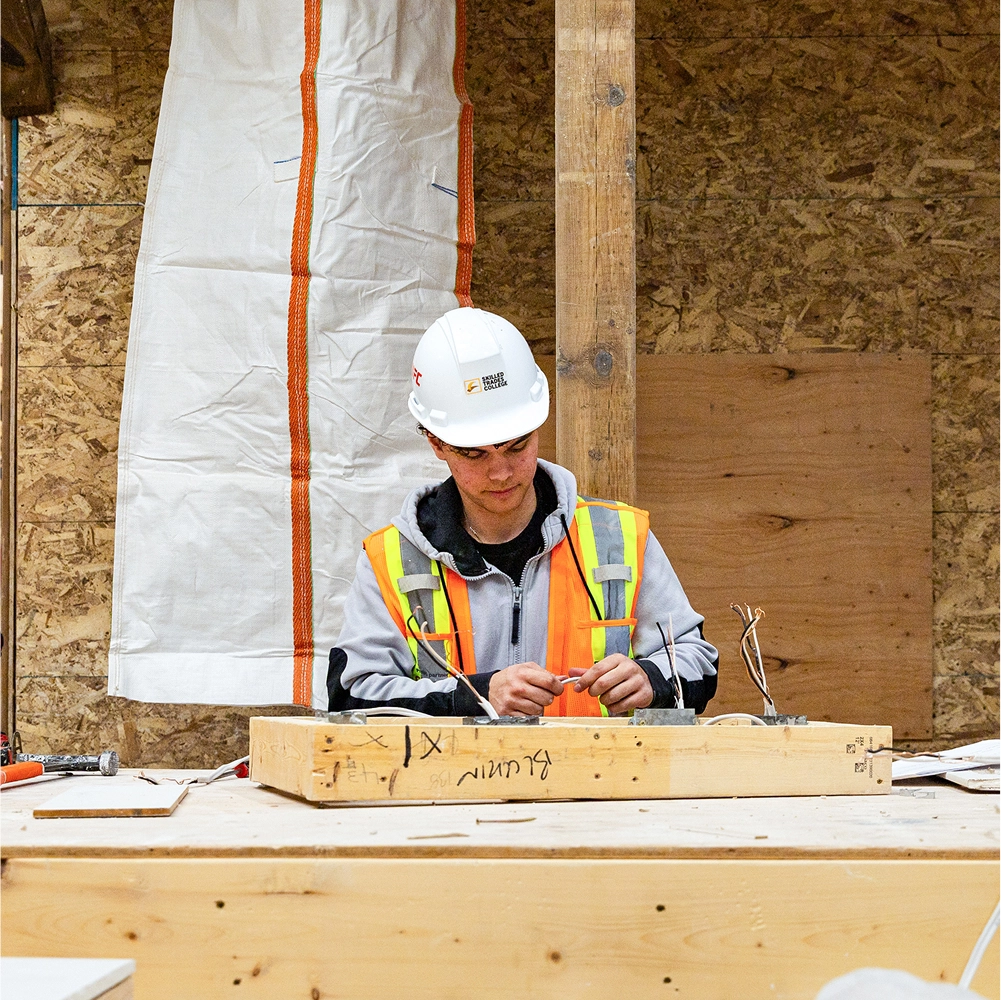
Practical training is a huge part of HVAC education. You’ll spend time working directly with tools and equipment, learning to install, repair, and maintain HVAC systems. This real-world practice is what transforms theory into skill.
Training labs and internships let you handle tasks like:
- Installing ductwork and piping
- Charging refrigeration systems
- Testing electrical components
- Performing routine maintenance checks
Do you learn better by doing? If so, the hands-on part will be your favorite—and the most valuable.
Online Vs In-person Classes
Choosing between online and in-person classes can affect how long your HVAC training takes. Online courses offer flexibility, letting you study at your own pace. However, not all online programs provide the same level of hands-on training.
In-person classes usually include more direct access to equipment and instructors. You get immediate feedback and the chance to practice skills under supervision. Ask yourself: How important is face-to-face interaction to your learning style? This choice could impact how quickly and effectively you master the material.
Certification And Licensing
Certification and licensing are crucial parts of HVAC training. They prove your skills and allow you to work legally in many areas. Most employers want technicians with proper certification and licenses. These credentials show that you can handle HVAC systems safely and effectively.
Certification exams test your knowledge of HVAC principles, safety, and local codes. Licensing often depends on your state’s rules and may require passing certain exams. Understanding the certification and licensing process helps you plan your HVAC education timeline.
Common Hvac Certifications
- EPA Section 608 Certification – Required to handle refrigerants safely.
- NATE Certification – Recognized nationwide for HVAC technicians.
- HVAC Excellence Certification – Focuses on core skills and advanced knowledge.
- RSES Certification – Offers specialized HVAC and refrigeration credentials.
State Licensing Requirements
States set their own rules for HVAC licensing. Some require a license to work independently. Others allow work under a licensed contractor. Most states need proof of experience and exam completion. Check local laws to know exact requirements.
Preparing For Certification Exams
Study the key topics in HVAC technology and safety. Use practice tests to build confidence. Focus on areas like electrical systems, refrigeration, and heating. Many schools offer prep courses to improve exam success. Plan study time well before the test date.
Credit: www.skilledtradescollege.ca
Career Path And Advancement
Embarking on a career in HVAC can lead to numerous opportunities. The field offers a variety of paths for growth and advancement. Whether starting fresh or looking to climb the ladder, understanding the career path is crucial.
Entry-level Job Opportunities
After completing HVAC school, several entry-level roles await you. Positions include HVAC technician, installer, or service apprentice. These roles provide hands-on experience and a solid foundation.
Entry-level jobs offer exposure to different systems and technologies. They are essential stepping stones in your HVAC career.
Skills For Success
To succeed in HVAC, certain skills are vital. Technical skills are paramount, including understanding heating and cooling systems. Problem-solving abilities help diagnose and fix issues efficiently.
Good communication skills enhance customer interactions. Attention to detail ensures precise work and safety. Adaptability is crucial due to evolving technologies and methods.
Continuing Education Options
Learning in HVAC doesn’t stop after school. Continuing education is key to advancement. Many professionals pursue certifications to specialize in areas like refrigeration or green technology.
Workshops and online courses keep you updated on industry trends. These opportunities can lead to promotions and higher salaries. Always be open to learning and growing in your HVAC journey.
Choosing The Right Hvac School
Choosing the right HVAC school shapes your career path. The right choice offers quality training and good job chances. Several factors affect your decision. Focus on school accreditation, costs, and reputation. These points guide you to a smart choice.
Accreditation Importance
Accreditation shows a school meets industry standards. It ensures your training is reliable and recognized. Employers trust graduates from accredited programs. Accreditation also helps with financial aid options. Always pick an accredited HVAC school for better opportunities.
Cost And Financial Aid
Cost matters for most students. Tuition varies widely between schools. Consider total expenses like books and tools. Financial aid can reduce costs. Look for schools offering scholarships, grants, or payment plans. This support makes education more affordable.
School Reputation And Reviews
Reputation reflects a school’s quality and success. Check online reviews from past students. Positive feedback often means good instructors and helpful staff. Talk to alumni about their experiences. A strong reputation signals a valuable education.
Frequently Asked Questions
How Long Does Hvac School Usually Take?
HVAC school typically lasts between 6 months to 2 years. The duration depends on the program type and depth of training. Certificate programs are shorter, while associate degrees take longer.
What Factors Affect Hvac School Duration?
Program type, course intensity, and part-time or full-time enrollment affect HVAC school length. Hands-on training and internships may also extend the program duration.
Can Hvac Training Be Completed Online?
Yes, many HVAC programs offer online courses. However, practical hands-on training is essential and often requires in-person attendance for skill development.
Is Hvac School Duration Different By State?
Yes, state regulations and licensing requirements can influence HVAC school length. Some states require specific training hours or certifications that may extend study time.
Conclusion
HVAC school usually takes six months to two years to finish. The length depends on the program and your goals. Short courses teach basic skills fast. Longer programs offer more training and certification. This helps you find better jobs later.
Hands-on practice is important to learn well. Choose a school that fits your schedule and budget. Starting HVAC school is a good step toward a steady career. It takes effort, but the time you spend pays off. Ready to begin?



