
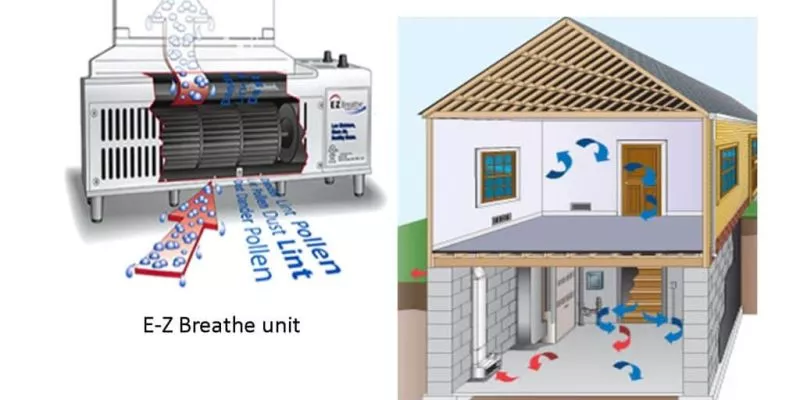
Are you living in a house without an air conditioning system and wondering if ventilation really matters? You might think that without AC, fresh air isn’t a priority.
But what if the right ventilation could make your home feel more comfortable, healthier, and even save you money? You’ll discover why ventilation is crucial for houses without AC, how it impacts your daily life, and simple ways to keep your home fresh all year round.
Keep reading to find out how to breathe easier and live better without relying on air conditioning.
Credit: www.jlconline.com
Why Ventilation Matters
Ventilation plays a crucial role in homes without an AC system. It keeps your living space comfortable and safe in ways you might not immediately notice. Without proper airflow, problems can quietly build up, affecting both your comfort and health.
Air Quality And Health
Good ventilation helps remove indoor pollutants like dust, smoke, and allergens. Without it, these particles settle and reduce the air quality around you. Have you ever felt tired or had headaches inside your home? Poor air quality could be the reason.
Bringing fresh air in and pushing stale air out keeps your lungs happy and reduces the risk of respiratory issues. This is especially important if you have pets or family members with allergies or asthma. Ventilation acts like a natural air filter for your home.
Moisture Control
Moisture can build up quickly inside a house, especially in kitchens and bathrooms. Without ventilation, this moisture can lead to mold and mildew, damaging your walls and furniture. Have you noticed musty smells or water stains around your home? These signs point to moisture problems.
Ventilation helps keep humidity levels balanced by letting damp air escape. This protects your home structure and prevents health risks related to mold growth. Simple solutions like opening windows or installing vents can make a big difference.
Temperature Regulation
Ventilation also plays a key role in managing indoor temperatures naturally. Even without AC, airflow helps reduce heat buildup during warm days. You can feel the difference when a breeze flows through a well-ventilated room.
At night, cooler air can replace warmer air inside, making your home more comfortable without extra energy use. Have you ever noticed how a fan or open window can make a room feel cooler? That’s ventilation working for you.
Challenges Without Ac
Living in a house without an AC system presents unique challenges that often go unnoticed until discomfort sets in. You might think that simply opening a window is enough, but without proper ventilation, your home can quickly become a trap for heat, moisture, and stale air. Understanding these issues helps you take the right steps to keep your living space healthy and comfortable.
Heat Buildup
Heat tends to accumulate in homes without air conditioning, especially during hot days. Without a mechanical system to push warm air out and bring cooler air in, rooms can become uncomfortably hot and stuffy. You might notice the temperature rising rapidly in spaces that get a lot of sun, making it hard to relax or sleep.
Have you ever stayed in a room where the heat felt like it was pressing down on you? That’s heat buildup at work. It’s not just uncomfortable—it can affect your energy and mood.
Humidity Issues
Humidity is another common problem. Moisture from cooking, showering, and even breathing can linger when there’s no AC to help control indoor air quality. High humidity makes your home feel hotter than it actually is and can lead to dampness or even mold growth.
Think about the last time you felt sticky and sweaty inside your home, even though the temperature wasn’t extreme. That’s your body reacting to excess moisture in the air. Managing humidity without AC means you need to find ways to remove moisture, like using exhaust fans or dehumidifiers.
Stale Air Problems
Without proper ventilation, the air inside your home can become stale quickly. This means you’re breathing in the same air over and over, which can cause headaches, allergies, or just a general feeling of discomfort. Stale air also traps odors and indoor pollutants, making the environment less pleasant.
Do you notice a musty smell or feel drowsy in certain rooms? That might be a sign your home isn’t getting enough fresh air. Simple actions like opening windows at the right time or adding vents can help refresh your indoor air and improve your well-being.
Types Of Ventilation Systems
Ventilation is essential for homes without air conditioning systems. It helps keep the air fresh and controls moisture and odors. Different types of ventilation systems exist, each with unique features and benefits. Understanding these types can help improve indoor air quality and comfort.
Natural Ventilation
Natural ventilation uses windows, doors, and vents to allow fresh air inside. It relies on wind and temperature differences to move air through the house. This method is simple and saves energy. It works best in mild climates and during cooler seasons. Cross-ventilation, opening windows on opposite sides, enhances airflow.
Mechanical Ventilation
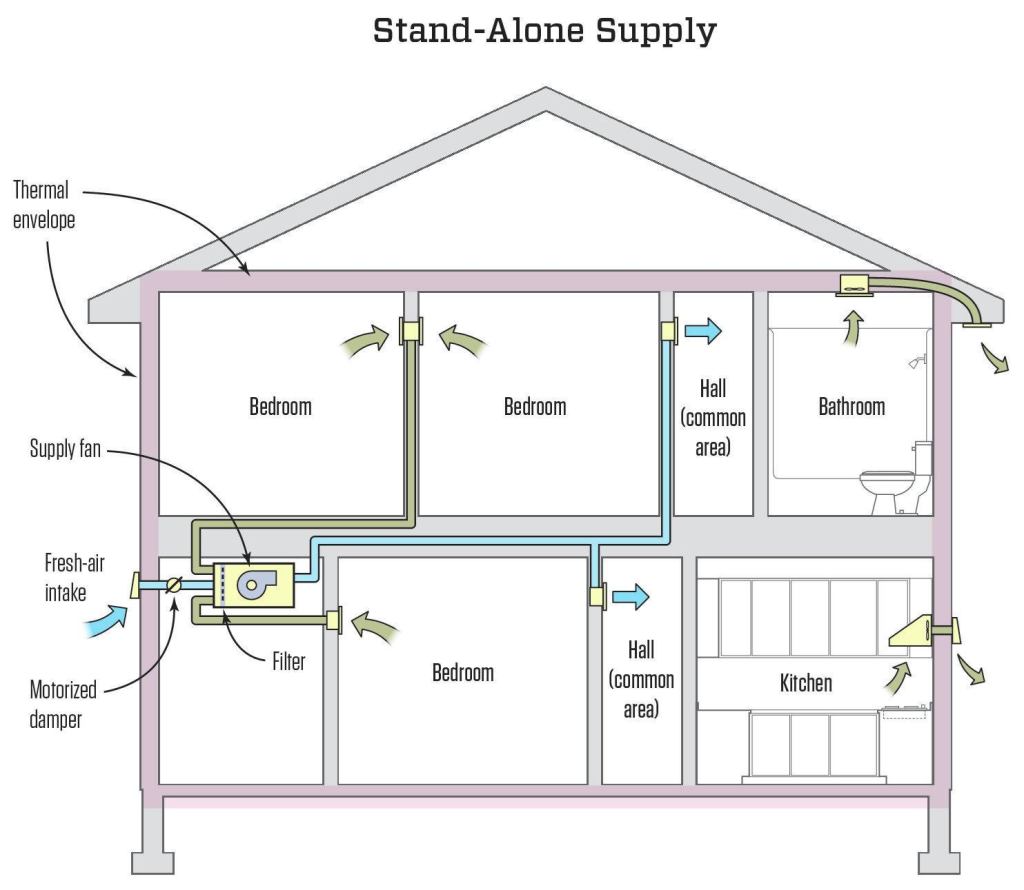
Mechanical ventilation uses fans and ducts to move air. It can bring fresh air in or push stale air out. This system works well in tightly sealed homes. It controls humidity and reduces indoor pollutants. Common types include exhaust fans, supply fans, and balanced systems with both functions.
Hybrid Approaches
Hybrid ventilation combines natural and mechanical methods. It uses natural airflow when conditions are good. Mechanical systems activate when natural ventilation is insufficient. This approach saves energy while maintaining good air quality. It adapts to changing weather and indoor needs.

Credit: www.achrnews.com
Ventilation Solutions For Different Climates
Houses without air conditioning still need good ventilation to keep air fresh and reduce moisture. Different climates require different ventilation methods to maintain comfort and prevent mold. Proper airflow helps control temperature naturally and keeps indoor air healthy.
Ventilation Solutions for Different Climates Proper ventilation is essential for homes without an AC system. Different climates require specific solutions to maintain air quality and comfort. Let’s explore ventilation strategies for various regions.Hot And Humid Areas
Homes in hot, humid areas need good airflow. Ceiling fans are a great choice. They circulate air and create a cooling effect. Install exhaust fans in kitchens and bathrooms. These fans remove moisture and odors. Keep windows open during cooler parts of the day. This helps refresh indoor air. Consider using dehumidifiers. They reduce indoor moisture levels. This makes the home more comfortable.Cold And Dry Regions
Ventilation in cold, dry regions focuses on heat retention. Seal windows and doors to prevent drafts. Use heat recovery ventilators (HRVs). They exchange stale air with fresh air while conserving heat. Install humidifiers to add moisture to dry air. This improves indoor comfort. Ensure proper insulation to maintain warmth.Temperate Zones
Homes in temperate zones need balanced ventilation. Open windows during mild weather for natural airflow. Use exhaust fans in high-moisture areas like bathrooms and kitchens. Consider installing an energy recovery ventilator (ERV). It provides fresh air while balancing humidity. Regularly clean and maintain ventilation systems. This ensures optimal performance. Each climate demands unique ventilation strategies. Choosing the right solution enhances comfort and air quality.Practical Tips For Homeowners
Living in a house without an AC system means you need to be extra mindful about how air moves through your home. Proper ventilation keeps your space comfortable and reduces humidity, which can prevent mold and musty smells. Here are some practical tips you can start using today to improve airflow and keep your home fresh.
Window Placement And Usage
Think about where your windows are placed and how you use them. Windows on opposite sides of a room or house create a natural breeze, pulling fresh air in and pushing stale air out.
Try opening windows during cooler parts of the day, like early morning or late evening, to let in fresh air without overheating your home. You might find that adjusting which windows you open at different times can make a big difference in airflow.
Have you noticed how a small change in window position can cool down a room? Experiment with opening windows partially or fully to find what works best for your space.
Using Fans Effectively
Fans are your best friends without AC. Ceiling fans, box fans, or even small portable fans can push air around and create a cooling effect on your skin.
Place fans near windows to help pull in fresh air or push hot air outside. You can also use fans in a “push-pull” setup, where one fan blows air in and another pushes air out, creating a continuous airflow cycle.
Have you tried facing your fan towards a window at night? It can bring in cooler outside air and help you sleep better.
Maintaining Ventilation Systems
If your home has vents or exhaust fans, keeping them clean and in good shape is key. Dust and debris can block airflow, making your ventilation less effective.
Check vents regularly and clean or replace filters as needed. This small effort can noticeably improve how air moves through your home.
Consider installing vent covers that keep bugs and dirt out but don’t block airflow. Have you checked your exhaust fans in bathrooms and kitchens lately? A quick inspection could improve your home’s air quality significantly.
Credit: journal.firsttuesday.us
Energy Efficiency And Ventilation
Energy efficiency and ventilation go hand in hand, especially in homes without an AC system. Proper ventilation can help regulate indoor temperatures naturally, reducing the need for extra energy use. But how do you balance keeping fresh air flowing without wasting energy?
Balancing Airflow And Energy Use
Too much ventilation can cause your home to lose heat in winter or cool air in summer, leading to higher energy bills. On the other hand, poor airflow can trap moisture and stale air, making your home uncomfortable and unhealthy.
Think about opening windows strategically—just enough to refresh the air without creating drafts. Using adjustable vents or ceiling fans can also help you control airflow efficiently. Are you monitoring your home’s airflow regularly to find this balance?
Insulation And Ventilation Synergy
Good insulation works best when paired with proper ventilation. Insulation keeps your home’s temperature stable, while ventilation removes excess moisture and pollutants. Together, they create a comfortable environment without overworking your heating or cooling systems.
For example, sealing gaps and adding insulation in the attic prevents heat loss, but without ventilation, moisture can build up and cause damage. Installing vents or an energy recovery ventilator can solve this problem, keeping your home both energy-efficient and fresh.
Frequently Asked Questions
Why Do Houses Without Ac Need Ventilation?
Houses without AC require ventilation to maintain fresh air flow. Proper ventilation prevents moisture buildup, reduces indoor pollutants, and controls temperature naturally. It improves indoor air quality and comfort, making living spaces healthier and more pleasant.
How Does Ventilation Help In Homes Without Air Conditioning?
Ventilation removes stale air and brings in fresh air, reducing humidity and odors. It helps regulate indoor temperature by allowing heat to escape. This natural airflow prevents mold growth and keeps the house comfortable without relying on AC systems.
What Are Common Ventilation Methods For Houses Without Ac?
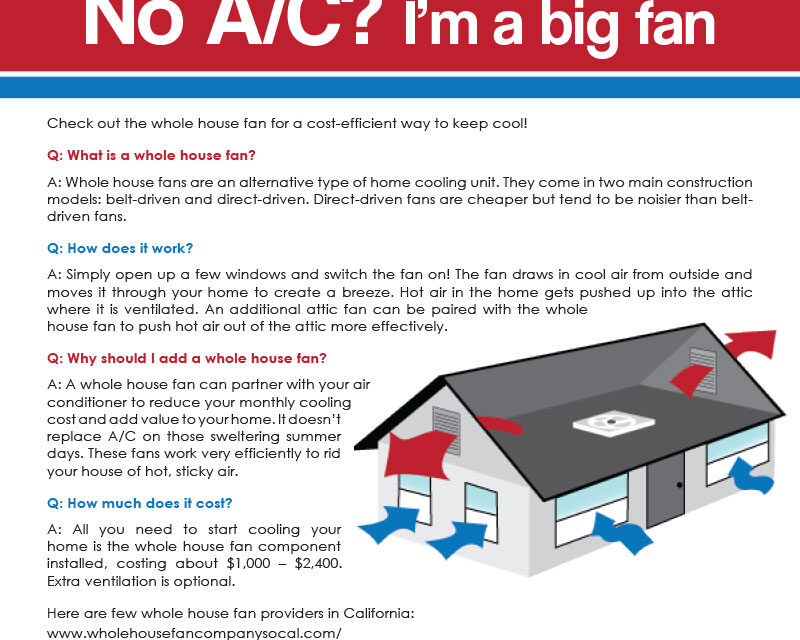
Common methods include opening windows, using vents, and installing exhaust fans. Cross ventilation, where air flows through opposite sides, is effective. Roof vents and attic fans also help remove hot air, ensuring continuous airflow in homes without air conditioning.
Can Ventilation Replace Air Conditioning In Hot Climates?
Ventilation alone may not fully replace air conditioning in very hot climates. However, it significantly improves comfort by reducing heat buildup and humidity. Combining ventilation with shading and insulation can make homes cooler and reduce reliance on AC systems.
Conclusion
Houses without AC still need good ventilation for fresh air. Ventilation helps remove moisture and keeps rooms comfortable. It stops mold and bad smells from building up. Simple methods like windows and vents work well. Proper airflow keeps everyone healthier inside the home.
Don’t ignore ventilation even if there is no air conditioning. It plays a key role in making homes safe and pleasant. Remember, fresh air matters as much as cool air. Good ventilation supports a happy, healthy living space.



