
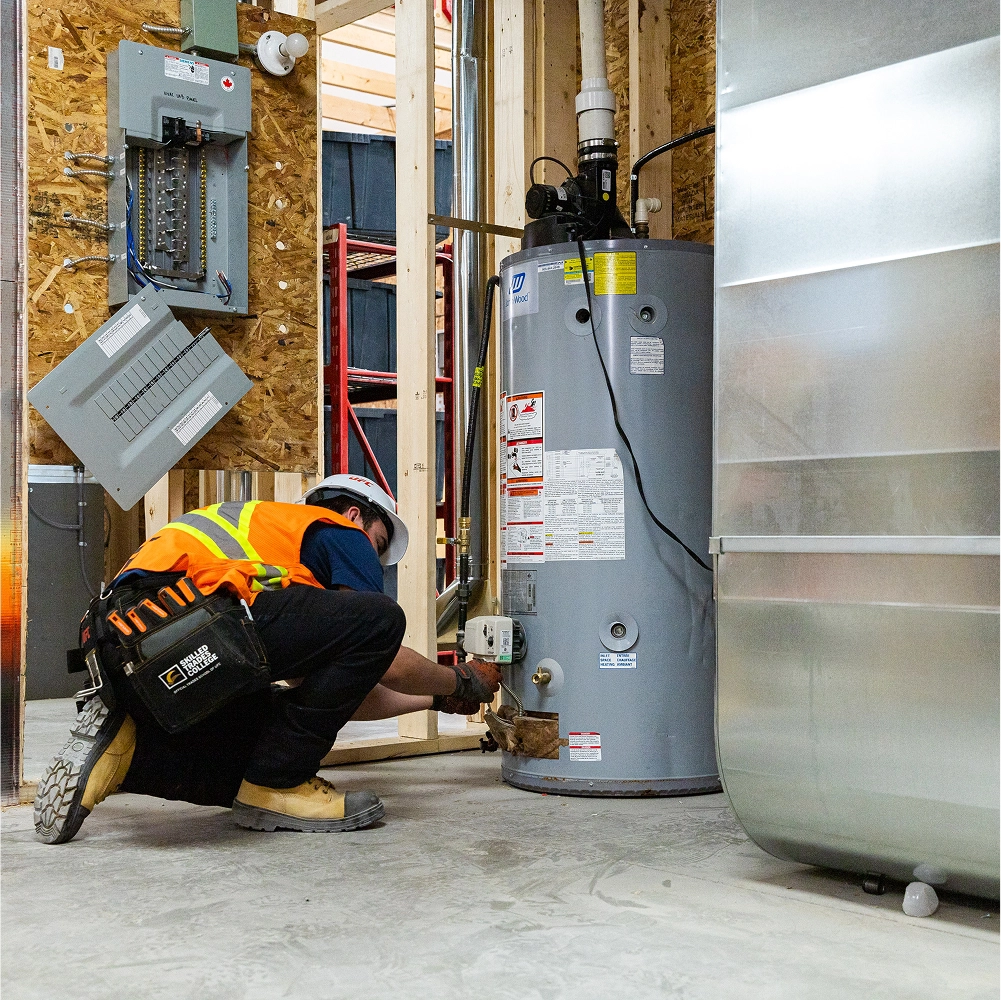
Are you curious about how to become a refrigeration technician? Imagine having the skills to fix air conditioners, refrigerators, and cooling systems that keep homes and businesses comfortable every day.
This career offers steady work, good pay, and the chance to learn hands-on skills. Whether you’re starting fresh or thinking about a career change, this guide will show you exactly what steps to take. Keep reading, and you’ll discover how to turn your interest into a rewarding job that keeps things cool—literally.

Credit: acecollegecanada.com
Career Path Overview
The career path of a refrigeration technician offers a solid foundation in a skilled trade. This job involves installing, maintaining, and repairing cooling systems. Many find this career satisfying due to its hands-on nature and steady demand.
Technicians learn through technical schools, apprenticeships, or on-the-job training. Advancement often comes with experience and additional certifications. Understanding the industry and job outlook helps guide career choices in this field.
Role Of A Refrigeration Technician
Refrigeration technicians work on cooling systems in homes, businesses, and factories. They install new equipment and fix broken units. Regular maintenance checks keep systems running efficiently. They also troubleshoot electrical and mechanical issues.
Technicians use tools to measure temperature, pressure, and electrical currents. Safety is a key part of their work. Clear communication with clients and team members is essential.
Industry Sectors
Refrigeration technicians work in various industries. Common sectors include:
- Commercial refrigeration for supermarkets and restaurants
- Industrial refrigeration in food processing plants
- HVAC services for heating and cooling systems
- Marine refrigeration on ships and boats
Each sector requires specific knowledge and skills. Some technicians specialize in one area for career growth.
Job Outlook And Demand
The demand for refrigeration technicians remains steady. Growing industries and new technologies drive job opportunities. Energy-efficient systems require skilled technicians to install and maintain them.
Technicians with certifications and experience have better job prospects. Many jobs offer good wages and benefits. The need for technicians is expected to continue rising over the next decade.
Essential Skills And Qualities
Becoming a refrigeration technician requires more than just knowing how to fix cooling systems. You need a combination of skills and qualities that prepare you for the challenges of the job. These essential abilities not only help you perform tasks efficiently but also keep you safe and adaptable in a fast-changing field.
Technical Skills
Your technical skills form the foundation of your work. You should be comfortable reading blueprints, wiring diagrams, and manuals. Knowing how to use tools like gauges, voltmeters, and refrigerant recovery machines is crucial.
Understanding electrical systems, refrigeration cycles, and HVAC controls will set you apart. Have you tried practicing on different types of refrigeration units? Hands-on experience sharpens your skills much faster than theory alone.
Problem-solving Abilities
Every system you work on will have its quirks and unexpected issues. You need to think critically and diagnose problems quickly. Instead of guessing, use systematic troubleshooting methods.
Ask yourself: What changed since the last service? What symptoms is the system showing? This approach helps you find root causes efficiently. Your ability to stay calm under pressure and adapt when plans don’t go as expected will save both time and resources.
Physical And Safety Requirements
Working as a refrigeration technician demands physical stamina. You might lift heavy parts, work in tight spaces, or stand for long hours. Being physically prepared helps you avoid fatigue and injury.
Safety is non-negotiable. You must follow strict guidelines when handling refrigerants and electrical components. Wearing protective gear and understanding emergency procedures protect you and those around you.
Have you considered how your daily routine can improve your physical readiness? Small habits like stretching before work or organizing your tools can make a big difference.
Education And Training
Becoming a refrigeration technician requires a solid foundation in both education and hands-on training. Your journey starts with gaining basic knowledge and moves toward specialized skills that prepare you for real-world challenges. Understanding the right educational path can save you time and set you up for success in this technical field.
High School Courses To Focus On
Start by paying close attention to subjects like math, physics, and chemistry. These courses teach you how systems work and help you grasp important concepts like thermodynamics and electrical circuits.
Classes in computer science and technical drawing are also valuable. They improve your ability to read blueprints and use diagnostic tools, which are essential skills for refrigeration work.
Vocational Schools And Programs
Look for vocational schools offering HVAC or refrigeration-specific programs. These programs combine classroom learning with practical labs, so you get hands-on experience with the equipment you’ll repair or install.
Many programs last from six months to two years and often provide certifications that employers trust. Choosing the right program can jumpstart your career and make you more competitive in the job market.
Apprenticeships And On-the-job Training
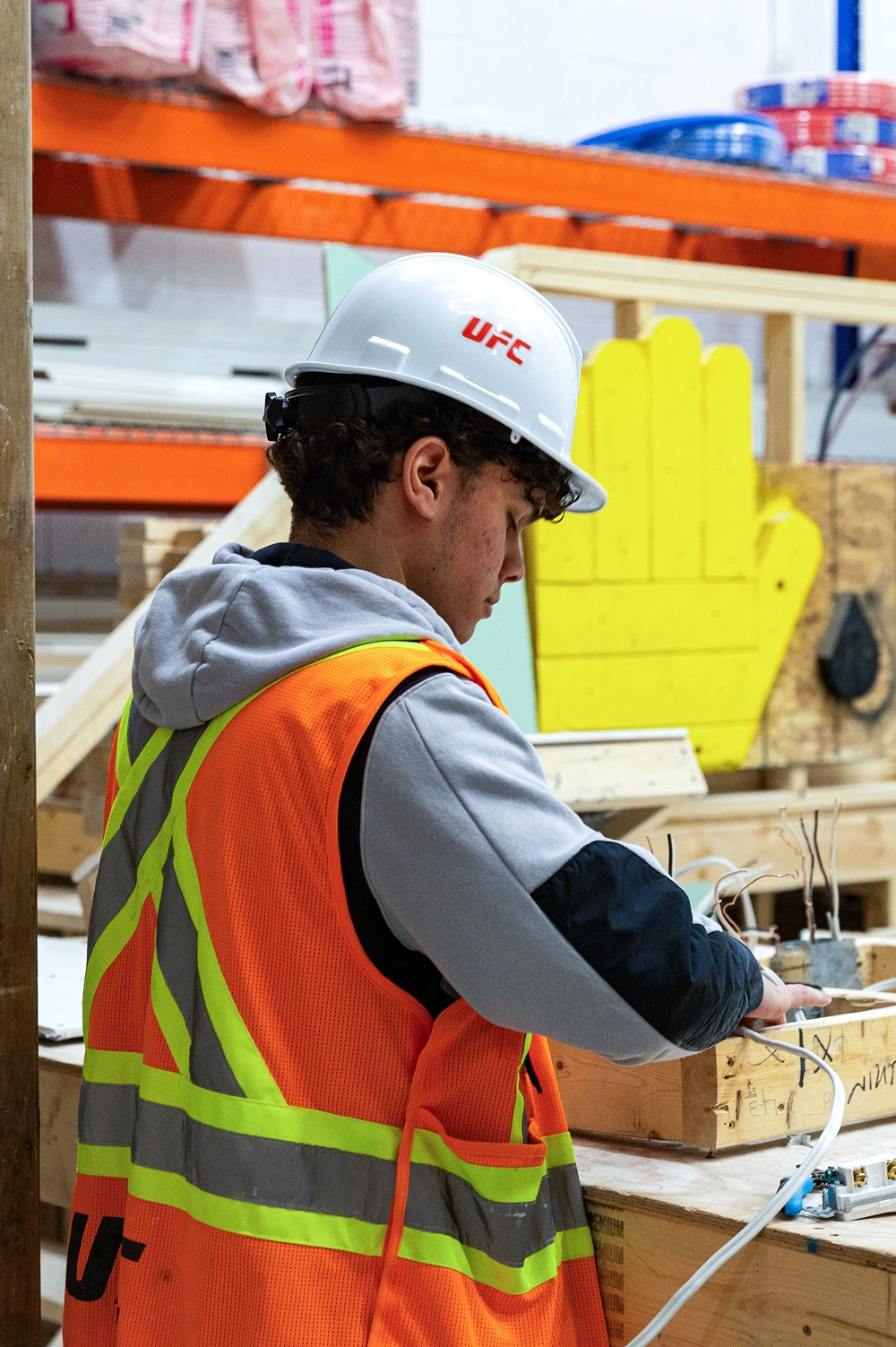
Nothing beats learning on the job. Apprenticeships allow you to work alongside experienced technicians, giving you real-world exposure and mentorship.
This kind of training helps you apply classroom knowledge to actual systems and troubleshooting. It also builds your confidence and problem-solving skills faster than any book can.
Are you ready to learn by doing and tackle challenges that no textbook covers? This step is crucial to becoming a skilled refrigeration technician.
Credit: www.skilledtradescollege.ca
Certification And Licensing
Certification and licensing are essential milestones on your journey to becoming a successful refrigeration technician. These credentials prove your knowledge and skills to employers and customers, ensuring you meet industry standards and legal requirements. Without the right certifications and licenses, your career growth can be limited or even blocked.
Epa Certification
To handle refrigerants legally, you must earn EPA Section 608 Certification. This certification is mandatory across the United States and focuses on safe refrigerant handling to protect the environment.
There are four types of EPA certifications: Type I, II, III, and Universal. Most technicians pursue the Universal certification, which covers all types of equipment.
Passing a short exam grants you this certification. You can study using online practice tests or local classes, which helped me feel more confident before taking the test.
Industry-recognized Credentials
Beyond EPA certification, industry credentials from organizations like HVAC Excellence or North American Technician Excellence (NATE) boost your professional credibility.
These certifications test your knowledge in specific areas such as commercial refrigeration or system troubleshooting. Earning them shows you have specialized skills, making you stand out to employers.
Consider which credentials align with your career goals. For example, if you want to work in supermarkets, a certification in commercial refrigeration can open more job opportunities.
State And Local Licensing Requirements
Some states and cities require refrigeration technicians to hold licenses before they can work legally. These rules vary widely, so check your local government’s website early in your training.
Licensing often involves passing an exam, paying fees, and sometimes proving work experience. I found that starting this process early saved me from last-minute surprises when applying for jobs.
Failing to comply with these requirements can result in fines or job loss. Staying informed about your area’s rules keeps your career on track and builds trust with clients.
Building Experience
Gaining hands-on experience is key to becoming a skilled refrigeration technician. Working alongside experts helps you understand real-world challenges and solutions quickly. Practice and patience build the confidence needed for this technical job.
Building experience is a crucial step in becoming a successful refrigeration technician. Hands-on practice, real-world challenges, and industry connections all contribute to honing your skills. As you embark on this journey, you’ll need to seize opportunities and build a network that supports your career growth.Entry-level Job Opportunities
Starting with entry-level positions can provide you with the foundational knowledge needed in refrigeration technology. Roles such as an assistant or junior technician allow you to learn the basics from seasoned professionals. These positions often involve tasks like routine maintenance and assisting with installations, giving you a chance to apply theoretical knowledge in a practical setting. They also help you develop problem-solving skills crucial for more complex projects.Internships And Work Placements
Internships and work placements are excellent for gaining industry experience while still learning. They offer a closer look into daily operations and the challenges faced by refrigeration technicians. Many companies offer structured programs where you rotate through different departments. This exposure helps you understand various aspects of the trade and decide on a specialization. Taking advantage of these opportunities not only enhances your resume but also boosts your confidence and competence in the field.Networking In The Industry
Building a network within the industry can open doors to new opportunities and insights. Attending trade shows, workshops, and seminars allows you to meet professionals and peers who share your interests. Engage with online forums and groups dedicated to refrigeration technology. Sharing your experiences and learning from others can be incredibly beneficial. Consider joining professional organizations, which often provide access to exclusive resources and job listings. Networking is not just about making contacts; it’s about building relationships that can support your professional journey.Tools And Equipment Mastery
Gaining strong skills with tools and equipment is key for refrigeration technicians. Understanding how to use diagnostic devices, gauges, and hand tools ensures accurate repairs and maintenance. Practice and hands-on experience build confidence and improve job performance.
Mastering tools and equipment is crucial for a refrigeration technician. This skill ensures efficiency and safety in every task. Understanding various tools and technology helps in accurate diagnoses and repairs. Safety practices keep you and others protected.Common Tools Used
Refrigeration technicians rely on various common tools.- Wrenches:Essential for tightening and loosening bolts and fittings.
- Refrigerant Gauges:Measure system pressure accurately.
- Thermometers:Check temperature levels in systems.
- Leak Detectors:Identify refrigerant leaks quickly.
- Multimeters:Test electrical circuits for faults.
Technology And Software
Technology is vital in modern refrigeration work. Software tools help in diagnostics and system monitoring.- Diagnostic Software:Assists in finding system issues.
- Mobile Apps:Provide manuals and troubleshooting tips.
- Cloud-Based Platforms:Store and track maintenance records.
Maintenance And Safety Practices
Regular maintenance ensures long-lasting equipment. Safety practices are non-negotiable.- Routine Inspections:Identify wear and tear early.
- Proper Cleaning:Prevents system blockages and increases efficiency.
- Safety Gear:Includes gloves and goggles for personal protection.
- Safe Refrigerant Handling:Avoids harmful exposure and ensures system integrity.
Advancing Your Career
Advancing your career as a refrigeration technician means growing your skills and taking on new challenges. It involves choosing a focus area, gaining more knowledge, and aiming for higher roles. This helps increase job satisfaction and earning potential.
Specialization Options
Specializing helps you become an expert in specific refrigeration fields. Some common areas include:
- Commercial refrigeration systems
- Industrial refrigeration
- HVAC and climate control
- Green and energy-efficient technologies
Specializing improves your job prospects and allows you to work on advanced projects.
Continuing Education
Continuing education keeps your skills up to date with industry changes. Many technicians take courses in:
- New refrigeration technologies
- Safety standards and regulations
- Electrical systems and controls
- Environmental compliance
Certifications and training programs add value to your resume and build confidence.
Leadership And Management Roles
Experience and skills can lead to leadership roles in your field. Options include:
- Team supervisor or project manager
- Training and mentoring junior technicians
- Service manager overseeing operations
These roles increase responsibility and often come with better pay and benefits.
Job Search Tips
Searching for a refrigeration technician job can feel overwhelming, but with the right approach, you can stand out and land the position you want. Focus on how you present your skills and prepare for each step of the hiring process. Here are practical tips to help you navigate your job search efficiently.
Crafting A Strong Resume
Your resume is your first chance to grab an employer’s attention. Highlight your technical skills clearly, such as your experience with HVAC systems, troubleshooting, and refrigerant handling certifications. Use bullet points to list specific achievements, like reducing repair times or successfully completing complex installations.
Include any hands-on training or apprenticeships you’ve completed. Employers want to see real-world experience paired with your certifications. Keep your resume concise and easy to scan—use action verbs like “installed,” “maintained,” and “tested” to describe your work.
Interview Preparation
Interviews test not only your knowledge but also your problem-solving skills and attitude. Review common technical questions about refrigeration systems and practice explaining how you handle repairs or emergencies. Think about situations where you fixed a tough issue or worked under pressure.
Prepare questions to ask the interviewer about the company’s equipment or team environment. This shows your genuine interest and helps you assess if the job fits your career goals. Dress professionally and arrive on time to make a solid first impression.
Finding Job Openings
Look beyond the usual job boards. Check local HVAC companies’ websites and reach out directly to ask about openings. Networking can be powerful—connect with former instructors, classmates, or technicians you meet at industry events.
- Use social media platforms like LinkedIn to follow refrigeration companies and join relevant groups.
- Sign up for trade newsletters to get alerts on job fairs and apprenticeships.
- Consider temporary or contract positions to build experience and get your foot in the door.
Are you actively tapping into every possible resource? Your next opportunity might be closer than you think.

Credit: www.furnaceprices.ca
Frequently Asked Questions
What Education Is Needed To Become A Refrigeration Technician?
A high school diploma or GED is essential. Completing a technical course in HVAC or refrigeration enhances skills. Many employers prefer candidates with formal training or certifications in refrigeration technology.
How Long Does It Take To Become A Refrigeration Technician?
Becoming a technician typically takes 6 months to 2 years. Training duration depends on the program type and certification process. Apprenticeships and hands-on experience can shorten this timeline significantly.
What Certifications Are Important For Refrigeration Technicians?
EPA Section 608 certification is mandatory for handling refrigerants. Additional certifications like NATE or HVAC Excellence improve job prospects. Certifications prove knowledge and compliance with safety and environmental standards.
What Skills Are Crucial For Refrigeration Technicians?
Strong mechanical aptitude and problem-solving skills are vital. Knowledge of electrical systems and refrigerants is important. Good communication skills help in customer service and teamwork.
Conclusion
Becoming a refrigeration technician takes time and effort. You need to learn the basics and practice regularly. Getting proper training helps you understand the tools and machines. Certification can improve your chances of finding a good job. Stay curious and keep updating your skills.
This field offers steady work and good pay. Start small, keep learning, and grow your career step by step. The journey might be challenging but rewarding. Take one step at a time, and you will succeed.



