
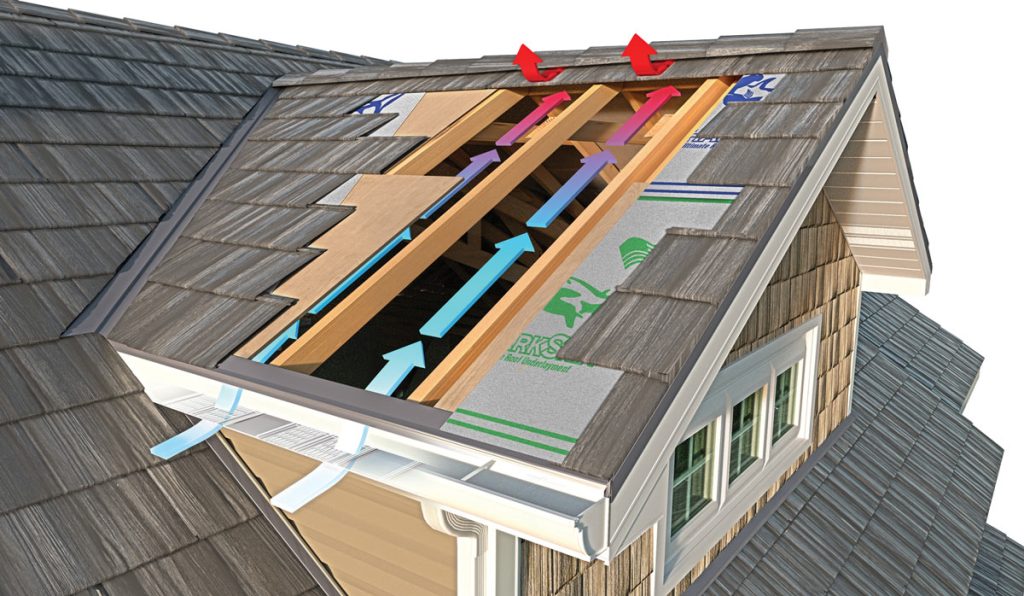
Are you wondering if your metal roof needs ventilation? You might think metal roofs don’t have the same issues as other roofing types, but ventilation plays a bigger role than you realize.
Without the right airflow, your roof could trap heat, moisture, and cause damage over time. You’ll discover why ventilation matters for metal roofs and how it can protect your home, save you money, and keep your living space comfortable. Keep reading to learn the simple steps you can take to get the most out of your metal roof.
Why Ventilation Matters
Ventilation plays a key role in the performance of a metal roof. It controls temperature and moisture levels beneath the roof. Proper ventilation protects the roof and the home inside. It keeps the indoor environment comfortable. Understanding why ventilation matters helps in making smart roofing choices.
Heat Buildup And Metal Roofs
Metal roofs absorb and hold heat quickly. Without ventilation, heat stays trapped under the roof. This causes the attic and rooms below to become very hot. High heat can increase cooling costs. Ventilation allows hot air to escape. It helps keep the home cooler and reduces energy use.
Moisture And Condensation Issues
Moisture from inside the home rises and can get trapped under a metal roof. Without ventilation, this moisture turns into condensation. Condensation can damage roofing materials and wood structures. It may also cause mold growth. Ventilation helps moisture to evaporate. This prevents damage and keeps the roof dry.
Extending Roof Lifespan
Heat and moisture harm metal roofs over time. They cause rust, warping, and material breakdown. Proper ventilation reduces these risks. It keeps the roof cooler and drier. This helps the roof last longer. Investing in ventilation protects your roof and saves money on repairs.
Types Of Roof Ventilation
Proper roof ventilation keeps your metal roof cool and dry. It helps remove heat and moisture from the attic space. Different types of ventilation work together to improve airflow. Choosing the right vents depends on your roof design and climate.
Ridge Vents
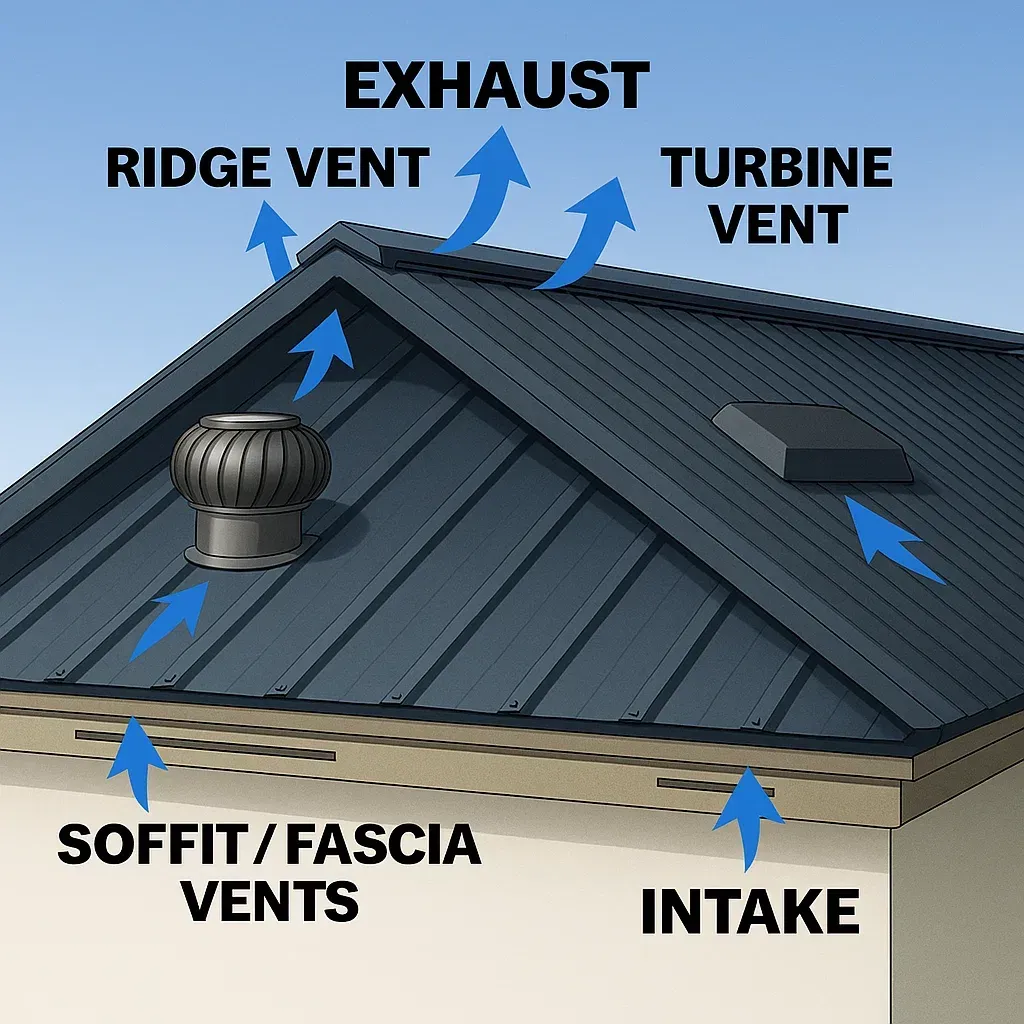
Ridge vents run along the peak of the roof. They allow hot air to escape from the attic. These vents are hidden under the roof cap for a clean look. Ridge vents provide continuous ventilation along the roofline. They work best with soffit vents for proper airflow.
Soffit Vents
Soffit vents are located under the eaves of the roof. They let fresh air enter the attic from below. This airflow pushes hot air out through the ridge vents. Soffit vents help reduce heat buildup and moisture problems. Proper intake and exhaust vents keep air moving well.
Gable Vents
Gable vents sit on the side walls of the attic near the roof peak. They allow air to flow in and out horizontally. Gable vents work best in homes with large attics. They can be combined with ridge or soffit vents. Gable vents add extra ventilation in some roof designs.
Powered Vents
Powered vents use electricity to boost air movement. They include attic fans and turbine vents. These vents speed up hot air removal from the attic. Powered vents are helpful in very hot climates or large attics. They require a power source and occasional maintenance.
Signs Your Metal Roof Needs Ventilation
Knowing the signs that your metal roof needs ventilation can save you from costly repairs and discomfort. Ventilation isn’t just about keeping the attic cool; it also protects the roof’s integrity. Watch out for these clear signals that your metal roof might be struggling without proper airflow.
Excessive Heat In Attic
Have you noticed your attic becoming unbearably hot during sunny days? Excessive heat buildup can cause your cooling system to work harder, driving up energy bills. This heat can also warp or weaken the metal roofing over time, reducing its lifespan.
Checking attic temperature with a simple thermometer can reveal if ventilation is lacking. If the attic is significantly hotter than the outside air, it’s a strong indication that your roof needs better airflow.
Visible Condensation
Spotting moisture or water droplets inside your attic is a warning sign. Condensation forms when warm, moist air gets trapped under the roof, unable to escape. Over time, this moisture can lead to mold growth, wood rot, and rust on metal panels.
Have you felt a musty smell or seen water stains on your ceiling? These are clues that your roof ventilation isn’t doing its job, allowing moisture to build up instead of being vented out.
Roof Surface Damage
Cracking, peeling paint, or rust spots on your metal roof can point to ventilation problems. Without proper airflow, trapped heat and moisture accelerate wear and tear on the roof surface. This damage not only looks bad but also compromises the roof’s protective barrier.
If your roof shows these signs, it might be time to inspect your ventilation system. Ignoring these issues can lead to leaks and expensive repairs down the road.
Credit: bcpinc.us
Installing Ventilation On Metal Roofs
Installing ventilation on metal roofs is crucial for maintaining a comfortable indoor environment and extending the roof’s lifespan. Proper ventilation helps regulate temperature, reduce moisture buildup, and prevent potential damage like rust or warping. Let’s dive into the key steps and considerations to ensure your metal roof breathes well.
Planning Vent Placement
Effective vent placement starts with understanding how air flows beneath your metal roof. You want to create a balanced system where cool air enters from the lower vents and warm air exits through the upper vents.
Consider placing intake vents near the eaves or soffits and exhaust vents close to the ridge. This arrangement encourages natural airflow, preventing hotspots and moisture accumulation.
Ask yourself: Does your roof have enough space for both intake and exhaust vents? Improper placement can lead to poor ventilation and wasted effort.
Materials And Tools Required
Before you begin, gather the right materials and tools to make the installation smooth and effective.
- Roof vents:Ridge vents, box vents, or turbine vents designed for metal roofs.
- Sealant:High-quality roofing sealant to prevent leaks around vent openings.
- Fasteners:Corrosion-resistant screws or nails suitable for metal roofing.
- Cutting tools:Tin snips or a metal cutting saw to create vent openings.
- Measuring tape and marker:For precise vent placement.
- Safety gear:Gloves, safety glasses, and a stable ladder or scaffolding.
Having everything ready before starting will save you time and reduce mistakes.
Step-by-step Installation
Start by marking the exact locations for your vents based on your planning. Double-check measurements to avoid errors.
Carefully cut the openings using your metal cutting tools. Smooth the edges to prevent damage to the vent or yourself.
Place the vent over the opening and secure it with corrosion-resistant fasteners. Make sure it sits flush against the roof for a tight seal.
Apply roofing sealant around the vent’s edges to prevent water leaks. Don’t rush this step—proper sealing protects your roof.
Finally, inspect your work from both inside and outside. Confirm that air can flow freely and the vents are firmly attached.
Have you noticed any areas on your roof that feel hotter or damper than others? Proper vent installation could be the solution.
Common Ventilation Mistakes To Avoid
Ventilation is crucial for a metal roof’s performance and lifespan. Mistakes in ventilation can lead to issues like moisture buildup and temperature imbalance. Understanding common mistakes helps in maintaining a well-ventilated metal roof. Below are some common ventilation mistakes to avoid.
Overventilation Risks
Too much ventilation can cause energy loss. It may lead to drafts, making heating and cooling less efficient. Moisture can also seep in, creating mold problems. Find the right balance to avoid these issues.
Improper Vent Sizing
Vents that are too small or large can hinder airflow. Incorrect sizing affects ventilation efficiency. Measure and select vents that suit your roof’s specific needs.
Ignoring Airflow Balance
Balanced airflow prevents hot air buildup and maintains comfort. Uneven airflow can cause temperature spikes and moisture issues. Ensure intake and exhaust vents are balanced for optimal performance.
Credit: boss-exteriors.com
Benefits Beyond Ventilation
Ventilation in a metal roof does more than just keep air moving. It also brings several practical benefits that can improve the overall performance and comfort of your home. Understanding these advantages helps you make smarter decisions about your roofing system.
Energy Efficiency Improvements
A well-ventilated metal roof reduces heat buildup in your attic or roof space. This means your air conditioner doesn’t have to work as hard during hot months, saving you money on energy bills.
Have you noticed how much cooler your house stays when the roof has proper airflow? This simple change can lower indoor temperatures by several degrees, making your home more energy-efficient without extra equipment.
Preventing Ice Dams
Ventilation helps keep your roof temperature uniform during winter. When warm air escapes properly, it prevents snow on your roof from melting unevenly and refreezing at the edges, which causes ice dams.
Ice dams can lead to serious damage, like leaks and rotted wood. Proper ventilation reduces this risk by maintaining a consistent roof temperature, protecting both your roof and your wallet.
Enhancing Indoor Comfort
Beyond energy savings, ventilation improves the overall comfort inside your home. It removes excess moisture and heat, reducing stuffiness and dampness that can affect your well-being.
Imagine walking into a room that feels fresh and cool even during hot or humid days. That’s the kind of everyday comfort good ventilation can offer, making your living space more pleasant year-round.

Credit: www.just-roof-repairs.co.uk
Frequently Asked Questions
Does A Metal Roof Require Ventilation?
Yes, metal roofs need ventilation to prevent moisture buildup and heat accumulation. Proper airflow extends roof life and improves energy efficiency.
How Does Ventilation Benefit Metal Roofing?
Ventilation reduces heat in summer and moisture in winter. It prevents rust, warping, and mold growth under the metal roof.
What Types Of Ventilation Suit Metal Roofs?
Ridge vents, soffit vents, and gable vents work well. Combining intake and exhaust vents ensures effective airflow for metal roofs.
Can A Metal Roof Be Installed Without Ventilation?
Technically yes, but it is not recommended. Lack of ventilation causes damage, reduces roof lifespan, and increases energy costs.
Conclusion
A metal roof needs good ventilation to stay strong and last long. Ventilation stops heat and moisture from building up under the roof. This helps avoid problems like rust, warping, or damage to insulation. Proper airflow keeps your home cooler in summer and prevents ice dams in winter.
Adding vents is a smart choice for any metal roof. It protects your roof and saves money on repairs. Don’t skip ventilation if you want a healthy, long-lasting metal roof. Simple steps bring big benefits.



