
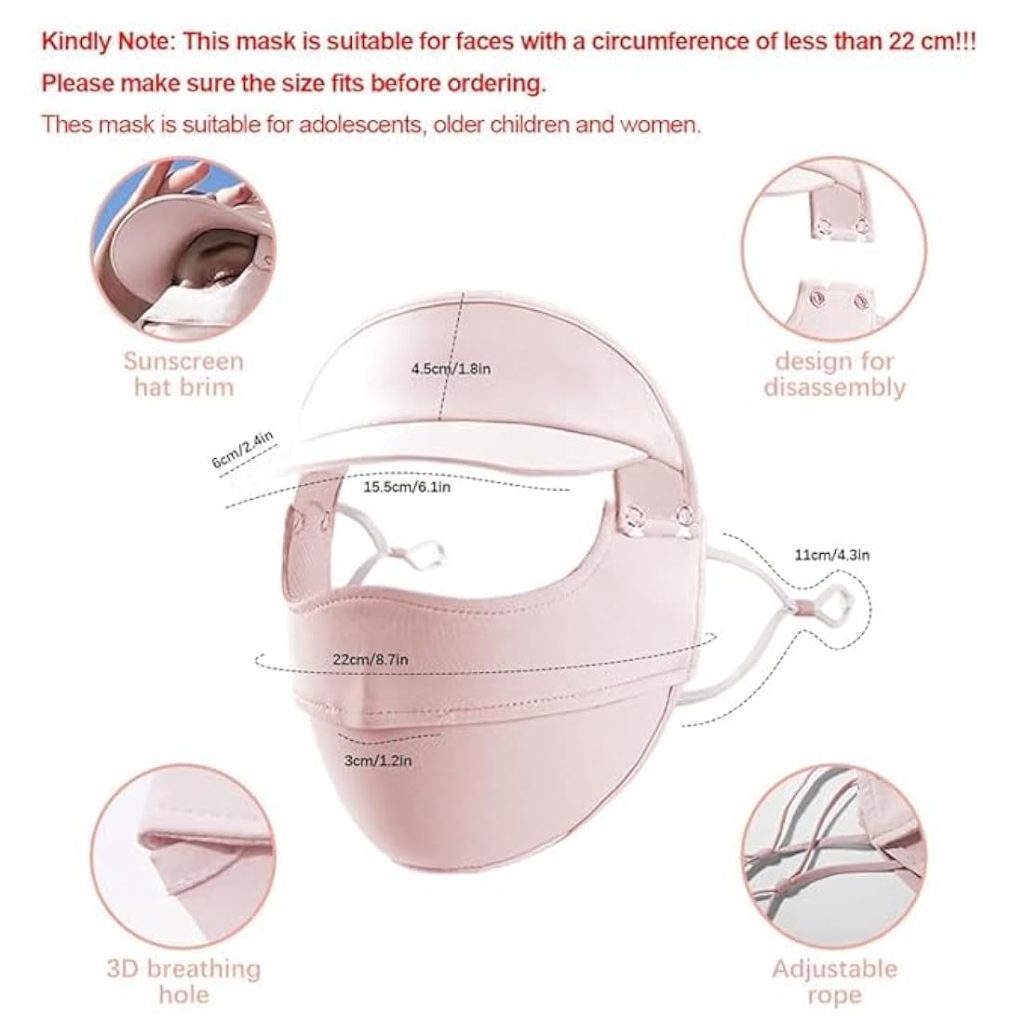
Choosing the right face mask can feel confusing, especially when you want both safety and comfort. Have you ever wondered what makes a face mask truly breathable without sacrificing protection?
Your mask should help you breathe easily while keeping harmful particles out. You’ll discover the ideal characteristics that make a face mask perfect for ventilation. By understanding these key features, you can find a mask that feels comfortable all day long and keeps you safe.
Keep reading to learn how to spot the best masks for your needs and make your next choice a smart one.
Key Features Of Ventilated Face Masks
Choosing the right ventilated face mask means balancing protection with comfort. You want a mask that lets air flow easily without sacrificing safety. Understanding the key features that make these masks effective will help you pick one that works well for your daily needs.
Breathability And Airflow
Good breathability is essential to prevent discomfort and fogging of glasses. Masks designed with built-in vents or breathable fabrics allow easier airflow while still filtering harmful particles.
Have you noticed how some masks make it hard to take deep breaths? That’s a sign the airflow isn’t optimized. Look for masks that mention airflow in their specifications or have mesh panels to improve ventilation.
Filtration Efficiency
Effective filtration keeps you safe from airborne particles without making breathing difficult. Masks with multiple layers or high-quality filters can block viruses and pollutants efficiently.
Don’t confuse breathability with low filtration. A mask that breathes well but fails to filter properly defeats the purpose. Check for certifications like N95 or equivalent standards to ensure protection.
Material Choices
Material impacts both comfort and performance. Natural fibers like cotton offer softness and breathability, while synthetic layers enhance filtration and durability.
Some masks combine materials—a soft inner layer to prevent irritation and a sturdy outer layer to block particles. This combo often provides the best balance between comfort and protection.
Fit And Seal
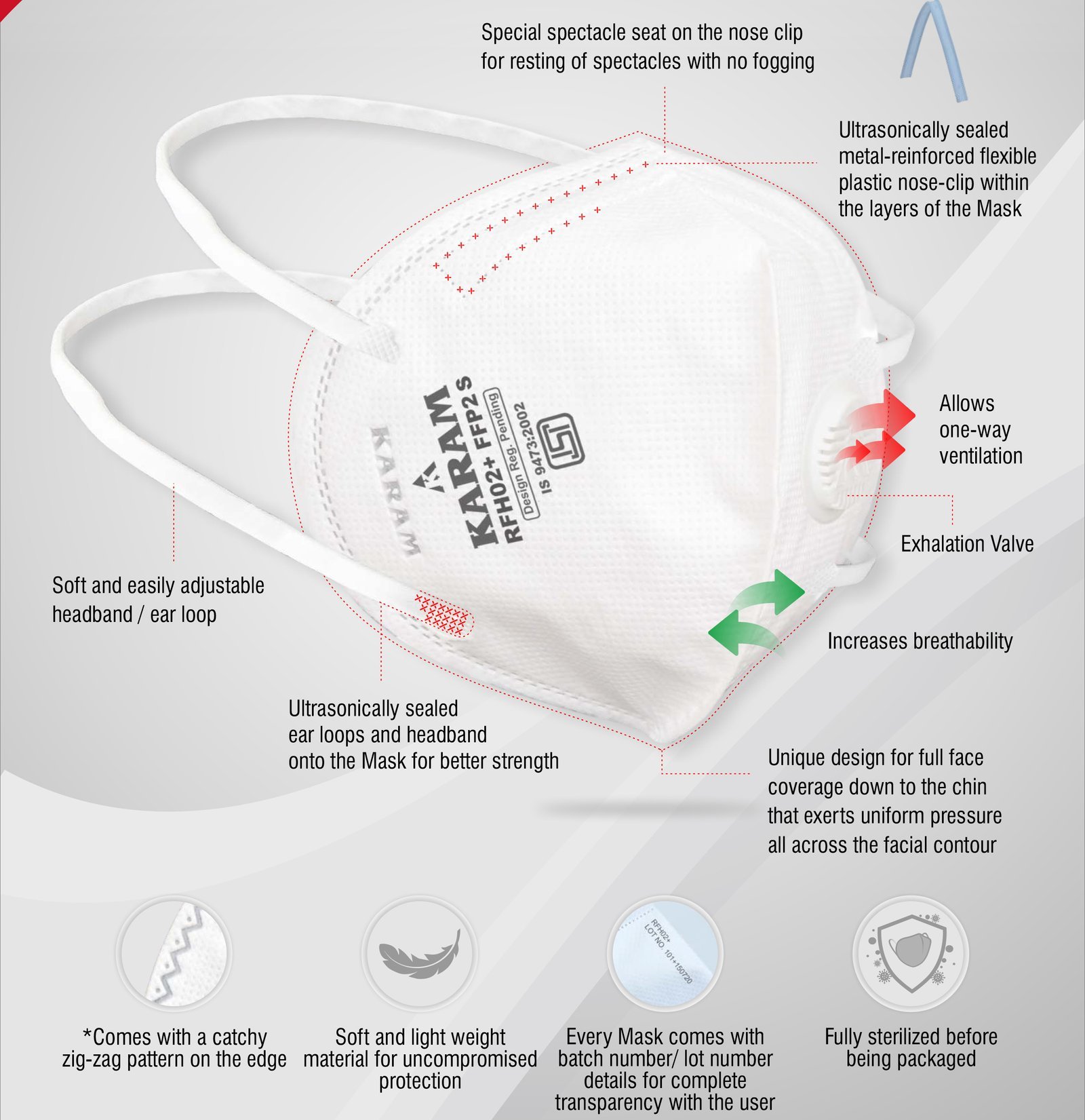
A snug fit is crucial to prevent air leaks around the edges. Masks with adjustable nose bridges and ear loops help maintain a secure seal.
Have you ever felt air escaping near your cheeks or nose? That gap reduces the mask’s effectiveness. Try masks with flexible frames or moldable parts to improve the fit on your face.
Comfort And Wearability
Wearing a mask for hours demands comfort. Lightweight designs, soft fabrics, and adjustable straps reduce irritation and pressure points.
Think about your routine—do you need a mask that stays cool during exercise or one that won’t slip during long meetings? Choose features that fit your lifestyle to encourage consistent use.
Types Of Masks With Ventilation
Choosing the right face mask with proper ventilation is important for comfort and safety. Different types of masks offer varying levels of airflow and protection. Understanding these types helps in selecting the best option for daily use or specific needs.
Masks With Valves
Masks with valves allow air to flow out more easily. They reduce heat and moisture build-up inside the mask. This makes breathing feel easier during long use. However, valves do not filter exhaled air well. This can let droplets escape, making them less effective at source control.
Multi-layer Fabric Masks
Multi-layer fabric masks use several cloth layers to block particles. The layers improve filtration while still allowing airflow. Cotton combined with synthetic fabrics works best. These masks balance breathability and protection. Washing and reusing them is easy and cost-effective.
Reusable Vs Disposable Masks
Reusable masks are made from fabric and can be washed multiple times. They offer better ventilation and fit options. Disposable masks are usually single-use and made from non-woven materials. They provide good filtration but less breathability. Choosing depends on comfort, cost, and environment impact.
Balancing Protection And Ventilation
Balancing protection and ventilation in face masks is essential for both safety and comfort. Masks that block harmful particles but restrict airflow can be hard to wear for long periods. On the other hand, masks that allow easy breathing might not provide enough defense against viruses and pollutants.
Impact Of Ventilation On Safety
Good ventilation helps you breathe comfortably, reducing the risk of dizziness or fatigue during extended mask use. However, increased airflow can also mean more particles passing through if the mask material isn’t protective enough.
Think about your own experience wearing masks during different activities. Have you noticed some masks feeling suffocating while others felt loose? This shows how ventilation directly affects your safety and comfort.
Effective masks use materials that filter out tiny particles but still let air pass through. Multiple layers with a breathable filter are often the best choice. This setup balances the need for protection and airflow without compromising either.
Choosing Masks For Different Environments
Not every mask fits all situations. When you’re outdoors with plenty of fresh air, a mask with moderate ventilation might be enough. Indoors or in crowded places, you’ll want a mask with a higher filtration capability, even if it means less airflow.
Consider your daily routine. Are you working in a well-ventilated office or on public transport during rush hour? Choose masks that suit these environments to keep yourself safe and comfortable.
- High filtration, lower ventilation:Best for hospitals, crowded indoor spaces.
- Moderate filtration, better ventilation:Good for outdoor activities or short errands.
- Adjustable masks:Masks with removable filters or vents can adapt to changing needs.
What’s your priority—comfort or maximum protection? Finding the right mask means understanding where you’ll wear it and how long you’ll need it. Experiment with different types to see what works best for your lifestyle.

Credit: hengningfilm.com
Innovations In Ventilated Masks
Innovations in ventilated masks are changing how we breathe safely. New designs focus on better airflow without losing protection. These masks help reduce heat and moisture inside. They also aim to make wearing masks more comfortable for longer periods.
Technology plays a big role in improving mask ventilation. Filters and ventilation systems are getting smarter and more effective. These advances help users stay protected while feeling fresh and less restricted.
Advanced Filter Technologies
Filters now capture smaller particles while allowing air to flow freely. They use multiple layers with special materials to block germs. Some filters can trap viruses and bacteria without making breathing hard.
New filters also resist moisture build-up. This keeps the mask dry and comfortable. Filters are often replaceable, making the mask reusable and eco-friendly.
Smart Ventilation Features
Smart ventilation uses tiny fans or air valves to improve airflow. These systems push stale air out and bring fresh air in. Sensors can detect air quality and adjust ventilation automatically.
Some masks have rechargeable batteries powering ventilation systems. This helps maintain a steady airflow during use. The smart features reduce fogging on glasses and lower heat inside the mask.
Maintenance And Care
Proper maintenance and care ensure the effectiveness of face masks for ventilation. Regular cleaning, timely filter replacement, and correct storage are crucial. These practices prolong mask life and maintain safety standards. Let’s explore some essential care tips.
Cleaning Reusable Masks
Wash reusable masks after each use. Use warm water and mild detergent. Rinse thoroughly to remove soap residues. Air dry masks completely before wearing them again. Avoid bleach or harsh chemicals. They can damage mask fibers and reduce effectiveness.
Replacing Filters
Check filter guidelines for replacement frequency. Most filters require changing every week. Replace sooner if they become damp or dirty. This ensures optimal filtration efficiency. Keep spare filters handy for quick replacements. This practice keeps the mask functionally reliable.
Storage Tips
Store masks in a clean, dry place. Use a breathable bag or container. Avoid storing masks in plastic bags. Moisture buildup can compromise mask integrity. Label storage containers for easy identification. This prevents confusion and ensures proper mask rotation.
Credit: www.universalmincon.com

Credit: www.mdpi.com
Frequently Asked Questions
What Materials Ensure Good Ventilation In Face Masks?
Breathable materials like cotton and polyester blends ensure good ventilation. They allow air circulation while filtering particles effectively. Avoid dense fabrics that restrict airflow. Proper material choice balances filtration and comfort for all-day wear.
How Does Mask Fit Impact Ventilation Quality?
A snug but comfortable fit prevents air leaks and improves ventilation. Masks should cover nose and mouth fully without gaps. Adjustable ear loops and nose wires enhance fit. Proper fit ensures filtered air intake and better breathability.
Why Is Breathability Important In Face Masks?
Breathability ensures comfort and reduces moisture buildup inside the mask. It helps maintain airflow, making masks easier to wear longer. Good breathability prevents skin irritation and supports proper oxygen exchange during use.
Can Multiple Mask Layers Affect Ventilation?
Multiple layers increase filtration but may reduce breathability if too dense. Ideal masks balance 2-3 layers with breathable fabrics. Layering should not cause discomfort or breathing difficulty. Proper layering maximizes protection and ventilation together.
Conclusion
Choosing face masks with good ventilation keeps breathing easy and safe. The right mask fits well and uses breathable materials. It stops germs but lets air flow freely. Comfort matters, especially for long wear. Masks with adjustable parts help get a better fit.
Remember, masks protect both you and others. Pick masks that balance safety and comfort. This way, you stay protected without feeling trapped. Simple choices make a big difference in daily health. Breathe well, stay safe, and keep others safe too.



