
Are you concerned about the air you and your family breathe every day inside your home? A whole house ventilation system might be the key to improving your indoor air quality and keeping your living space fresh and healthy.
But what exactly is a whole house ventilation system, and how can it benefit you? You’ll discover how this simple addition can transform your home environment, reduce moisture problems, and even save you money on energy bills. Keep reading to learn everything you need to know to make the best choice for your home and your health.
Benefits Of Whole House Ventilation
Understanding the benefits of a whole house ventilation system can change the way you feel inside your home. It’s not just about fresh air—this system actively improves your living environment in multiple ways. Let’s look at how it can make a real difference in your daily life.
Improving Indoor Air Quality
Have you noticed stale or stuffy air in your home, especially in rooms without windows? Whole house ventilation constantly replaces indoor air with fresh outdoor air, reducing pollutants like dust, pet dander, and cooking odors.
This means fewer headaches, less sneezing, and a more comfortable space for everyone. If you or your family suffer from allergies, this can be a game changer. Cleaner air can help you breathe easier and feel more energized throughout the day.
Reducing Moisture And Mold
Excess moisture often hides in bathrooms, kitchens, and basements, creating the perfect environment for mold growth. A whole house ventilation system controls humidity levels by removing moist air and bringing in drier air from outside.
Reducing moisture helps prevent mold, which can damage your home and trigger health problems like asthma. Imagine no more musty smells or worrying about water stains on your walls. It’s a practical way to protect your home and your health at the same time.
Enhancing Energy Efficiency
You might think adding ventilation means higher energy bills, but it can actually help save money. Modern whole house ventilation systems often work with your heating and cooling setup to maintain a balanced temperature.
By controlling humidity and improving air circulation, your HVAC system doesn’t have to work as hard. This reduces energy use and keeps your home comfortable year-round. Have you checked how much energy your current system consumes? Upgrading your ventilation could be a smart investment for your wallet and the environment.
Credit: ohmefficient.com
Types Of Whole House Ventilation
Understanding the different types of whole house ventilation systems can help you choose the best option for your home’s air quality and energy efficiency. Each type works differently to bring fresh air inside and remove stale air. Let’s break down how these systems function and what might work best for your living space.
Exhaust Ventilation Systems
Exhaust ventilation systems push stale air out of your home using fans placed in areas like bathrooms or kitchens. This creates negative pressure, which pulls fresh air in through vents or small openings. They are simple and cost-effective, but you need to consider where fresh air will enter to avoid drafts or moisture problems.
Supply Ventilation Systems
Supply systems work by blowing fresh air into your home, creating positive pressure inside. This pressure forces stale air out through leaks and vents. These systems are great if you live in a dry climate, as they can help control where and how much outdoor air enters your home.
Balanced Ventilation Systems
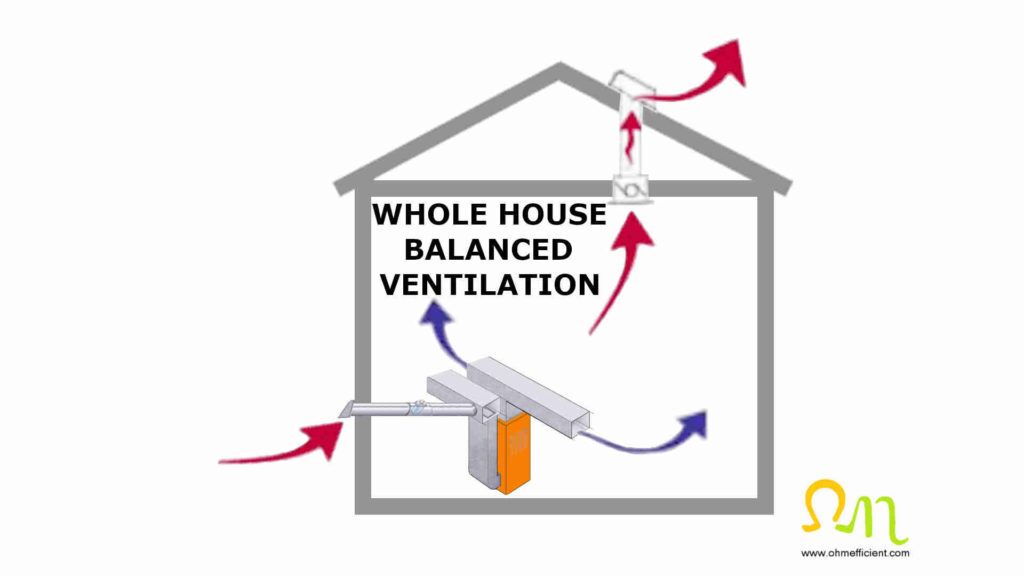
Balanced systems combine exhaust and supply fans to maintain equal air pressure inside your home. They bring in fresh air and remove stale air simultaneously, making them effective for maintaining consistent indoor air quality. If you want more control over airflow without pressure issues, this might be the right choice.
Energy Recovery Ventilators (erv)
ERVs are a type of balanced ventilation system that also transfers moisture between incoming and outgoing air streams. This helps keep humidity levels balanced, which is especially useful in climates with high humidity. Using an ERV can lower energy bills by reducing the workload on your heating and cooling systems.
Heat Recovery Ventilators (hrv)
HRVs transfer heat between incoming and outgoing air to save energy during colder months. They are ideal if you live in a cold climate where heating costs are a concern. By recovering heat, HRVs keep your home warm without sacrificing fresh air quality.
How Whole House Ventilation Works
Understanding how a whole house ventilation system works can change the way you think about indoor air quality. It’s not just about moving air; it’s about managing airflow smartly to keep your home fresh and comfortable. Let’s break down the key elements that make this system effective.
Airflow Patterns
Whole house ventilation relies on controlled airflow patterns to replace stale indoor air with fresh outdoor air. The system typically pulls air from areas like kitchens, bathrooms, and laundry rooms where moisture and odors build up. At the same time, it pushes fresh air into living spaces to maintain balance.
This balanced exchange prevents pressure differences that can cause drafts or bring in pollutants from unwanted areas. Have you noticed how some rooms feel stuffy while others feel breezy? That’s often airflow imbalance, which a good ventilation system corrects.
Control Mechanisms
Ventilation systems use various control mechanisms to maintain the right air exchange rate. Timers, humidity sensors, and air quality monitors are common tools that adjust airflow automatically. This means the system only runs when needed, saving energy and keeping your home comfortable.
Imagine your bathroom fan turning on just enough to clear steam without wasting electricity. That’s the kind of precision control these mechanisms provide. What if your system could sense when you’re cooking and increase airflow to clear smells? It’s more practical than you might think.
Integration With Hvac Systems
Whole house ventilation often works hand-in-hand with your existing HVAC system. It can share ducts or operate independently, but the goal remains the same: improving air quality without compromising heating or cooling efficiency. Proper integration ensures fresh air is delivered without causing temperature swings.
For example, some setups use heat recovery ventilators (HRVs) or energy recovery ventilators (ERVs) that transfer heat between incoming and outgoing air. This keeps your energy bills in check while bringing in fresh air. Have you checked if your current HVAC setup supports this kind of integration? It might be easier to upgrade than you think.
Choosing The Right Ventilation System
Choosing the right whole house ventilation system is crucial for maintaining a healthy and comfortable living environment. The decision impacts your home’s air quality, energy efficiency, and overall comfort. Understanding key factors like your home’s size, local climate, and budget will help you make a well-informed choice that fits your unique needs.
Assessing Home Size And Layout
Your home’s size and layout directly affect the type of ventilation system you need. Larger homes or those with multiple floors often require more powerful systems or multiple units to ensure balanced airflow throughout. Open floor plans may allow for more straightforward ventilation, while segmented rooms might need additional ductwork or fans.
Think about areas where air tends to get stale or humid, such as basements or bathrooms. These spots might need targeted ventilation to prevent mold and moisture buildup. Have you noticed certain rooms feel stuffy or damp? That’s a good clue for where your ventilation system should focus.
Climate Considerations
Your local climate plays a big role in choosing a ventilation system. In humid areas, systems that control moisture and reduce indoor humidity are essential to avoid mold growth. If you live in a cold climate, look for systems that can recover heat from outgoing air to save energy during winter.
Dry or dusty environments might benefit from ventilation with good filtration to keep allergens out. Consider how often you open windows naturally—do you rely on fresh air from outside, or is your home sealed tightly? This affects whether you need a system that brings in fresh air or mainly circulates indoor air.
Budget And Installation Costs
Ventilation systems vary widely in price, both for the unit itself and installation. Basic systems might cost less upfront but can increase energy bills if they aren’t efficient. More advanced systems often have higher initial costs but save money long-term through energy recovery and better air quality.
Installation complexity can add to your budget, especially if ductwork or electrical upgrades are needed. It’s smart to get multiple quotes and ask contractors about hidden costs. What’s your priority—lower upfront cost or long-term savings? Understanding this helps you pick a system that fits your financial goals without compromising comfort.
Maintenance Tips For Ventilation Systems
A whole house ventilation system moves fresh air throughout your home to improve air quality. Regular cleaning and filter checks keep it running well. Proper maintenance helps prevent mold and moisture build-up inside walls.
Maintaining a whole house ventilation system is crucial for ensuring it operates efficiently and keeps your home’s air quality fresh and healthy. Neglecting maintenance can lead to a buildup of dust, allergens, and even mold, which can compromise your indoor air and affect your family’s health. By implementing a few simple maintenance routines, you can prolong the life of your system and enhance its performance.Regular Filter Replacement
Replacing filters regularly is one of the simplest yet most effective maintenance tasks you can perform. Dirty filters can block airflow, forcing your system to work harder and use more energy. Check your filters every month and replace them if they appear clogged or dirty. Consider setting a monthly reminder on your phone to inspect the filters. This small step can make a big difference in maintaining optimal airflow and efficiency. Some systems might require filter changes every three months, but more frequent changes ensure the best air quality.Cleaning Ducts And Vents
Over time, dust and debris can accumulate in your ducts and vents, reducing airflow and spreading allergens throughout your home. Clean vents and ducts regularly to prevent this buildup. You can use a vacuum with a hose attachment to remove visible dust from vents. For ducts, hiring a professional cleaning service can ensure a thorough job. This task might not be as frequent as filter replacement, but it’s essential for maintaining clean air. Imagine breathing in fresh, clean air instead of dust-laden currents—worth the effort, right?Professional Inspections
Scheduling professional inspections can identify issues before they become major problems. Experts can spot signs of wear, leaks, or damage that you might miss. Regular inspections can prevent unexpected breakdowns and costly repairs. Think of these inspections as an investment in your system’s longevity. Professionals can also offer insights on optimizing system performance and energy efficiency. Is it time to schedule your next inspection? It might just save you from future headaches.
Credit: ezbreathe.com
Common Myths And Facts
Many people have questions about whole house ventilation systems. Some ideas are true, but others are not. Understanding facts and myths helps you make better choices for your home.
Ventilation And Energy Loss
Some think ventilation systems waste energy by letting warm air escape. Modern systems use energy-efficient designs to prevent heat loss. They bring fresh air without making your heating or cooling work harder. Proper ventilation can even help your system run more smoothly.
Noise Concerns
People often worry that ventilation systems are loud. Most modern systems are built to operate quietly. You may hear a soft hum, but it is not disturbing. Proper installation also reduces any noise issues.
Health Benefits
Ventilation helps remove dust, allergens, and moisture from your home. It reduces the chance of mold and improves air quality. Many families notice fewer allergy problems and easier breathing after installation.

Credit: www.achrnews.com
Frequently Asked Questions
What Is A Whole House Ventilation System?
A whole house ventilation system improves indoor air quality by exchanging stale indoor air with fresh outdoor air. It helps control humidity, reduce allergens, and remove pollutants, ensuring a healthier living environment throughout the entire home.
How Does Whole House Ventilation Work?
The system uses fans and vents to bring fresh air inside and expel stale air. It balances air pressure, regulates humidity, and maintains consistent airflow in all rooms, keeping the indoor atmosphere fresh and comfortable.
Why Is Whole House Ventilation Important?
Proper ventilation prevents mold growth, reduces indoor pollutants, and controls moisture levels. It enhances comfort, protects building materials, and improves overall health by ensuring constant fresh air circulation throughout the home.
What Are The Types Of Whole House Ventilation?
Common types include exhaust-only, supply-only, and balanced ventilation systems. Each uses different methods to manage airflow, depending on the home’s needs, climate, and air quality requirements.
Conclusion
A whole house ventilation system helps keep air fresh inside your home. It removes stale air and brings in clean air. This improves comfort and reduces moisture and odors. Good ventilation also supports better health for your family. It works quietly and uses less energy.
Choosing the right system can make your home feel better all year. Clean air matters. Breathe easier and live healthier with proper ventilation.



