
Have you ever wondered how workplaces keep the air clean and safe, especially where dust, fumes, or harmful gases are present? That’s where Local Exhaust Ventilation, or LEV, comes in.
It’s a powerful system designed to protect you by capturing contaminants right at their source before they spread. Understanding what Local Exhaust Ventilation means can help you recognize its importance for your health and safety, whether at work or in other environments.
Keep reading to discover how LEV works and why it matters to you.

Credit: plantandsafety.co.uk
Local Exhaust Ventilation Basics
Understanding the basics of local exhaust ventilation (LEV) is essential for anyone concerned with air quality and safety in workplaces or even at home. LEV systems are designed to capture and remove harmful airborne contaminants right at their source. This targeted approach helps protect your health and keeps environments cleaner without needing to ventilate the entire space.
Key Components
Every LEV system has a few critical parts that work together seamlessly. The hoodcaptures the contaminants as close to the source as possible. The ductworkthen carries these pollutants away safely. A fan or blowercreates the airflow needed to pull contaminants through the system. Finally, a filtration or exhaust pointensures that the cleaned air is either released outside or filtered before recirculation.
Think about a kitchen range hood—it’s a simple LEV system you might use daily without realizing it. The hood traps smoke and steam, ducts remove them, and the fan powers the airflow.
How It Works
Local exhaust ventilation works by capturing contaminants right where they’re generated. This is much more efficient than relying on general room ventilation. You want the system to grab dust, fumes, or gases before they spread and affect your breathing zone.
The hood’s shape and placement are crucial; it should be as close as possible to the source without interfering with your work. The fan then pulls air through the hood and ducting, moving pollutants away quickly. Proper airflow rates matter—a weak system won’t capture harmful particles effectively, while too strong a flow can cause discomfort or energy waste.
Have you ever noticed how a well-placed exhaust fan in a workshop makes a huge difference in air quality? That’s LEV in action—working quietly but powerfully to keep your space safe.
Types Of Local Exhaust Ventilation
Local Exhaust Ventilation (LEV) systems remove harmful air contaminants directly from the source. These systems have different parts that work together to keep the air clean. Each type plays a specific role in capturing, moving, and cleaning the air.
Understanding the types of LEV helps to choose the right system for any workplace. Key components include hood designs, ducting systems, and air cleaning devices. Each one is crucial for effective ventilation.
Hood Designs
Hoods capture contaminants at their source. They come in several shapes and sizes. Common types include:
- Captive Hoods:Surround the source to trap pollutants tightly.
- Receiving Hoods:Positioned near the source to collect airborne particles.
- Slot Hoods:Use narrow openings to draw contaminants away.
Proper hood design ensures contaminants do not spread into the workplace air.
Ducting Systems
Ducting moves contaminated air from the hood to the cleaning device. It must be airtight and smooth inside. Common duct materials include:
- Galvanized steel
- Aluminum
- Flexible plastic
Good duct design minimizes air resistance and prevents leaks. This keeps the system efficient.
Air Cleaning Devices
These devices remove pollutants from the air before releasing it outside. Types include:
- Filters:Trap dust and particles.
- Electrostatic Precipitators:Use electric charge to capture particles.
- Scrubbers:Use liquids to wash out gases and dust.
Choosing the right air cleaner depends on the type of contaminant present.
Benefits Of Local Exhaust Ventilation
Local Exhaust Ventilation (LEV) offers many benefits for workplaces and industrial settings. It helps remove harmful dust, fumes, and gases right at the source. This system protects workers and improves the overall work environment.
By controlling air quality, LEV creates safer and cleaner spaces. It also supports companies in following health and safety laws. LEV systems can save energy by reducing the need for full-room ventilation. These advantages make LEV a smart choice for many industries.
Health And Safety Improvements
LEV reduces exposure to harmful substances. It captures dust, fumes, and gases before they spread. This lowers the risk of respiratory problems and illnesses. Workers breathe cleaner air and feel more comfortable. LEV helps prevent accidents caused by poor air quality. It creates a safer workplace for everyone.
Regulatory Compliance
Many countries require workplaces to control air pollution. LEV helps businesses meet these legal standards. It shows a commitment to worker safety and health. Proper ventilation systems reduce fines and legal issues. Following regulations improves a company’s reputation. It builds trust with employees and customers.
Energy Efficiency
LEV uses less energy than general ventilation. It targets only polluted air instead of the entire room. This reduces heating and cooling costs. Energy savings lower operational expenses. Efficient systems also reduce carbon footprints. Businesses can protect the environment while saving money.

Credit: plantandsafety.co.uk
Common Applications
Local exhaust ventilation (LEV) plays a crucial role in many environments where controlling airborne contaminants is essential. Its common applications span various settings, each with unique challenges and requirements. Understanding where and how LEV is used can help you appreciate its importance in maintaining safety and air quality.
Industrial Settings
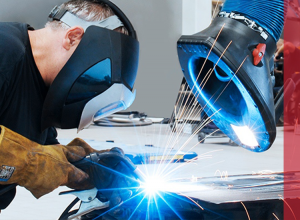
In industrial workplaces, LEV systems capture dust, fumes, and vapors right at the source. Welding shops, metalworking facilities, and chemical plants rely heavily on LEV to protect workers from harmful substances.
Have you ever noticed the hood above a grinding machine or a paint booth? Those are practical examples of LEV in action. Installing these systems correctly can reduce health risks and improve productivity by keeping the air clean.
Laboratories
Laboratories often handle chemicals and biological agents that can be hazardous if inhaled. LEV helps contain fumes and particles generated during experiments.
Fume hoods in research labs are a type of LEV designed to protect both the user and the environment. Without proper ventilation, you could be exposed to dangerous toxins without even realizing it.
Commercial Kitchens
In commercial kitchens, LEV systems manage smoke, grease, and odors produced by cooking. Exhaust hoods above stoves and fryers ensure the air stays breathable and surfaces remain cleaner.
Think about the last time you entered a restaurant kitchen and didn’t smell any smoke or grease. That’s a sign of an effective LEV system at work. It also helps prevent fire hazards by removing flammable vapors.
Installation Considerations
Installing a local exhaust ventilation system requires careful planning. Attention to detail ensures the system works efficiently. Consider key factors during installation to maximize effectiveness.
Site Assessment
A thorough site assessment is crucial. Identify sources of air contaminants. Determine locations where fumes or dust are generated. This helps in planning the best spots for exhaust vents. Consider the building layout. Structural elements can affect air flow. Access and space limitations also matter. Ensure the system can be installed without major modifications.
System Design
Design the system to suit specific site needs. Choose the right type of hoods and ducts. Ensure they are appropriate for the contaminants involved. Proper sizing of the system is essential. Undersized systems may not capture all pollutants. Oversized systems waste energy. Consider noise levels. Quiet systems improve the work environment.
Maintenance Needs
Regular maintenance is vital for system efficiency. Plan for routine checks and cleaning. This prevents blockages and maintains airflow. Replace filters and worn-out parts promptly. Ensure easy access for maintenance. Proper upkeep extends the system’s lifespan and reduces breakdowns.

Credit: www.slideshare.net
Troubleshooting And Optimization
Troubleshooting and optimization are key to keeping your local exhaust ventilation (LEV) system running efficiently. Small issues can reduce its effectiveness, risking safety and increasing energy costs. Understanding how to spot problems early and improve performance can save you time and money.
Identifying Common Issues
One frequent problem is reduced airflow, often caused by clogged filters or blocked ducts. You might notice unusual noises or vibrations, signaling loose parts or motor issues. Another sign is inconsistent suction, which could indicate leaks or damaged hoods.
Have you checked your system’s pressure gauges lately? Low pressure readings often point to airflow restrictions. Keep an eye on these indicators to catch problems before they escalate.
Improving Performance
Improving your LEV system starts with cleaning and replacing filters regularly. Tighten any loose connections and seal duct leaks using appropriate materials like aluminum tape or mastic. Adjust hood placement to maximize capture efficiency—sometimes, small shifts make a big difference.
Consider upgrading to variable speed fans if your system runs constantly at full power. This change can reduce energy consumption while maintaining adequate ventilation. Remember, performance isn’t just about power but precision.
Regular Inspections
Scheduling routine inspections helps you stay ahead of potential failures. Use a checklist that includes checking fan belts, verifying airflow rates, and inspecting electrical components. Documenting your findings creates a history that guides future maintenance decisions.
Are you involving your team in these inspections? Training staff to recognize early warning signs can prevent downtime and improve overall safety. Consistency in inspections keeps your LEV system reliable and effective.
Frequently Asked Questions
What Is Local Exhaust Ventilation (lev)?
Local exhaust ventilation (LEV) is a system that captures and removes airborne contaminants at their source. It prevents harmful dust, fumes, and vapors from spreading in the workplace. LEV improves indoor air quality and protects worker health by controlling exposure to hazardous substances.
How Does Local Exhaust Ventilation Work?
LEV works by drawing contaminated air through hoods or ducts near the pollution source. The air passes through filters or scrubbers to remove pollutants. Cleaned air is then exhausted outside or recirculated. This targeted extraction limits the spread of harmful particles in the environment.
Why Is Local Exhaust Ventilation Important?
LEV is important because it reduces exposure to hazardous airborne substances. It protects workers from respiratory illnesses and long-term health effects. LEV also helps workplaces comply with safety regulations. Efficient ventilation promotes a safer, healthier work environment and minimizes contamination risks.
Where Is Local Exhaust Ventilation Commonly Used?
LEV is commonly used in industries like manufacturing, laboratories, welding, and painting. It is essential in places with dust, fumes, gases, or chemical vapors. LEV systems are also found in food processing, pharmaceuticals, and woodworking to maintain clean air quality.
Conclusion
Local exhaust ventilation helps keep air clean and safe. It removes harmful dust, fumes, and gases at the source. This system protects workers and improves indoor air quality. Knowing how it works helps you choose the right ventilation for your space.
Good ventilation lowers health risks and creates a healthier work environment. Remember, clean air means safer and more comfortable places to work. Consider local exhaust ventilation in any area with pollution or strong odors. It is a simple step toward better health and safety.



